















Springtime in Maize is a season filled with blooming flowers and a fresh sense of renewal. However, it’s also a time when many homeowners experience a peak in allergies. These seasonal allergies often manifest as sneezing, itchy eyes, and runny noses. In some cases, though, these symptoms might be mistaken for something else altogether — like mold exposure. The similarities can make it tricky to figure out what’s causing discomfort in the home environment, which is why understanding how to distinguish between the two is essential for staying healthy and comfortable.
Identifying the actual source of these symptoms is important because it allows for effective treatment. Whether it’s addressing the allergens floating in the air or tackling mold growth in neglected corners, a clear diagnosis paves the way for the right solutions. This article explores how Maize homeowners can discern between these two potential culprits and highlights the role of mold cleaning services in maintaining a healthy indoor space during spring.
Recognizing Spring Allergies
Spring allergies can pop up when the air fills with all kinds of allergens, like pollen from trees and grass. These tiny particles float around and often find their way inside homes through open windows, clothes, or even pet fur. Recognizing the telltale signs can help homeowners manage these seasonal nuisances more effectively.
Here are some common symptoms of spring allergies:
– Sneezing and runny nose
– Itchy or watery eyes
– Nasal congestion
– Fatigue or feeling tired
A few common indoor factors that may also trigger allergies include dust mites and pet dander, which can be more problematic when homes are not well-ventilated during colder months. When spring arrives, opening windows might feel refreshing but can also invite outdoor allergens inside, exacerbating these issues.
Homeowners can minimize exposure to spring allergens by keeping windows closed during peak pollen times, using air purifiers, and regularly cleaning to reduce dust and pet hair. These steps help create a more allergy-friendly home environment, although pinpointing all the possible triggers often requires additional insights, especially when the symptoms persist. This is where understanding the similarities and differences with mold comes in handy.
Understanding Mold Exposure
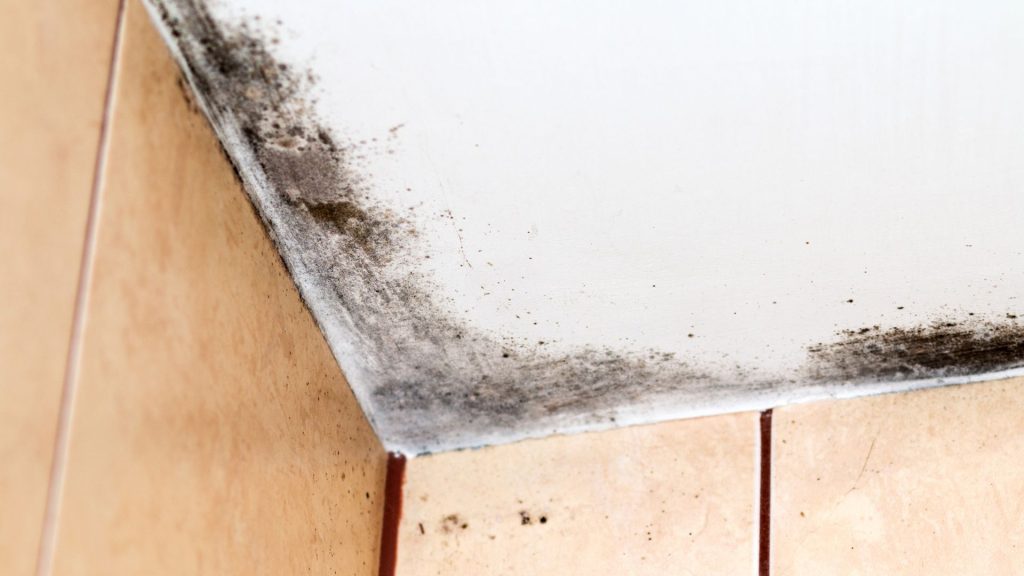
Spring in Maize not only raises the pollen count, but it also creates an ideal environment for mold growth. Mold can thrive in damp corners of homes, especially after rain or in areas with poor ventilation. Understanding mold exposure is crucial for addressing the root cause of those pesky symptoms that might be misidentified as allergies.
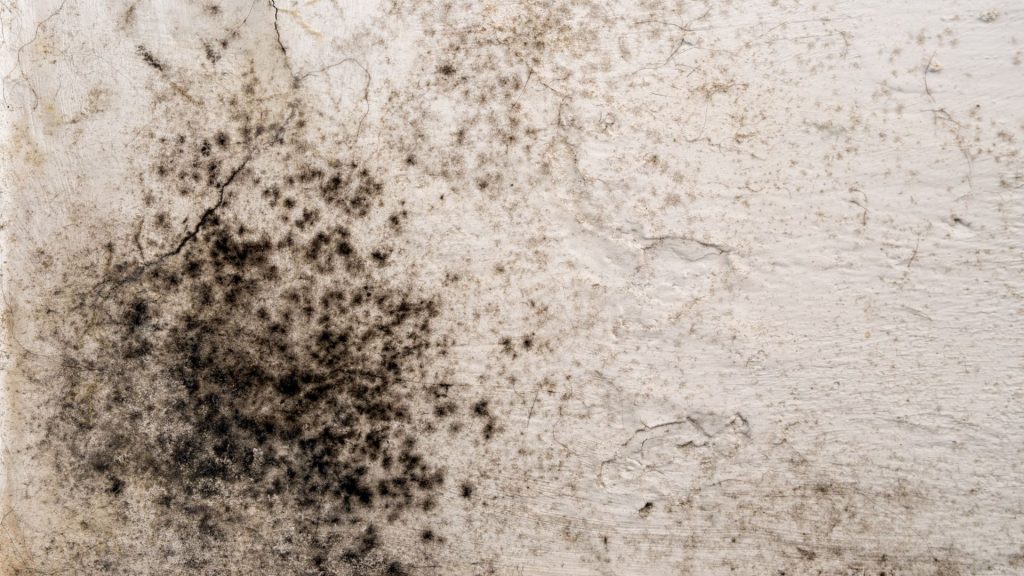
Mold is a type of fungus that can appear in various colors and forms. It grows in moisture-rich environments and can multiply rapidly when left unchecked. Some common symptoms of mold exposure include:
– Coughing and wheezing
– Itchy skin or rashes
– Watery or irritated eyes
– Persistent sore throat
Interestingly, mold symptoms may overlap with those of spring allergies, making it hard to figure out which one is the real troublemaker. Unlike most allergens, mold can also worsen health conditions, like asthma, if not taken care of. This season, keeping an eye out for damp spots on walls or a musty odor in basements can help spot mold early before it becomes a serious issue.
Differences Between Allergies and Mold Exposure
Differentiating between allergies and mold exposure boils down to understanding symptom triggers and occurrence. Seasonal allergies often relate directly to time spent outdoors or specific pollen activity, while mold issues tend to stem from indoor environments that have too much moisture or poor air circulation.
– Allergy symptoms often spike outdoors or when windows are open during high pollen times.
– Mold symptoms might persist or worsen indoors, particularly in certain rooms prone to dampness.
– Sneezing and itchy eyes often point to allergies, while coughing or itchy skin might suggest mold.
When symptoms overlap and linger, it might be wise to get a professional diagnosis. This ensures the true source is identified and addressed with proper care.
Testing and Addressing Mold Issues
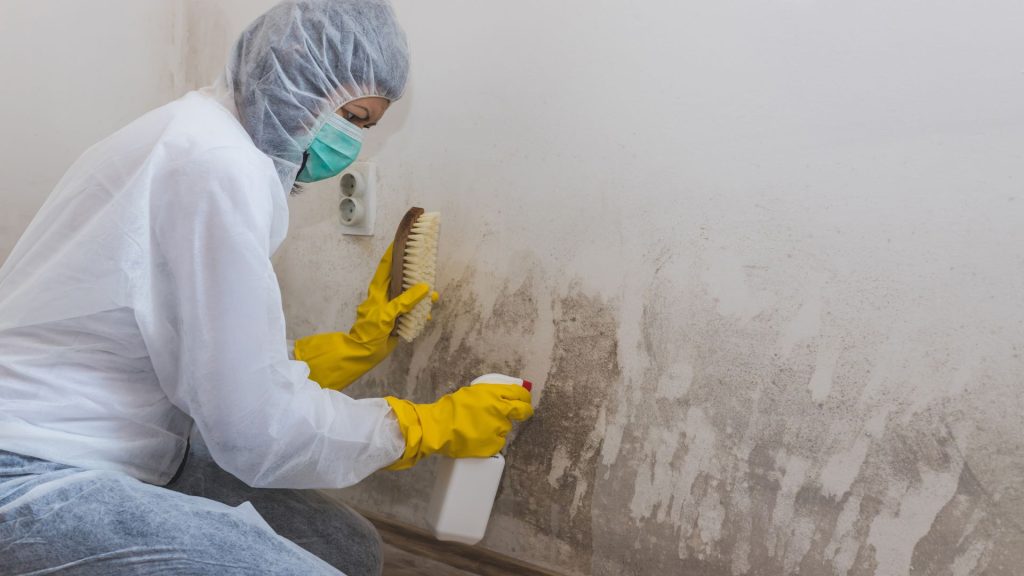
Finding mold in your home involves more than a quick look in the attic. Professional testing can reveal hidden mold growths that are not visible to the naked eye. Here’s a quick rundown of how mold testing and cleaning work:
1. Inspection: Professionals will check areas where mold seems likely to grow, such as basements, bathrooms, and kitchens.
2. Testing: Samples from suspected areas are analyzed to identify mold type and spread.
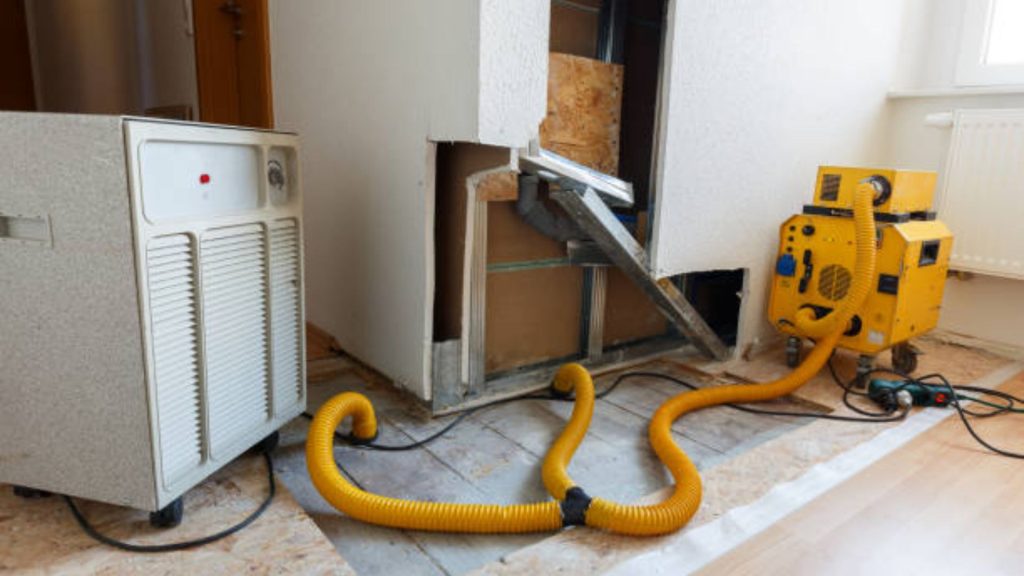
3. Remediation Plan: Specialists create a plan to effectively remove mold and treat affected areas.
4. Prevention Tips: Experts provide guidance to prevent future mold issues, like fixing leaks and improving ventilation.
Letting professionals handle mold testing and cleanup ensures thorough and efficient results. Homeowners can then focus on maintaining a healthy interior space, knowing the mold concerns are handled.
Clear the Air in Your Maize Home This Spring
Understanding the difference between spring allergies and mold exposure is key to a healthier home. If symptoms don’t clear up with regular allergy medications or persist indoors, consider having your home checked for mold. Professional solutions help clear the air, making your living space more comfortable and safe. Taking these steps means enjoying the rest of spring without the worry of hidden allergens lurking inside.
For a fresher, healthier home this spring, it’s time to tackle that unseen mold. If you’re noticing persistent indoor symptoms, professional mold cleaning services can help remove hidden allergens and improve your air quality. Count on FreshCo to restore comfort and safety to your Maize home this season.