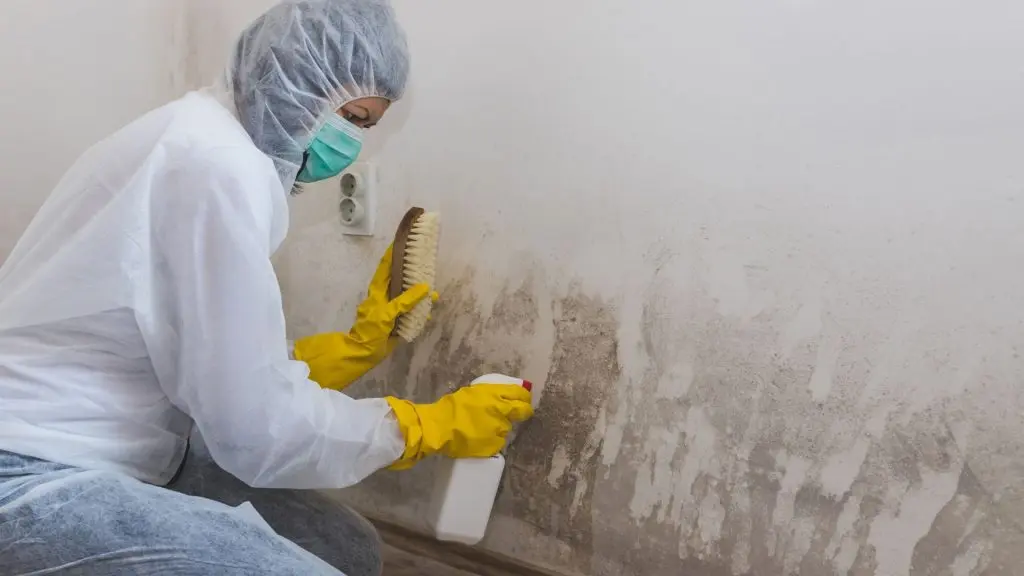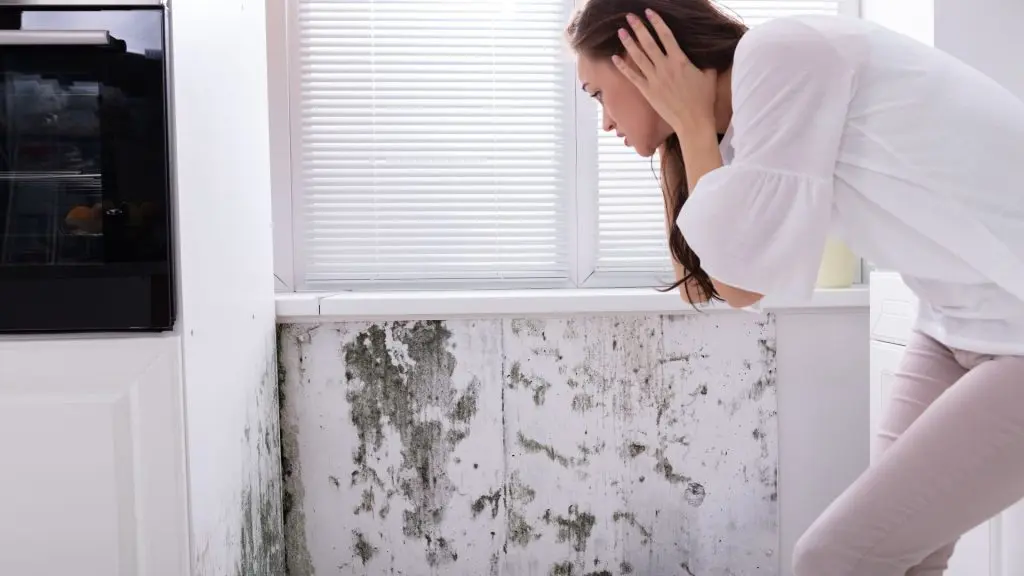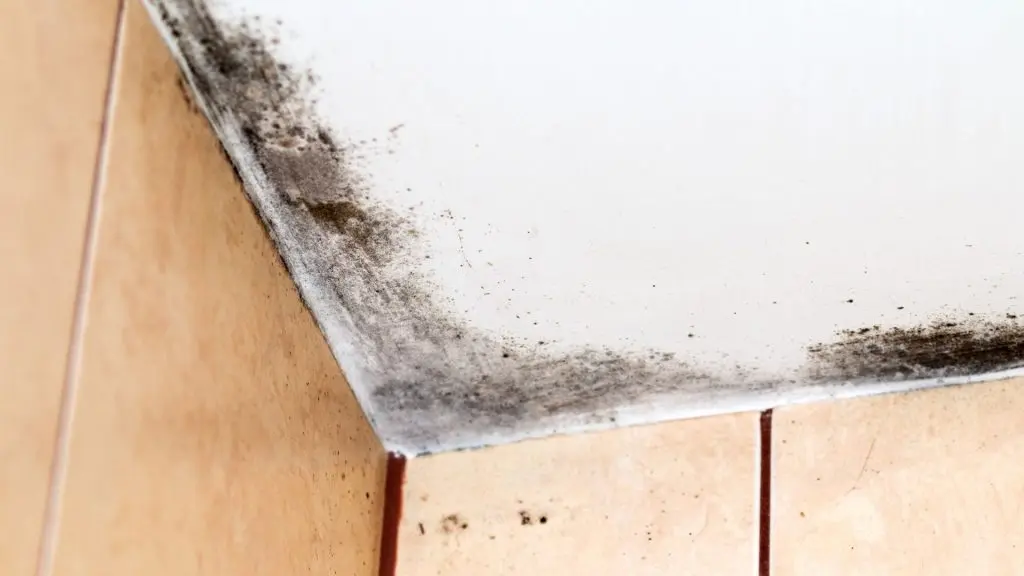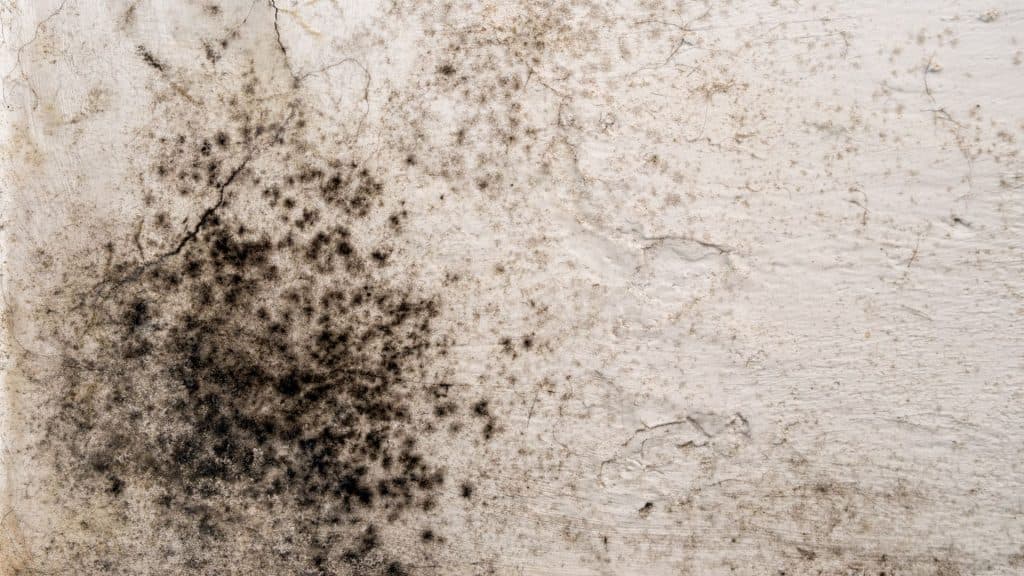















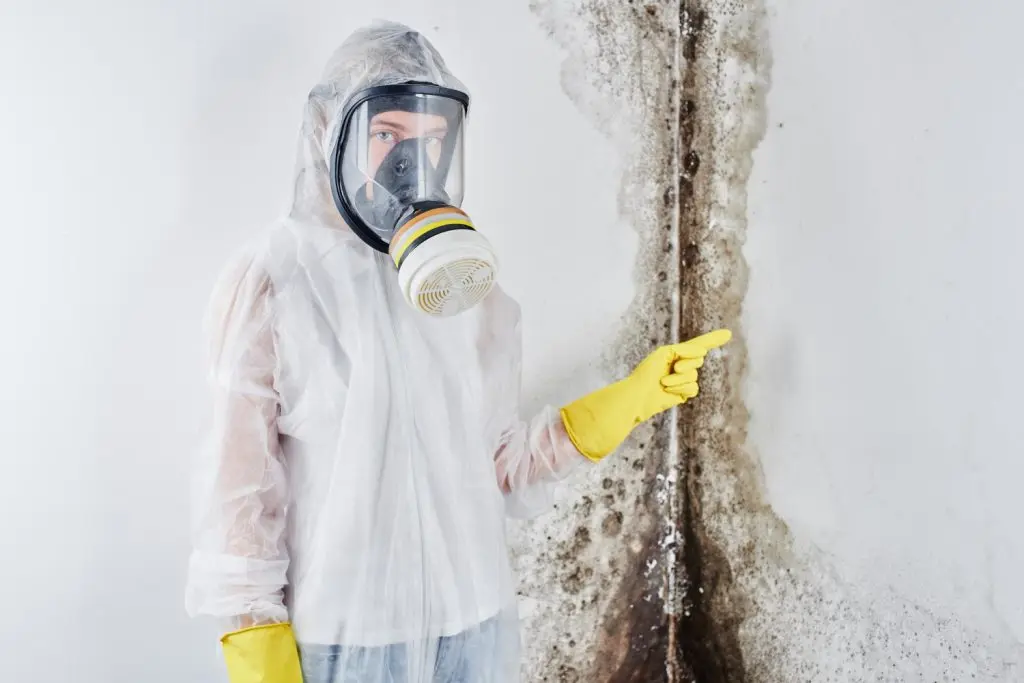
Mold is a silent invader that can cause severe problems in your home. It grows quietly in hidden places and can have serious effects on your health and property. This is why mold inspections are so important, especially in places like Wichita, KS, where humidity and varying weather conditions can contribute to mold growth.
Understanding the importance of mold inspection will help you keep your home safe and healthy. Mold can cause allergic reactions, respiratory issues, and other health problems. It also damages your walls, floors, and ceilings, leading to expensive repairs. Regular mold inspections can help you detect mold early before it becomes a major problem.
Mold can grow in areas you might not suspect, such as behind walls, under floors, and in attics or basements. Knowing the key areas to inspect and the best techniques for detecting mold will give you the upper hand in keeping your home mold-free. Additionally, learning how to prevent mold growth can save you a lot of hassle and expense in the long run. By being proactive, you can ensure your home remains a safe, healthy place for you and your family.
Why Mold Inspection is Crucial for Wichita Homes
Mold inspection is essential for Wichita homes because mold can cause serious health and property issues. The weather in Wichita, with its humidity and temperature changes, creates a perfect environment for mold to thrive. Mold spores can spread quickly and go unnoticed in hidden areas, making it a silent threat to your home.
Health problems are one of the main reasons mold inspection is so crucial. Mold exposure can lead to allergies, asthma, and other respiratory ailments. People with weakened immune systems, children, and the elderly are especially vulnerable to mold-related health issues. Regular mold inspections help identify and remove mold before it affects your family’s health.
Property damage is another critical concern. Mold can weaken walls, floors, and ceilings, leading to costly repairs. Mold can also ruin furniture, carpets, and other belongings. By conducting regular mold inspections, you can catch mold early and prevent extensive damage, saving you a lot of money in repairs.
Key Areas to Check in a Mold Inspection
Knowing the key areas to check during a mold inspection helps you find mold before it spreads. Mold often grows in damp, dark places where it might be hard to see. Here are some crucial areas to inspect:
1. Bathrooms and Kitchens: These areas have high moisture levels, making them prime spots for mold growth. Check under sinks, around bathtubs, and behind toilets for any signs of mold.
2. Basements and Attics: Basements and attics are often neglected during routine cleaning, allowing mold to flourish. Look for mold in corners, along walls, and around windows where moisture can seep in.
3. HVAC Systems: Mold can grow in the ducts and components of your heating and cooling systems. Inspecting your HVAC system helps ensure it is mold-free and doesn’t spread spores throughout your home.
4. Windows and Doors: Condensation around windows and doors can create a breeding ground for mold. Check for any signs of mold growth around the frames and sills.
5. Walls and Ceilings: Water stains or peeling paint can indicate moisture problems and potential mold growth. Examine these areas closely to detect hidden mold.
6. Under Carpets and Rugs: Mold can grow beneath carpets and rugs if there is a water spill or leak. Lift carpets and check the flooring for any moldy spots.
By thoroughly inspecting these areas, you can catch mold early and take steps to remove it, keeping your home safe and healthy.
Advanced Mold Detection Techniques
Detecting mold in hidden areas requires advanced techniques. These methods can help find mold that isn’t visible to the naked eye, ensuring a thorough inspection.
1. Moisture Meters: Moisture meters measure the amount of moisture in building materials. High moisture levels can indicate potential mold growth. By using moisture meters, inspectors can identify areas prone to mold.
2. Infrared Cameras: Infrared cameras detect temperature differences on surfaces. Cold spots might indicate moisture behind walls or ceilings, hinting at hidden mold. This non-invasive method helps find mold without causing damage.
3. Air Sampling: Air sampling involves collecting air from your home to test for mold spores. These samples are analyzed in a lab to determine the type and concentration of mold present. Air sampling is useful for detecting mold that isn’t visible.
4. Surface Testing: Surface tests involve swabbing or tape lifting from suspect areas. These samples are then sent to a lab for analysis. Surface testing helps in identifying mold species and understanding contamination levels.
5. Bulk Sampling: Bulk sampling involves taking samples of materials like drywall or insulation. These are then tested for mold. This method provides a detailed analysis of mold contamination in specific materials.
Using these advanced techniques ensures a comprehensive mold inspection, helping to detect and address mold issues effectively.
Preventing Mold: Tips for Wichita Homeowners
Preventing mold growth is essential for maintaining a healthy home. Here are practical tips for Wichita homeowners to keep mold at bay:
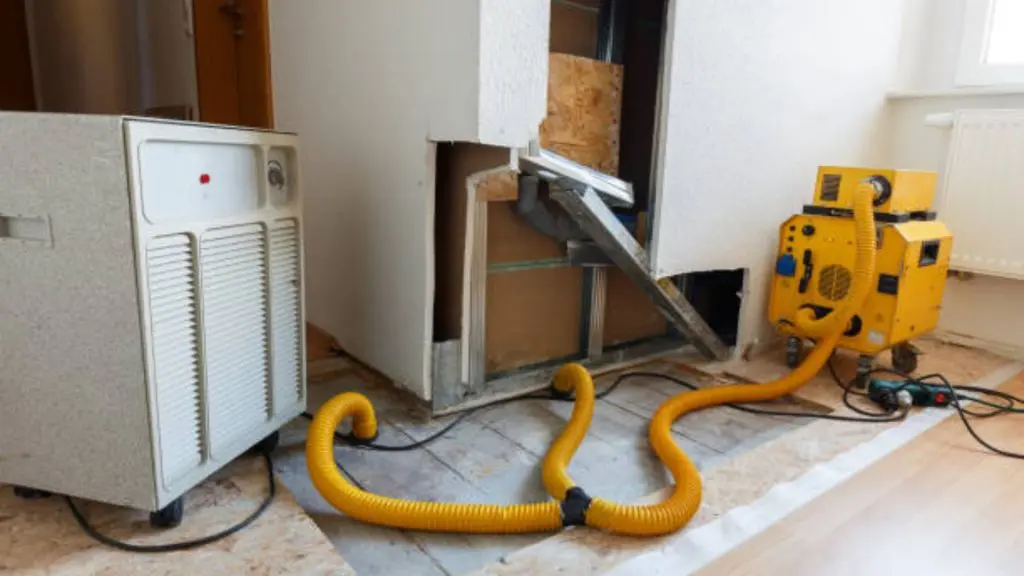
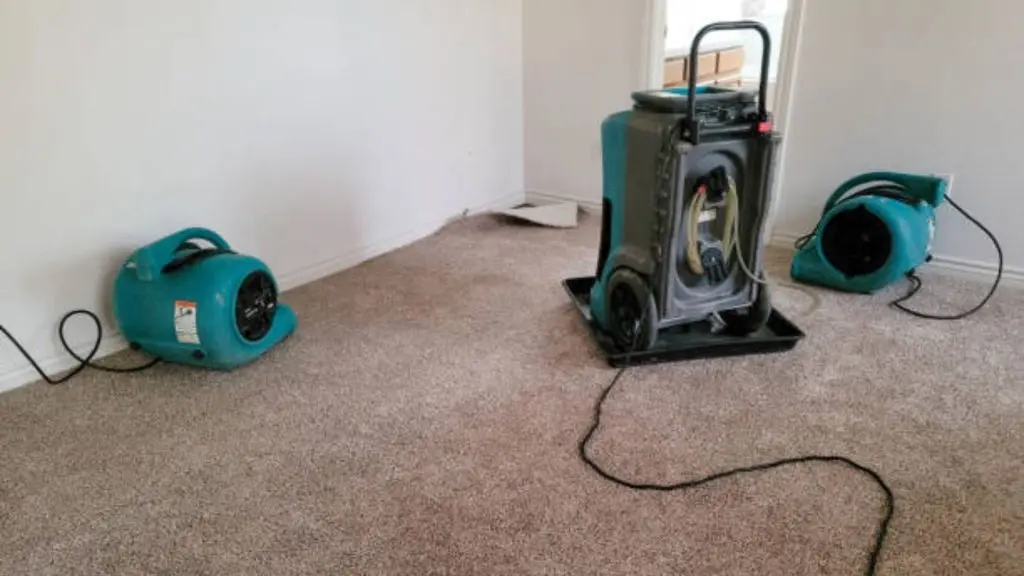
1. Control Humidity: Keep indoor humidity levels below 60%. Use dehumidifiers, especially in basements and crawl spaces, to reduce moisture. Proper ventilation in bathrooms and kitchens also helps control humidity.
2. Fix Leaks: Repair any leaks in your roof, walls, or plumbing immediately. Water leaks create a perfect environment for mold to grow. Regularly check areas prone to leaks and address them promptly.
3. Proper Ventilation: Ensure good airflow throughout your home. Use exhaust fans in the kitchen and bathroom to get rid of moisture. Make sure your dryer vent directs air outside and not into your home.
4. Use Mold-Resistant Products: When renovating, choose mold-resistant materials like drywall and paint. These products help in reducing mold growth in damp areas.
5. Clean and Dry Wet Areas: Clean and dry any wet areas within 24-48 hours. This is crucial after flooding or spills. Carpets, rugs, and upholstery should be thoroughly dried to prevent mold.
6. Monitor Indoor Plants: Overwatering indoor plants can lead to mold growth in the soil. Carefully monitor plant moisture levels and avoid overwatering.
7. Storing Items: Avoid storing items like paper, clothes, and fabrics in damp areas like basements. Use airtight containers to prevent mold growth.
By following these tips, you can significantly reduce the risk of mold in your home, ensuring a healthier living environment for you and your family.
Conclusion
Keeping your Wichita home mold-free requires regular inspections and preventive measures. Understanding advanced mold detection techniques and knowing the key areas to check during an inspection can help you stay ahead of mold problems. Simple preventive steps like controlling humidity, fixing leaks, and ensuring proper ventilation go a long way in maintaining a healthy home environment.
Don’t let mold invade your home. Take proactive steps to protect your family’s health and your property. If you suspect mold, don’t wait. Contact FreshCo for a professional Wichita mold inspection today. We’ll ensure your home stays safe and mold-free.