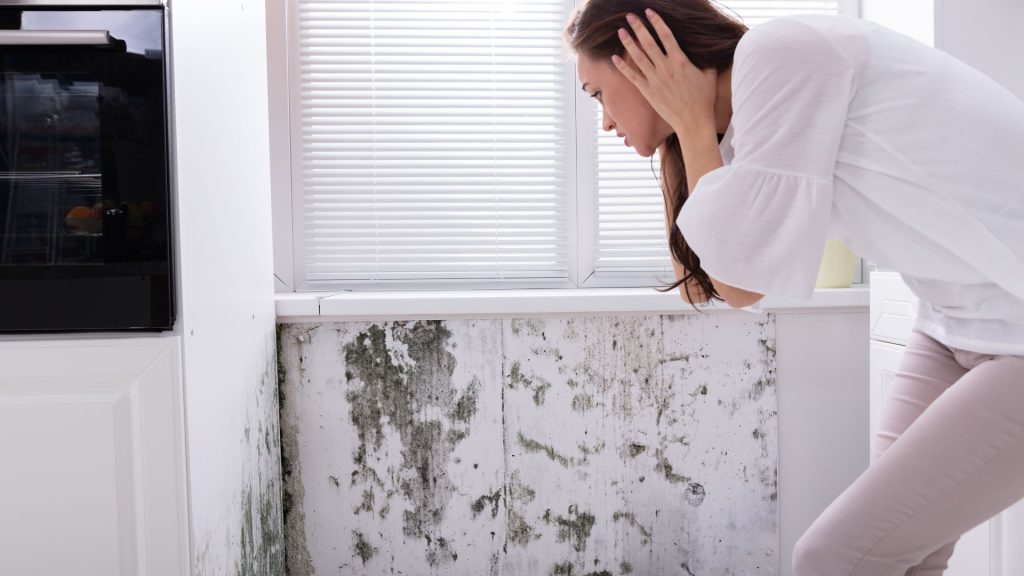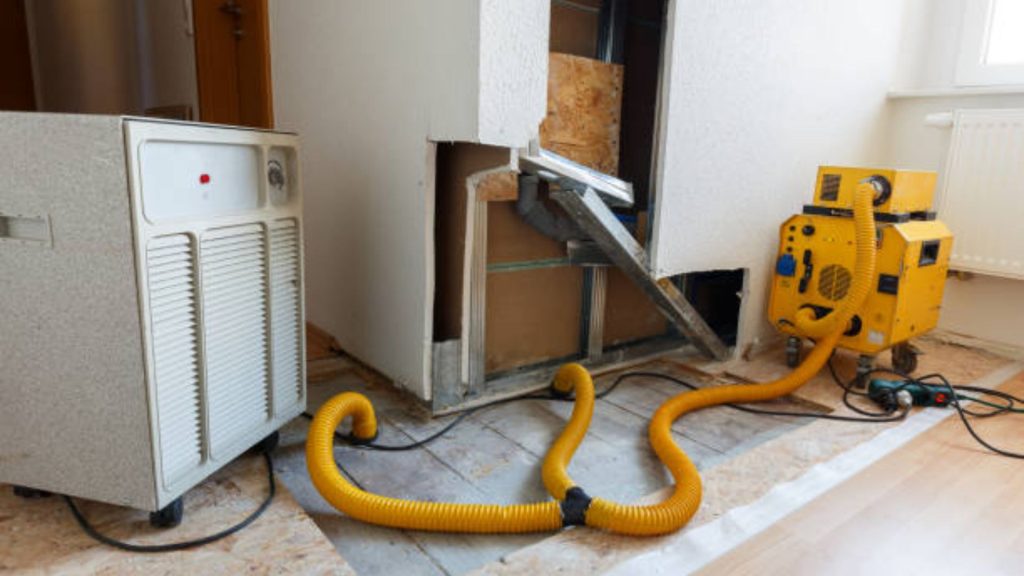















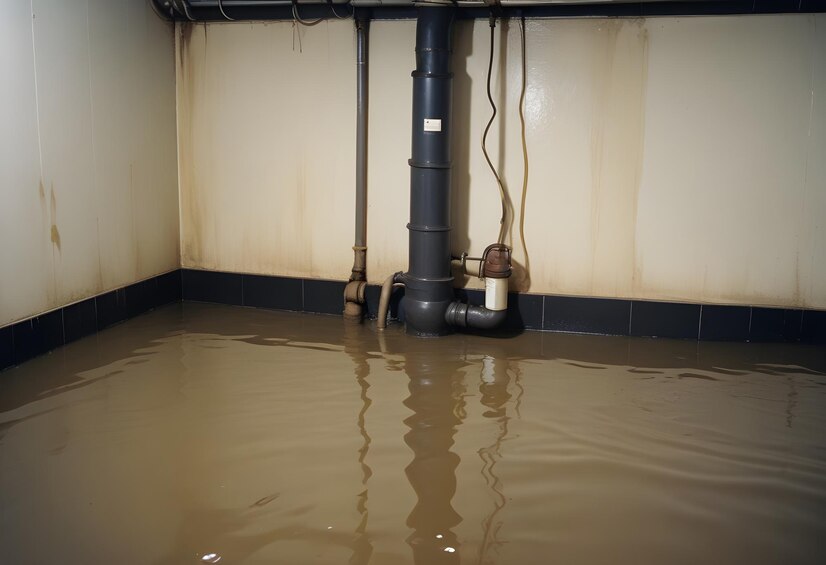
Basement flooding is a serious concern for homeowners in Everett, where the combination of heavy rainfall, melting snow, and high water tables can pose significant risks. Water intrusion can cause a wide range of problems, from property damage to mold growth and structural issues. Understanding the various causes of basement flooding and knowing how to prevent it are crucial for maintaining a safe and dry home environment.
By being proactive, you can protect your basement from flooding and avoid the stress and expense that come with water damage. We will explore effective strategies to keep water at bay, introduce the necessary tools and equipment for flood prevention, and guide you on what immediate steps to take if your basement does flood.
Ensuring your basement stays dry not only helps in preserving the integrity of your home but also in maintaining a healthier living space for you and your family.
Understanding the Causes of Basement Flooding in Everett
Basement flooding in Everett can occur for several reasons, often tied to our local weather and soil conditions. One common cause is heavy rainfall, which can overwhelm drainage systems and lead to water seeping into basements. With the frequent rain we experience in Everett, even a slight crack in your foundation or walls can allow water to enter, causing significant damage over time.
Another major factor is groundwater influx. In areas where the water table is high, like Everett, ground water can infiltrate basements through hydrostatic pressure. This pressure pushes water up from the ground and into any available space, including homes. Poor landscaping and grading around your home can also contribute, directing water towards your foundation rather than away from it. Being aware of these causes helps in taking proactive measures to mitigate the risk of basement flooding.
Effective Strategies to Prevent Water Intrusion
Preventing water intrusion into your basement is paramount to maintaining a dry and safe home. One effective strategy is ensuring proper drainage around your home. Installing gutters and downspouts that direct water at least 10 feet away from your foundation can significantly reduce the risk of water pooling around your home. Additionally, grading the soil around your house to slope away from the foundation ensures that rainwater flows away, minimizing the chances of seepage.
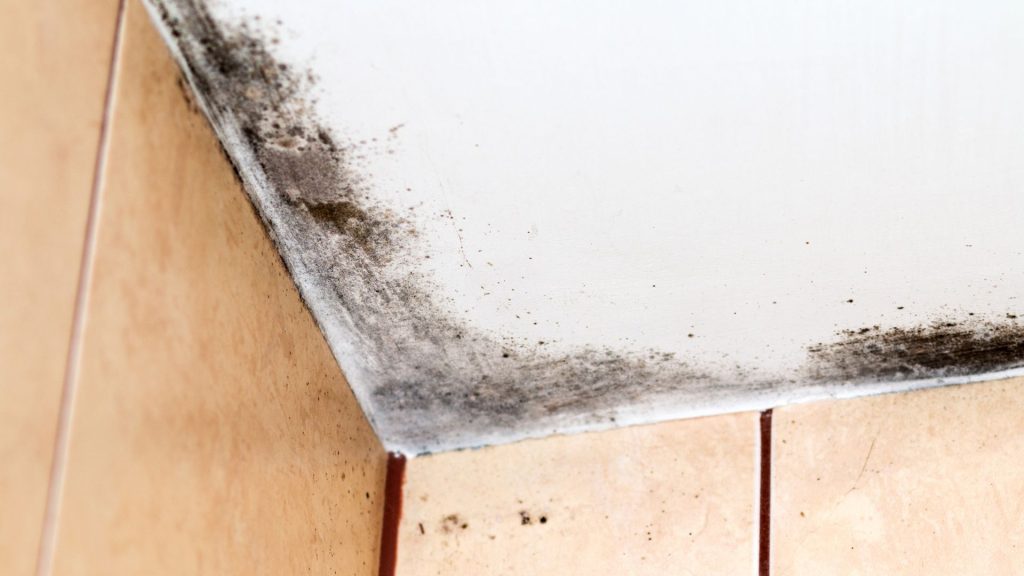
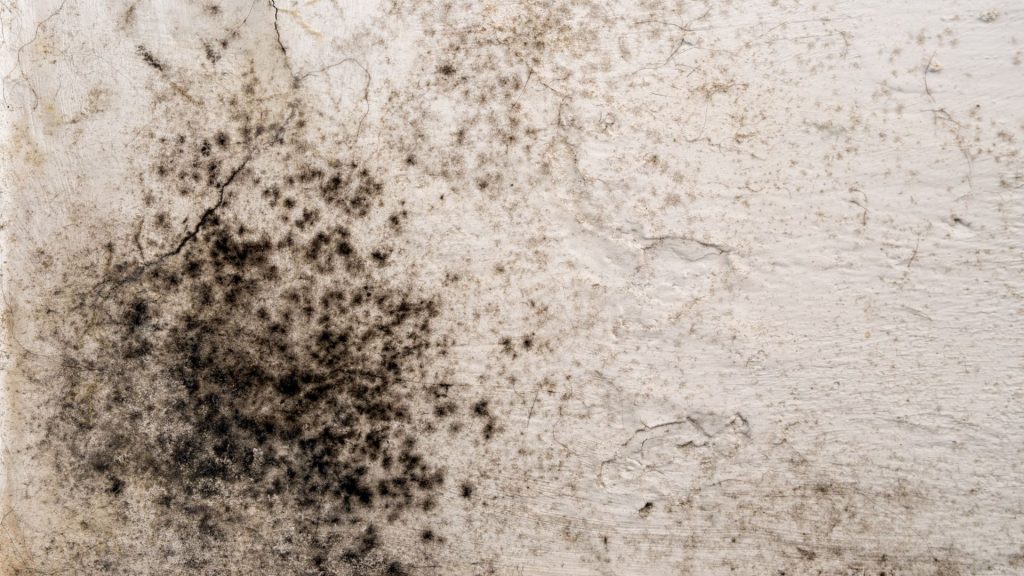
Another important measure is sealing any cracks or gaps in your basement walls and floors. Using a high-quality sealant can provide a watertight barrier against moisture ingress. We also recommend installing a sump pump to actively remove any water that does enter your basement. Regular maintenance of these systems, including checking for blockages and ensuring the pump is in good working order, is crucial in keeping your basement dry. Lastly, using a dehumidifier can help control indoor humidity levels, further reducing the likelihood of basement dampness and mold growth. By incorporating these strategies, you can effectively safeguard your basement from water intrusion.
Effective Cleaning Practices to Prevent Mold
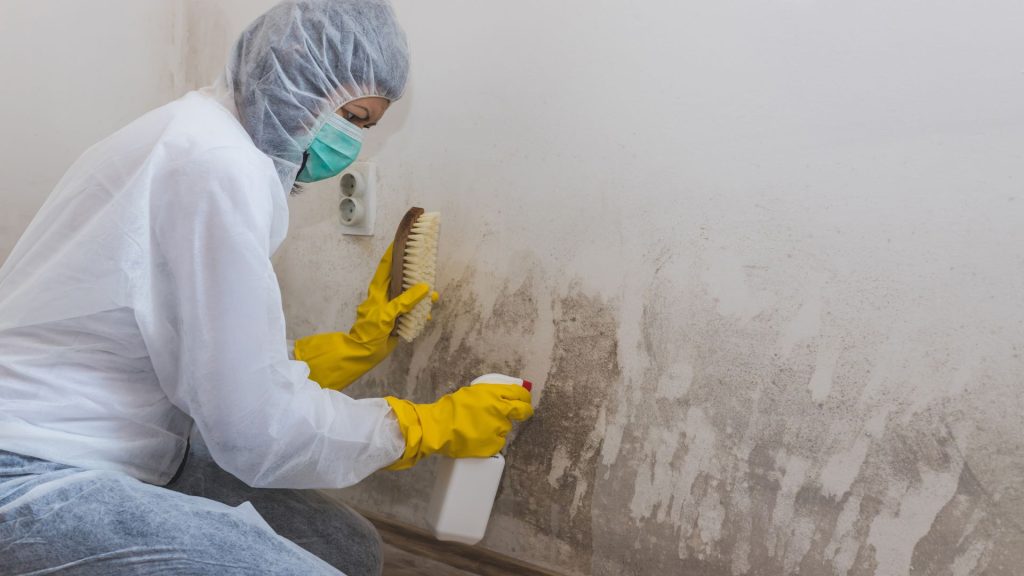
Regular cleaning is essential to keep mold from gaining a foothold in your home. Here are some tips on how to clean effectively to prevent mold growth:
1. Use Mold-Killing Products: When cleaning areas prone to mold, such as bathrooms and kitchens, use cleaning products specifically designed to kill mold. Bleach solutions, vinegar, and commercial mold cleaners are all effective options.
2. Clean and Dry Wet Areas Promptly: Any time you spill water or notice a damp spot, clean it up and then dry the area immediately. Mold can start growing very quickly, so it’s important to act fast.
3. Keep Cleaning Cloths and Sponges Dry: Mold can grow on your cleaning tools if they remain damp. Be sure to thoroughly wring out cloths and sponges after each use and allow them to air-dry in a well-ventilated area.
4. Regularly Clean Carpets and Upholstery: Carpets, rugs, and fabric-covered furniture can trap moisture and become breeding grounds for mold. Vacuum regularly, and consider using steam cleaners that can kill mold spores.
5. Clean Air Vents and Filters: Dust and moisture can accumulate in your home’s heating and cooling systems, making them perfect places for mold to grow. Regularly clean your air vents and replace filters to keep the air circulating freely and cleanly.
By incorporating these practices into your regular cleaning routine, you’ll be taking proactive steps to keep mold at bay, ensuring a healthier home environment.
Regular Home Maintenance Tips to Keep Mold at Bay
Regular home maintenance is crucial for preventing mold and ensuring your home remains safe and healthy. Here are some essential home maintenance tips to keep mold at bay:
1. Inspect and Repair Roofs and Gutters: Regularly check your roof for leaks and your gutters for blockages. Clear any debris that may prevent water from draining properly. This helps to avoid water seeping into your home where mold could thrive.
2. Check Your Plumbing: Periodically inspect your plumbing for leaks or signs of wear. Leaky pipes or faulty seals can cause water damage, creating a perfect environment for mold to grow. Address any issues immediately to prevent moisture buildup.
3. Maintain Proper Ventilation: Make sure vents in your bathroom, kitchen, and attic are working correctly to circulate air and remove excess moisture. Regularly clean the vents to ensure they are free of obstructions.
4. Monitor Indoor Humidity Levels: Use a hygrometer to keep track of your indoor humidity levels. Ideally, you want to keep it below 60%. If levels are too high, use a dehumidifier to bring them down.
5. Seal Windows and Doors: Ensure that all windows and doors are properly sealed to prevent water from getting inside. Replace worn-out weatherstripping and seal any gaps with caulk.
By staying on top of these regular home maintenance tasks, you can significantly reduce the chances of mold developing in your home. Consistent upkeep is an effective way to maintain a mold-free environment.
Final Thoughts
Preventing mold in your Marysville home involves a combination of understanding how mold grows, reducing indoor moisture, effective cleaning, and regular home maintenance. Each step is crucial in creating an environment that is inhospitable to mold. By adopting these strategies, you can protect your home from the negative health impacts and structural damage that mold can cause.
Taking action today can save you from more significant problems down the line, ensuring your home remains a safe and comfortable place to live. If you find yourself needing professional help, don’t hesitate to reach out to FreshCo. We pride ourselves on providing top-notch cleaning and restoration services tailored to your needs. Keep your home mold-free with the expert assistance from FreshCo Cleaning & Restoration.
Contact FreshCo today to learn more about our emergency water removal services and how we can help maintain the health of your home.