















After a strong storm rolls through Hutchinson, it’s pretty common for homeowners to find damage they hadn’t noticed right away. One of the most overlooked spots is the windows. Cracks, broken seals, or even shattered panes can allow water and wind inside quickly. Once that happens, it doesn’t take long for small problems to grow into serious issues. Nobody wants to wake up to water stains on their walls or the clatter of loose glass from a failing window.
Windows tend to be vulnerable during storms, especially older ones or those already showing signs of wear. Spotting damage early can help protect your home and keep repair costs down. Hutchinson homeowners should be alert after any storm and know what to look for.
Storms bring more than just rain. High winds, flying debris, and pressure changes all affect windows. A small issue initially may worsen over time without attention.
Here are some of the most common types of window damage after storms:
1. Cracked or shattered glass caused by airborne debris
2. Frames that are bent, broken, or pulled loose by strong wind forces
3. Condensation or fog between panes indicating broken seals
4. Water intrusion around edges where flashing or caulking failed
5. Missing or damaged weather stripping that allowed drafts and leaks
Some forms of damage aren’t easy to spot right away. A great tip is to walk through the house and inspect each window after a storm. If a window suddenly becomes hard to open, the frame may have shifted. That shift could mean underlying structural impact that needs attention.
Moisture or fog between the panes is another concern, often indicating a seal failure. That lowers your home’s insulation efficiency and could lead to water problems inside walls. Small glass cracks can also worsen as temperatures change.
If window damage is discovered, it’s a good idea to:
– Mark or tape cracks so others don’t get cut
– Place a towel or bucket under leaks to prevent water damage
– Avoid opening or putting pressure on the damaged window
Quick responses can help limit damage, even if the full repair has to wait.
Temporary Solutions to Mitigate Further Damage
If immediate repairs aren’t possible, there are short-term fixes that can help minimize risks and protect your home from further storm-related damage.
Some simple actions to take include:
1. Cover any openings or leaks using plastic sheeting or heavy-duty trash bags taped securely over the affected area. This can keep water and outside air from entering the home.
2. For cracked glass, apply clear packing tape over the crack in an X-pattern to prevent it from spreading. Be gentle and avoid pressing against the glass.
3. Moderate to severe damage, such as blown-out panes, can be temporarily covered with plywood. Boarding up the window from the outside helps prevent intrusions from wind, rain, or flying debris if another storm comes through.
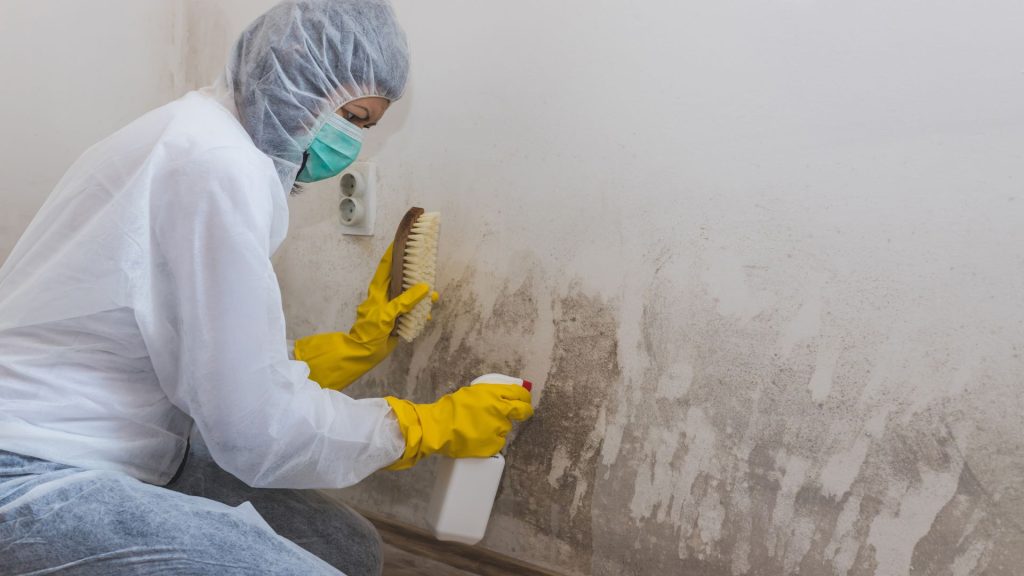
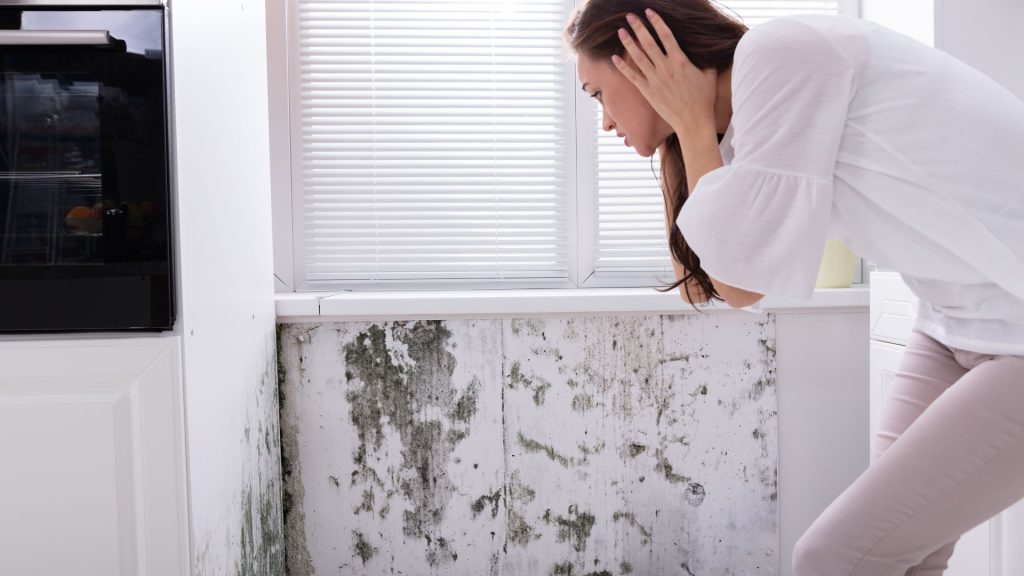
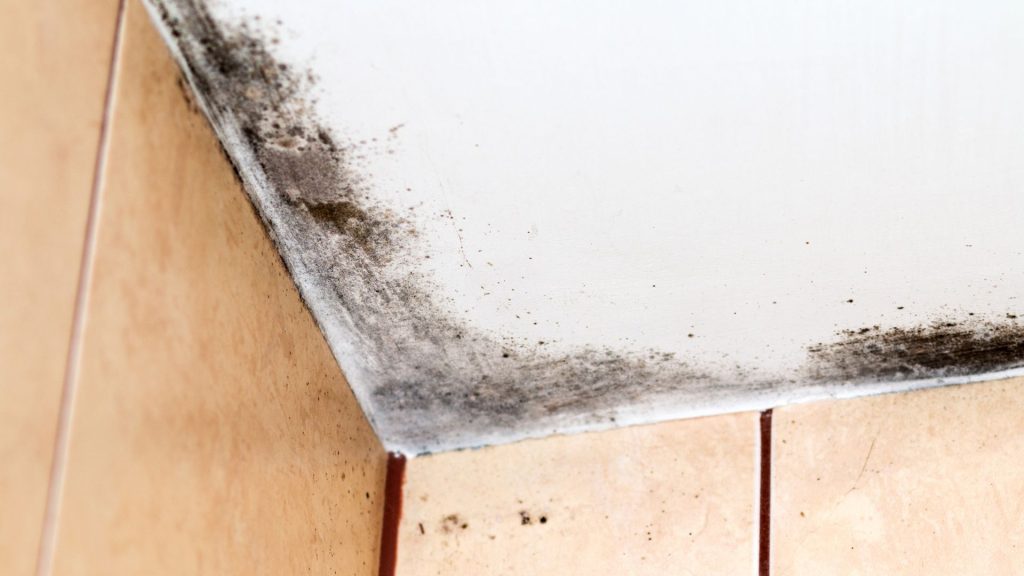
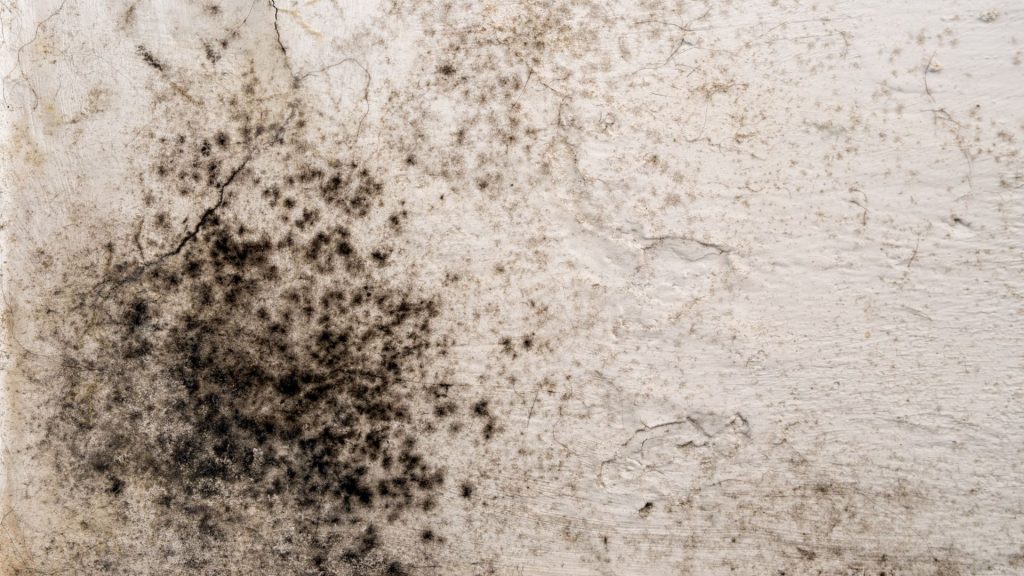
4. Remove curtains or drapes from affected windows to reduce the risk of mold developing from trapped moisture. Letting the area dry out helps prevent hidden water damage.
A resident in Hutchinson once shared how her kitchen window had cracks throughout after a hailstorm. She used clear tape to lightly reinforce the glass, then covered it with a canvas cloth while waiting for her repair appointment. This small action protected her kitchen from further water intrusion and made the final replacement easier and cleaner.
While these fixes make your space safer in the short term, they aren’t a replacement for proper repairs. Leaving damaged windows unattended risks more extensive problems down the line.
Assessing the Extent of the Damage
Once you’ve taken steps to temporarily safeguard your windows, it’s important to carefully assess the damage to know what’s next. This process involves more than a basic look. Check the entire window, frame, and the wall around it for signs of trouble.
Approach with caution and wear gloves if any glass is cracked or broken. Look for visible signs of damage such as:
– Cracks in the frame or surrounding structure
– Warping or misalignment of the window
– Water stains or soft materials around the sill
– Drafts that weren’t present before the storm
Next, inspect double-pane windows for cloudiness or moisture build-up between the panes. This indicates a broken seal that needs attention. Poor insulation from a seal failure can increase your heating and cooling bills.
To determine whether a repair or replacement is needed, consider:
– The age of your windows. Older models might be less energy efficient and more likely to fail again.
– Scope of the damage. A single crack is minor, but shattered glass or bent frames are more serious.
– Risk of future problems. Warped frames reduce energy performance and often lead to other failures.
Professional input can catch underlying problems such as hidden rot or mold developing in areas soaked by stormwater. That kind of insight ensures no damage is left unaddressed and that repairs are done right the first time.
Permanent Repair Solutions
Temporary patches are helpful for immediate safety, but permanent repair solutions are what truly restore your home and prevent repeat issues. Once the window has been assessed, it’s time to look at more lasting fixes.
If glass is cracked but the frame is intact, specific glazing materials or adhesive compounds may repair the damage. These options work best for localized damage and are often used on smaller panes or decorative windows.
For more substantial problems, replacement is often the better route. Swapping out broken glass or entire window units gives your home better performance and protection. Hutchinson homeowners often find that upgraded windows help beyond just storm defense. Improvements in insulation, soundproofing, and durability make these investments worthwhile.
Many choose double or triple-pane replacements with insulated or laminated glass. Some models also offer scratch-resistant coatings and better lock technology. Beyond withstanding storms, they help with energy efficiency through every season.
After retrofitting upgraded windows, one Hutchinson resident explained how the next storm barely did any damage compared to previous years. That reliable security brought peace of mind and reduced home maintenance costs long after the storm passed.
Why Professional Repairs are Essential
After a storm, fixing things yourself might seem quicker or less expensive. But without the right tools and knowledge, DIY efforts can fall short. Hidden damage left unresolved results in drafts, leaks, and even safety hazards later.
Professional repair services offer more than a patch. Experts know how to properly evaluate what’s wrong, uncover issues that aren’t visible at first glance, and apply solutions that hold up over time. Techniques used by pros are often backed by warranties, meaning your window investment is protected well beyond the initial repair.
Storms in Hutchinson can bring intense wind and weather, so respecting the force behind that damage is important. A trained window repair specialist can recommend materials that withstand local conditions better and look for indicators of future vulnerabilities.
At FreshCo, we bring years of residential window experience tailored to Hutchinson homes. We know what to look for, and how to keep your windows — and your home — protected season after season.
Ensuring Future Protection
Once the repairs are done and your home is back in shape, it’s the right time to think about future protection. There are several steps you can take to reduce the chance of window damage the next time a storm rolls through.
Installing storm shutters is one way to directly shield your windows from debris. Reinforced window film or protective tint can also help reduce breakage during high winds. Reinforcement doesn’t have to change the look of your home either — several options blend right in.
Regular window maintenance is another strong habit. Check the frames, seals, and locking hardware a few times a year. Replace worn-out weather stripping and fix small leaks before they grow into larger concerns.
Another step you can take is to build a household storm plan. Know how to protect windows when a storm is coming, keep supplies on hand like plastic covering and tape, and revisit the plan each season. Many community groups in Hutchinson hold preparedness classes as well, which offer useful resources specific to Kansas weather risks.
Preparing in advance, maintaining your windows, and staying alert after each storm can make all the difference. Storm damage doesn’t have to catch you off guard. With the right steps and support, your home stays stronger — no matter what hits next.
To fully safeguard your home from future storms and ensure effective recovery, trust FreshCo for all your storm damage repair needs in Hutchinson. Our team specializes in comprehensive solutions that address both immediate and underlying issues. Don’t let storm damage linger—take the step to secure your home today by reaching out to us.