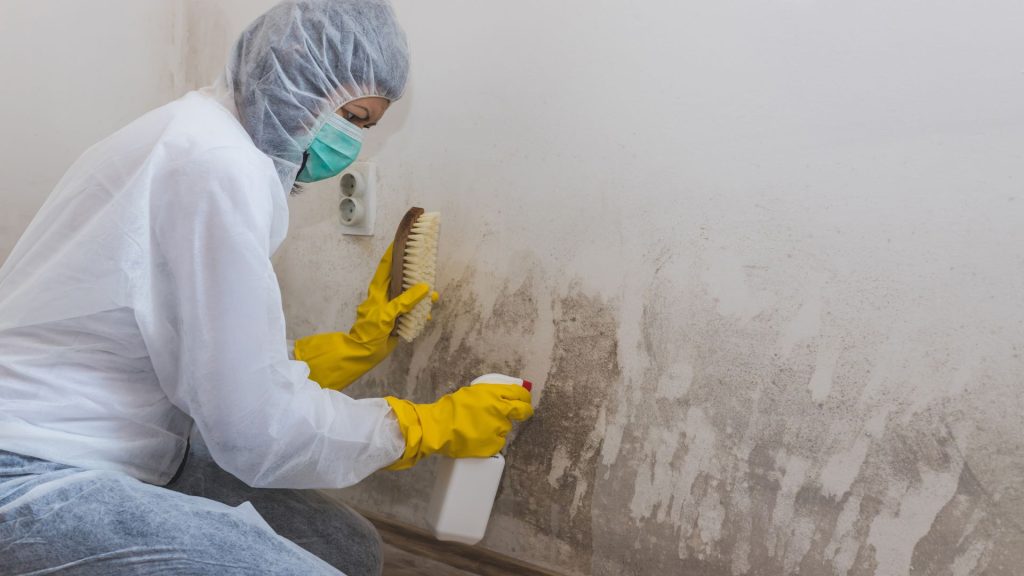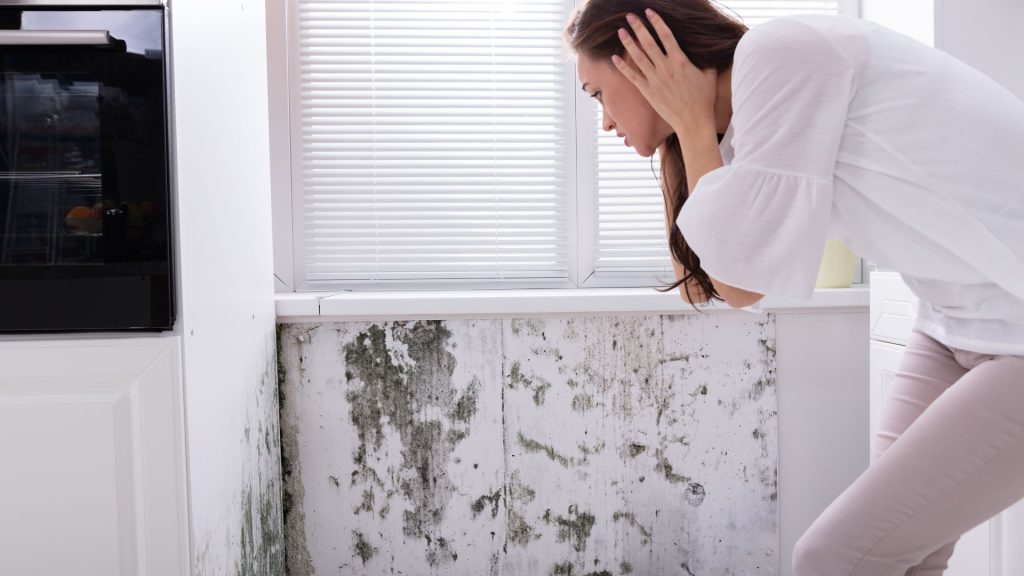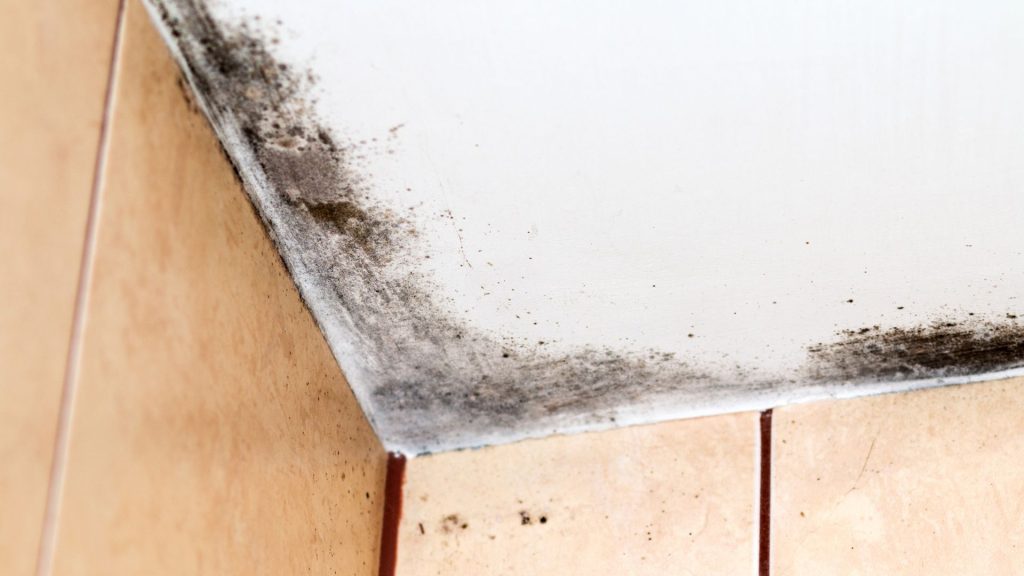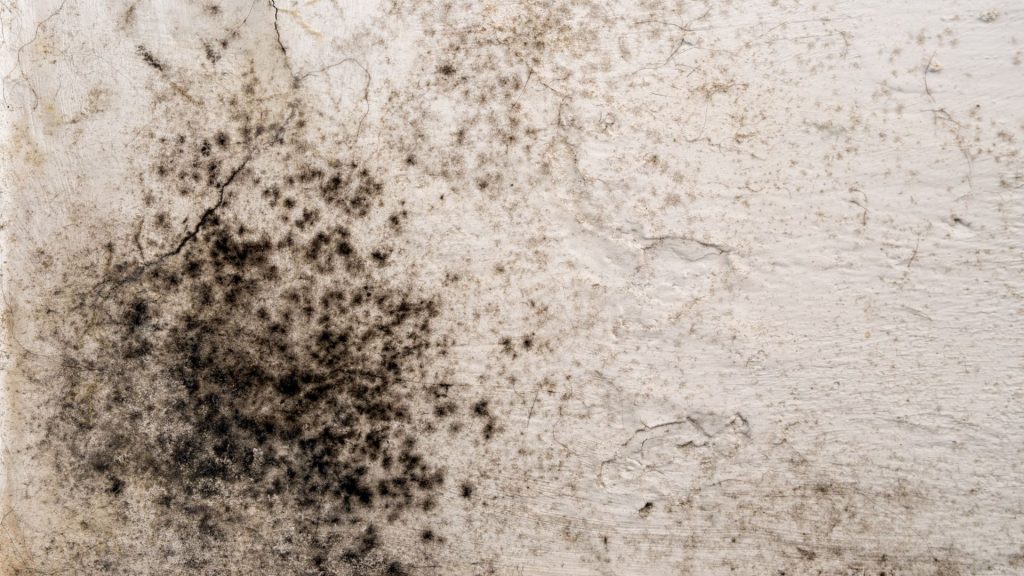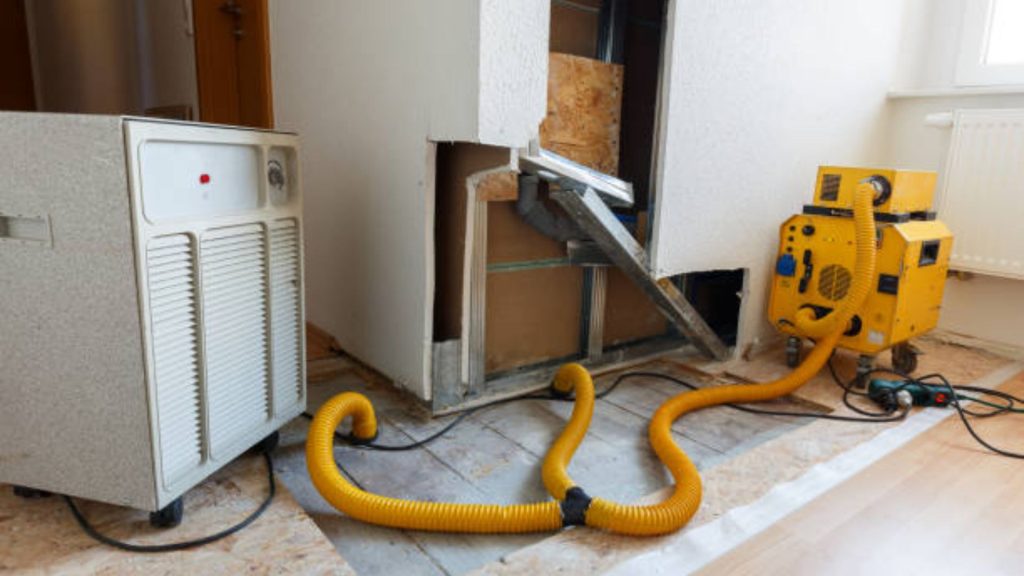
















Dealing with mold in your home can be a stressful experience. Mold not only looks unpleasant but can also pose serious health risks. For homeowners in Wichita, KS, understanding the role of a mold inspector can be the first step in keeping your home safe and healthy. An experienced mold inspector can help you identify mold issues, understand their causes, and take steps to prevent them in the future.
Mold grows in damp and humid environments, often hidden from plain sight. This makes detection challenging for the untrained eye. A professional mold inspector has the tools and knowledge to locate mold even in the most concealed areas of your home. Knowing what a mold inspector does can help you appreciate the value they bring in maintaining a mold-free home.
In this guide, we will explore the science behind mold detection, the steps involved in a professional mold inspection, and share some preventive measures you can take to avoid mold growth. These insights will help you understand how a mold inspector in Wichita can keep your home safe and healthy.
What Does a Mold Inspector Do?
A mold inspector plays a crucial role in identifying and addressing mold problems in your home. In Wichita, a mold inspector conducts thorough checks to find mold sources and assess the extent of contamination. Here’s a closer look at their tasks:
1. Visual Inspection: The first step is visually inspecting areas where mold is likely to grow, such as basements, bathrooms, and kitchens. The inspector looks for visible signs of mold and moisture that could lead to mold growth.
2. Use of Specialized Tools: Mold inspectors use tools like moisture meters and infrared cameras to detect mold behind walls and under floors. These tools help them identify hidden mold that isn’t visible to the naked eye.
3. Air Quality Testing: Inspectors may take air samples to measure the concentration of mold spores in the air. This helps determine if mold is affecting indoor air quality. The samples are sent to a lab for analysis.
4. Surface Sampling: Sometimes, mold inspectors take samples from surfaces to understand the types of mold present. This involves swabbing suspected areas and analyzing the samples.
5. Detailed Reporting: After completing the inspection, the mold inspector provides a detailed report. This report includes the findings, the type of mold identified, and recommendations for remediation.
The Science of Mold Detection
Understanding the science behind mold detection can help you appreciate the methods used by inspectors. Mold thrives in environments with moisture, so identifying moisture sources is key to detecting mold. Here’s how the process works:
1. Moisture Mapping: Mold growth almost always indicates a moisture problem. Inspectors use moisture meters to map areas with high humidity levels. These readings help pinpoint where mold might be growing. Moisture mapping can reveal leaks or poor ventilation that need fixing.
2. Air Sampling Techniques: Mold spores are tiny and can easily become airborne. An air sample captures these spores, which are then analyzed in a lab to measure concentrations. High levels of mold spores in the air suggest an indoor mold issue.
3. Thermography: Infrared cameras are used to detect temperature variations in walls and ceilings. Cold spots often indicate moisture, which can foster mold growth. Thermography helps identify hidden areas of moisture without invasive techniques.
4. Microbial Analysis: Surface samples and air samples undergo microbial analysis to identify mold species. Knowing the type of mold is important for effective treatment and remediation. Some molds are more toxic and harmful than others.
5. Humidity Control: Inspectors also measure indoor humidity levels. High humidity promotes mold growth, so maintaining proper humidity levels is essential. Dehumidifiers or better ventilation may be recommended based on the findings.
By combining these scientific techniques, mold inspectors can accurately diagnose mold problems and recommend effective solutions. Understanding these methods highlights the value of professional mold inspections in keeping Wichita homes safe and healthy.
Steps in a Professional Mold Inspection
A professional mold inspection involves several structured steps designed to detect and address mold issues efficiently. Here’s what homeowners in Wichita, KS can expect from a thorough mold inspection:
1. Initial Consultation: The process begins with an initial consultation where the inspector discusses any mold concerns and symptoms noticed by the homeowner. This helps in understanding the potential problem areas.
2. Visual Examination: The inspector conducts a detailed visual examination of the entire property. This includes checking for visible signs of mold, water stains, and moisture-prone areas like basements and bathrooms.
3. Moisture Mapping: Using moisture meters, the inspector identifies areas with high moisture levels. These high-risk zones are often where mold tends to grow. This step helps pinpoint the source of moisture contributing to mold growth.
4. Air and Surface Sampling: The inspector collects air and surface samples to analyze mold spore levels and types of mold present. These samples are sent to a lab for detailed analysis.
5. Thermographic Imaging: Infrared cameras detect temperature variations which indicate moisture accumulation and potential hidden mold. This non-invasive technique exposes mold that isn’t visible to the naked eye.
6. Detailed Reporting and Recommendations: After completing the steps above, the inspector provides a detailed report. This report contains findings, lab results, and tailored recommendations for mold remediation.
7. Follow-Up Testing: Post-remediation, the inspector may perform follow-up testing to ensure that mold levels have been reduced and the problem has been effectively resolved.
Preventive Measures for a Mold-Free Home
Preventing mold before it becomes a problem is easier and more cost-effective. Here are some preventive steps homeowners in Wichita can take to keep their homes mold-free:
1. Control Humidity Levels: Keep indoor humidity below 60%. Use dehumidifiers and air conditioners, especially in basements and other damp areas. Ventilate showers, laundry, and cooking areas using exhaust fans.
2. Fix Leaks Promptly: Address any leaks in roofs, windows, or pipes as soon as they are detected. Water intrusion can quickly lead to mold growth if not repaired.
3. Improve Ventilation: Ensure adequate ventilation in all rooms. Opening windows and using fans can help reduce moisture buildup that leads to mold growth.
4. Use Mold-Resistant Products: When building or renovating, use mold-resistant drywall, paints, and insulation. These materials are less likely to sustain mold growth.
5. Clean and Dry Spills Quickly: Clean spills and dry wet areas within 24-48 hours to prevent mold growth. This includes wet clothes and water from baths or showers.
6. Regularly Clean Gutters: Keep gutters clean to avoid water accumulation and potential leaks into your home. Blocked gutters can cause water to pool around your foundation, leading to moisture seepage.
7. Monitor Indoor Plants: Keep indoor plants to a minimum as damp soil can promote mold growth. Ensure plants are not overwatered and use high-quality potting soil.
8. Use Mold Inhibitors: Add mold inhibitors to paints and other products to make them resistant to mold. This can help in areas prone to high moisture.
Conclusion
Keeping your Wichita home mold-free is essential for your health and wellbeing. A mold inspector plays a key role in identifying mold issues and providing solutions to prevent further growth. Understanding the steps involved in a professional mold inspection, coupled with effective preventive measures, ensures your home remains a safe and healthy environment.
If you need expert help with mold inspection and remediation, FreshCo Cleaning & Restoration is here to assist you. Our experienced team can keep your home mold-free, ensuring a healthier living space. Contact FreshCo today for a thorough mold inspection and tailored services from our mold inspector in Wichita, KS, to protect your home.