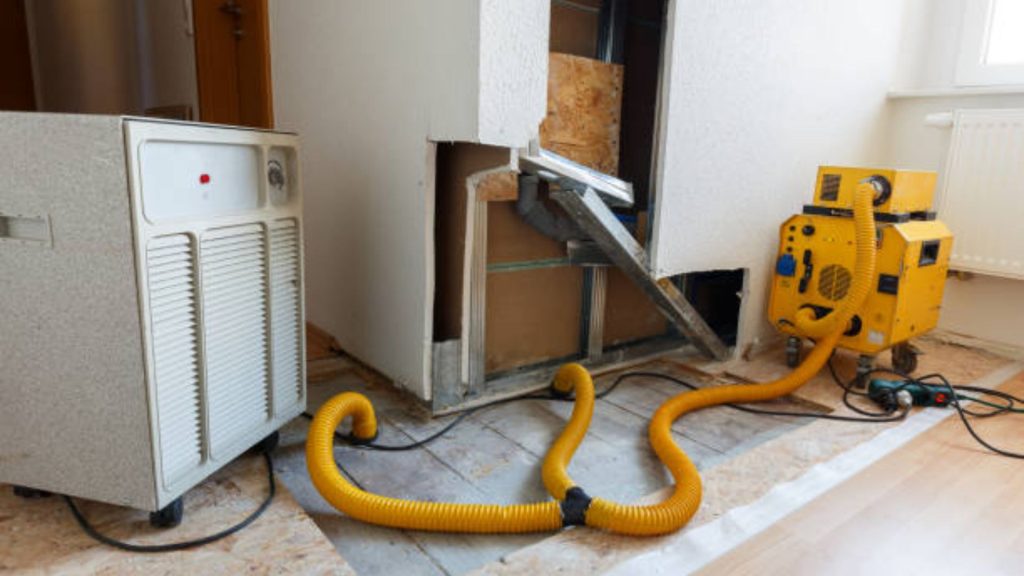
















Living in shared spaces like apartments and condos in Wichita offers a lot of benefits, but it also brings unique challenges—especially when it comes to managing mold. With Wichita’s humid climate, it’s important to keep an eye on how moisture can sneak into communal living areas and create unwanted mold problems. Mold affects not only the look and feel of our spaces but can also impact health and comfort.
Shared spaces demand shared responsibility. Whether it’s keeping lobbies clean, ensuring laundry rooms are dry, or maintaining gym facilities, every resident has a role to play. Simple changes can go a long way in preventing moisture buildup, which is the main culprit behind mold growth. From regular inspections to adopting better habits, keeping mold at bay requires community effort.
In this article, you’ll find practical tips and insights tailored to the specific needs of shared living environments in Wichita. We’ll dive into what you can do daily, point out areas that need extra attention, and uncover when it’s time to bring in professionals. Let’s explore how to keep our Wichita shared spaces mold-free and healthy for everyone.
Understanding Moisture Challenges in Wichita’s Shared Spaces
Wichita’s climate poses unique challenges, especially for those living in shared spaces like apartments and condos. The city experiences hot and humid summers and wet springs, which increase the risk of moisture build-up in communal areas. Excess moisture is a breeding ground for mold, making it crucial for residents and property managers to understand these challenges.
Ventilation often becomes a significant issue in shared living spaces. Apartments and condos may lack proper airflow, especially in areas like hallways and storage rooms. When air doesn’t circulate well, moisture gets trapped, creating a perfect environment for mold to thrive. This lack of ventilation is a common problem in lobbies, basements, and even attics of shared buildings.
Another key factor is communal maintenance. Shared responsibilities like regular cleaning and maintenance can sometimes be neglected, leading to unchecked moisture problems. Leaky pipes, clogged drains, or even poorly sealed windows and doors can allow unwanted moisture to enter, causing mold issues if not addressed swiftly. Understanding these nuances is critical in preventing mold from becoming an issue in Wichita’s shared spaces.
Daily Habits to Keep Shared Spaces Mold-Free
Residents and property managers can take proactive steps to minimize moisture and keep shared spaces mold-free. Adopting certain habits can significantly reduce the risk of mold. Here’s a list of daily actions that can make a difference:
1. Ventilate Regularly: Open windows when possible and use fans in common areas to keep the air flowing. Proper airflow helps dry out damp spaces.
2. Control Humidity Levels: Use a dehumidifier to maintain humidity levels below 60%. This is especially useful in basements and poorly ventilated areas.
3. Clean Frequently: Establish a regular cleaning schedule for common areas like kitchens, bathrooms, and lobbies. Keeping these areas dry will deter mold growth.
4. Inspect for Leaks: Regularly check for leaks around plumbing fixtures and appliances. Promptly repair any leaks to prevent water damage and mold growth.
5. Report Maintenance Problems: Encourage residents to report any issues like leaks or mold sightings immediately to ensure timely repairs and cleaning.
6. Monitor Basements and Attics: These areas tend to be more susceptible to moisture problems, so regular inspections are necessary to prevent issues.
By following these daily habits, residents of Wichita’s shared spaces can work together to keep their environment mold-free. Simple actions, combined with communal responsibility, create a healthier, more comfortable living space for everyone.
Identifying Mold Risks in Common Areas
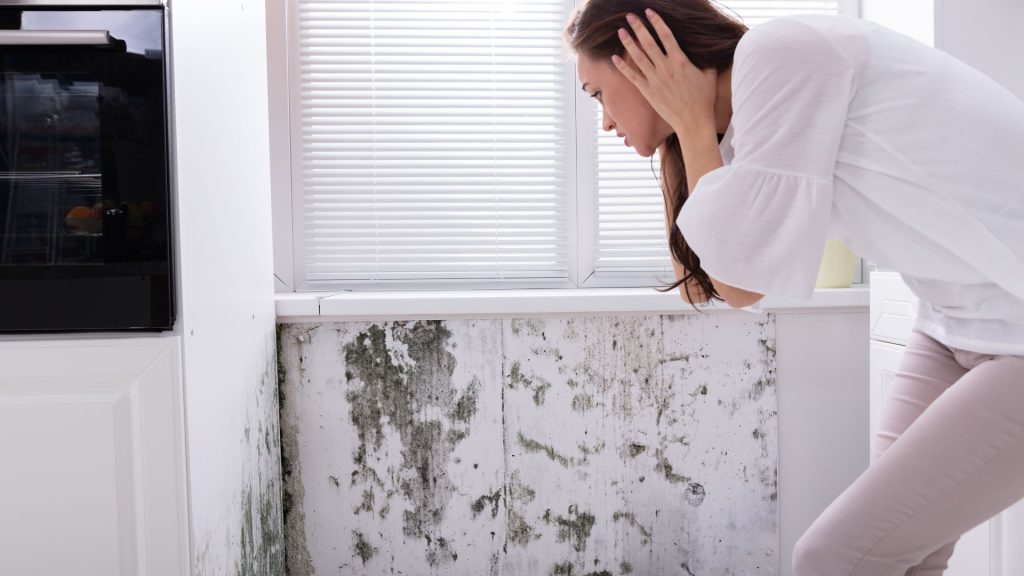
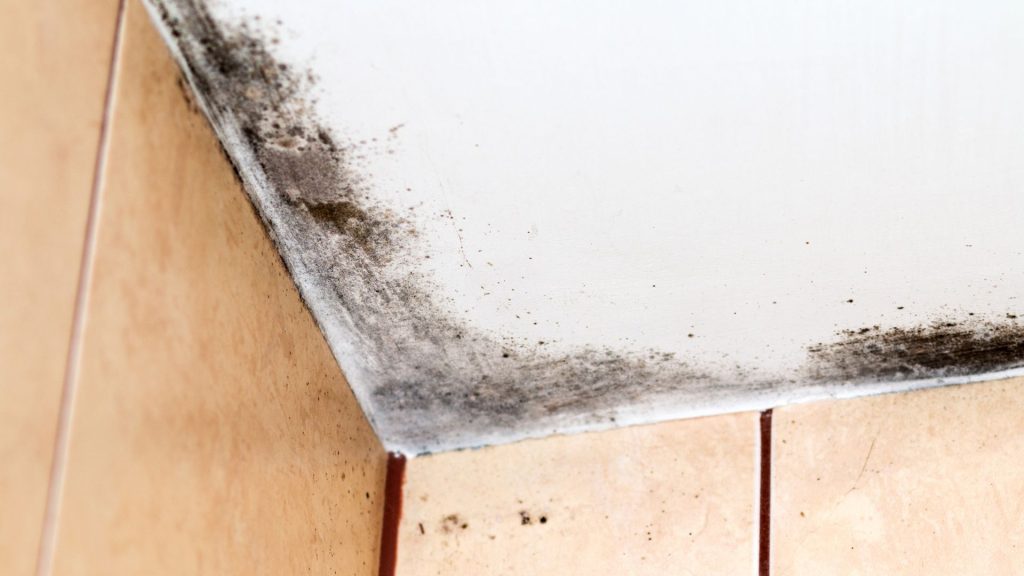
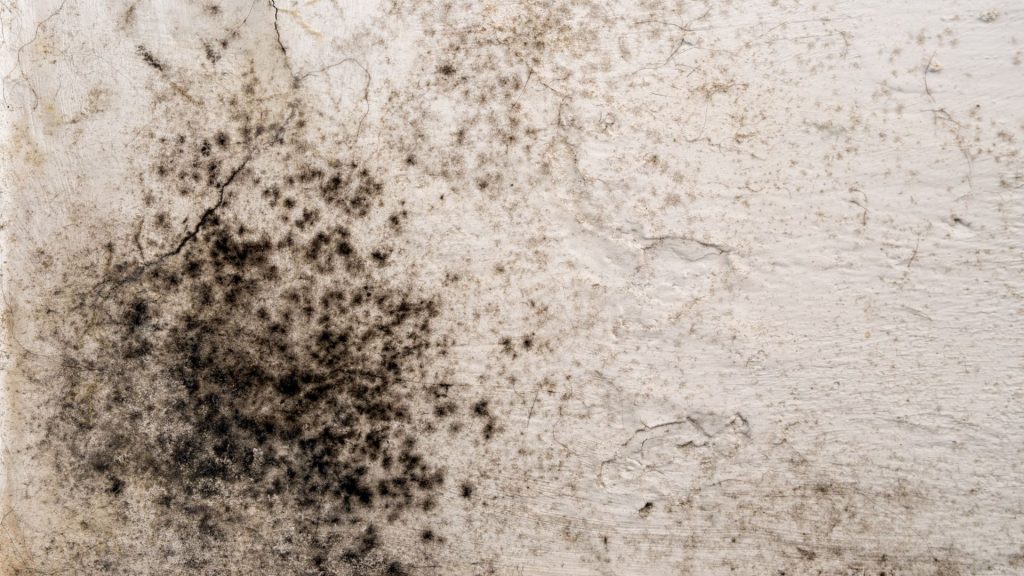
Mold likes to find its home in often hidden or ignored spots in common areas like lobbies, laundry rooms, and gyms. Being able to recognize early signs can prevent bigger problems down the line. The first sign to watch for is a musty smell in these areas. This odor typically indicates hidden mold growing somewhere out of sight. Visible signs include black, green, or brown spots on walls, ceilings, or around windows. Sometimes, mold can even disguise itself as stains or peeling paint.
It’s important for residents to act like detectives when it comes to spotting the early warnings of mold. Regularly inspecting for discolorations, leaks, and especially pooling water can save a lot of hassle. Drainage issues or lingering puddles in basements or parking garages are big red flags. Even condensation on windows can indicate high moisture levels that need to be addressed.
To keep these areas safe and comfortable, everyone should be vigilant. Check bathrooms and shower areas for moldy grout or caulking, and report any suspected issues immediately. Early detection and quick action make all the difference in managing mold risks effectively in shared spaces.
The Importance of Professional Mold Management
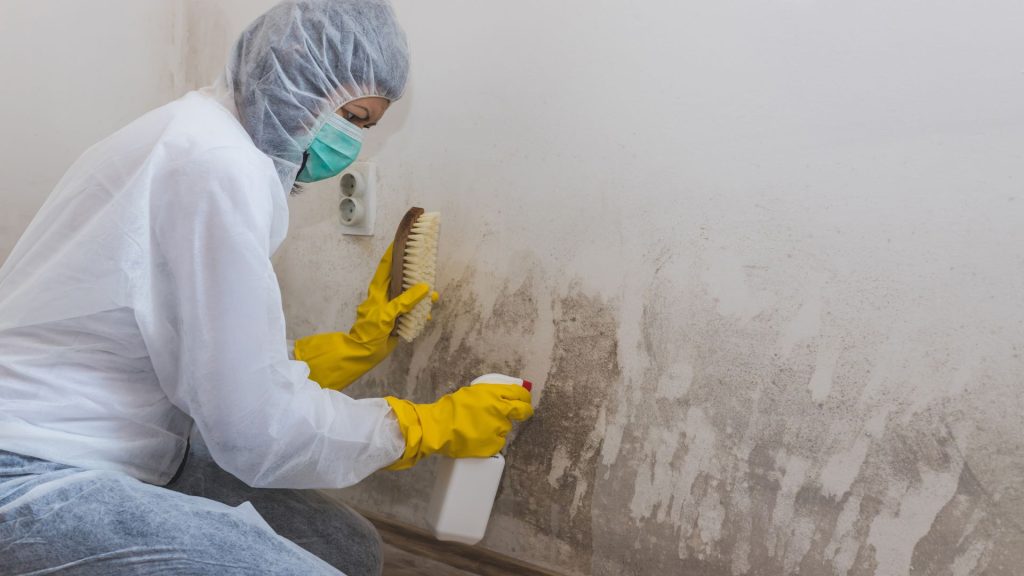
When it comes to mold, professional management services offer peace of mind that personal efforts can’t always guarantee. In shared living spaces, hiring experts for mold assessments and remediation ensures that all corners of the building are addressed thoroughly. Mold can spread quickly and cause structural damage if left untreated, so professional intervention stops the problem before it worsens.
Experts use advanced techniques and tools to identify moisture sources and test for hidden mold, which can’t be accomplished with just a visual inspection. They understand how to safely and completely remove mold, including from HVAC systems, carpets, and other tricky areas where mold loves to hide.
Routine inspections by qualified professionals provide ongoing protection, helping to maintain indoor air quality and prevent mold before it even starts. Investing in these services helps to avoid costly repairs, improves the health of residents, and keeps the property in top condition, making professional mold management a vital aspect of communal living.
Conclusion
Living in Wichita’s shared spaces comes with responsibilities and challenges, especially when it comes to managing mold. Understanding Wichita’s climate and taking preventive actions can significantly reduce mold risks. Simple daily habits, such as maintaining airflow and addressing leaks promptly, contribute to a healthier living environment.
Recognizing early signs of mold and taking immediate action plays a crucial role in prevention. Regular vigilance, combined with professional help, ensures that shared spaces remain welcoming and safe. Professional mold management offers a level of security that individual efforts can’t match, highlighting its importance in maintaining the integrity and health of communal living environments.
Keeping Wichita’s shared spaces mold-free reduces health risks and increases comfort for all residents. Trust FreshCo to handle all your mold management needs. Our expert team is ready to provide comprehensive assessments and professional mold removal that fits your community’s needs. Contact FreshCo today to ensure your shared spaces are safe, healthy, and mold-free.