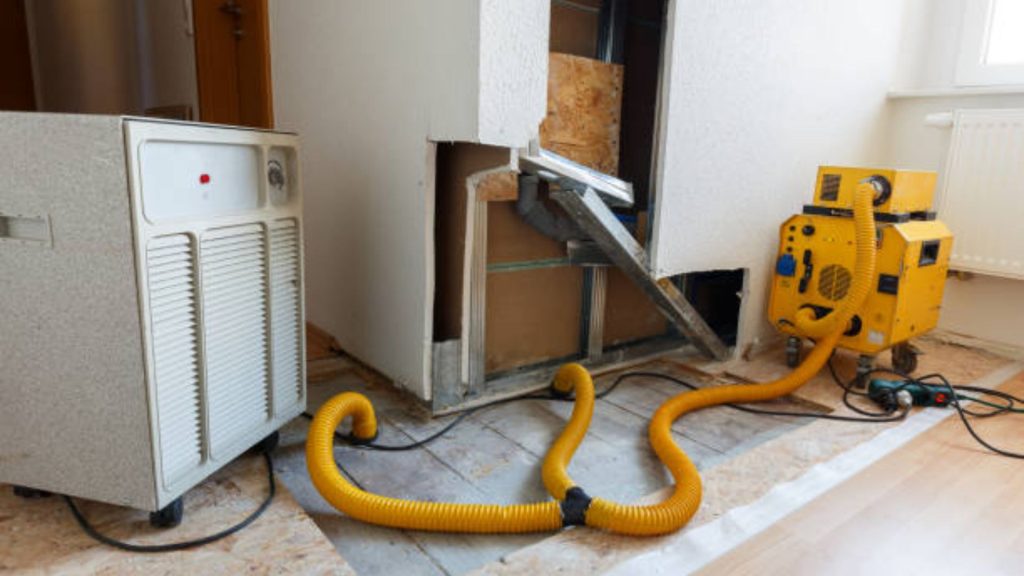















A leaky roof can sneak up on you if you’re not paying attention. It might start small, with a drip here or a stain there, but over time, it can cause real trouble. The roof’s main job is to protect your home, but once water gets past it, you could be looking at damaged ceilings, soaked insulation, and even mold behind the walls. For Derby homeowners, catching roof problems early can stop a water leak from turning into a full cleanup job.
Leaks are easier to deal with when you know what to watch for. From odd smells to mystery water spots on the ceiling, small signs often point to bigger issues. Knowing these warning signs can help you take action before things get worse. Summer in Kansas brings a mix of dry heat and pop-up storms, so it’s a good time to keep an eye on your roof and make sure it’s holding up like it should.
Stains on Ceilings and Walls
One of the easiest signs to spot inside your home is water stains. If you notice patches of yellow or brown spreading across your ceiling or dripping down the walls, they probably didn’t show up on their own. Water has likely found its way through your roof and is pooling in areas it shouldn’t be.
Discoloration can look different depending on the material and how long the water has been sitting. Sometimes you’ll see a darker outer ring with a lighter spot in the middle. It might start out small, then grow with every rainstorm. If the stain changes shape or more spots appear nearby, your leak is probably getting worse.
Even if you don’t see active dripping, those stains point to a bigger roofing problem. Water doesn’t always travel straight down; it can move along rafters, insulation, or even behind walls. That’s why waiting too long to deal with a stain could lead to soggy drywall or even mold.
Ignoring these signs could mean more repair work down the line. If you live in an older home in Derby, or if there’s been a recent storm, it’s smart to get it looked at before the next heatwave or rain rolls through.
Dripping or Pooling Water
Drips of water inside your home should always raise a red flag. Even if it’s just a slow drip from the ceiling—say in the hallway or near a light fixture—it still means there’s an opening somewhere above. Some people notice small puddles forming near walls or windows after a storm. Others hear a steady tapping noise but can’t quite place where it’s coming from. Both are signs that water is coming in and collecting inside the structure of the home.
Here are a few spots where you might notice dripping or pooling:
– Corners of upper-level rooms, especially after heavy rain
– Underneath attic vents or ceiling fans
– Near chimneys, skylights, or dormers
– On window sills that line up with roof intersections
If you set out a bucket once or twice, the problem won’t just go away. The longer you leave water dripping into your home, the greater the chance of mold, rot, or structural issues. Waiting could also take a simple patch job and turn it into a full roof replacement.
Catch these signs early, and you may be able to avoid widespread damages. If your home starts showing leaks, especially during summer storms here in Derby, don’t brush them off. It won’t fix itself.
Musty Odors and Mold
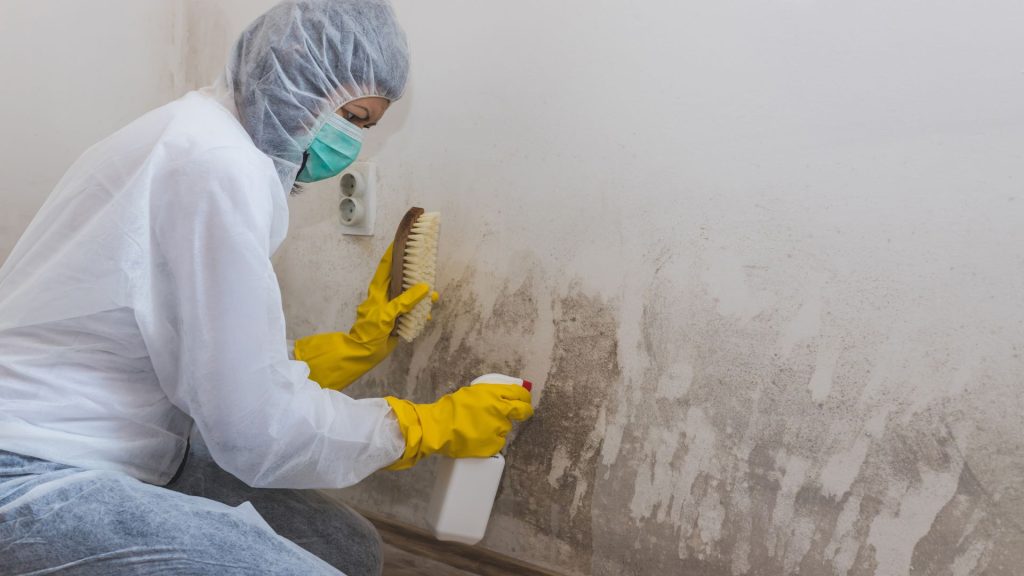
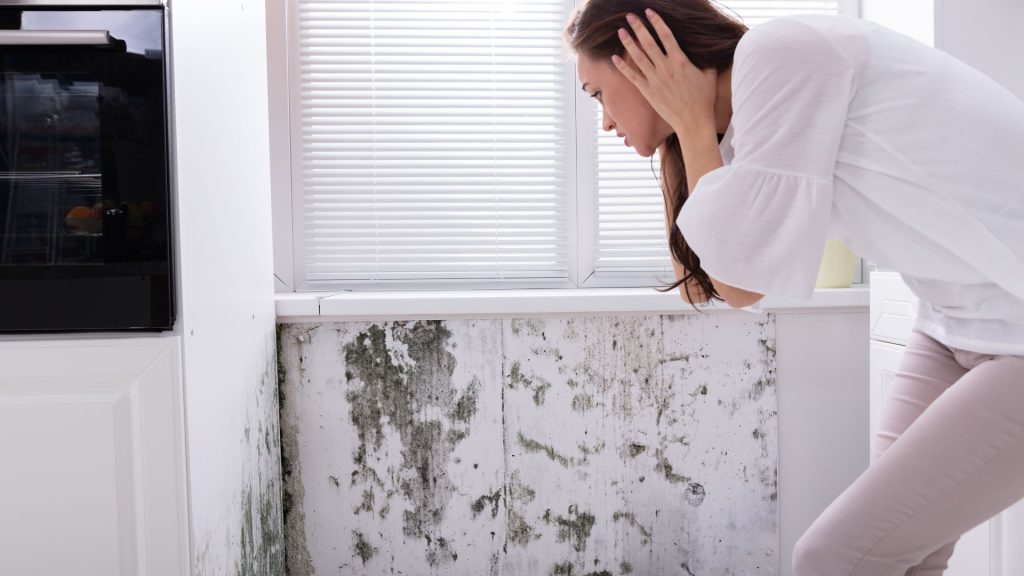
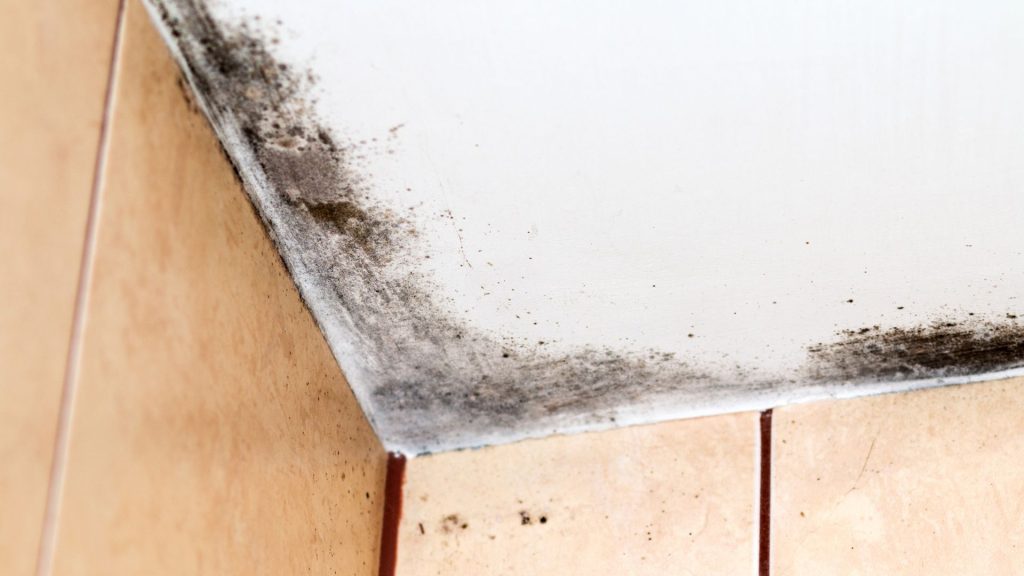
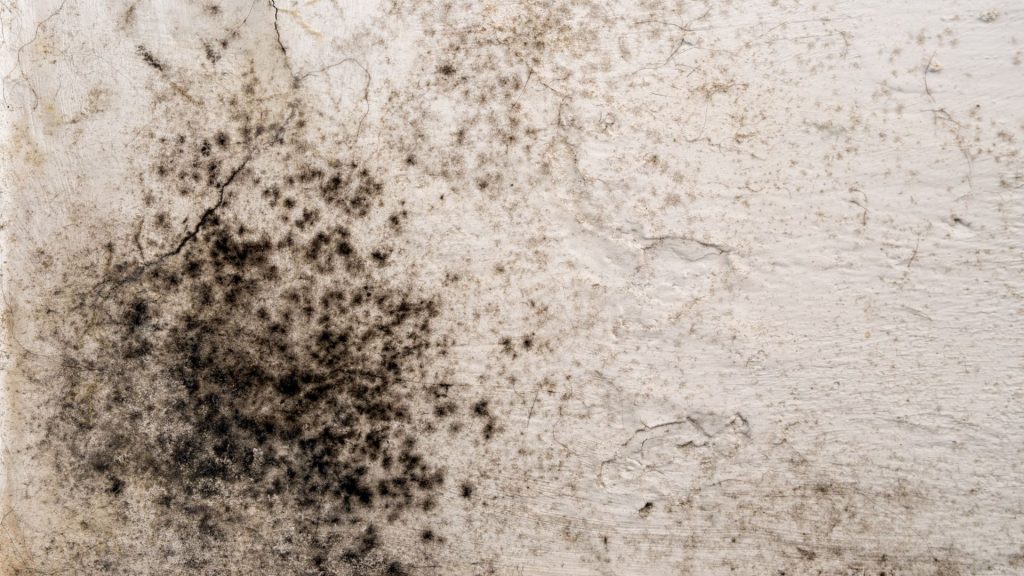
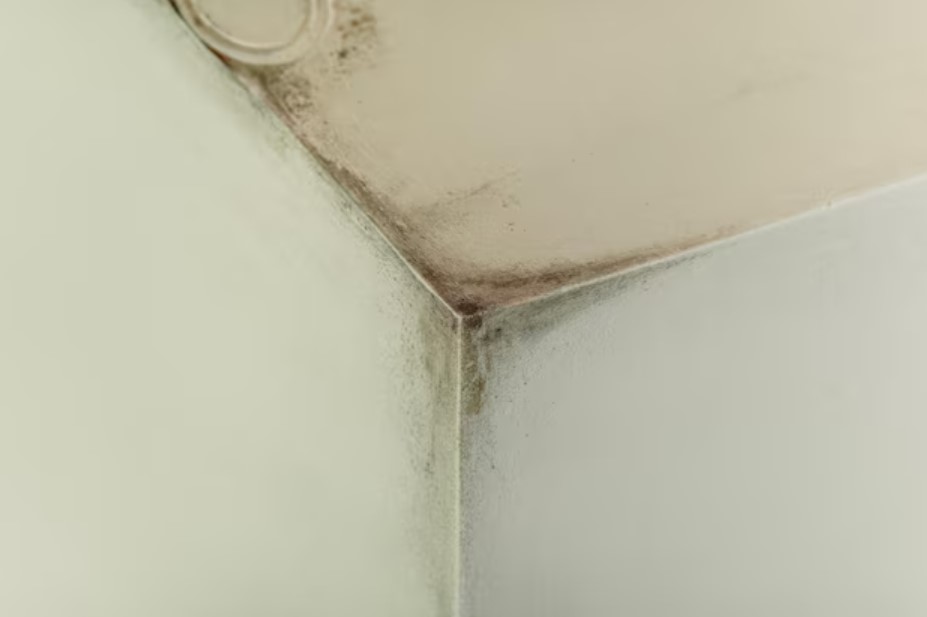
A leaky roof doesn’t just lead to visible damage. It can also be the culprit behind those musty odors lingering in a room. When moisture makes its way into your home and stays trapped, it creates the perfect environment for mold to grow. Mold spores thrive in damp and dark conditions, often hiding behind walls or under insulation where they aren’t immediately noticeable.
Mold isn’t just a nuisance with its unpleasant smell. It poses a risk to your health too. Respiratory issues, aggravated allergies, and other health problems can arise from prolonged exposure, especially if anyone in the home already has a condition like asthma. If you catch a musty smell that just won’t go away and it’s not time to clean out the fridge, it might be time to investigate the roof.
Here’s what to consider when dealing with musty odors:
– Check for visible mold around windows, particularly after a storm
– Inspect attics and basements for any unusual spots or smells
– Be cautious if family members start experiencing unexplained allergic symptoms
Consulting with professionals for mold inspection and remediation can tackle the root problem while keeping your home safe and healthy. Disregarding these signs can lead to long-term health issues and more costly repairs down the road.
Damaged or Missing Shingles
Stepping outside and taking a good look at your roof can tell you quite a bit. Notice any shingles that are cracked, curled, or even missing? Over time, even the sturdiest shingles suffer wear and tear. Exposure to rough weather like hail or high winds in Derby takes a toll, and what begins as minor damage can develop into larger gaps that invite leaks.
Shingles shield your home from water and debris. When they’re compromised, it’s only a matter of time before moisture finds its way in. Damaged shingles often signal aging or weaknesses in the roofing material, so early detection is key to tackling problems before they escalate.
To check on your shingles:
– Walk around your yard and look for any sign of fallen or broken shingles
– Use binoculars to inspect your roof without needing to climb up
– Pay extra attention after a severe storm passes through
When you notice roof issues, it’s important to call in the professionals to assess whether repairs or replacement is the best route. Acting quickly prevents further damage and helps maintain your home’s protection against the elements.
Higher Energy Bills
Rising energy bills can be a less obvious sign of roofing issues. If your energy costs are climbing without obvious causes like increased usage, it might be worth checking your roof for damage. Leaks or poor insulation due to gaps can disrupt your home’s balance, causing HVAC systems to work harder and lose efficiency.
The role of a well-maintained roof goes beyond just blocking out water. It also acts as a layer of insulation. When compromised, it introduces drafts and affects temperature control, leading to higher utility costs. Seasonal shifts, especially the summer heat in Kansas, put extra pressure on HVAC systems when the roof is not holding up properly.
Signs your roof may be behind those bills include:
– Noticeable drafts near ceilings or attic spaces
– AC running more than usual to maintain indoor temperature
– Differences in temperature in different rooms suggesting poor insulation
Before dismissing those rising bills as weather-related, have your roof checked by a professional. Making sure your roof is airtight and well-insulated can keep your home more comfortable and energy-efficient throughout the summer.
Protect Your Derby Home From Roof Leaks
Recognizing the warning signs of a leaky roof helps you act fast and protect your home from serious damage. Whether it’s dark stains on the ceiling, unexplained drips, or a creeping musty smell, addressing these issues promptly is important. Damaged or missing shingles demand immediate attention, just as unusually high utility bills should prompt a full inspection.
Staying aware of your roof’s condition helps you avoid unpleasant surprises and expensive repairs later. Bringing in experienced professionals to handle roof evaluations and repairs means the problem is resolved completely. By acting early, you can help prevent deeper interior damage and stay ahead of future maintenance needs in your Derby home.
Keep your Derby home protected from unwanted surprises by addressing potential issues promptly. Leaky roofs can lead to significant problems if not tackled early. If you’re concerned about how these leaks might impact your home, professional help with water damage cleanup can make all the difference. Count on FreshCo to ensure your property remains safe and well-maintained through all seasons.