














As a Kansas homeowner, you might face the challenging task of dealing with mold. Mold growth poses not only aesthetic concerns but also potential health risks and structural damage to your home. Early detection and proper handling are crucial to maintaining a healthy living environment and minimizing the impact of mold on your home’s structural integrity.
In this comprehensive guide, we will delve into various aspects of mold management, exploring topics such as the causes of mold growth, its health risks, and effective techniques for mold remediation.
By understanding the nature of mold growth and implementing appropriate remediation and prevention strategies, you can better safeguard your home and family from the potential hazards that mold presents.
1. The Health Risks Associated with Mold Growth
Mold growth in your home may lead to a variety of health issues, particularly for individuals with allergies or weakened immune systems. Common health problems associated with mold exposure include:
– Respiratory issues: Breathing difficulties, wheezing, chest tightness, and coughing are common symptoms experienced by those with mold allergies.
– Irritation: Mold exposure can cause irritation to the eyes, nose, throat, and skin in sensitive individuals.
– Asthma exacerbation: Mold can trigger asthma attacks in people with the condition, leading to additional respiratory complications.
– Immunocompromised risks: For those with weakened immune systems, mold exposure may result in severe reactions or even fungal infections.
2. Common Causes of Mold Growth in Kansas Homes
Mold growth thrives in moist environments, making it essential to recognize and address the common causes of excessive moisture in your home:
– Water leaks: Plumbing leaks, roof leaks, or damaged window seals can lead to moisture accumulation and subsequent mold growth.
– Poor ventilation: Inadequate airflow, especially in high-humidity areas such as bathrooms and kitchens, can create a breeding ground for mold.
– Flooding: Water intrusion from heavy rain or indoor floods can result in serious mold issues if not promptly addressed.
– Humidity: High indoor humidity levels, often caused by insufficient dehumidification or poor ventilation, can contribute to mold growth.
3. Tips for Identifying Mold in Your Living Space
Early detection is critical to effective mold remediation. Keep an eye out for these signs of mold growth in your Kansas home:
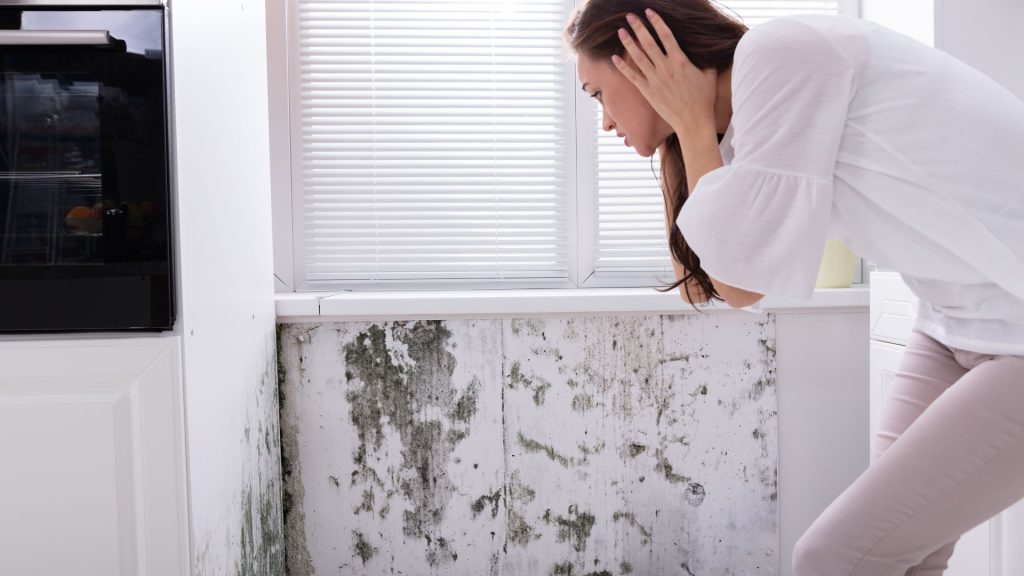
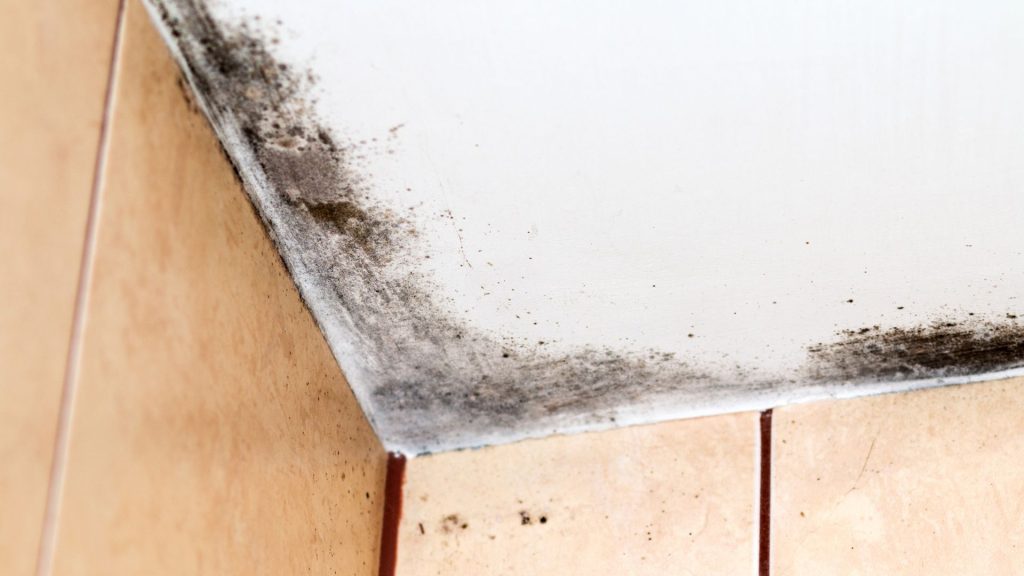
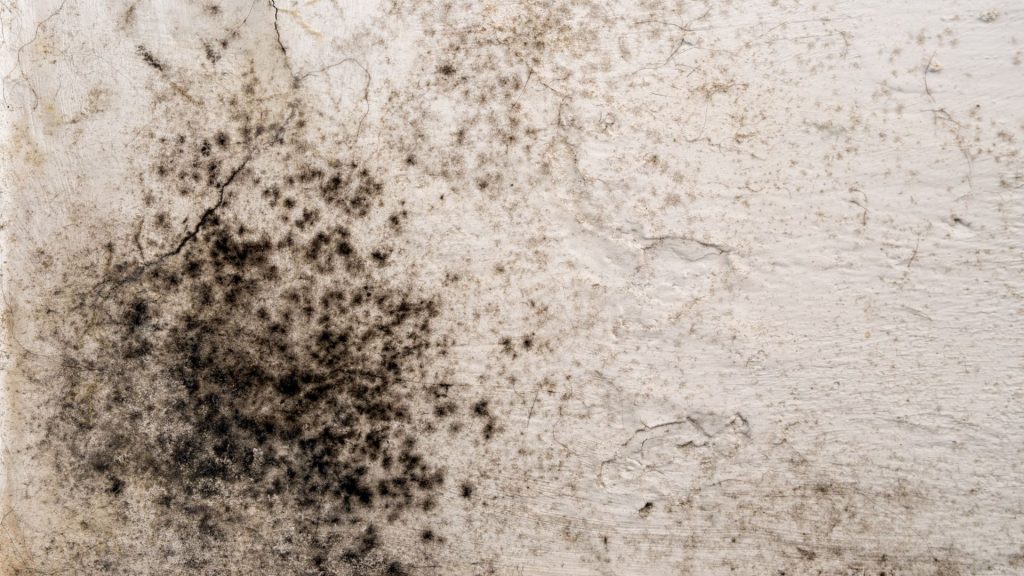
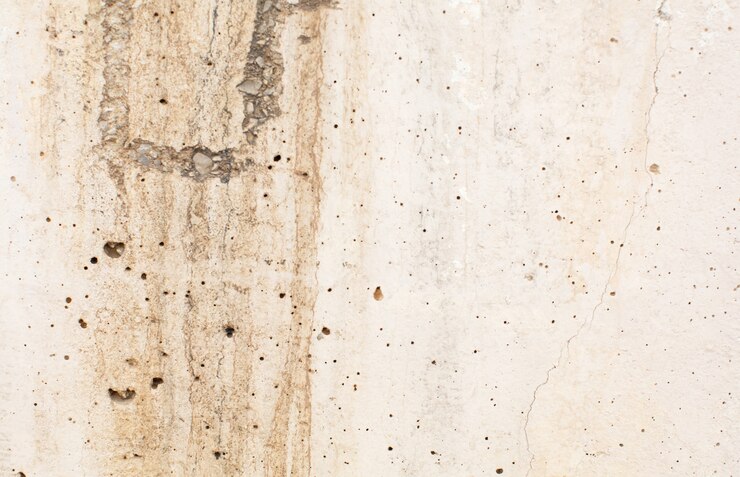
– Visible growth: Look for discoloration or fuzzy growth on surfaces, which may be black, green, white, or grayish in color.
– Musty odors: Persistent musty smells can indicate the presence of hidden mold growth in walls, ceilings, or flooring.
– Allergic symptoms: If you or your family members experience unexplained allergic reactions while indoors, it could signal a potential mold issue.
– Humidity or moisture issues: High humidity levels, condensation on windows, or signs of water damage may indicate an environment conducive for mold growth.
4. Effective Mold Remediation Techniques
Once you’ve identified mold growth in your home, it’s crucial to implement appropriate remediation techniques:
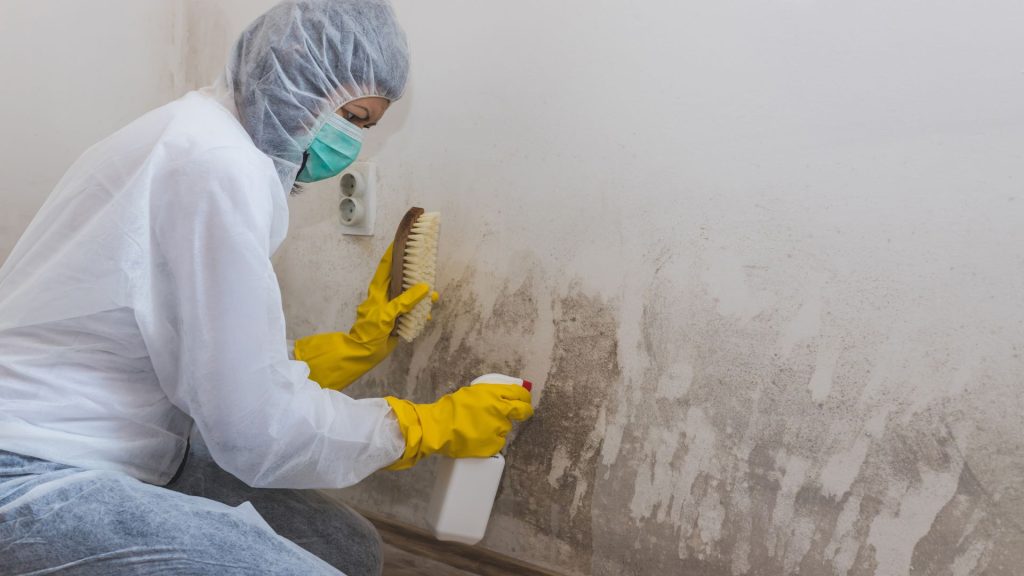
– Small-scale mold cleaning: For minor mold growth on hard, non-porous surfaces, use a solution of soap and water or a mixture of one-part bleach to ten parts water. Be sure to wear protective gear, such as gloves and a mask, while cleaning.
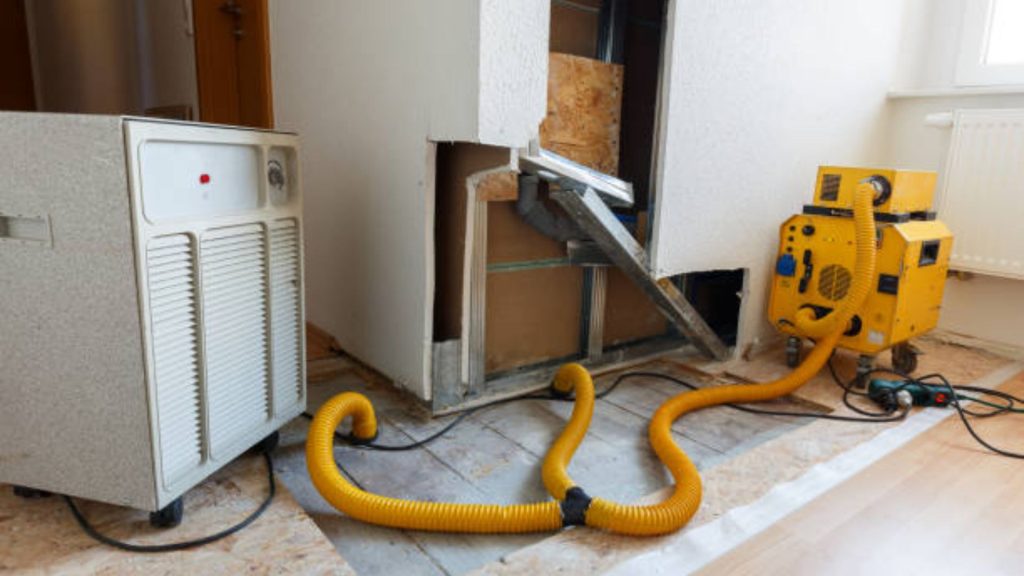
– Professional remediation: If you’re dealing with extensive mold growth or mold on porous, absorbent materials, it’s vital to seek professional assistance. Remediation experts have the necessary tools, techniques, and experience to effectively remove mold and perform thorough cleaning, sanitization, and disposal of contaminated materials.
– Address the underlying cause: Regardless of the scale of mold growth, it’s crucial to address the root cause of the problem, such as fixing leaks or improving ventilation, to prevent future mold growth.
5. Preventative Measures to Keep Mold at Bay
After addressing your home’s mold issues, implement these strategies to maintain a mold-free living environment:
– Keep indoor humidity levels between 30% and 50%.
– Regularly inspect for leaks, condensation, or water damage in your home.
– Ensure your home is properly ventilated, particularly in high-humidity areas such as bathrooms, laundry rooms, and kitchens.
– Install exhaust fans where appropriate to remove excess moisture.
– Invest in dehumidifiers or air purifiers with integrated humidity control.
– Routinely clean and maintain your home’s gutters and drainage systems.
Protect Your Kansas Home and Family from Mold Growth
By proactively addressing and preventing mold growth in your Kansas home, you can safeguard your family’s health and preserve the structural integrity of your living environment. Implementing effective mold remediation strategies and preventative measures will ultimately contribute to a cleaner, healthier, and more comfortable home.
For expert assistance in handling mold issues, trust our team at FreshCo. With a specialized focus on mold prevention, crawlspace encapsulation, foundation repair, and water damage solutions, combined with our unwavering commitment to excellence, we are well-prepared to offer tailored, successful strategies for maintaining the health and integrity of your Kansas home.
Contact us today to discuss mold removal in Hutchinson, KS!