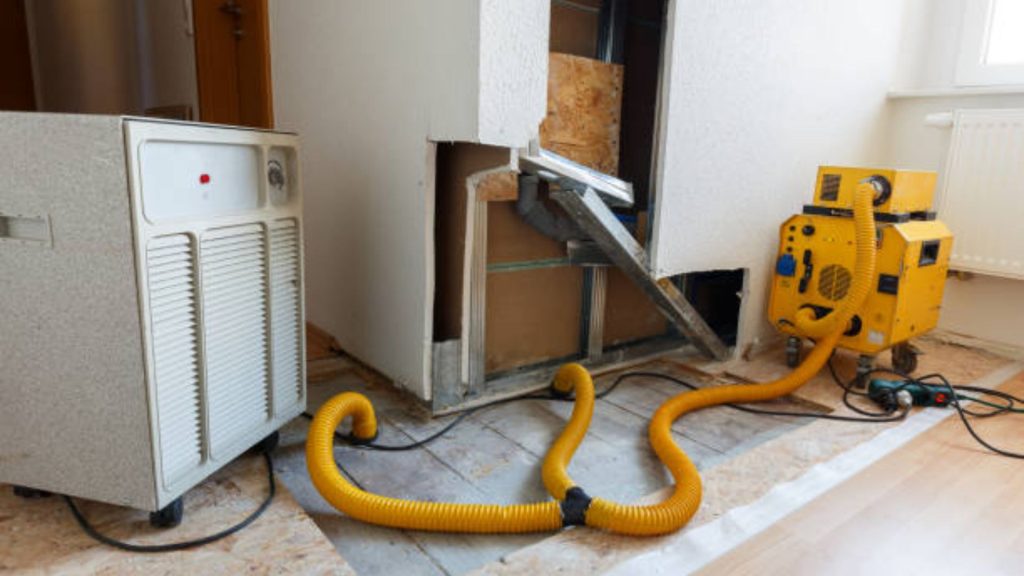
















Winter in Hutchinson, KS can be harsh, and one of the main concerns for homeowners is managing water in their basements. As temperatures drop, the risk of ice and snow causing water problems in your basement increases. Frozen pipes can burst, and melting snow can seep into your basement, leading to serious water damage. Being prepared can help you avoid these costly issues and keep your home safe during the winter months.
Water in your basement is more than just a nuisance. It can cause structural damage, ruin your belongings, and even foster mold growth, which can affect your health. Understanding the causes of basement water problems and knowing what signs to look out for can help you take action quickly. This minimizes damage and reduces the need for extensive repairs.
Having a reliable water removal service on hand is crucial. They can respond quickly and efficiently, ensuring your basement is cleared of water and fully dried to prevent further issues. In this guide, we’ll explore the common causes of basement water problems in winter, signs that your basement needs professional water removal, how to choose the right service, and preventative measures to protect your basement from water damage.
Common Causes of Basement Water Problems in Winter
Winter brings specific water problems that can affect your basement. Understanding these causes can help you prevent them.
1. Frozen Pipes: When temperatures drop, the water in your pipes can freeze. This makes the pipes expand and eventually burst, causing water to flood into your basement. Properly insulating your pipes and keeping your home’s temperature consistent can help prevent this.
2. Snowmelt: As snow accumulates around your home, it can eventually melt and seep into your basement. This is especially true if your home’s foundation has cracks or if your gutters and downspouts are not properly directing water away from your home. Regularly check and repair any damage to your home’s foundation and ensure gutters are clear and functional.
3. Poor Drainage Systems: During winter, ice and snow can block your home’s drainage systems, including your sump pump. When these systems fail, water can accumulate and flow into your basement. Maintain your drainage systems by clearing any debris and conducting regular inspections.
4. Condensation: Cold outdoor air and warm indoor air can create condensation on basement walls and floors. This moisture can lead to water problems, including mold growth. Using dehumidifiers and improving basement ventilation can help manage condensation levels.
Signs Your Basement Needs Water Removal
Knowing the signs that indicate your basement needs water removal can save you from significant damage. Here are the key indicators:
1. Pooling Water: One of the most obvious signs is standing water on your basement floor. Pooling water often means there’s a serious leak or drainage problem that needs immediate attention.
2. Damp Walls and Floors: If your basement walls and floors feel damp or cold to the touch, it could mean water is seeping in. Look for areas of discoloration as well, which can indicate moisture buildup.
3. Musty Odors: A persistent musty smell in your basement is a strong indicator of water problems. Moisture creates an environment where mold and mildew thrive, causing that characteristic odor.
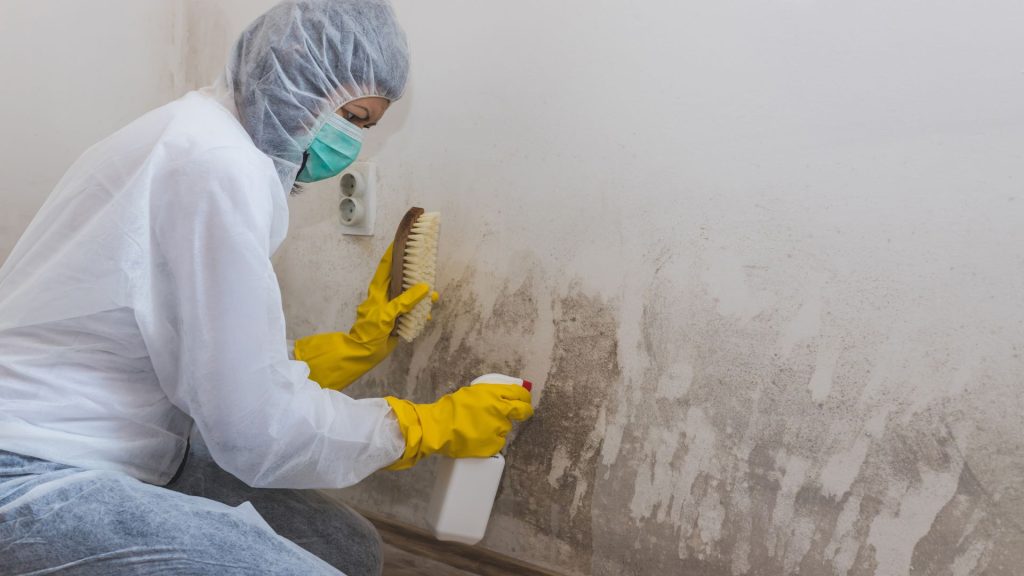
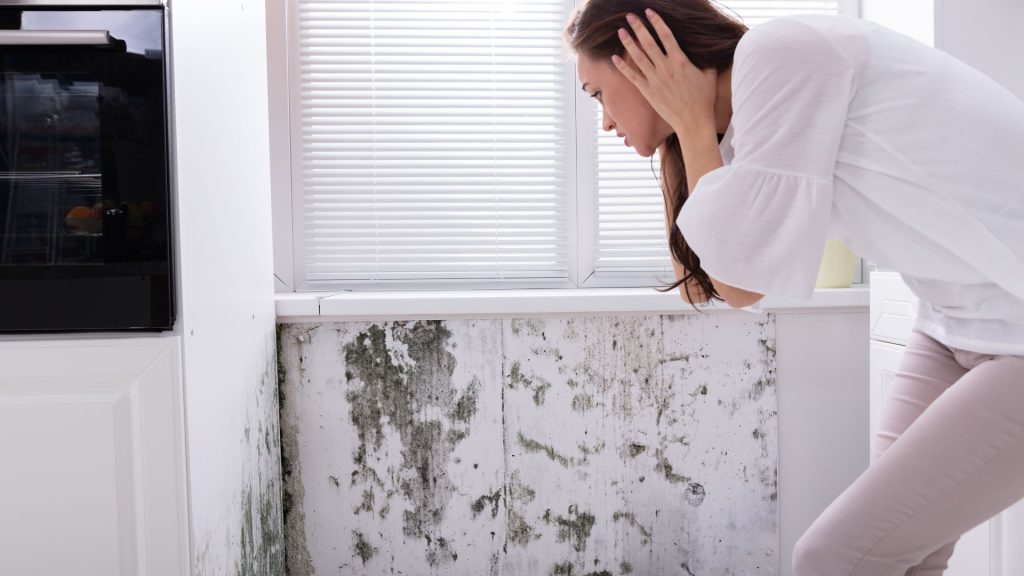
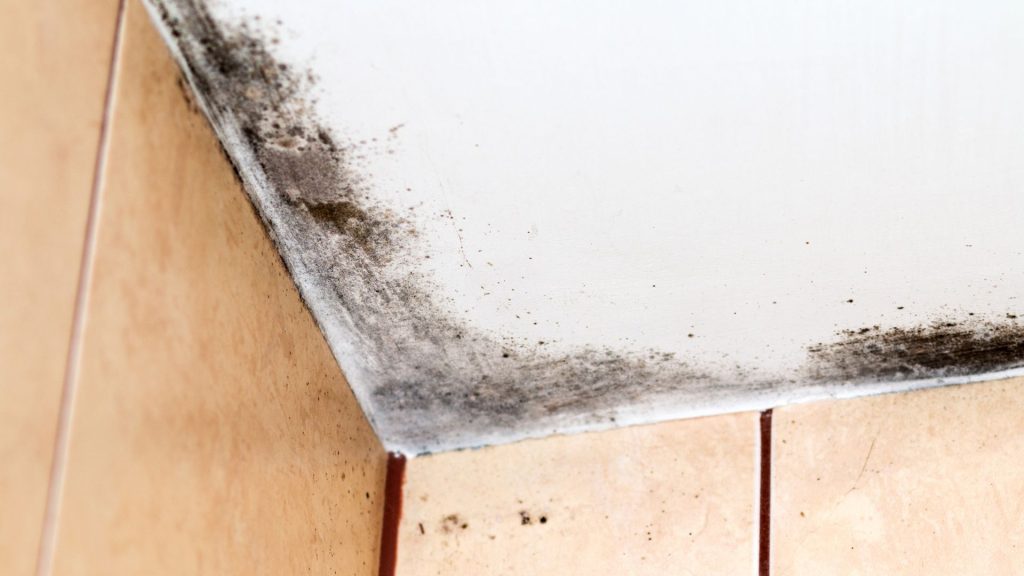
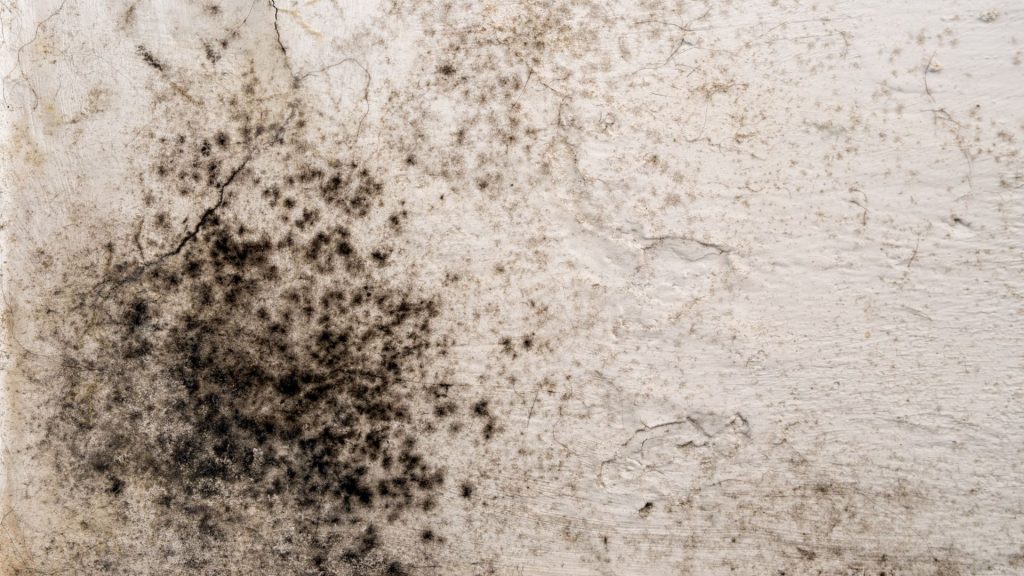
4. Mold Growth: Spotting mold or mildew in your basement is a clear sign you need water removal services. Mold can appear in various colors, including black, green, and white. It’s important to address mold immediately, as it can cause health problems.
5. Efflorescence: This is a chalky white substance that appears on basement walls. Efflorescence occurs when water evaporates and leaves behind mineral deposits. This indicates that moisture is penetrating your basement walls.
6. Increased Humidity: If your basement feels unusually humid, even if you can’t see water, it might have a hidden moisture problem. Use a hygrometer to measure humidity levels, and consider using a dehumidifier.
By recognizing these signs early, you can address water issues before they become major problems, preventing costly repairs and maintaining a safe living environment.
Choosing the Right Water Removal Service
Selecting the right water removal service is key to effectively managing basement water problems. Here are some qualities to look for:
1. Experience and Certification: A reputable service will have experienced professionals who are certified in water damage restoration. This ensures they follow industry standards and best practices.
2. 24/7 Availability: Water emergencies can happen at any time. Choose a service that offers round-the-clock availability to address issues promptly and reduce damage.
3. Comprehensive Services: The best water removal services offer more than just water extraction. Look for a company that provides moisture detection, drying, and mold remediation to fully resolve the issue.
4. Good Reviews and Recommendations: Check online reviews and ask for recommendations from friends and family. Positive feedback from past clients can give you confidence in their quality and reliability.
5. Clear Communication: Choose a service that explains their process clearly and provides a detailed estimate upfront. Good communication ensures you understand the work being done and what to expect.
6. Proper Equipment: Effective water removal requires specialized equipment. Ensure the company uses high-quality tools for water extraction, drying, and dehumidifying.
Preventative Measures to Avoid Water Damage in Your Basement
Preventing water damage in your basement involves taking proactive measures. Here are steps you can take to protect your home:
1. Insulate Pipes: Insulate pipes in unheated areas to prevent them from freezing and bursting. Pipe insulation is a simple, cost-effective way to maintain water flow during cold weather.
2. Maintain Gutters and Downspouts: Keep gutters and downspouts clean and free of debris. Make sure downspouts direct water away from your home’s foundation to prevent water from seeping into your basement.
3. Seal Cracks and Gaps: Inspect your home’s foundation for cracks and seal them with waterproof caulk. Even small cracks can let water in, so address them promptly.
4. Install a Sump Pump: A sump pump helps remove water that collects in your basement. Consider installing a battery backup system to ensure it works during power outages.
5. Improve Drainage: Ensure the ground around your home slopes away from the foundation. Proper grading prevents water from pooling near your home and entering the basement.
6. Use Dehumidifiers: Keep a dehumidifier in your basement to control humidity levels. This helps prevent condensation and reduces the risk of mold growth.
7. Regular Inspections: Conduct regular inspections of your basement and home exterior. Look for signs of water damage or potential problem areas, and address any issues right away.
Conclusion
Winter brings unique challenges that can lead to basement water problems. Understanding the common causes and early signs of water issues can help you address them quickly. Choosing the right water removal service ensures your basement is properly dried and protected against further damage. Taking preventative measures can significantly reduce the risk of water damage, keeping your home safe and dry throughout the winter months.
If you’re facing basement water issues or want to take steps to prevent them, FreshCo is here to help. Contact us today to schedule an inspection or request emergency water removal services. Let us help you keep your Hutchinson, KS home safe and dry this winter.