














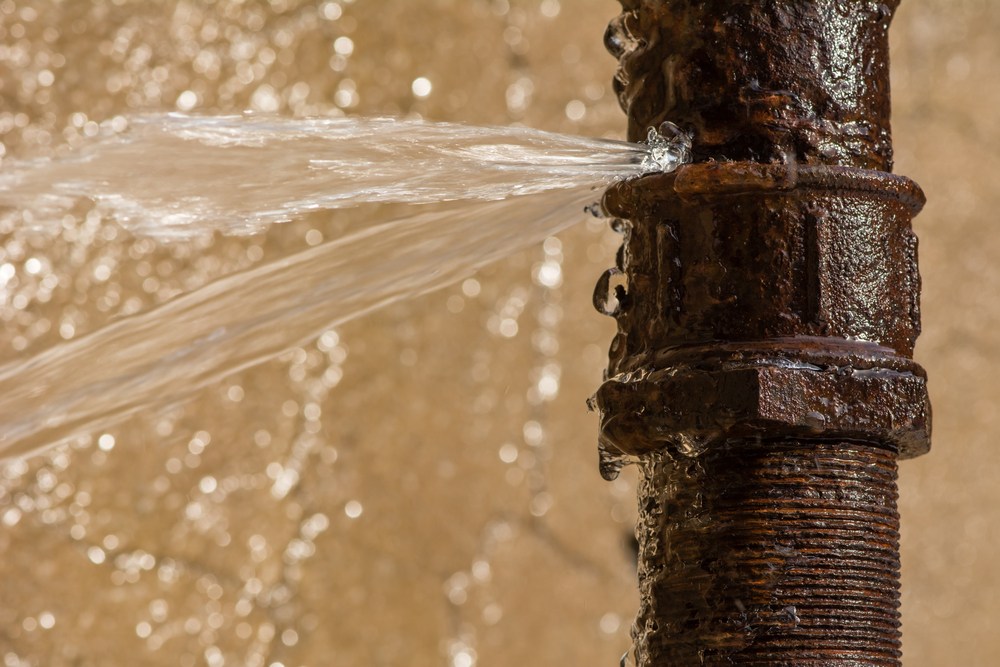
Winter can bring a unique set of challenges for homeowners, especially when it comes to dealing with burst pipes. Cold temperatures can cause water inside your pipes to freeze and expand, leading to cracks and bursts. This can result in significant water damage if not dealt with quickly and effectively. Knowing how to identify the signs of burst pipes and taking immediate action can help you minimize the damage.
Managing water damage from burst pipes involves more than just mopping up the water. It requires a strategic approach to rapidly dry out the affected areas and prevent long-term issues like mold and structural damage. Having a plan in place is crucial for any homeowner facing this common winter problem.
In this guide, we’ll cover everything you need to know about handling burst pipes and rapid water dry outs. From identifying the early warning signs to using the right tools and supplies, you’ll learn how to protect your home from further damage. Follow these steps to manage the situation effectively and ensure your home remains safe and dry during the winter months.
Identifying the Signs of Burst Pipes and Immediate Actions to Take
One key sign of a burst pipe is a sudden drop in water pressure. If you turn on a faucet and notice very little water coming out, it could mean a pipe has burst. Another warning sign is unusual noises coming from your pipes. A loud bang or gurgling sound might indicate a rupture.
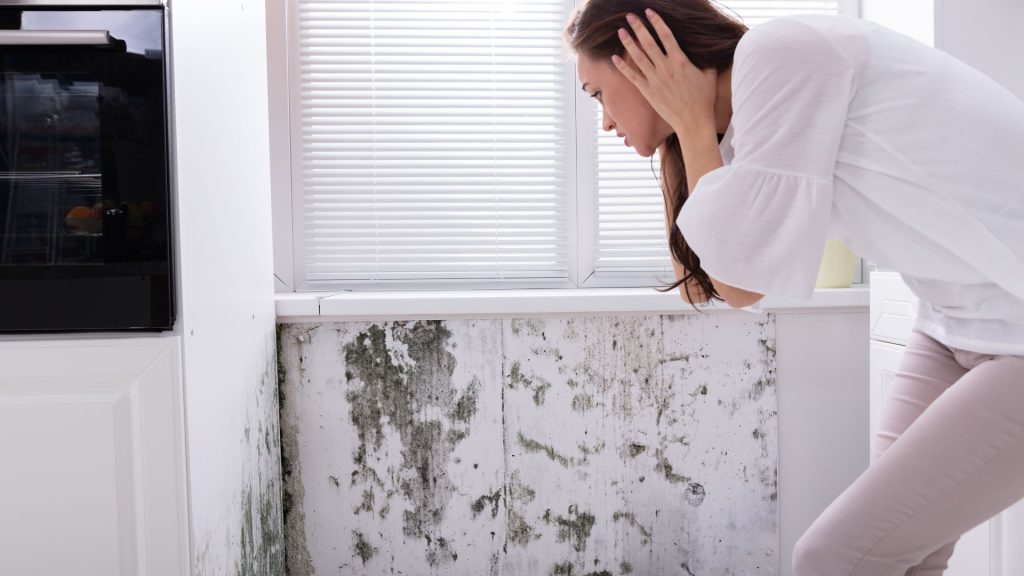
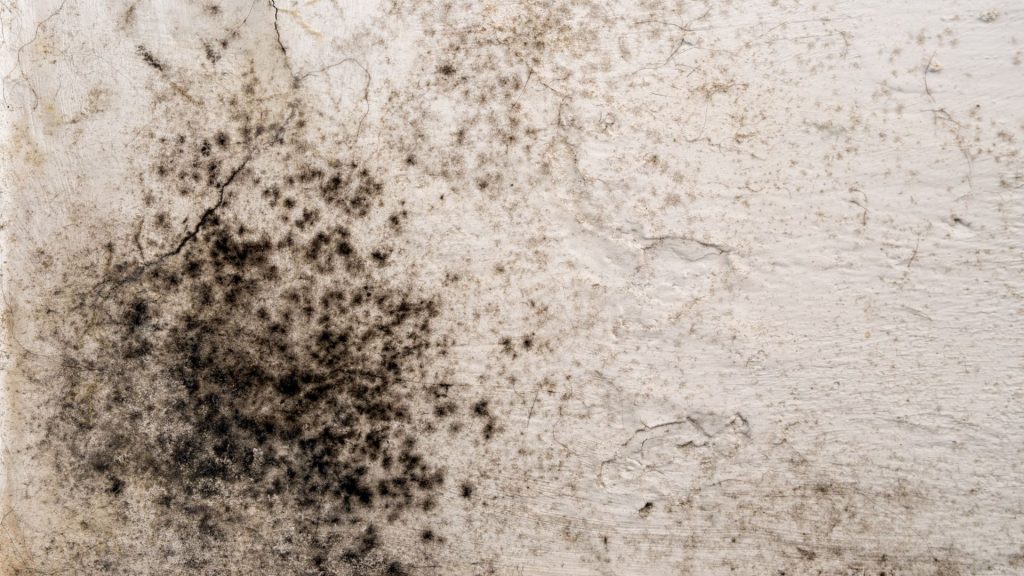
If you see water stains on walls, ceilings, or floors, take action immediately. These stains can signal hidden leaks from burst pipes. Standing water or puddles in unexpected areas like your basement or under sinks is another clear indicator.
Once you identify a burst pipe, take these immediate actions:
1. Shut Off the Main Water Valve: This stops the flow of water and minimizes flooding. Most homes have a main water shut-off valve located in the basement or near the water heater.
2. Turn Off Electricity to Affected Areas: Water and electricity are a dangerous mix. To avoid hazards, switch off the electricity in the areas most impacted by water.
3. Drain the Pipes: Open all faucets to drain the water from the pipes. This helps reduce the amount of water leaking into your home.
4. Document the Damage: Take photos and notes of the affected areas. Documentation may be useful for insurance claims and for when you seek professional help.
Step-by-Step Guide to Rapid Water Dry Out
Removing water quickly is crucial to minimize damage. Here’s how to dry out your home effectively:
1. Remove Standing Water: Use a wet/dry vacuum to suck up as much standing water as you can. Removing this water quickly helps reduce damage to floors and walls.
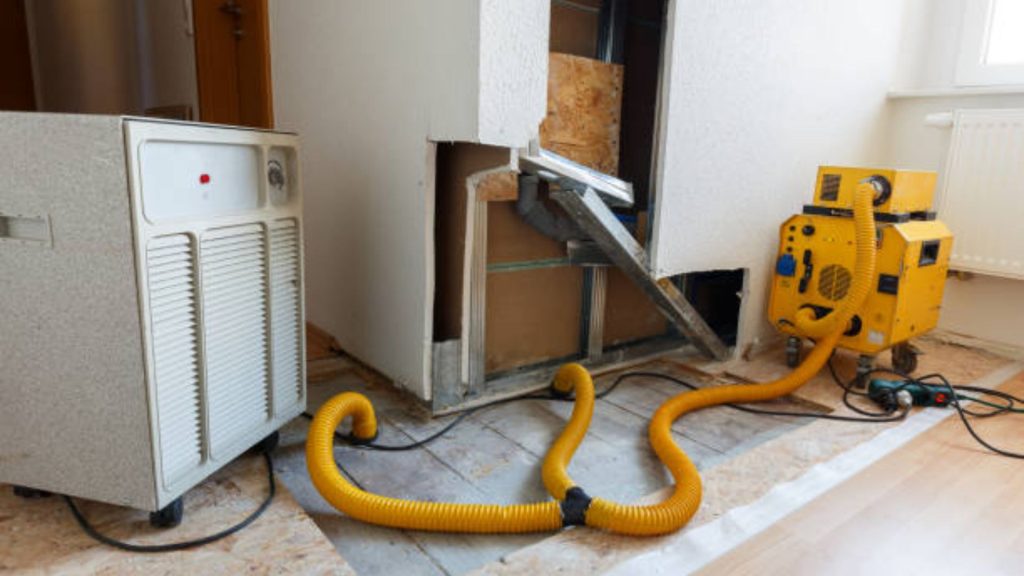
2. Use Fans and Dehumidifiers: Place fans around the wet areas to circulate air and dry surfaces faster. Dehumidifiers help remove moisture from the air, speeding up the drying process.
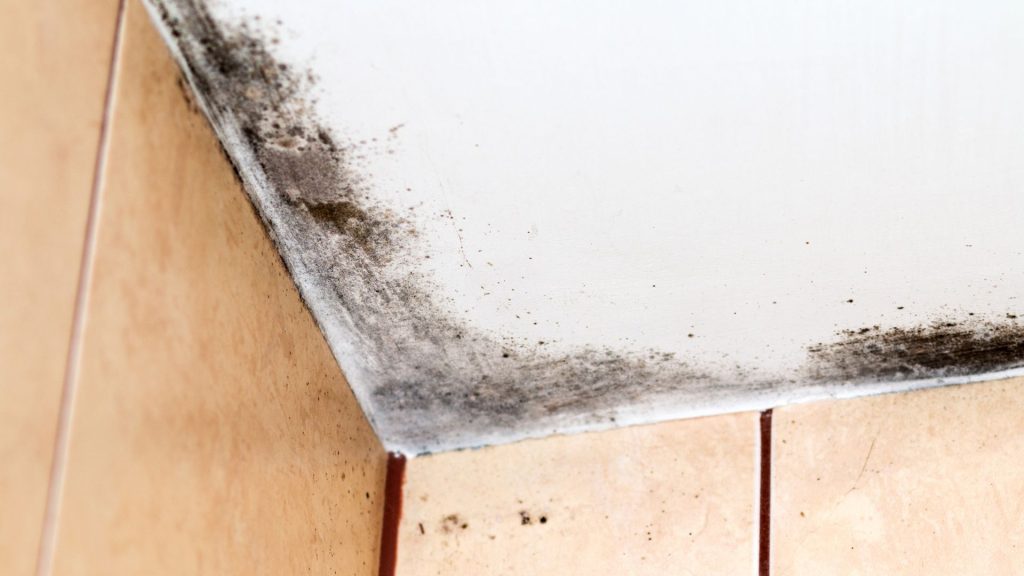
3. Open Windows and Doors: Ventilating the area can help remove moisture more quickly. Fresh air aids in drying out the space and reduces the risk of mold growth.
4. Remove Wet Items: Move soaked carpets, furniture, and other items to a dry area. These items can retain moisture and slow down the drying process.
5. Check for Hidden Water: Look inside cabinets, under appliances, and behind walls where water might be trapped. Use moisture meters to detect hidden water pockets that need drying.
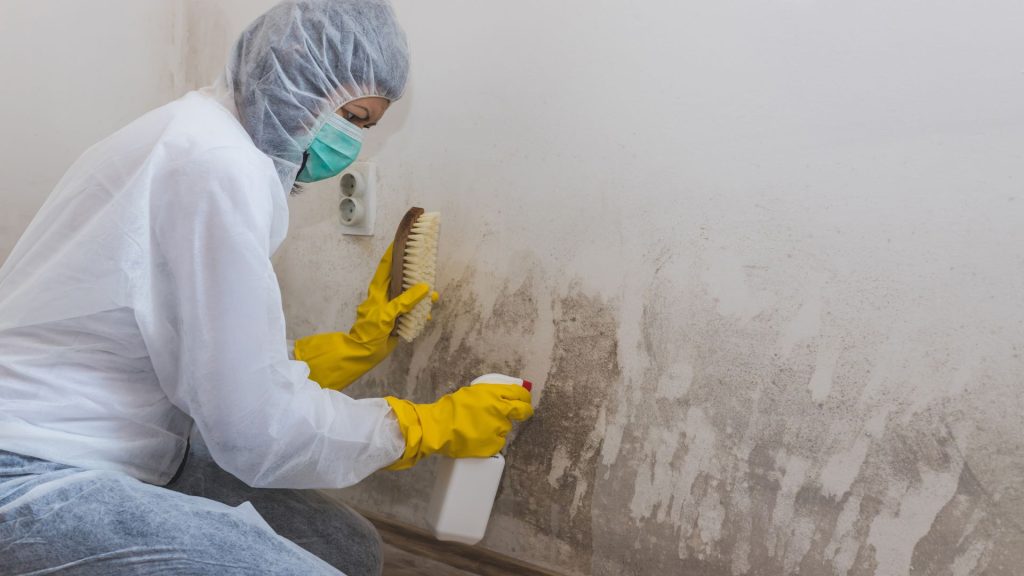
6. Sanitize the Area: After drying, clean and sanitize the affected areas to prevent mold and bacteria from growing. Use mild detergents and cleaning solutions safe for home use.
Following these steps helps ensure that your home is thoroughly dried and reduces the risk of mold and further damage.
Essential Tools and Supplies for Effective Water Damage Management
Having the right tools and supplies can make water damage management much simpler. Here are some crucial items you should have:
1. Wet/Dry Vacuum: This tool is perfect for sucking up large amounts of standing water quickly. It’s essential for managing floods effectively.
2. Sump Pump: If your basement is prone to flooding, a sump pump can be a lifesaver. It pumps water out of your basement, preventing severe water damage.
3. Dehumidifier: After removing the standing water, a dehumidifier helps reduce moisture levels in the air. This prevents mold growth and speeds up the drying process.
4. High-Speed Fans: Air movers or high-speed fans help circulate air, making it easier to dry carpets, walls, and other surfaces.
5. Moisture Meter: This tool detects moisture levels in various materials, helping you ensure that the area is thoroughly dried before starting any repairs.
6. Disinfectants and Cleaning Supplies: Stock up on disinfectants and cleaning agents to sanitize the area after water removal. This helps eliminate bacteria and mold spores.
These tools and supplies help you manage water damage effectively, making the cleanup process smoother and more efficient.
Preventative Measures to Protect Your Home from Future Burst Pipe Incidents
Preventing burst pipes and future water damage involves a mix of immediate fixes and long-term strategies. Here are some key preventative measures:
1. Insulate Pipes: Use pipe insulation to protect exposed pipes from freezing. This is a simple and effective way to prevent burst pipes during cold weather.
2. Maintain Heating: Keep your home warm, especially in areas where water pipes are located. Consistent heating helps prevent pipes from freezing.
3. Seal Cracks and Holes: Inspect your home’s exterior for cracks and holes near pipes. Seal them with caulking to keep cold air out and protect the pipes.
4. Regularly Check Pipes: Regularly inspect your pipes for any signs of wear or damage. Early detection can help prevent future burst pipes.
5. Allow Faucets to Drip: During extremely cold weather, allow faucets to drip slowly. This keeps water moving and reduces the risk of freezing.
6. Install Pipe Sleeves and Heat Tape: Use pipe sleeves and heat tape on vulnerable pipes. These tools provide extra insulation and heat, keeping pipes from freezing.
By following these preventative measures, you can significantly reduce the risk of burst pipes and avoid the hassle of water damage in the future.
Conclusion
Dealing with burst pipes in the winter can be a challenging task, but with the right knowledge and tools, you can manage it effectively. Identifying the early signs of burst pipes, acting quickly to dry out the area, and using the proper tools can help minimize damage. Additionally, taking preventative measures can protect your home from future incidents.
Water damage is a serious issue that can lead to costly repairs and long-term problems if not handled properly. Whether you’re facing a burst pipe now or want to prevent it from happening, being prepared is key. For professional help and advanced cleaning solutions, contact FreshCo. Our team is ready to assist you with all your cleaning and damage restoration needs. Keep your home safe and dry this winter with our expert services.