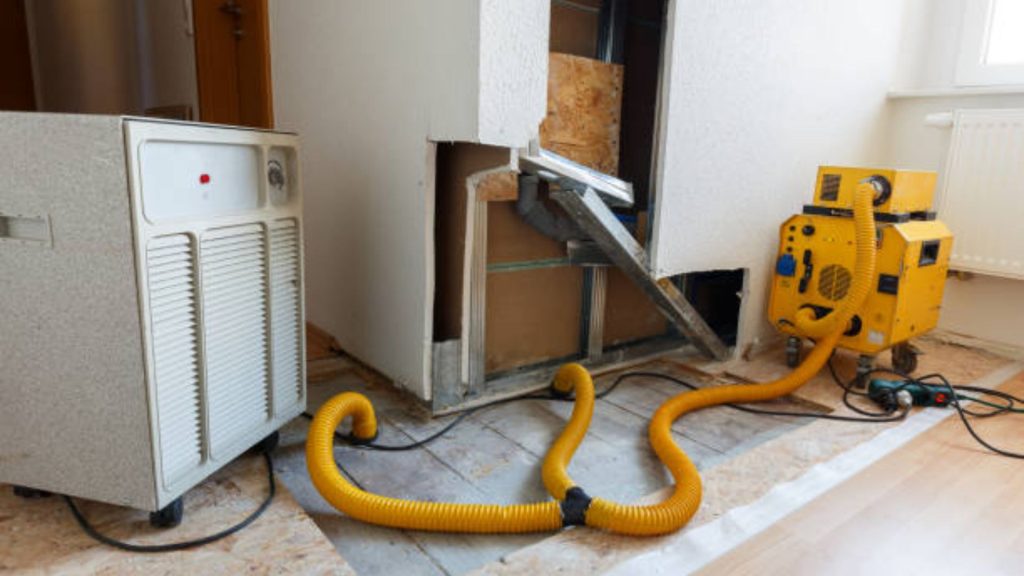















In the heartland of America, where the mighty Kansas River flows, basements form a crucial part of many homes. However, these underground spaces are often susceptible to water damage due to rain, snow melt, or even high humidity. This is why savvy homeowners understand the importance of implementing effective waterproofing strategies.
Navigating the world of basement waterproofing can be a daunting task for even the most seasoned homeowner. With a myriad of products, services, and techniques available, it’s easy to feel overwhelmed. Fortunately, this guide simplifies the process, breaking down complex concepts into easy-to-understand segments.
From identifying the signs of a water problem, to understanding the different methods of waterproofing, and ultimately to the execution of a successful waterproofing project, this guide covers it all.
Safeguard Your Home with Effective Basement Waterproofing Techniques
1. The Importance of Basement Waterproofing in Kansas
As a Kansas homeowner, it’s necessary to understand the significance of basement waterproofing. A dry and well-protected basement offers various benefits, including:
- Protection against potential structural damage: Water intrusion can weaken your home’s foundation, deteriorate building materials, and compromise its structural integrity.
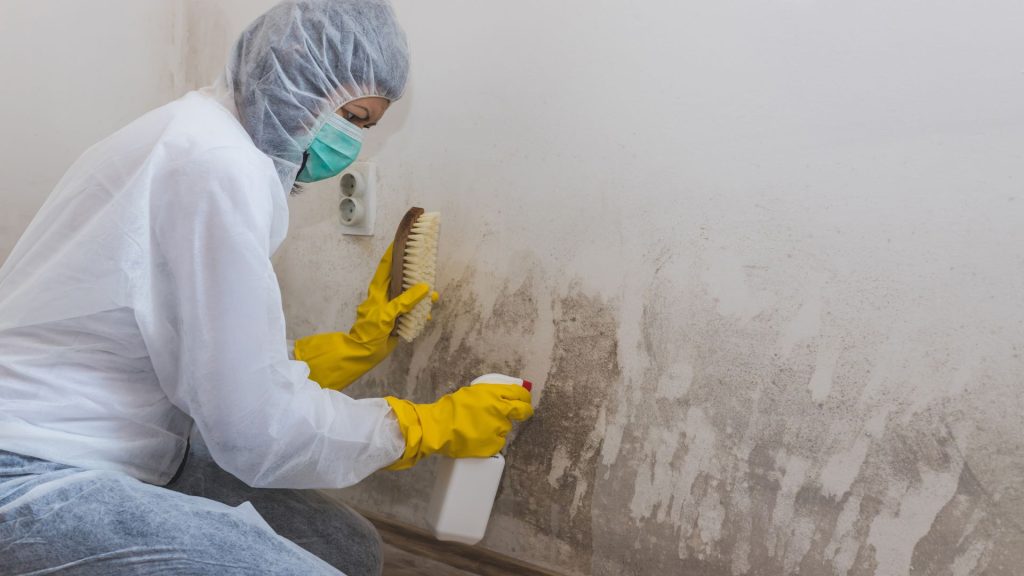
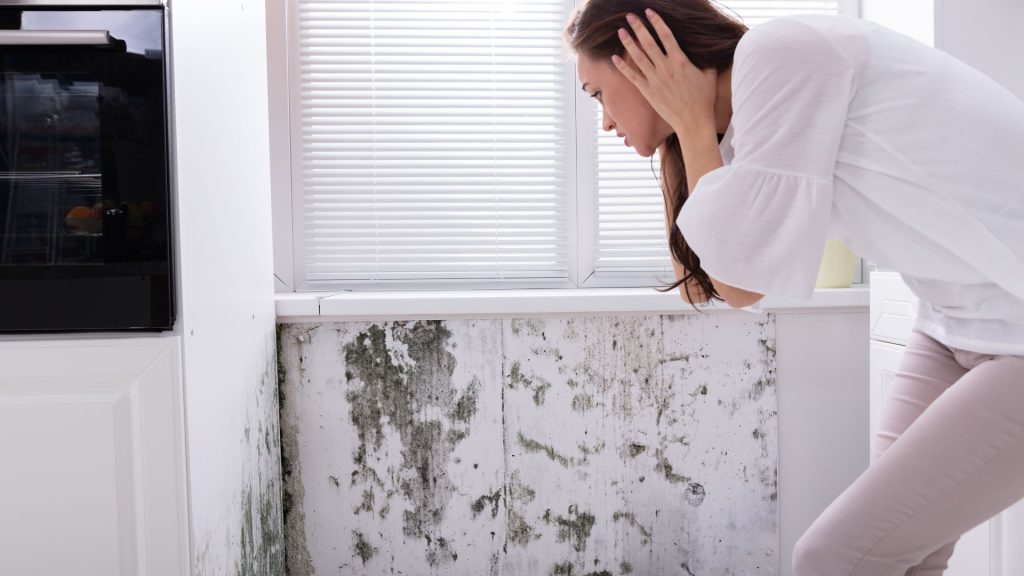
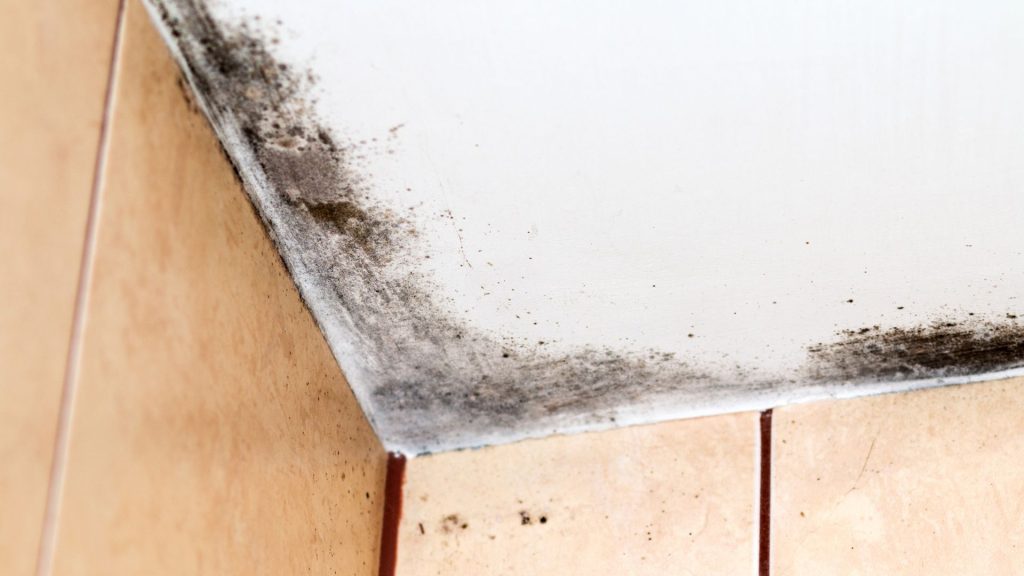
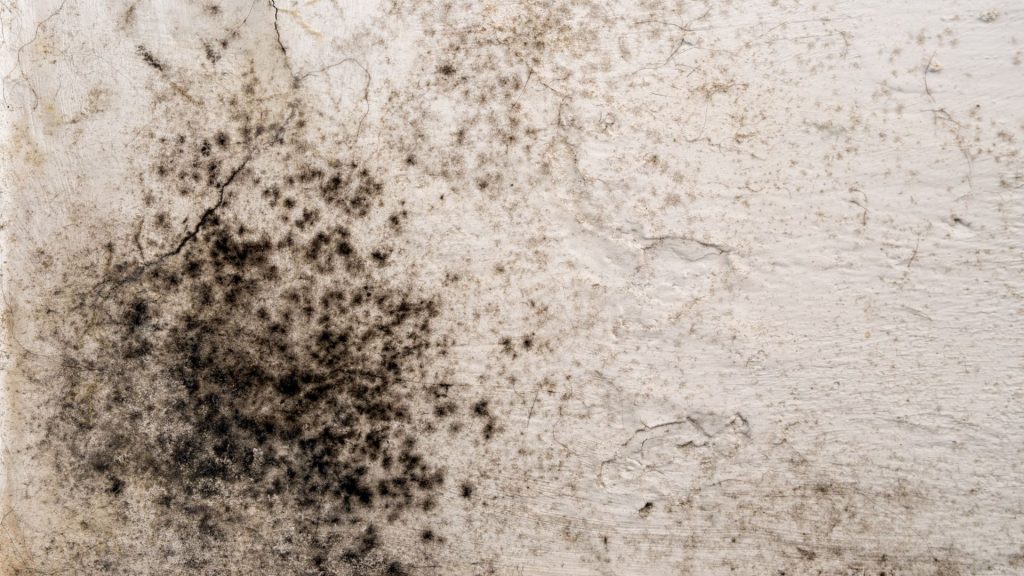
- Prevention of mold and mildew growth: Moisture presence creates an ideal environment for mold and mildew to thrive, which can negatively impact your home’s indoor air quality and pose health risks.
- Preservation of property value: A well-maintained, waterproofed basement contributes to your home’s overall market value.
- Increased living space: A waterproofed basement can be transformed into a functional, comfortable living area for your family to enjoy.
2. Common Causes of Basement Water Intrusion
Understanding the common causes of basement water intrusion in Kansas homes will help you pinpoint problem areas and determine the appropriate waterproofing measures. Some prevalent sources of water intrusion include:
- Hydrostatic pressure: Water-saturated soil around your home’s foundation can create pressure against basement walls and floors, forcing water to seep in through cracks.
- Drainage system issues: Poorly designed or improperly maintained drainage systems can lead to water pooling around your home’s foundation and eventually infiltrating your basement.
- Window well leaks: improperly constructed or poorly sealed window wells may collect water and eventually leak into your basement.
- Plumbing leaks: Broken pipes or other plumbing issues within your basement can contribute to water accumulation.
- Groundwater or surface water changes: Changes in the local water table or surface water conditions can lead to an increase in basement water intrusion.
3. Identifying the Signs of Basement Water Issues
Detecting basement water issues early on is crucial to addressing and resolving them effectively. Watch out for these telltale signs indicating potential water issues in your Kansas basement:
- Water stains: Discoloration on walls, floors, or ceilings can be a clear indication of water infiltration.
- Musty odors: Persistent musty smells suggest the presence of moisture and the potential growth of mold and mildew.
- Efflorescence: White, powdery deposits on your basement walls or floors are a sign of ongoing moisture penetration.
- Cracks or bulging walls: These may suggest your basement is experiencing hydrostatic pressure, leading to water infiltration.
4. Basement Waterproofing Solutions for Kansas Homeowners
When it comes to waterproofing your basement, there are several techniques and solutions available. Selecting the right one for your specific circumstances is essential for effective results:
- Exterior waterproofing: This typically involves applying a waterproof membrane to the exterior of your home’s foundation, preventing water from infiltrating your basement walls. Additionally, proper drainage systems should be installed to effectively direct water away from your foundation.
- Interior waterproofing: Interior measures may involve applying waterproof coatings or sealants to your basement walls and floor, capturing water entering through cracks and redirecting it to a sump pump system.
- Sump pump installation: A sump pump system can help protect your basement from flooding by removing the water that accumulates in a sump pit and discharging it away from your home.
- Drainage improvements: Ensure your gutters and downspouts are properly functioning and directing water away from your foundation. Outdoor grading adjustments can also help promote effective water management around your home.
Protect Your Kansas Home and Family with Expert Basement Waterproofing Solutions
Remember, a waterproofed basement not only adds to the longevity of your home but also increases its resale value. It’s not just about solving a problem; it’s about making a worthy investment in your property.
For expert guidance on basement waterproofing solutions in Kansas that are tailored to your unique needs, trust our team at FreshCo. Our specialized expertise in mold prevention, crawlspace encapsulation, foundation repair, and water damage ensures that we can provide effective, long-lasting solutions to safeguard your Kansas home and maximize its overall well-being.