















Floods can cause major problems in your home. Water can destroy floors, walls, and furniture quickly. It’s important to act fast to minimize the damage and begin the restoration process. Knowing what to expect and how to handle flood damage can make the cleanup easier and save your property from further harm.
Living in Hutchinson, KS, residents sometimes face challenging weather conditions that can lead to heavy rainfall and flooding. Understanding the impact of flood damage and knowing immediate steps to take can help you protect your home. Flood damage can lead to serious structural issues and health hazards if not dealt with quickly and efficiently.
This article will guide you through the steps of flood damage restoration. We will discuss the immediate actions you should take after a flood, the proven techniques used in flood damage restoration, and how to choose the right restoration services. Being informed and prepared can help you turn a flooded home back into a fabulous space.
Understanding the Impact of Flood Damage
Flood damage can affect your home in many ways. The immediate impact of water may be visible, but the long-term effects can be much more serious. Here are some key areas of concern:
1. Structural Damage: Water can weaken the structural integrity of your home. Wooden beams, drywall, and floors can absorb water, leading to warping, rotting, and even collapsing. This can compromise the safety of your home and require extensive repairs.
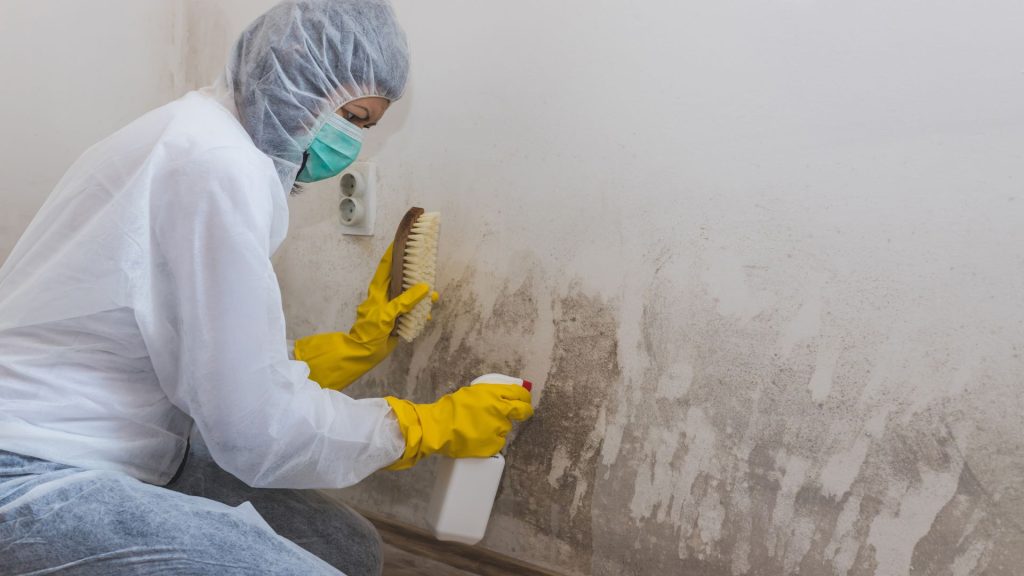
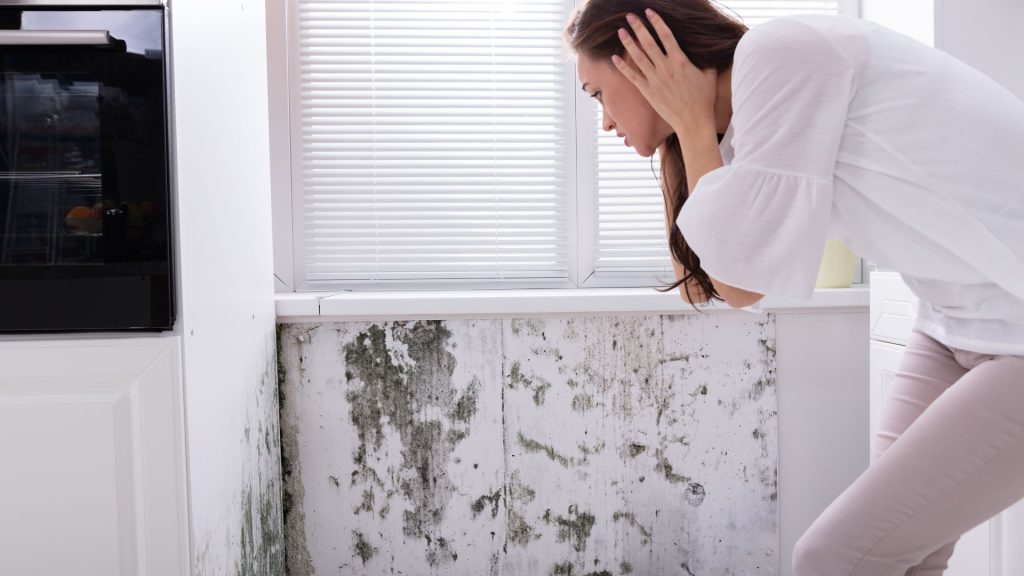
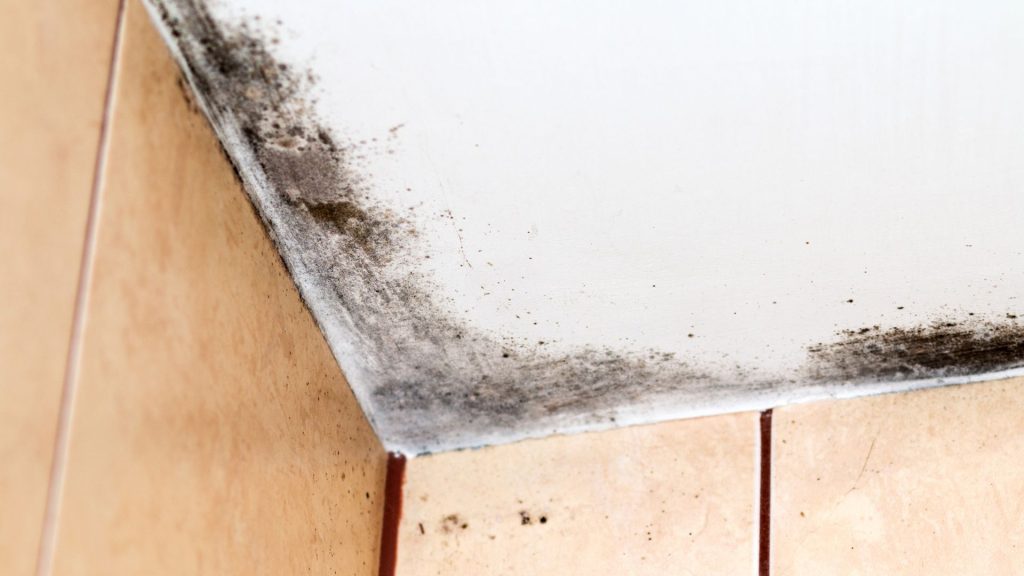
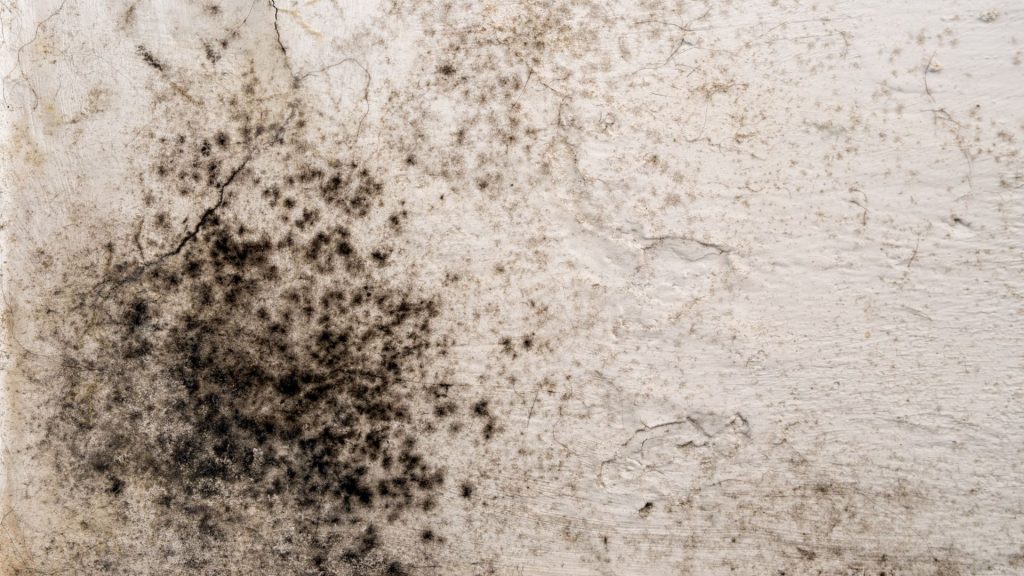
2. Mold Growth: One of the biggest concerns after a flood is mold. Mold can start growing within 24 to 48 hours in moist environments. It not only affects your home’s appearance but can also cause health problems like allergies and respiratory issues.
3. Electrical Hazards: Water can cause electrical systems to malfunction, creating dangerous conditions such as electrical shocks or fires. It’s crucial to ensure that electrical systems are inspected and repaired by professionals before returning to normal use.
4. Damage to Personal Belongings: Floods can ruin furniture, electronics, and personal items. Some items may be irreplaceable, making the emotional toll significant. While some belongings can be cleaned and restored, others may need to be discarded.
5. Contaminated Water: Floodwater may carry harmful bacteria, chemicals, and sewage, which can contaminate your home. This requires thorough cleaning and disinfecting to ensure a safe living environment.
Immediate Steps to Take After a Flood
Acting quickly after a flood can help reduce damage and start the restoration process. Here are immediate steps to take:
1. Ensure Safety: First, make sure everyone is safe. Avoid walking in standing water as it may be electrically charged or contaminated. If water levels are high, turn off the electricity from a dry location if it’s safe to do so.
2. Evacuate if Necessary: If the flood is severe, evacuate your home and find a safe place to stay. Follow local authorities’ advice and don’t return until it’s safe.
3. Document the Damage: Take photos and videos of the affected areas and damaged items. This documentation is crucial for insurance claims. Be thorough and capture as much detail as possible.
4. Contact Your Insurance Company: Notify your insurance company about the flood. Provide them with the documentation you collected. They will guide you through the claims process and inform you of any specific requirements.
5. Remove Water: If safe, start removing standing water with buckets, pumps, or wet/dry vacuums. The faster you remove the water, the less damage it will cause.
6. Dry the Area: Use fans, dehumidifiers, and open windows to start drying out the space. Proper ventilation can help prevent mold growth and further damage to your home.
7. Protect Valuables: Move undamaged items to a safe, dry location. This includes furniture, electronics, and important documents. If possible, place them in plastic bins to keep them safe from moisture.
Taking these immediate steps can help you manage a flood situation more effectively and pave the way for a smoother restoration process.
Proven Techniques for Flood Damage Restoration
Restoring a flooded home requires specific techniques to ensure thorough cleaning and repair. Here are some proven methods used in flood damage restoration:
1. Water Extraction: The first step in restoration is removing all standing water. Professionals use high-powered pumps and industrial wet/dry vacuums. Rapid water removal helps prevent further damage and reduces the risk of mold growth.
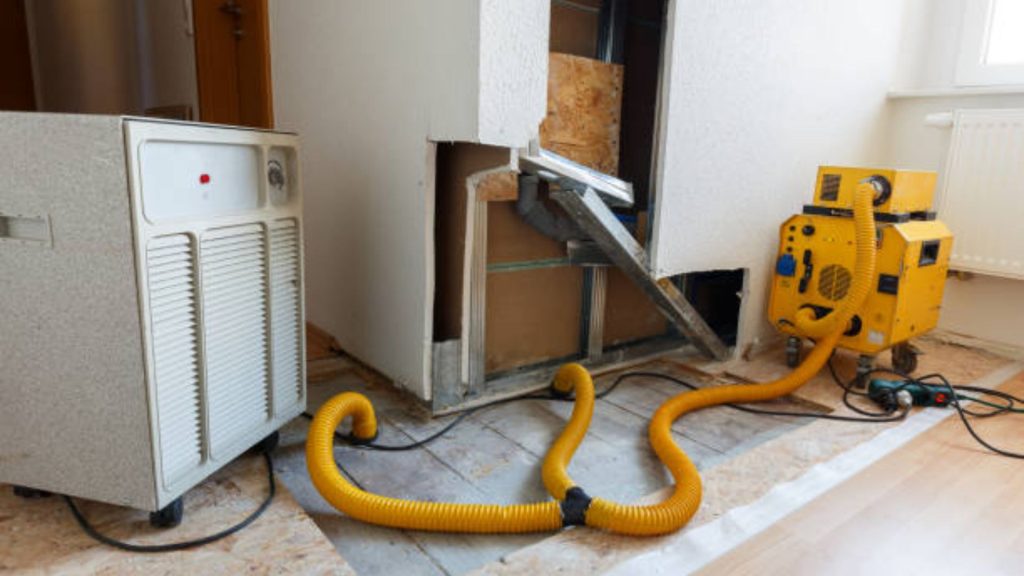
2. Drying and Dehumidification: After water extraction, the drying process begins. Industrial-grade air movers and dehumidifiers are used to eliminate moisture from walls, floors, and furniture. This step is crucial to prevent mold and mildew from developing and spreading.
3. Cleaning and Sanitizing: Floodwaters often carry contaminants. Cleaning and sanitizing all affected surfaces is essential. Professionals use specialized cleaning agents to remove dirt, bacteria, and chemicals. Antimicrobial treatments may also be applied to prevent mold growth.
4. Mold Remediation: If mold has started to grow, mold remediation is necessary. Experts use techniques like dry ice blasting to remove mold colonies and protect the home from further infestation.
5. Restoration and Repairs: The final step involves restoring your home to its original condition. This can include replacing drywall, installing new flooring, and repairing damaged structures. The goal is to make the home safe and livable again.
Choosing the Right Flood Damage Restoration Services
Finding the right flood damage restoration services is key to effective recovery. Here are some tips to help you choose the best professionals:
1. Look for Experience: Choose a company with a proven track record in flood damage restoration. Experienced professionals are better equipped to handle complex situations and provide effective solutions.
2. Check Credentials: Make sure the company is licensed and insured. Certifications from reputable organizations like the Institute of Inspection, Cleaning, and Restoration Certification (IICRC) indicate adherence to industry standards.
3. Read Reviews: Customer reviews can give insights into the quality of service. Look for companies with positive feedback regarding response time, professionalism, and quality of work.
4. Ask About Response Time: Flood damage requires immediate attention. Choose a company that offers 24/7 emergency services and can respond quickly to your call.
5. Get a Detailed Estimate: Request a written estimate that outlines the scope of work and costs involved. A detailed estimate helps you understand what to expect and avoid unexpected charges.
6. Personal Touch: A good restoration company will communicate clearly and keep you informed throughout the process. Good customer service and clear communication are signs of a reliable service provider.
Conclusion
Dealing with flood damage can be overwhelming, but taking prompt action and hiring the right restoration services can make a significant difference. Understanding the impact of flood damage, knowing the immediate steps to take, and being aware of proven restoration techniques are essential to protect your home and health. Choosing the right professionals ensures that your home is restored quickly and effectively.
Flood damage restoration is a critical process that requires expertise and prompt attention. If you’re facing flood damage in Hutchinson, KS, don’t hesitate to get professional help. Contact Freshco for reliable and efficient flood damage restoration services. Let us help you turn your flooded home back into a fabulous living space.