















Winter can be tough on homes, especially with the risk of water damage from burst pipes or heavy snowfall. When water damage happens, acting quickly is crucial to minimize harm and protect your home. Speedy water dry outs can help prevent further damage, including mold and mildew growth, which can lead to health issues.
Taking immediate steps when water damage occurs can make a big difference. Knowing what to do and having the right tools on hand can save you time and money. It’s also important to understand the proper techniques for water extraction and drying, as well as how to prevent mold and mildew from forming after the initial cleanup.
In the following sections, you’ll learn about the essential actions to take when water damage strikes, the tools you’ll need for quick dry outs, a step-by-step guide to effective water extraction, and tips for preventing mold and mildew. Armed with this knowledge, you can keep your home safe and dry, even during the harsh winter months.
Immediate Actions to Take When Water Damage Occurs
When you discover water damage, taking immediate action is essential. Here are the steps you should follow:
1. Turn Off the Water: If the water damage is due to a burst pipe or a leak, turn off the main water supply immediately to stop more water from entering your home. This helps to minimize further damage.
2. Cut Power Supply: If water damage is close to electrical outlets or appliances, turn off the electricity in the affected area. This avoids electrical hazards and potential fires.
3. Remove Valuable Items: Quickly move furniture, electronics, and other valuable items to a dry area. This prevents further damage to these items and makes the cleanup process easier.
4. Document the Damage: Take photos and make a list of all affected items. This documentation will be useful for insurance claims.
5. Ventilate the Area: Open windows and doors to allow fresh air to circulate. This helps in drying the area faster and prevents mold growth.
6. Remove Excess Water: If possible, use a mop, towels, or a wet/dry vacuum to remove standing water. This initial cleanup can prevent water from soaking into floors and walls.
By following these immediate actions, you can reduce the impact of water damage and make the restoration process smoother.
Essential Tools and Equipment for Quick Water Dry Outs
Having the right tools and equipment can make water dry outs efficient and effective. Here are some essential items you’ll need:
1. Wet/Dry Vacuum: This versatile tool is perfect for extracting water from floors, carpets, and corners. It can handle small to medium-sized spills and is easy to use.
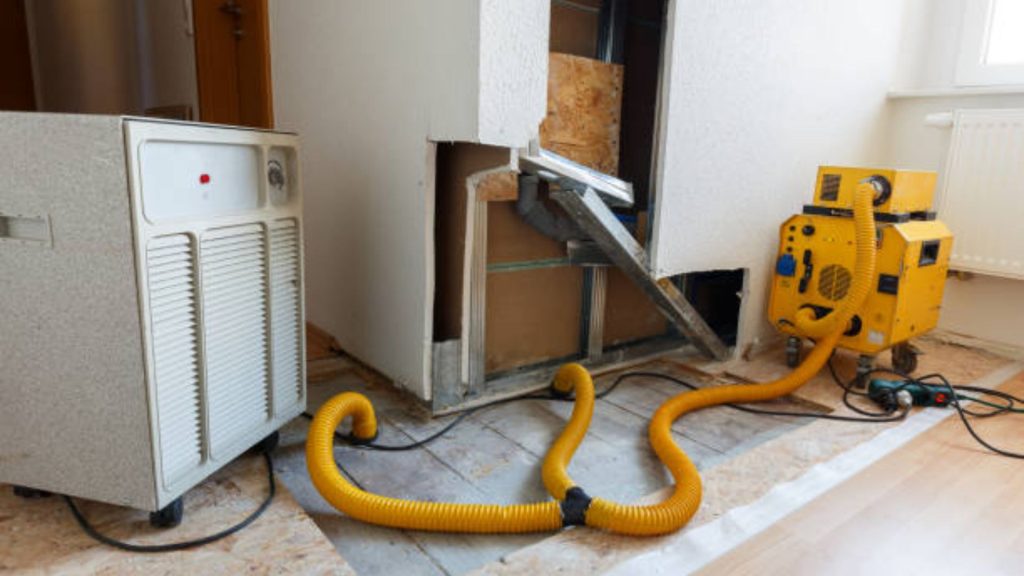
2. Dehumidifier: A dehumidifier helps to remove moisture from the air, speeding up the drying process. It’s essential for preventing mold growth and moisture-related issues.
3. Fans and Blowers: High-powered fans and blowers increase air circulation, helping to dry wet areas faster. Place them strategically around the affected area for the best results.
4. Moisture Meter: This device measures the moisture levels in walls, floors, and other structures. It helps you determine if the drying process is complete.
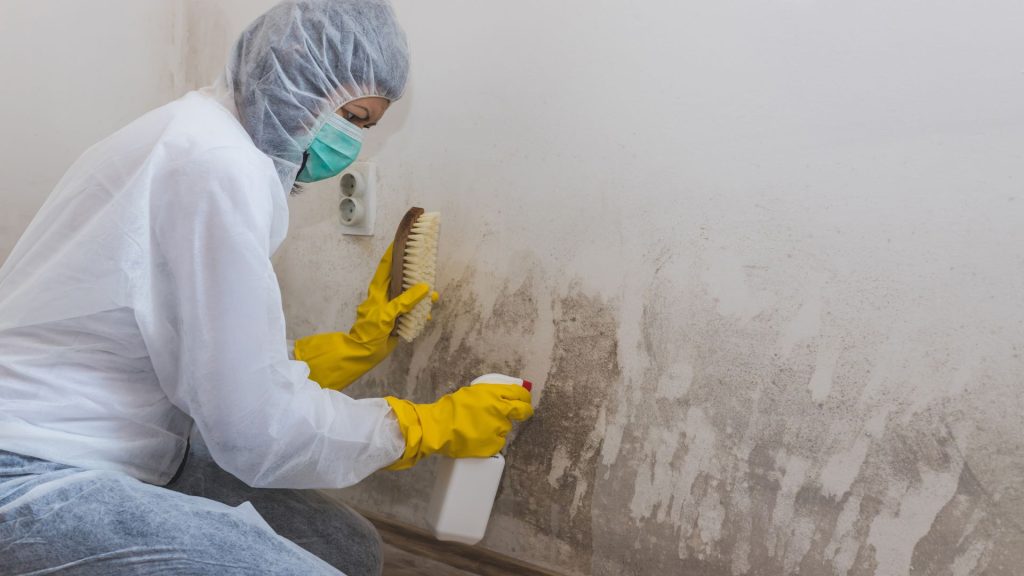
5. Protective Gear: Wear gloves, masks, and waterproof boots to protect yourself from contaminated water and potential hazards.
6. Absorbent Materials: Keep towels, sponges, and mops on hand for initial water removal and spot drying.
Using these tools and equipment can significantly enhance the efficiency of your water dry out efforts, helping you restore your home quickly and safely.
Step-by-Step Guide to Effective Water Extraction
Effective water extraction is key to preventing lasting damage. Follow these steps to ensure thorough water removal:
1. Assess the Situation: Before you start, assess the extent of the water damage. Look for standing water and areas where the water has spread.
2. Wear Protective Gear: Put on gloves, masks, and waterproof boots to protect yourself from contaminated water.
3. Remove Standing Water: Use a wet/dry vacuum to remove standing water from floors and carpets. Move slowly to allow the vacuum to pick up as much water as possible.
4. Use Absorbent Materials: For areas where the vacuum can’t reach, use towels and sponges to soak up excess water. Squeeze out the water into a bucket and repeat until the area is dry.
5. Extract Water from Carpets: If water has soaked into carpets, use a carpet extractor. This machine pulls water out from the carpet and padding, reducing the risk of mold.
6. Dry Out Walls and Floors: Open windows and doors to increase ventilation. Place fans and blowers around the room to circulate air and speed up the drying process.
7. Dehumidify the Area: Set up dehumidifiers to remove moisture from the air. This helps dry out the structure and prevents mold growth.
8. Check for Hidden Moisture: Use a moisture meter to check for damp spots in walls, floors, and other areas. Ensure all areas are thoroughly dried before proceeding with repairs.
By following these steps, you can effectively extract water and prevent long-term damage.
Preventing Mold and Mildew After Water Damage
After addressing water damage, preventing mold and mildew is crucial. Here are steps you can take to ensure your home stays mold-free:
1. Dry Everything Completely: Ensure all areas affected by water are completely dry. Use fans, blowers, and dehumidifiers to help speed up the drying process.
2. Clean and Disinfect: Clean all surfaces with a solution of water and mild detergent. This removes any dirt and minimizes the risk of mold spores.
3. Use Mold Inhibitors: Apply mold inhibitors to walls, floors, and other surfaces where mold might grow. Follow the manufacturer’s instructions for safe use.
4. Monitor Humidity Levels: Keep indoor humidity levels below 50%. Use a hygrometer to monitor humidity and run dehumidifiers as needed.
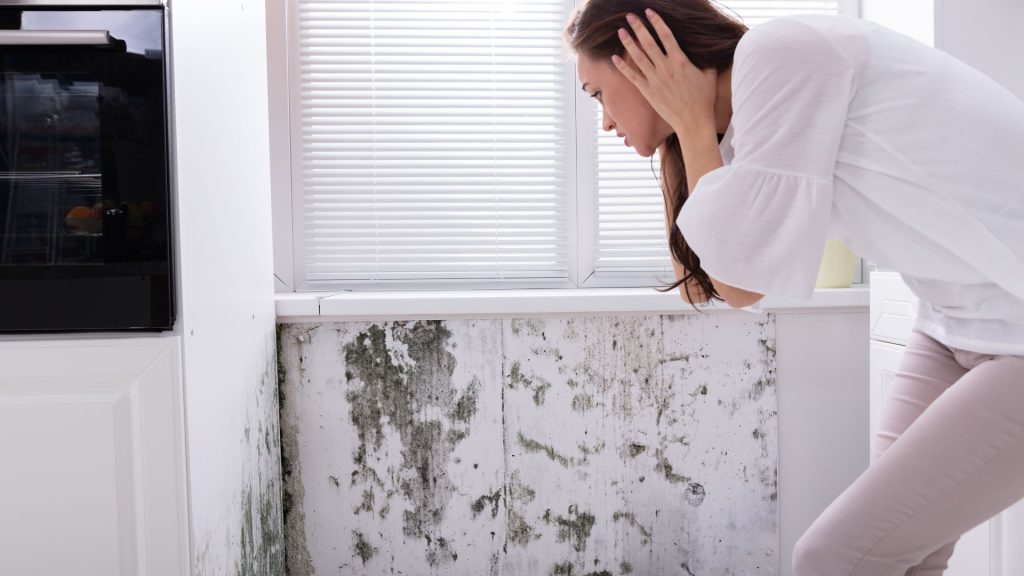
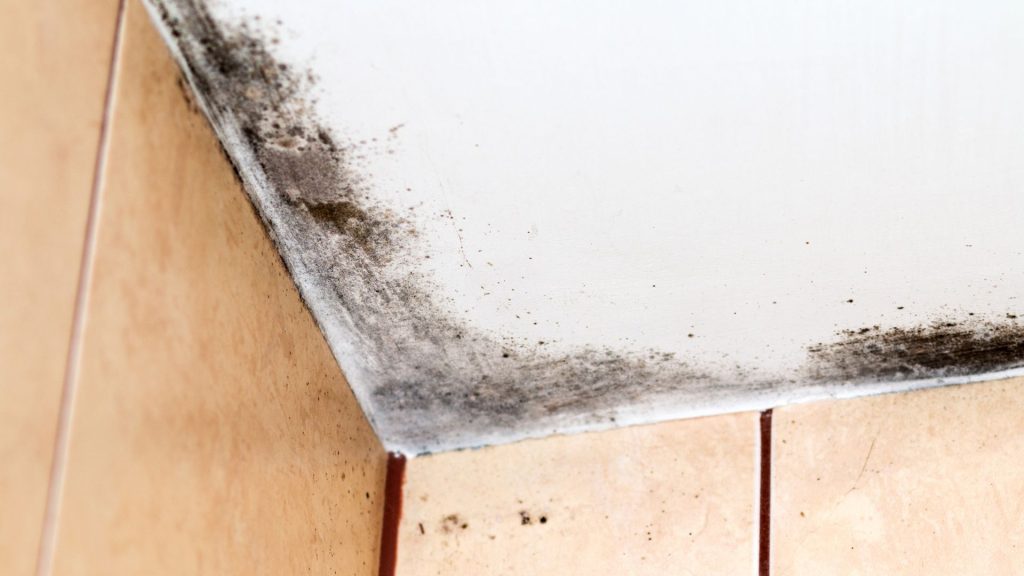
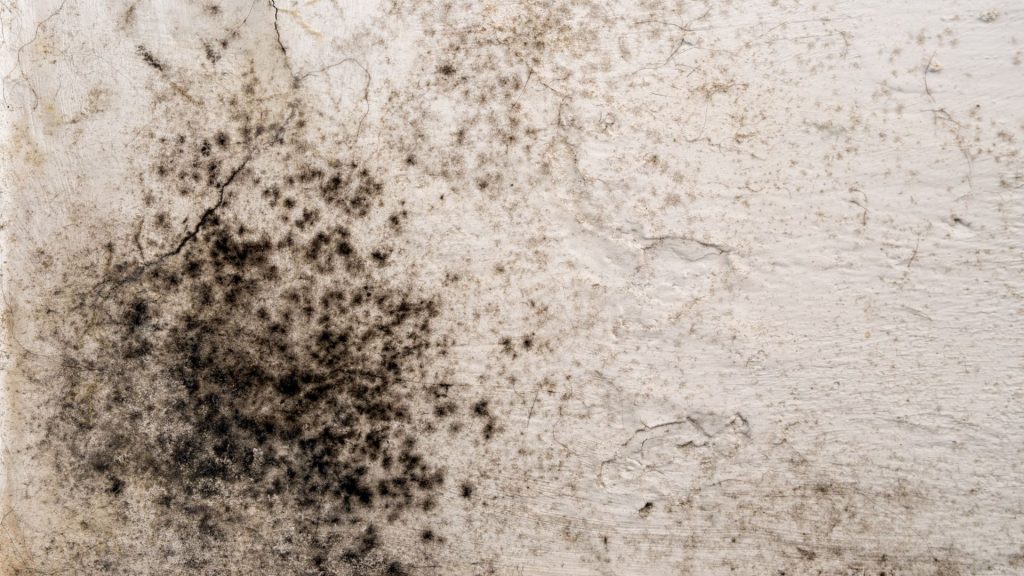
5. Inspect Regularly: Check your home regularly for signs of mold. Look for discoloration, musty odors, and any physical changes in affected areas.
6. Improve Airflow: Keep the air circulating in your home. Use fans and keep windows open when weather permits to reduce moisture buildup.
7. Fix Leaks Promptly: If you notice any leaks, fix them immediately. Even small leaks can lead to mold growth if left unattended.
Taking these steps helps protect your home from mold and mildew, ensuring a healthy living environment.
Conclusion
Managing water damage quickly and effectively is crucial for protecting your home during the winter. Knowing immediate actions to take, having the right tools, following a step-by-step water extraction process, and preventing mold growth are essential parts of handling winter water damage.
If you need expert assistance, FreshCo is here to help. Trust our team to provide professional services that will get your home back to normal. Contact FreshCo today to learn more about our cleaning and damage restoration solutions.