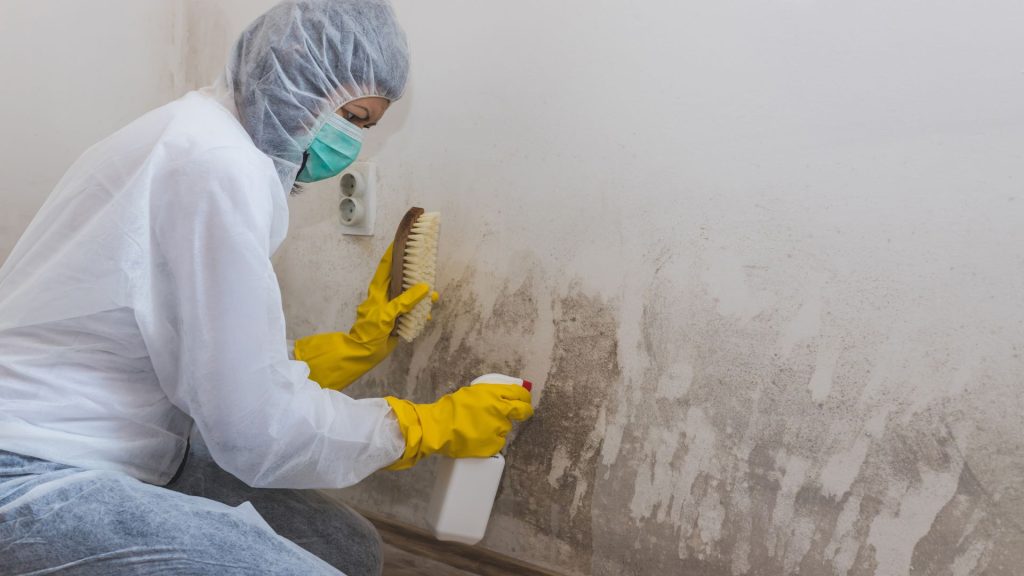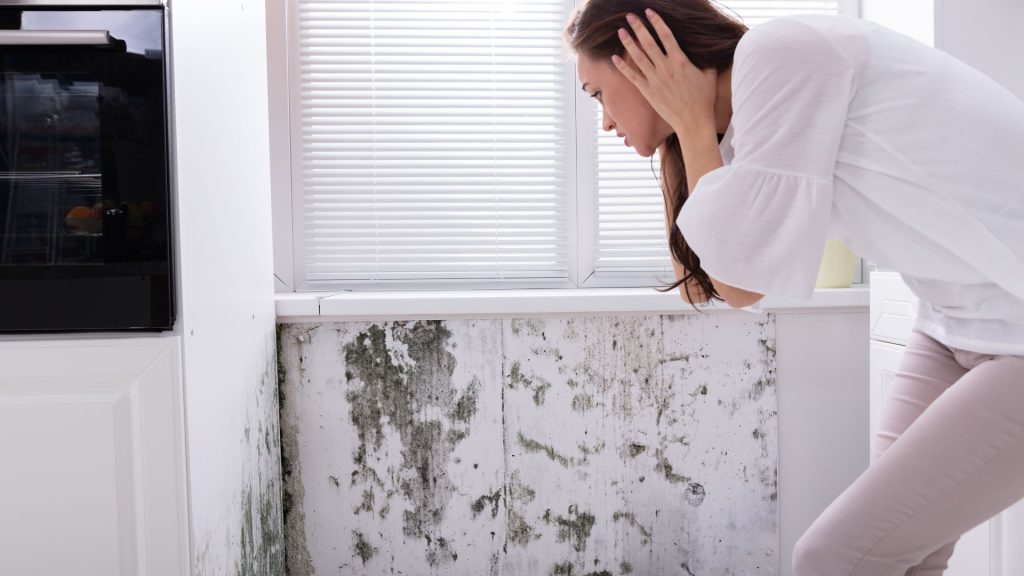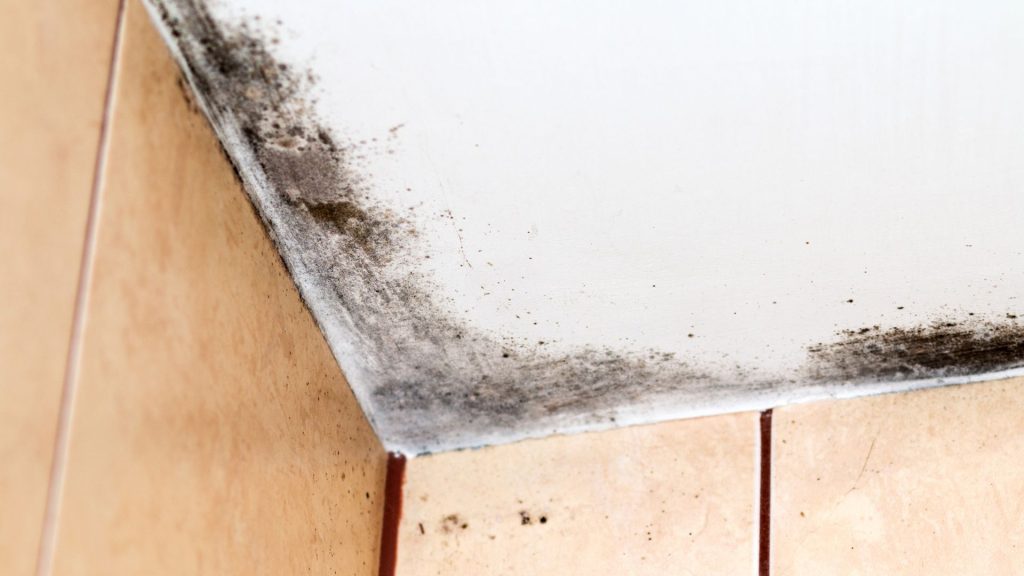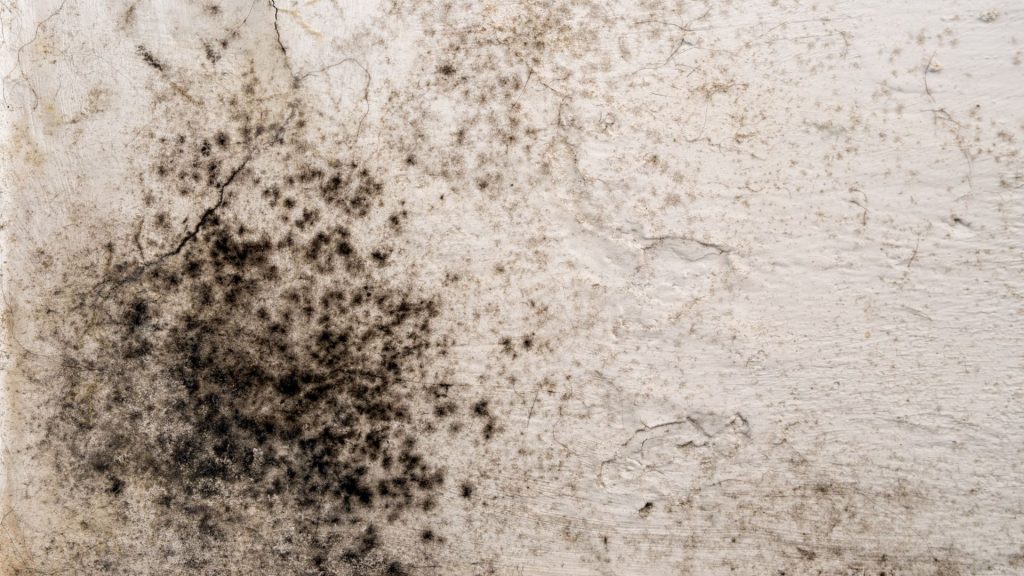















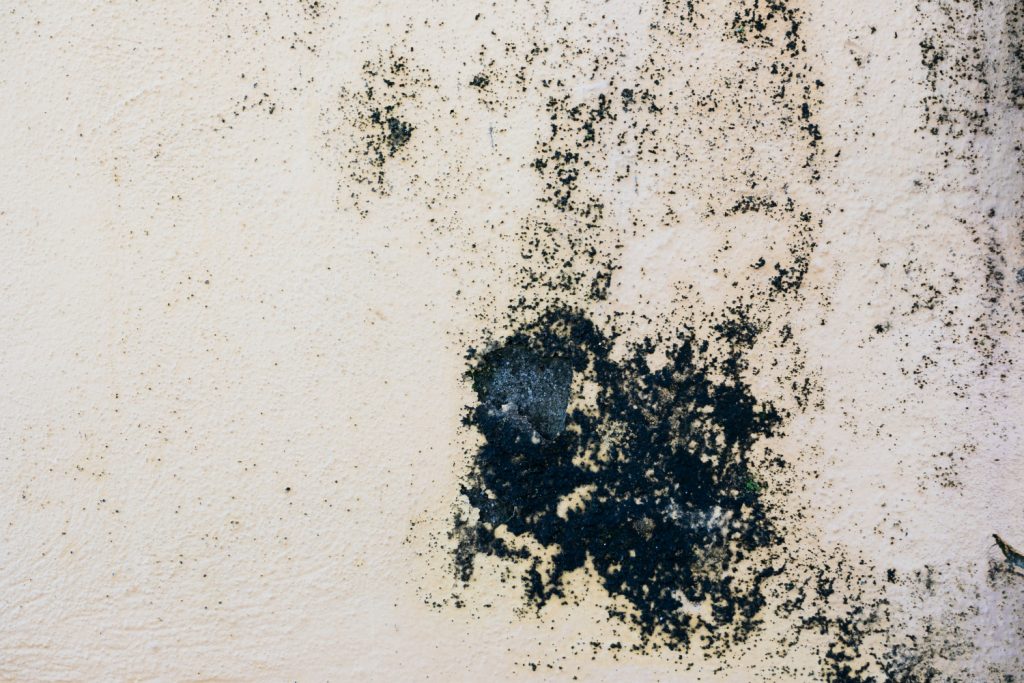
Mold can be a pesky problem for residents in Park City, quietly growing in places you might not even think to look. With its damp climate, certain homes in Park City face unique challenges in keeping mold at bay. The secret to fighting mold is knowing where it likes to grow and how to stop it before it gets out of hand.
Mold loves to hide in those sneaky spots around the house. From damp bathrooms to dark basements, mold can find a way in if you’re not paying attention. Even your kitchen and attics aren’t safe from these persistent spores.
Understanding where mold typically crops up in Park City homes can help in taking preventive steps to keep your home and family safe. Spotting it early not only saves you from potential health issues but also protects your property from damage. Arming yourself with knowledge about mold hotspots is the first step toward a cleaner, healthier home environment.
Understanding Mold Growth in Park City
Park City’s unique environment presents several factors that contribute to mold growth in homes. The area experiences a mix of high humidity and occasional heavy rainfall that can create the perfect breeding ground for mold spores. This moisture, coupled with fluctuating temperatures, especially in the spring and fall, can lead to condensation in certain parts of your home, providing mold the dampness it craves to thrive.
Certain homes may be more vulnerable to mold due to their design and location. Homes that are surrounded by dense vegetation or positioned in shady areas might see higher humidity levels. Older homes, too, can be at risk as they might have leaky roofs or older plumbing systems that are more susceptible to leaks. The materials used in these homes, such as wood and drywall, are particularly appetizing to mold when wet.
Moreover, inadequate ventilation in homes represents another primary factor that aids mold growth. Without proper airflow, moisture gets trapped inside, allowing mold to flourish unchecked. This is particularly true in areas like attics and basements, where fresh air doesn’t circulate as well. Homes without modern HVAC systems might not effectively manage indoor humidity, increasing mold risk. Recognizing these contributing factors can help Park City residents understand what to watch for and where to look for mold growth signs.
Hidden Mold Spots in the Bathroom
Bathrooms rank high on the list for mold-prone areas because of their frequent exposure to water and steam. Mold loves bathrooms, where warmth and moisture live together like best buds. Here are some key places to check for mold:
– Under the Sink: With hidden leaks and constant dampness from pipes, mold often grows under sinks unseen.
– In the Shower and Tub: Tile grout and caulking are prone to mold due to persistent dampness from showers.
– Around Windows: Bathrooms sometimes have windows that hold moisture, especially when not opened for ventilation.
– Behind Toilets: This space can harbor leaks or condensation, creating an ideal spot for mold.
To keep bathrooms mold-free, consider implementing some maintenance habits. First, make sure to use an exhaust fan or open a window during showers to ventilate steam effectively. Fix any leaky faucets or pipes immediately to prevent moisture build-up. Regularly cleaning tiles, grout, and caulking helps to remove any mold spores that may be trying to set up camp.
Using a squeegee on shower walls after each use reduces standing water, which mold thrives on. Another tip is to regularly wash and replace shower curtains and liners to prevent mold from growing on them. These steps not only help in maintaining cleanliness but also keep mold at bay, ensuring that bathrooms remain fresh and healthy for the entire family.
Basements and Attics: Prime Mold Locations
Basements and attics in Park City homes often become breeding grounds for mold because of their conditions. These areas tend to be poorly ventilated and are exposed to moisture from leaks, condensation, or foundation issues. Basements, in particular, can accumulate water from heavy rains, leading to dampness that promotes mold growth. Attics may face similar issues if roofs are leaky or if there is inadequate insulation, which can trap moisture and heat.
To keep these spaces mold-free, homeowners should conduct regular inspections and maintenance. Here’s a checklist to keep these areas in check:
– Inspect for Leaks: Check pipes, walls, and ceilings for any signs of leaks or water damage.
– Improve Ventilation: Ensure proper airflow by opening vents and installing fans to reduce humidity.
– Seal Cracks: Look for and seal any cracks in walls or foundations to prevent water seepage.
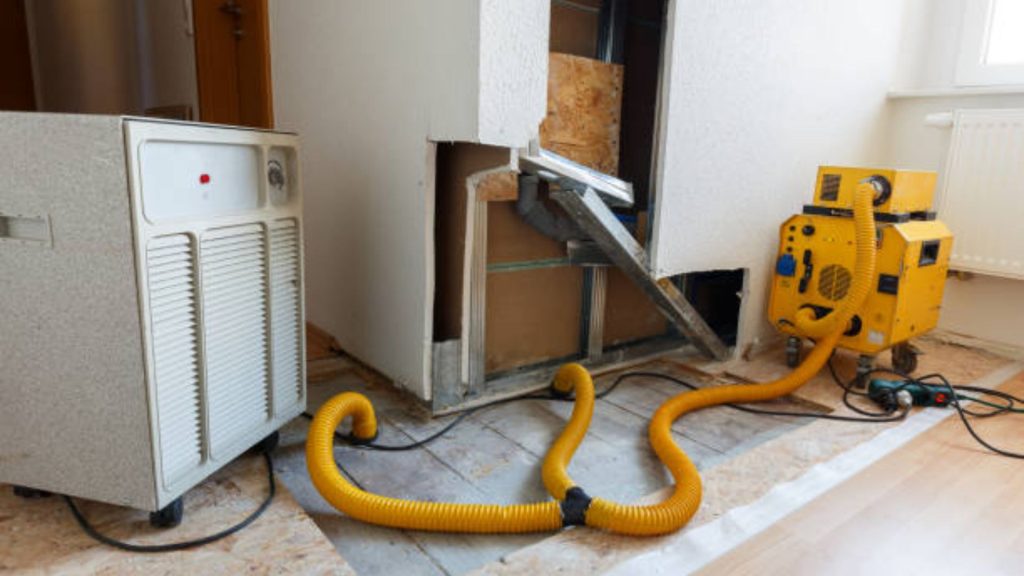
– Use a Dehumidifier: Consider using a dehumidifier to maintain a consistent humidity level.
– Organize Belongings: Store items off the ground and in moisture-resistant containers to avoid mold growth on personal items.
By actively managing these areas, homeowners can significantly minimize the chances of mold taking root.
Kitchen Corners and Cabinet Concerns
Kitchens present another ideal location for mold due to their exposure to water and food particles. Mold commonly forms in dark, secluded spots where moisture lingers, like in cabinets under the sink or around appliances like refrigerators and dishwashers. These places often experience unnoticed drips and leaks, which can become moldy over time.
To reduce mold risks in the kitchen:
– Regularly Check for Leaks: Inspect sinks, dishwashers, and refrigerators for any drips or leaks.
– Clean Up Immediately: Wipe up spills immediately and clean food residues to prevent mold from feeding and growing.
– Install Exhaust Fans: Use exhaust fans to expel excess moisture caused by cooking and washing dishes.
– Organize Cabinets: Ensure cabinets and drawers are free from clutter to facilitate air circulation.
– Use Mold-Resistant Paint: Apply mold-resistant paint in kitchen areas to discourage mold growth.
Applying these strategies can help homeowners maintain a mold-free kitchen, preserving not just the space but the safety of the food prepared there.
Conclusion
Understanding where mold spots are likely to appear in Park City homes gives residents the power to prevent infestations before they become major concerns. By focusing on common hotspots like bathrooms, basements, attics, and kitchens, homeowners can implement preventative measures to protect their home environments. Regular inspections and maintenance are key actions that make a significant impact in keeping these areas fresh and mold-free.
Ready to tackle the mold problems in your Park City home? Contact FreshCo, a mold cleanup company, for expert mold testing and remediation services. Our skilled team is equipped to identify, treat, and prevent mold, ensuring your home remains a safe and comfortable haven for you and your family. Don’t wait for mold to become a problem—let FreshCo help you protect your home today!