














Mold is a sneaky intruder that can cause big problems in your home. It can hide in hard-to-see places, spreading quietly and affecting your family’s health. Wichita, KS, with its humid climate, is a prime spot for mold growth. That’s why regular mold inspections are so important.
Mold inspections help you find mold before it becomes a major issue. They involve a thorough check of your home, identifying places where mold might be hiding. This helps you take quick action to remove the mold and fix any problems that caused it.
Skipping mold inspections can lead to serious health issues like allergies, asthma, and other respiratory problems. Plus, mold can damage your home’s structure, leading to expensive repairs. A comprehensive mold inspection can help you avoid these problems. It gives you peace of mind, knowing your home is safe and sound.
Let’s dive into why mold inspections are so important, what to expect during an inspection, how to handle hidden mold problems, and the long-term health benefits of keeping your home mold-free.
The Importance of Regular Mold Inspections
Regular mold inspections are crucial for maintaining a healthy home. Mold can grow in hidden places, like behind walls, under carpets, and in basements. These areas are often damp and dark, making them perfect breeding grounds for mold. By having regular inspections, you can detect mold early before it spreads and becomes a bigger problem.
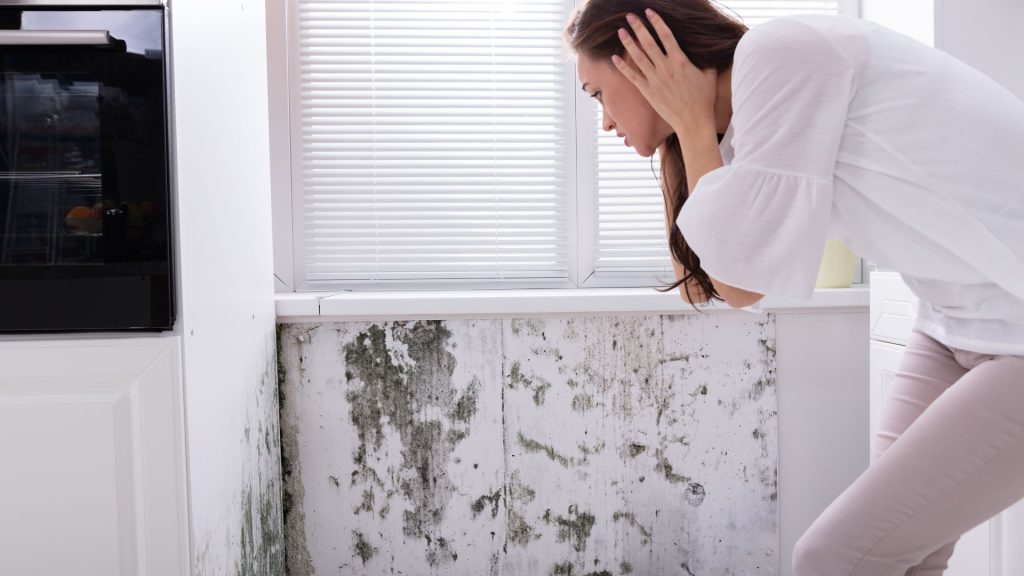
Mold can have serious health effects. It can cause allergies, skin rashes, and asthma attacks. In some cases, it can even lead to more severe respiratory issues. For people with weakened immune systems or chronic lung illnesses, mold exposure can be particularly dangerous. Regular inspections help you find and remove mold, keeping your family safe from these health risks.
Another reason for regular mold inspections is to protect your home’s structure. Mold can weaken walls, floors, and ceilings, leading to expensive repairs. By catching mold early, you can address the problem before it causes significant damage. This saves you money in the long run and maintains the value of your home.
What to Expect During a Mold Inspection
A mold inspection involves a detailed check of your home for signs of mold. Here’s what you can expect during the process:
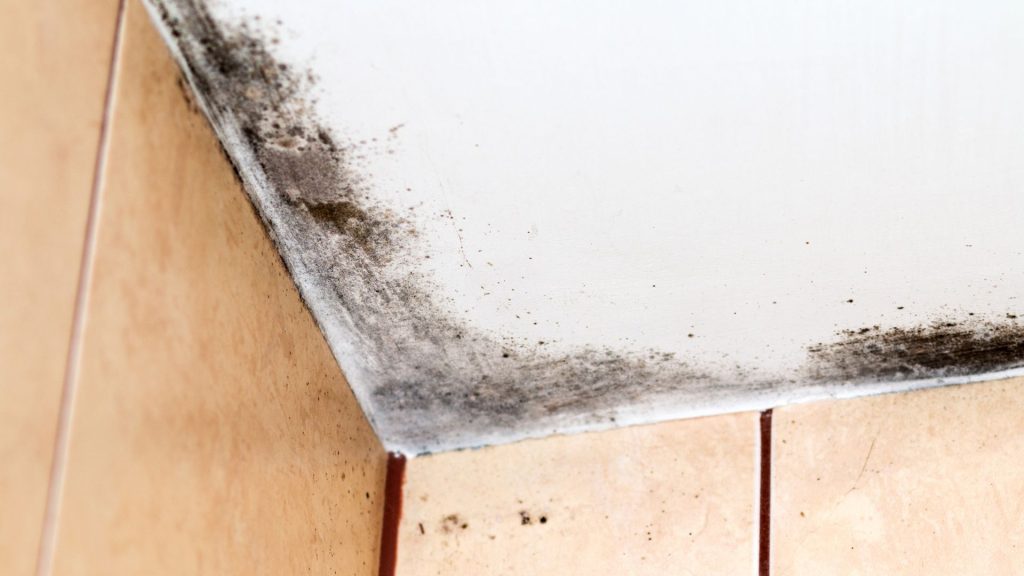
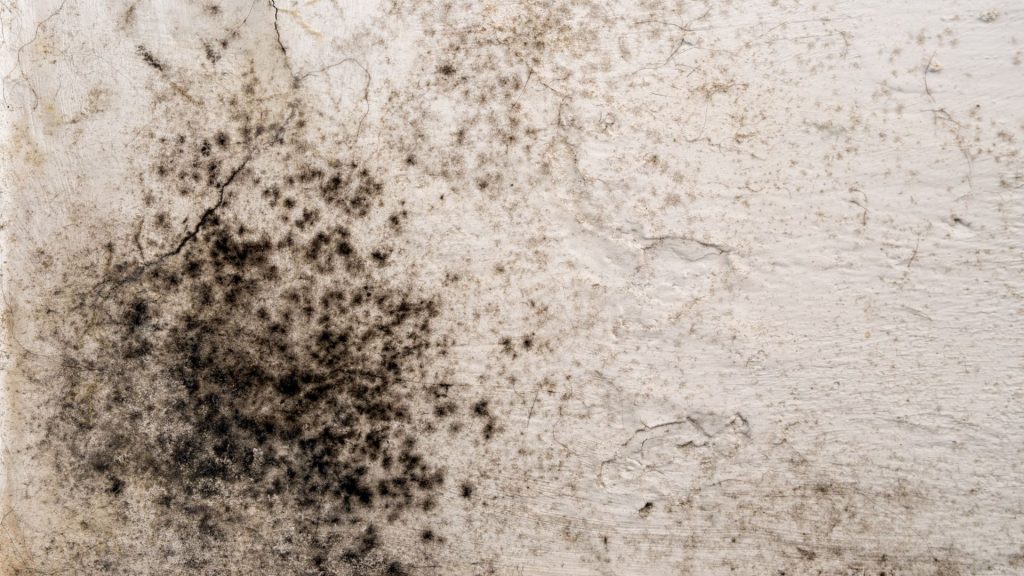
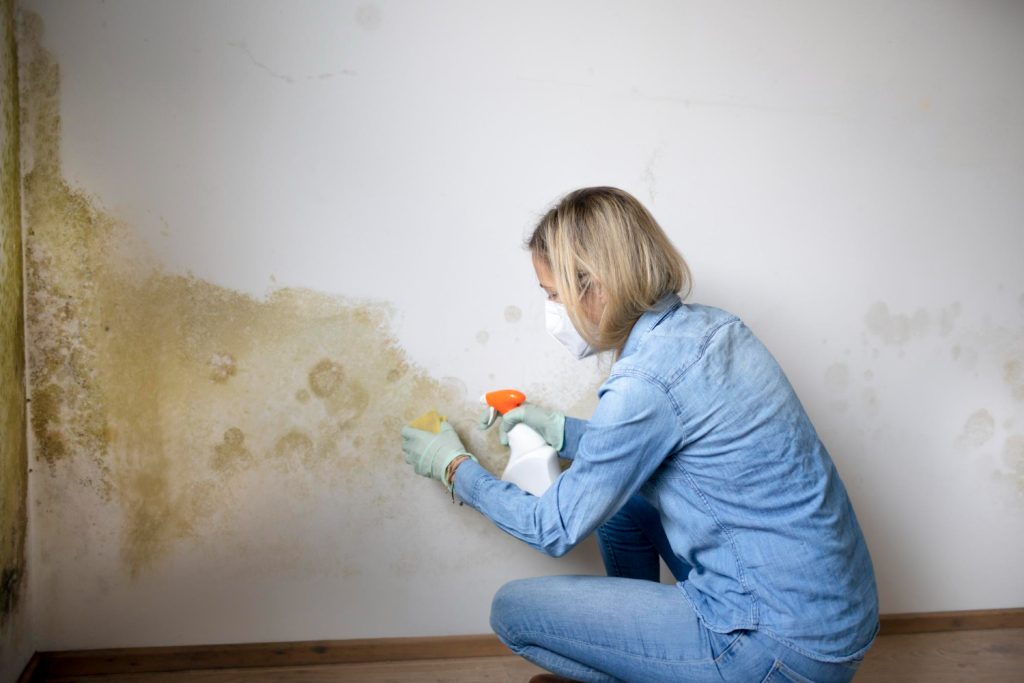
1. Visual Examination: The inspector will start with a visual examination of your home. They will look for visible signs of mold, like discoloration on walls and ceilings, and check areas where mold is likely to grow.
2. Moisture Assessment: Since mold needs moisture to grow, the inspector will also check for moisture. They may use tools like moisture meters to find damp areas that could be fostering mold growth.
3. Air Quality Testing: The inspector may take air samples to test for mold spores. This helps to determine if there is mold growing in hidden areas that aren’t immediately visible. The samples are usually sent to a lab for analysis.
4. Surface Testing: In addition to air samples, the inspector might take surface samples from walls, floors, or HVAC systems. These samples help identify the type and extent of mold contamination.
5. Detailed Report: After the inspection, you will receive a detailed report. This report will outline the findings, including the locations of mold, types of mold found, moisture issues, and recommendations for remediation.
Understanding what to expect during a mold inspection can help you prepare and ensure a thorough check of your home. This detailed process helps identify not only obvious mold but also hidden problems, ensuring a comprehensive approach to mold removal.
Identifying and Addressing Hidden Mold Problems
Hidden mold problems can pose serious risks if left unchecked. Mold often grows in places we don’t see, such as behind walls, under floors, and in attics. These hidden problems can lead to significant health and structural issues if not identified.
To find hidden mold, inspectors use various tools and techniques. Moisture meters, infrared cameras, and air quality tests are common methods. These tools help locate areas where mold might be growing without visible signs. For example, an infrared camera can detect cold spots in walls, which may indicate moisture and mold growth behind the surface.
Addressing hidden mold involves several steps:
1. Identify the Source of Moisture: Mold needs moisture to grow. Fix any leaks or water damage that contribute to damp conditions. This might involve repairing pipes, improving ventilation, or fixing roof leaks.
2. Remove Contaminated Materials: Sometimes, it’s necessary to remove and replace materials like drywall, insulation, or carpet. This ensures that mold doesn’t continue to grow in hidden areas.
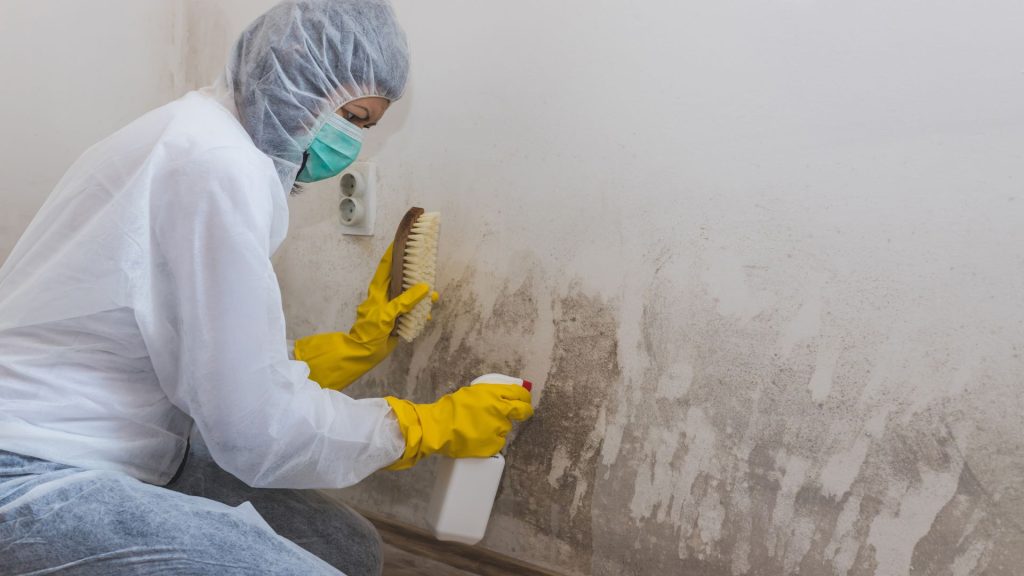
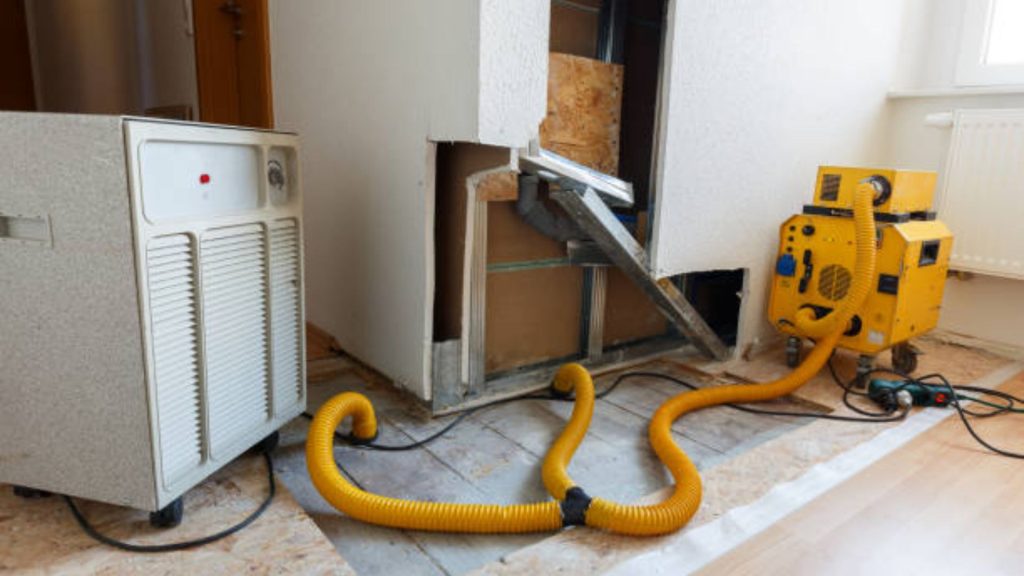
3. Professional Cleaning: Professional mold removal services use specialized cleaning agents to kill mold and prevent its return. HEPA vacuums and air scrubbers help remove mold spores from the air.
Regular inspections help identify hidden mold problems early, allowing you to address them before they cause serious damage.
Long-Term Health and Safety Benefits of Mold Inspections
Having regular mold inspections carries long-term health and safety benefits. Mold can cause various health problems, from mild allergic reactions to severe respiratory issues. Regular inspections ensure that mold is detected and removed quickly, protecting your family’s health.
For people with asthma or allergies, mold can be a serious trigger. Symptoms like sneezing, coughing, and shortness of breath can worsen with mold exposure. Keeping your home mold-free helps manage these symptoms and improves overall indoor air quality.
From a safety standpoint, mold inspections also protect your home’s structure. Mold can weaken building materials, leading to costly repairs. By catching mold early, you can prevent extensive damage to walls, ceilings, and floors. This proactive approach saves money and keeps your home in good condition.
Beyond health and safety, regular mold inspections provide peace of mind. Knowing that your home is free from mold threats helps you live comfortably and confidently. You can trust that your living environment is safe for you and your family.
Conclusion
Maintaining a healthy home means keeping an eye out for hidden dangers like mold. Regular mold inspections help identify and tackle mold problems before they escalate. These inspections are essential for protecting both your health and your home’s structure. By understanding what to expect during an inspection and addressing any hidden mold, you can ensure a safe environment for your family.
Don’t wait for mold to become a serious issue. Schedule a comprehensive mold inspection in Wichita with Freshco Cleaning & Restoration today. Let our experts in Wichita, KS, help you protect your home and health with our reliable mold inspection services.