





Mold growth in your home is more than just unsightly – it can compromise the structure of your house and negatively impact your family’s health. Kansas homeowners must understand the science behind mold growth, its consequences, and the importance of professional remediation to protect their residences and loved ones. By gaining insight into the causes and implications of mold, you can better address potential issues, ultimately keeping your home safe and healthy.
In this educational article, we will explore the science behind mold growth, the conditions that encourage its development, and how it spreads in Kansas homes. Furthermore, we will examine the professional remediation process, demonstrating the expertise FreshCo brings to combat mold-related issues effectively. By understanding the intricacies of mold growth and remediation, you can make informed decisions to better safeguard your household and enlist the services of experienced professionals like Freshco to handle your mold challenges with skill and precision.
1. Understanding Mold Growth: Causes and Conditions
Molds are microscopic fungi that play a vital role in breaking down organic matter in nature. However, when mold spores infiltrate our homes, they can cause problems ranging from cosmetic damage to serious health concerns for sensitive individuals. Mold growth requires three main conditions: moisture, food sources, and optimal temperature.
– Moisture: Mold thrives in damp environments and requires moisture to survive. Water leaks, high humidity, or condensation can create the perfect environment for mold growth in Kansas homes.
– Food Sources: Mold feeds on organic materials such as wood, paper, and even the dust that accumulates on various surfaces. Porous materials like drywall and insulation are particularly susceptible to mold infestation.
– Temperature: Most molds grow best in temperatures ranging from 60-80°F, which is the typical temperature range maintained in many homes.
Understanding these conditions can help Kansas homeowners identify potential mold risks in their homes and take proactive measures to prevent its growth.
2. Health Risks Associated with Mold Growth
Prolonged exposure to mold can lead to various health issues, particularly for people with preexisting allergies, asthma, or compromised immune systems. Some common health effects of mold exposure include:
– Respiratory issues: Coughing, wheezing, shortness of breath, and exacerbated asthma symptoms can result from mold exposure.
– Allergic reactions: Mold can trigger allergy symptoms such as itchy eyes, runny nose, sneezing, and skin rashes.
– Headaches and sinus infections: The presence of mold can contribute to headaches and sinus issues, including sinusitis.
– Weakened immune systems: Some studies suggest that exposure to mold can weaken the immune system, making individuals more susceptible to other illnesses and infections.
While not everyone exposed to mold will experience these symptoms, it’s crucial to address any mold issues in your home to protect the well-being of your family.
3. Identifying Mold in Your Kansas Home
Mold can be more than just a cosmetic issue – it can also cause structural damage and pose potential health hazards. Detecting mold early is critical for timely remediation, which can help prevent more extensive problems and costly repairs. Some signs of mold growth in your Kansas home include:
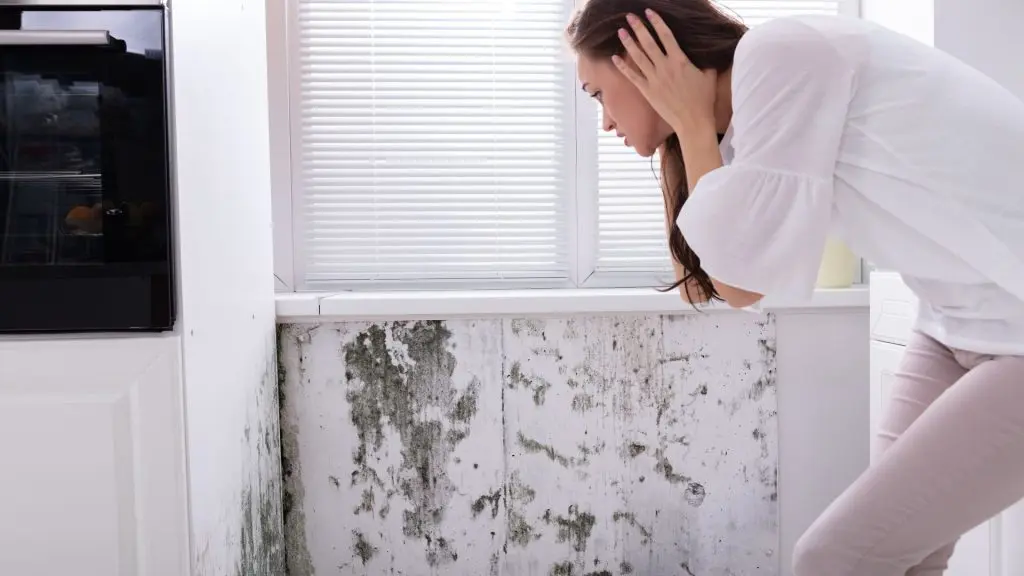
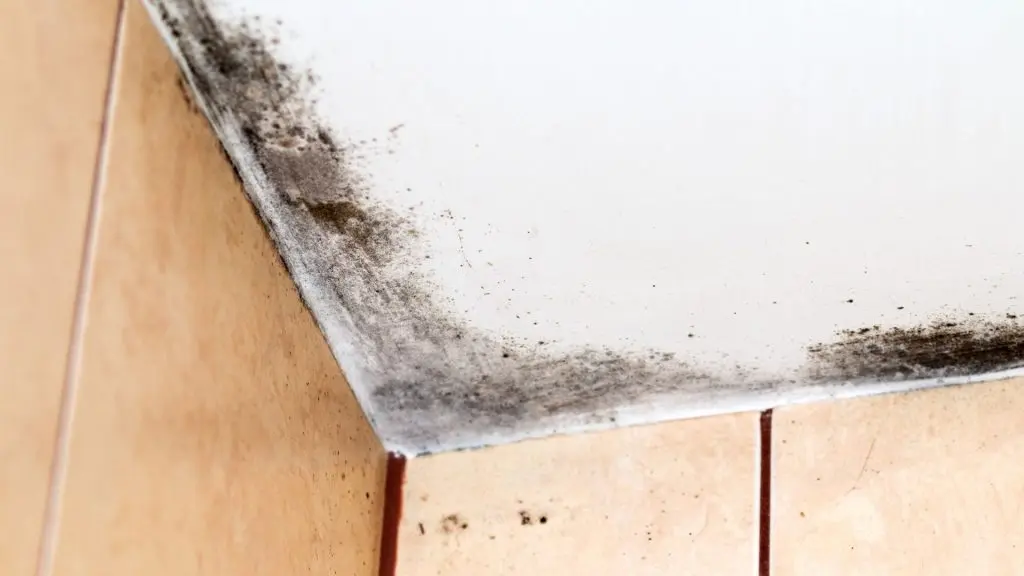
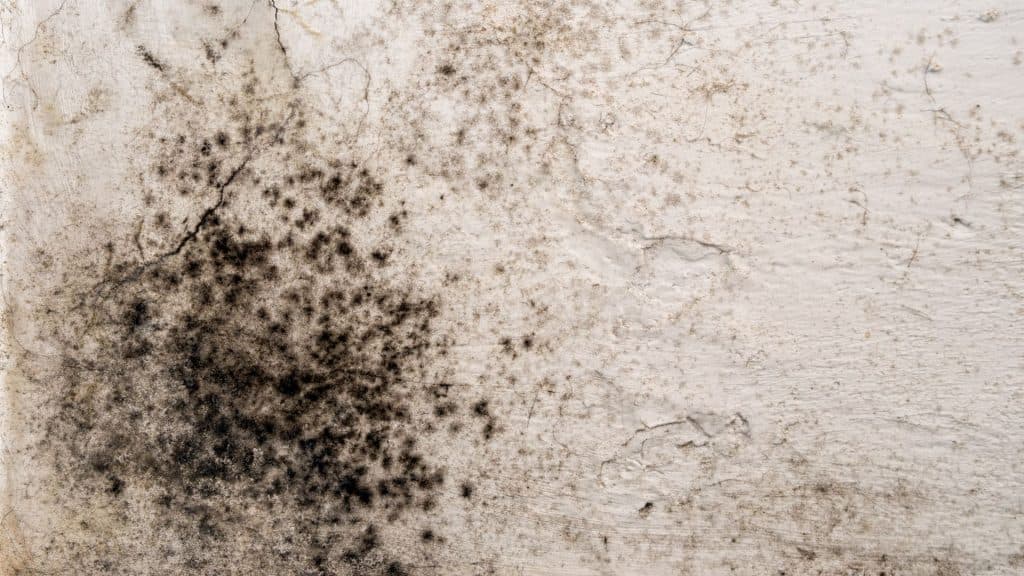
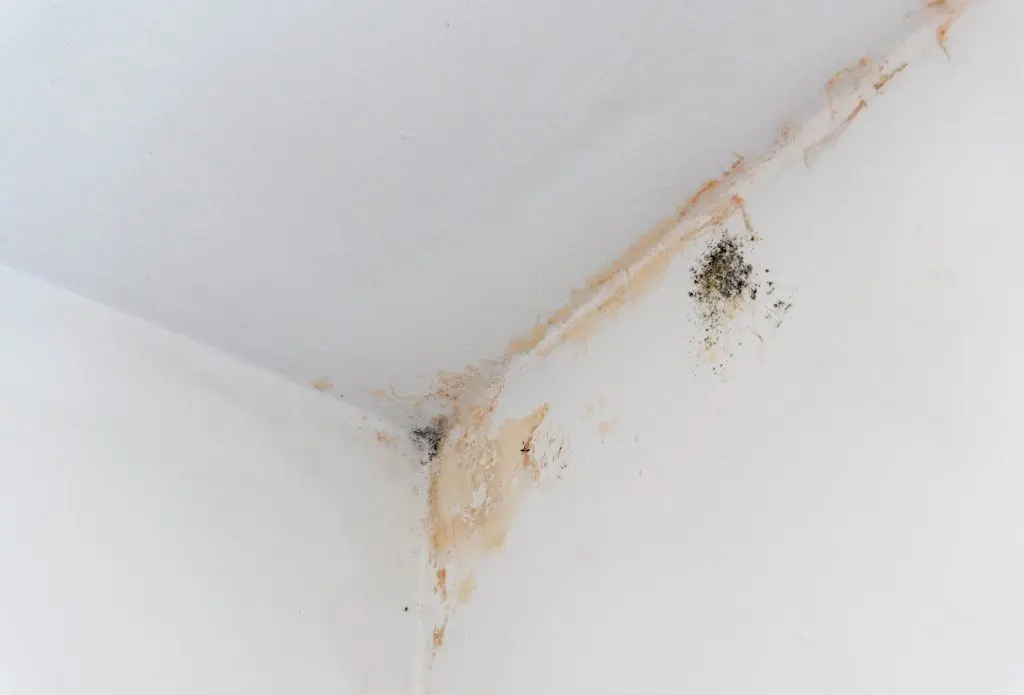
– Visible mold growth: Look out for dark-colored patches on surfaces like walls, ceilings, and floors, which may indicate mold infestation.
– Musty odors: Unpleasant, earthy smells are often associated with mold growth and can help you identify mold issues even when they are not visibly apparent.
– Water damage: If water damage is present in your home, such as water stains, bubbling paint, or swollen wood, there is a high likelihood of mold growth as well.
– Health symptoms: If occupants of your home experience unexplained allergies or respiratory issues, consider investigating for mold growth as a potential cause.
If you suspect mold growth in your home, it is essential to address the issue immediately and seek professional assistance for a thorough inspection and remediation.
4. The Mold Remediation Process
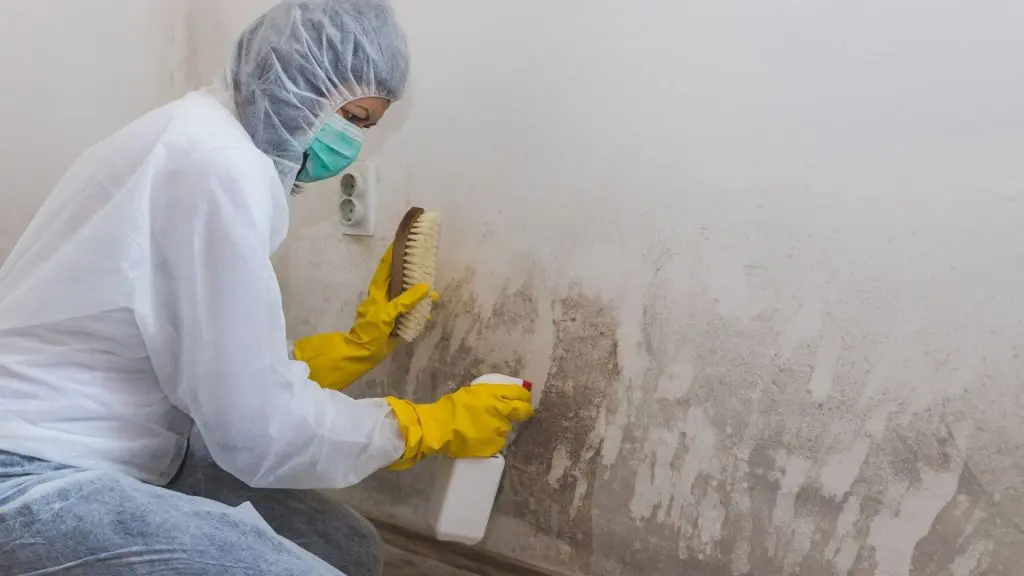
Mold remediation involves a systematic approach to identify, remove, and prevent mold growth in your home. It requires the knowledge and expertise of professional cleaning and restoration companies like FreshCo to ensure a thorough and effective resolution. The mold remediation process typically involves the following steps:
– Inspection: A professional mold inspector will assess your home to determine the extent of mold growth and its underlying causes. This assessment will help develop an appropriate remediation plan.
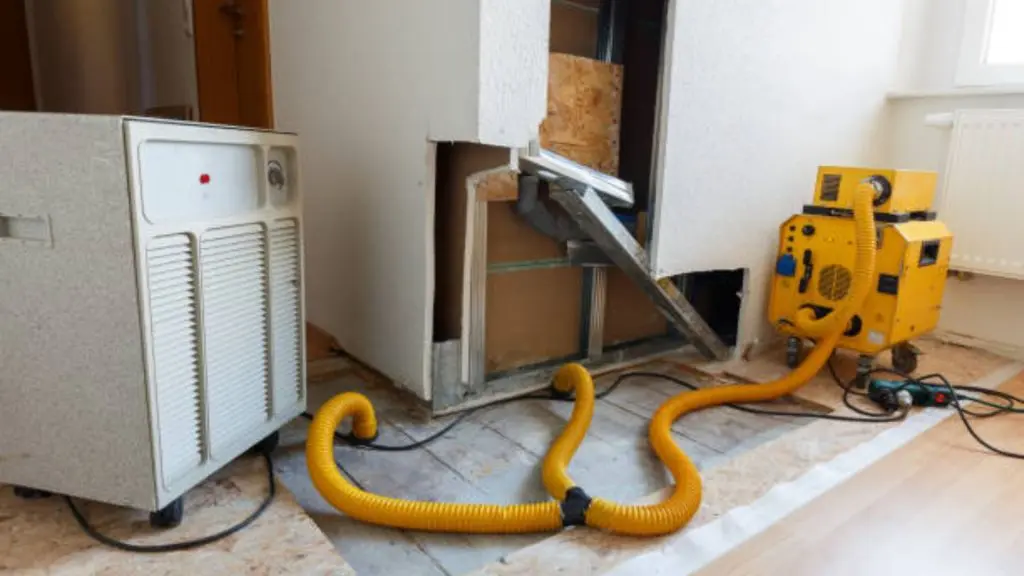
– Containment: To prevent spreading during the remediation process, the affected area is sealed off using plastic sheeting and negative air pressure.
– Removal: Mold-contaminated materials, such as drywall or insulation, are carefully removed and disposed of according to established guidelines.
– Cleaning: All remaining surfaces are thoroughly cleaned using specialized equipment, such as HEPA vacuums, and antimicrobial agents to eliminate mold spores and prevent regrowth.
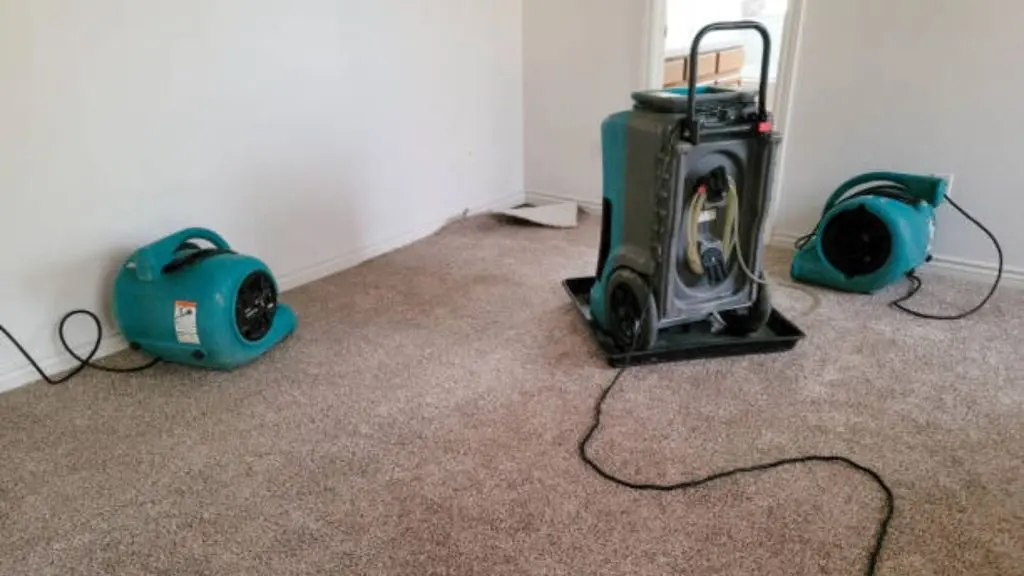
– Drying: Proper drying techniques are employed to ensure all remaining moisture is removed and reduce the likelihood of future mold growth.
– Restoration: Once all mold has been remediated, the process of restoring damaged areas begins, encompassing tasks like painting, replacing drywall, and reinstalling insulation.
5. Preventing Mold Regrowth: Maintenance and Monitoring
Once mold remediation is complete, it’s crucial to implement preventive measures to avoid future mold growth. Some strategies Kansas homeowners can implement include:
– Regularly monitoring for signs of water damage or mold growth
– Keeping indoor humidity levels below 60%, preferably around 30-50%, using air conditioners, dehumidifiers, or exhaust fans
– Fixing any water leaks or moisture problems promptly
– Ensuring proper ventilation in bathrooms, laundry rooms, and kitchens
– Insulating cold surfaces, such as windows and pipes, to reduce condensation
By staying vigilant and maintaining a dry, well-ventilated living environment, you can significantly reduce the risk of mold growth in your Kansas home.
Conclusion
Navigating the complexities of mold growth and remediation can be daunting for many homeowners. However, armed with the knowledge of the science behind mold, the health risks it poses, and the signs of its presence, you can take proactive measures to protect your family and your Kansas home. Partnering with professional mold remediation experts like FreshCo can ensure a thorough and effective resolution to any mold issues you face.
FreshCo specializes in identifying, removing, and preventing mold growth in Kansas homes, ensuring occupants’ health and safety. Their team of trained professionals utilizes advanced equipment and techniques to address and resolve mold-related problems quickly and efficiently. Additionally, Freshco’s commitment to excellent customer service and exceptional results makes them the ideal choice for Kansas homeowners seeking reliable mold removal in Hutchinson, KS.