














For commercial property owners, asbestos is a risk that often hides in plain sight. Many older buildings still contain asbestos within their materials, and any disturbance, whether from renovation, repair, damage, or simple aging, can release hazardous fibers into the air. Because these fibers are invisible and the health effects can take years to appear, the danger is easy to underestimate until it becomes a serious problem.
Professional testing and removal are the only safe way to manage this risk and protect everyone who uses the building. From employees and customers to contractors and visitors, the people who spend time in a commercial space depend on the property being safe. For Kansas businesses, taking asbestos seriously is both a responsibility and a smart business decision that protects health, limits liability, and ensures compliance with the law.
This guide explains the risks of asbestos, which industries are most affected, why testing should come before renovations, how professional removal works, and the benefits for everyone involved.
Understanding Asbestos Risks
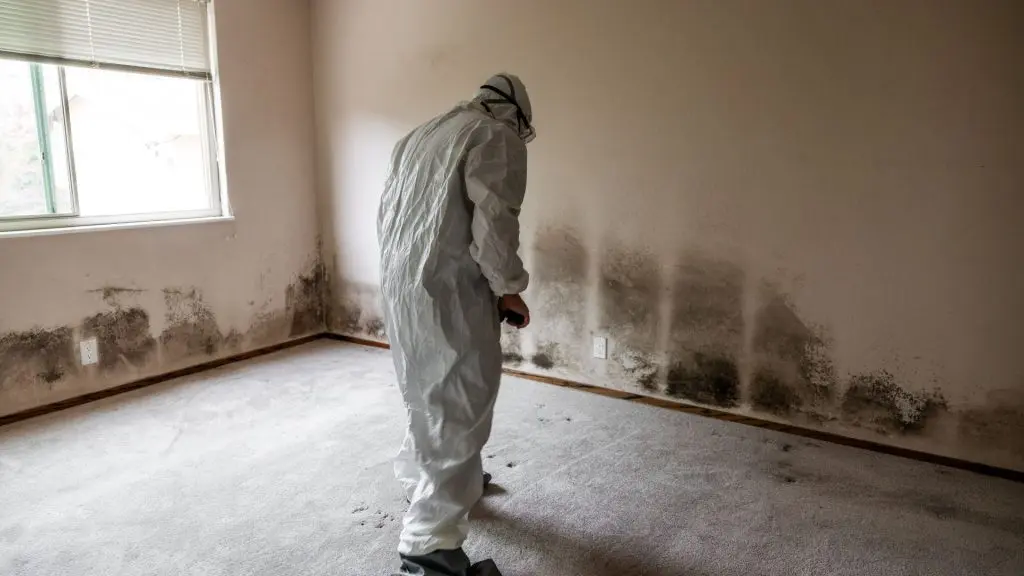
Asbestos becomes hazardous when its fibers become airborne and are inhaled. While intact, undisturbed asbestos containing materials pose a lower risk, that situation changes the moment those materials are damaged or disturbed. Renovations, repairs, demolition, and even ordinary wear and tear can release fibers into the air, where they can be breathed in by anyone nearby.
Once inhaled, these microscopic fibers can remain in the body and contribute to serious long term health conditions that may not surface for many years. This delayed and invisible nature is what makes asbestos so dangerous.
You cannot see, smell, or feel the fibers, and the consequences of exposure are not immediately apparent. Because of this, professional testing is essential to know whether asbestos is present before any work begins that might disturb it.
Industries Most Affected
Asbestos is most common in older commercial and industrial structures. Manufacturing facilities and warehouses built in earlier decades frequently contain it in insulation, flooring, and other materials. Office buildings, schools, retail spaces, and similar properties constructed before asbestos use was restricted are also likely candidates.
Industrial settings in particular may have used asbestos extensively for its heat resistance around equipment, pipes, and boilers. Any business operating in an older building, regardless of industry, should consider the possibility that asbestos is present, especially if renovations or repairs are on the horizon.
Why Testing Should Come Before Renovations
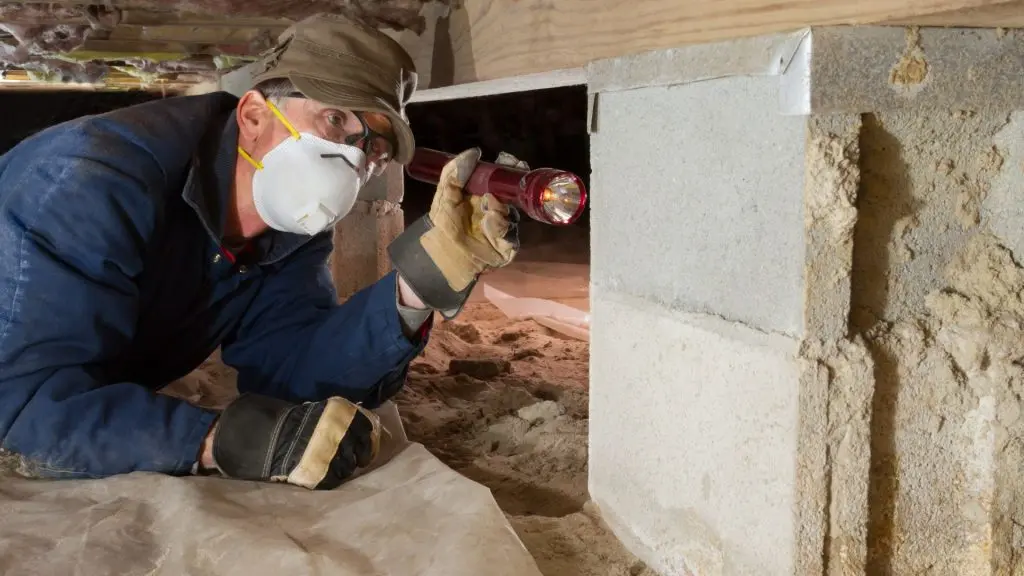
Renovation and demolition work can disturb hidden asbestos, releasing fibers throughout a building and putting workers and occupants at risk. This is why testing should always come before any such project, not after. Testing in advance identifies asbestos containing materials so they can be safely removed or properly managed before the work begins.
Skipping this step can lead to dangerous exposure, costly project delays, regulatory penalties, and significant liability. Discovering asbestos in the middle of a renovation, after it has already been disturbed, is far worse than identifying it beforehand. Testing first allows for proper planning, keeps everyone safe, and helps the project proceed smoothly and in compliance with regulations. It is a small, sensible step that prevents major problems.
Professional Removal and Compliance Requirements
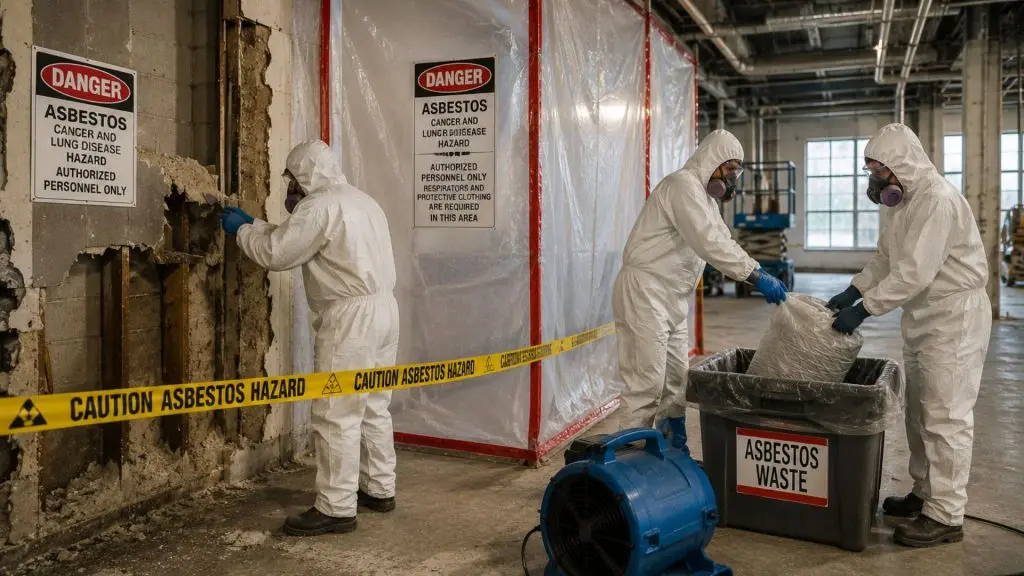
Asbestos removal is governed by strict safety regulations designed to protect workers, occupants, and the public. Certified professionals follow established procedures at every stage, including inspection, testing, containment, careful removal, and proper disposal of asbestos containing materials. After removal, clearance testing confirms that the space is safe before it returns to normal use.
These compliance requirements exist for good reason, and they are not something a business can safely shortcut. Working with qualified, certified professionals ensures that the job is done correctly and legally, with the right equipment and procedures to minimize fiber release. This protects the business from liability while protecting the health of everyone who uses the building. Compliance is not just a legal obligation but a fundamental part of keeping people safe.
Benefits for Employees, Customers, and Property Owners
Professional asbestos testing and removal provide important advantages for everyone connected to a commercial property. By identifying and addressing asbestos hazards properly, businesses can create a safer environment while protecting their operations, reputation, and long-term investment.
- Creates a Safer Workplace: Professional asbestos services help protect employees from exposure to hazardous asbestos fibers, supporting a healthier work environment.
- Protects Customers and Visitors: Testing and removal help ensure that clients, customers, tenants, and visitors can safely occupy and use the property.
- Reduces Liability and Compliance Risks: Proper asbestos management helps businesses meet regulatory requirements and minimizes potential legal and financial liabilities.
- Preserves Property Value and Usability: Addressing asbestos issues professionally helps maintain the property’s condition, functionality, and long-term value.
- Provides Peace of Mind: Business owners can focus on daily operations with confidence, knowing that a potentially serious hazard has been identified and managed correctly.
Professional asbestos testing and removal are investments in safety, compliance, and business continuity. By addressing asbestos properly, property owners can protect the health of occupants while safeguarding their finances and reputation.
The Cost of Ignoring Asbestos
Choosing to ignore the possibility of asbestos can be far more costly than addressing it. If asbestos is disturbed during a project and fibers are released, the result can be dangerous exposure for employees and customers, expensive emergency remediation, project shutdowns, and potential regulatory penalties.
The liability a business faces in such a situation can be significant. By contrast, proactive testing and removal are predictable, manageable steps that prevent these problems. For commercial property owners, the cost of professional testing and abatement is an investment that protects against much larger expenses and serious consequences down the road.
Protecting Your Business Reputation
Beyond health and legal considerations, how a business handles asbestos affects its reputation. Employees want to know their workplace is safe, and customers expect the spaces they enter to pose no hidden dangers.
Demonstrating that you have taken asbestos seriously, with professional testing and proper removal, builds trust and reflects well on your business. It shows a commitment to safety and responsibility that customers and staff alike appreciate.
In this way, professional asbestos handling is not just about compliance but about protecting the relationships and reputation that your business depends on.
Making Asbestos Safety Part of Your Routine
For commercial property owners, asbestos safety is most effective when it is treated as an ongoing responsibility rather than a one time concern. This means keeping records of past testing and removal, staying aware of which materials in older buildings may contain asbestos, and scheduling testing before any renovation, repair, or restoration work.
Building this awareness into your regular operations helps prevent accidental disturbances and keeps your property safe over the long term. A proactive, routine approach to asbestos protects your employees, your customers, and your business year after year.
Frequently Asked Questions
Which commercial buildings commonly contain asbestos?
Older offices, warehouses, schools, retail spaces, and industrial and manufacturing facilities built before asbestos use was restricted commonly contain it.
Is asbestos testing required before renovations?
Testing before renovations is strongly recommended, and often required, to identify and safely handle any asbestos present before it is disturbed.
Can employees remain in the building during removal?
Affected areas are contained and sometimes vacated during removal to protect occupants, depending on the scope and location of the work.
What happens if asbestos is discovered?
If asbestos is found, certified professionals contain the area and remove the material safely before normal use of the space resumes.
Why hire certified asbestos professionals?
Certified professionals follow strict safety and disposal regulations, ensuring the work is done safely, legally, and in full compliance.
Protect Your Commercial Property with Professional Asbestos Services
Asbestos remains one of the most significant hidden hazards found in older commercial buildings. Without proper testing and removal, asbestos containing materials can pose serious health risks to employees, customers, tenants, and contractors. Identifying and addressing these materials through professional services is essential for maintaining a safe environment and meeting regulatory requirements.
Professional asbestos testing and abatement help reduce liability, support compliance, and ensure that renovation, restoration, or maintenance projects can proceed safely. Taking proactive steps to manage asbestos is an investment in the long term safety, value, and operation of your commercial property.
If you suspect asbestos in your commercial building, contact FreshCo Cleaners or request a free quote today. Our experienced team can provide professional testing and removal services to help keep your property safe, compliant, and ready for the future.