












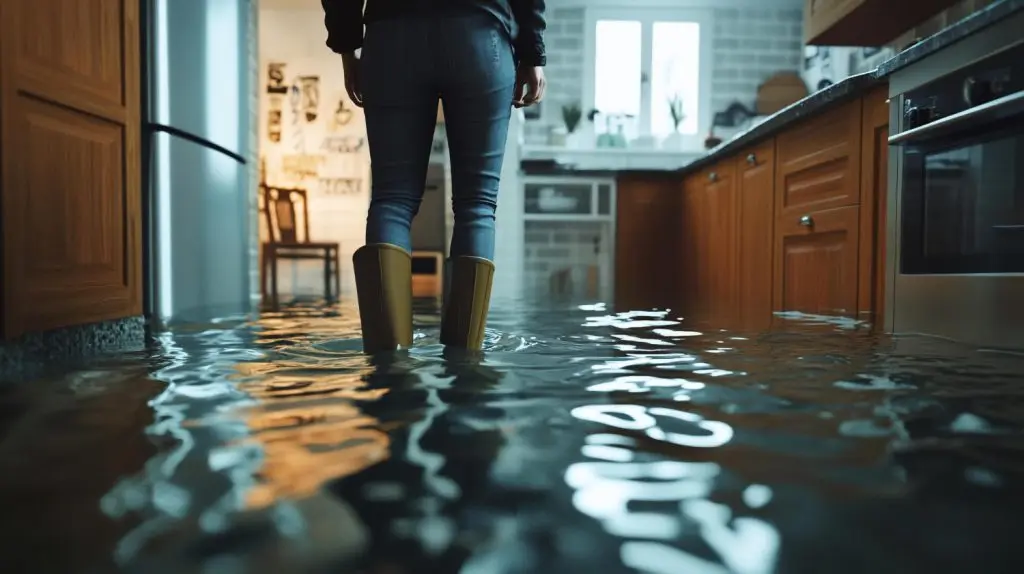
Discovering a burst pipe in your home can be a stressful experience, especially during the cold winter months. The sudden rush of water can quickly lead to significant damage if not handled properly. It’s important to act fast and take the right steps to minimize the impact on your home.
First, you need to know the immediate actions to take to stop the water and protect your property. Shutting off the main water valve and turning off electricity in affected areas are crucial first steps. From there, efficiently removing water and drying out the area can prevent further damage and mold growth.
Understanding the process of restoring damaged areas is essential for effective home restoration. With the right tips, tools, and preventative maintenance, you can ensure your home stays safe and dry. Taking measures to avoid future burst pipes will save you from dealing with similar issues again. By following these steps, you’ll be well-equipped to handle the challenges of water damage restoration.
Immediate Steps to Take When You Discover a Burst Pipe
When you first find a burst pipe, it’s crucial to act quickly to minimize water damage. Here are the immediate steps you should take:
1. Shut Off the Main Water Valve: Locate and turn off your home’s main water valve to stop more water from flooding in. This valve is usually found in the basement or near the water heater.
2. Turn Off Electricity in Affected Areas: Water and electricity don’t mix. To prevent electrical hazards, turn off the electricity in rooms where there is standing water.
3. Drain the Faucets: Open all the faucets in your home. This step helps drain the remaining water from the pipes and relieves pressure, which can minimize further leakage.
4. Move Furniture and Valuables: Quickly move any furniture, rugs, or valuables to a dry area. This helps protect them from water damage and makes the clean-up process easier.
5. Document the Damage: Take photos and videos of the water damage for your insurance claim. This documentation can be essential when you’re seeking compensation for repairs.
Taking these immediate steps helps control the situation and reduces the risk of severe water damage.
Techniques for Rapid Water Removal and Drying
Once you’ve stopped the water flow, the next critical step is drying out your home. Here are some effective techniques for rapid water removal and drying:
1. Use a Wet/Dry Vacuum: This powerful tool is great for sucking up standing water from floors and carpets. It’s much faster and more efficient than mopping.
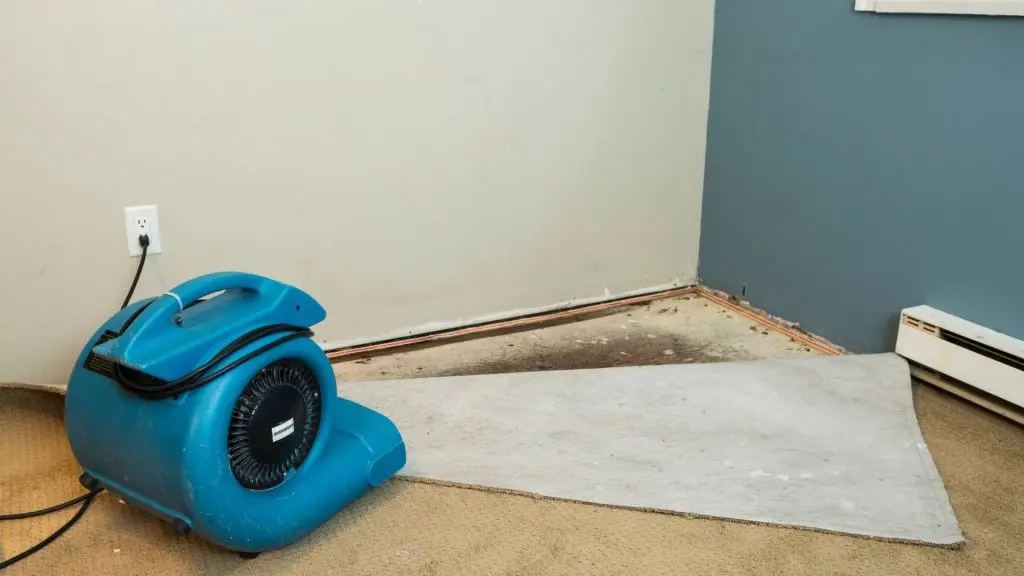
2. Deploy High-Speed Fans: Position high-speed fans around the wet areas to circulate air and speed up the drying process. The moving air helps evaporate water faster.
3. Utilize Dehumidifiers: Place dehumidifiers in the affected areas to remove excess moisture from the air. This step is vital for preventing mold growth and further damage to your home.
4. Open Windows and Doors: If the weather allows, open windows and doors to let fresh air in. Ventilation helps in reducing humidity and drying out the rooms faster.
5. Absorb Water with Towels: Use large towels or old clothes to soak up any remaining water on the floors or furniture. This helps remove moisture that might not be reached by vacuums or fans.
6. Check Hidden Areas: Don’t forget to dry hidden areas like inside cabinets, under sinks, and behind appliances. Use a moisture meter to ensure these spots are dry.
Using these techniques will help you effectively remove water and dry out your home, reducing the risk of mold and other long-term damage.
Restoring Damaged Areas: Tips and Tools
After removing the water and drying the areas, the next step is restoring the damaged parts of your home. Here are some essential tips and tools to help with restoration:
1. Inspect for Structural Damage: Thoroughly check walls, floors, and ceilings for any structural issues caused by water. If you find significant damage, it may be wise to consult a professional contractor.
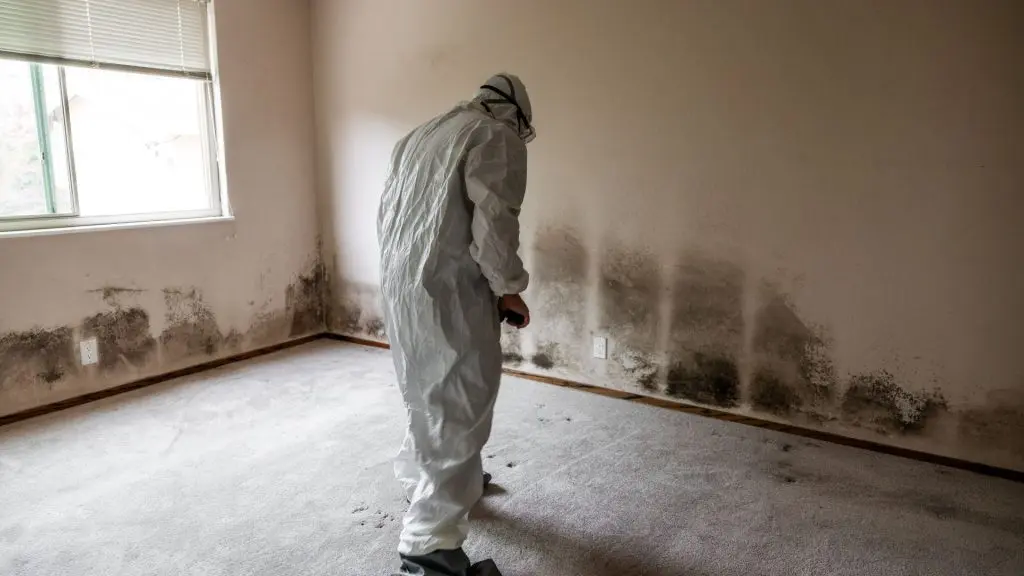
2. Replace Damaged Drywall: Wet drywall can become a breeding ground for mold. Cut away and replace any drywall that has been soaked or weakened by water.
3. Use Mold-Resistant Materials: When replacing damaged materials, opt for mold-resistant options. These can help prevent future mold growth and add an extra layer of protection to your home.
4. Sanitize and Disinfect: Clean all affected areas with a strong disinfectant to kill any bacteria or mold spores. Pay extra attention to hidden areas like behind baseboards and inside cabinets.
5. Paint and Seal: Once everything is clean and dry, repaint and seal the walls and other surfaces. Use mold-resistant paints and waterproof sealants to provide extra protection.
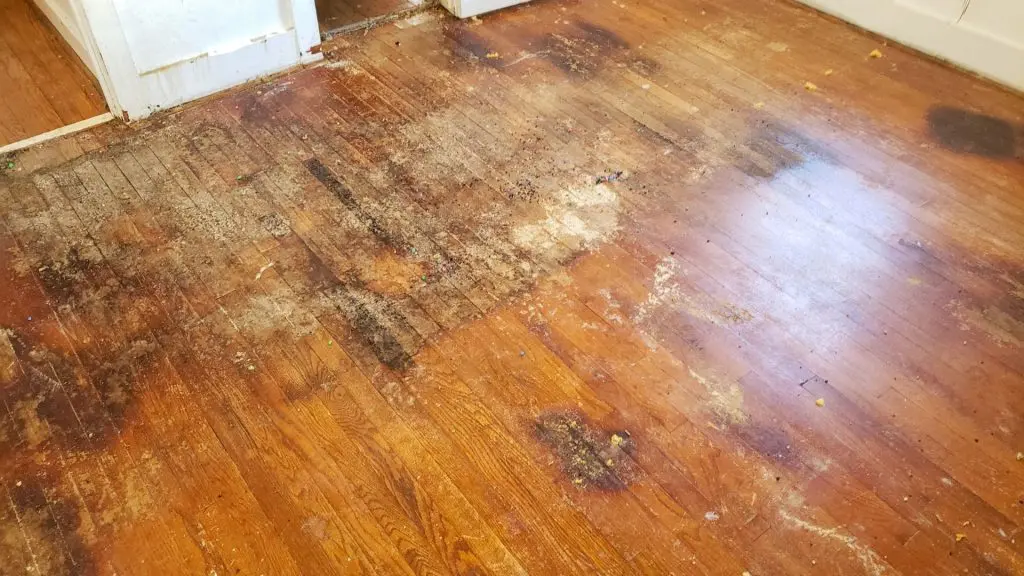
6. Check and Repair Flooring: Look at the condition of your flooring. If it’s hardwood, it may need to be sanded and refinished. For carpets, consider replacing them if they can’t be adequately dried and cleaned.
By following these tips, you can restore your home to its original state and prevent long-term damage.
Preventative Maintenance to Avoid Future Burst Pipes
Preventing burst pipes from happening again involves some proper maintenance and simple practices. Here’s how you can protect your home:
1. Insulate Exposed Pipes: Use pipe insulation to cover exposed pipes, especially in unheated areas like basements and attics. This insulation helps keep pipes warm and reduces the risk of freezing.
2. Seal Gaps and Cracks: Check your home’s exterior for gaps or cracks around pipes. Seal them with caulk or expanding foam to keep cold air out.
3. Maintain Heating: Keep your home at a consistent temperature, especially during cold weather. Even when you’re away, maintain a moderate temperature to prevent pipes from freezing.
4. Leave Faucets Dripping: During extremely cold temperatures, let your faucets drip slightly. Moving water is less likely to freeze and cause pressure buildup that leads to bursts.
5. Install Heat Tape or Cables: For extra protection, install heat tape or cables on vulnerable pipes. These devices provide a regulated flow of heat to keep pipes from freezing.
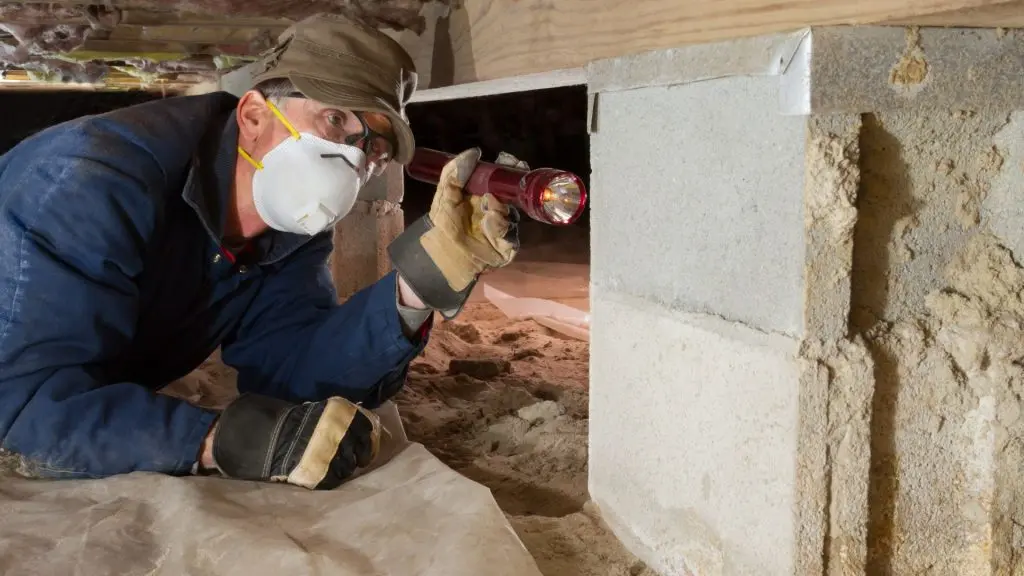
6. Regular Pipe Inspections: Schedule regular inspections of your plumbing system to catch potential problems early. Look out for signs of wear and tear, such as rust or leaks.
By following these preventative measures, you can significantly lower the chances of future pipe bursts and ensure a safer home environment.
Conclusion
Handling a burst pipe can be daunting, but taking the right steps can make a big difference. From immediate actions to rapid water removal and effective restoration, you can manage the situation efficiently. Investing in preventative maintenance is also crucial to avoid similar incidents in the future.
Taking these measures will help ensure your home stays safe and dry, even during the coldest winter months. If you find yourself facing water damage or need assistance with damage restoration, turn to the experts. FreshCo offers reliable services to help you deal with burst pipes and other home emergencies. Contact FreshCo today to safeguard your home from winter water woes.