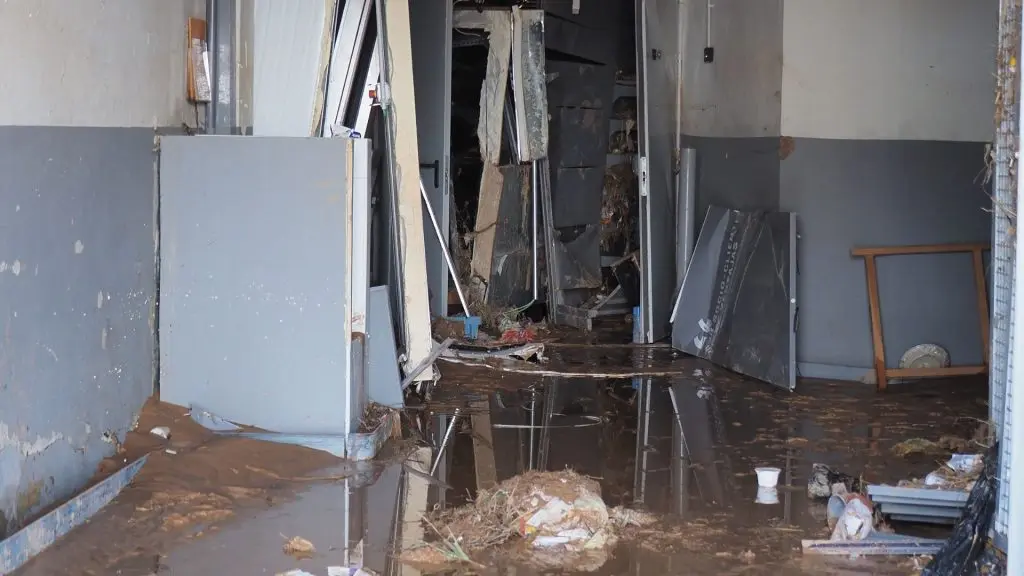













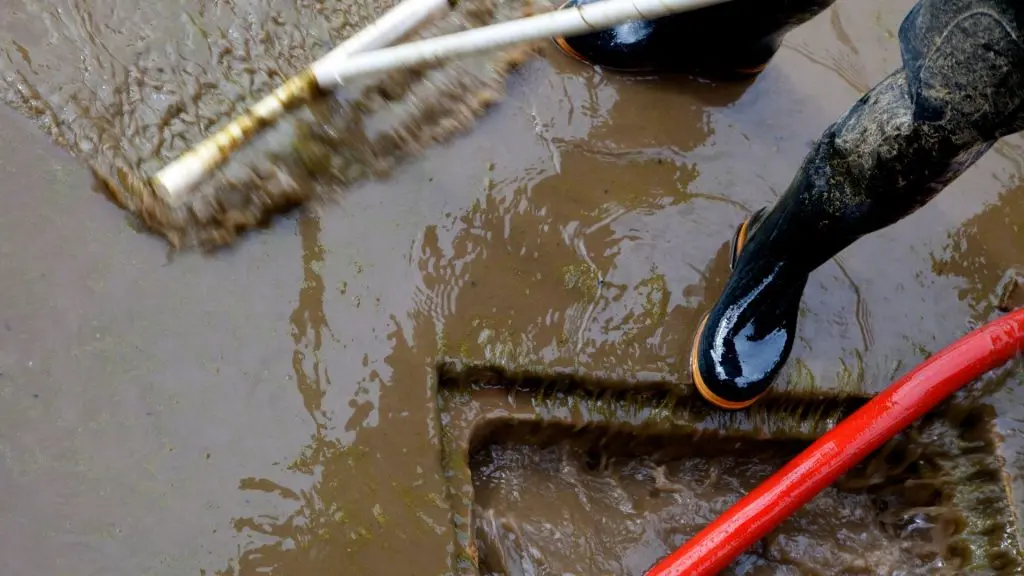
A sewage backup turns a plumbing problem into a health hazard within hours. Once wastewater from a toilet, floor drain, or sewer line enters your Hutchinson home, it carries bacteria, viruses, and parasites that standard household cleaning was never designed to handle. FreshCo Cleaning & Restoration works with homeowners across Hutchinson and the surrounding Reno County area who are tempted to grab a mop and handle it themselves, and this guide explains why sewage backup cleanup needs a trained crew, not a DIY weekend project.
Can You Clean Up a Sewage Backup Yourself?
No. Sewage backup cleanup is not a safe DIY task. Raw sewage, classified as category 3 or “black water,” contains pathogens that can cause serious illness through skin contact, inhalation, or contamination of surfaces you touch later. Without medical-grade PPE, commercial-strength antimicrobial treatments, and equipment built to extract contaminated water from flooring and subfloor materials, a homeowner cleanup attempt typically leaves behind contamination that isn’t visible but is still there.
The rest of this guide walks through exactly what makes sewage exposure dangerous, why common cleaning products fall short, and what a professional cleanup actually involves.
Understanding Why Sewage Water Is Different
Restoration professionals generally separate water damage into three categories. Category 1 is clean water from a source like a supply line. Category 2, or “gray water,” carries some contamination, such as water from a washing machine or dishwasher. Category 3, “black water,” includes sewage backups and floodwater, and it’s treated as grossly contaminated from the moment it appears. That classification isn’t just industry jargon, it determines what protective equipment is required, which materials can be salvaged, and how thoroughly a space has to be sanitized before it’s considered safe again. A sewage backup is always treated as category 3 from the start, since waiting to confirm the severity only gives contamination more time to spread through flooring, walls, and personal belongings.
The Health Risks Hiding in Raw Sewage
Bloodborne and Waterborne Pathogens
Sewage water carries bacteria such as E. coli and salmonella, along with viruses and parasites that can survive on surfaces long after the water appears to have receded. Exposure can happen through open cuts, mucous membranes, or hand-to-mouth contact, which makes casual contact during a cleanup attempt genuinely risky, not just unpleasant. Symptoms from exposure can range from gastrointestinal illness to skin and eye infections, and they don’t always show up right away.
Airborne Contaminants and Mold Growth
Standing sewage water also releases airborne particles as it dries, and any porous material it touches, drywall, carpet padding, insulation, becomes a breeding ground for mold within 24 to 48 hours. Occupational health guidance treats raw sewage exposure as a serious workplace hazard for a reason, and that same hazard exists in a residential basement or bathroom just as it would on a job site.
Protecting Children, Pets, and Vulnerable Household Members
Young children, older adults, pregnant women, and anyone with a compromised immune system face a higher risk of illness from sewage exposure. Pets are also vulnerable, since they’re less likely to avoid contaminated areas on their own and more likely to track contamination through the rest of the home. Keeping these household members away from the affected area isn’t an overreaction, it’s a basic safety step.
Why Household Cleaners and DIY Methods Fall Short
- Bleach and general-purpose disinfectants are built for everyday surface germs, not the pathogen load found in raw sewage. A few reasons DIY cleaning methods fail:
- Surface disinfectants don’t reach contamination that has soaked into subflooring, drywall, or insulation.
- Mops and shop vacuums move contaminated water around instead of fully extracting it, which spreads bacteria to areas that look clean.
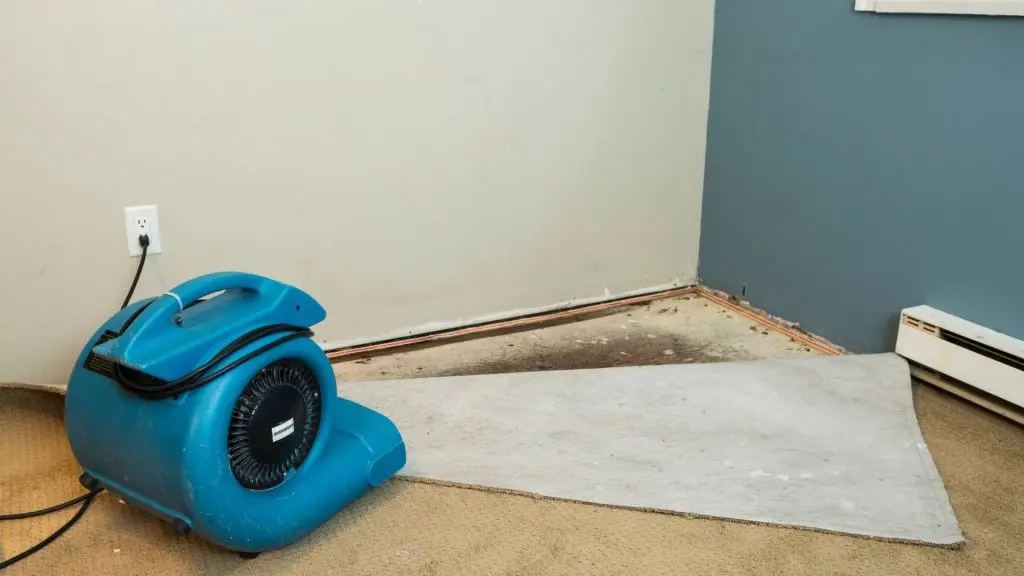
- Without air movers and dehumidification tuned to the affected space, moisture lingers in wall cavities and creates ideal conditions for mold.
- Odor often returns days later because the organic material causing it was never fully removed, only masked.
- Store-bought moisture meters and general cleaning tools can’t tell you how far contaminated water has traveled behind walls or under flooring, so there’s no reliable way to confirm a DIY job is actually finished.
Homeowners frequently believe a space is clean because it looks and smells better, when the underlying contamination is still present in materials that were never properly treated or removed.
What Professional Sewage Cleanup Actually Involves
Assessment and Moisture Detection
Before any work begins, technicians assess how far the contamination has spread using moisture detection equipment that can identify water hidden behind walls, under flooring, and inside cabinetry. This step determines which materials can be cleaned and sanitized and which need to be removed entirely.
PPE and Specialized Equipment
Restoration technicians working a sewage backup wear respirators, waterproof suits, gloves, and boot covers rated for category 3 water exposure. That level of protection reflects how seriously the industry treats black water contamination, even for a job that might only take a few hours.
Containment, Extraction, and Disposal
Before any cleanup begins, the affected area is contained to stop cross-contamination into unaffected rooms. Contaminated water and materials that can’t be salvaged, such as soaked carpet, padding, or drywall, are removed and disposed of according to standard restoration protocols. Powerful extraction equipment pulls water out of flooring and subfloor faster and more thoroughly than a wet vac.
Sanitization and Deodorization
Once materials are removed and surfaces are dry, technicians apply hospital-grade antimicrobial treatments to every surface the water touches, not just what’s visible. Air scrubbers and specialized deodorizing equipment address odor at its source in the air and in remaining porous materials, rather than covering it up.
Why Partial DIY Cleanup Often Makes Things Worse
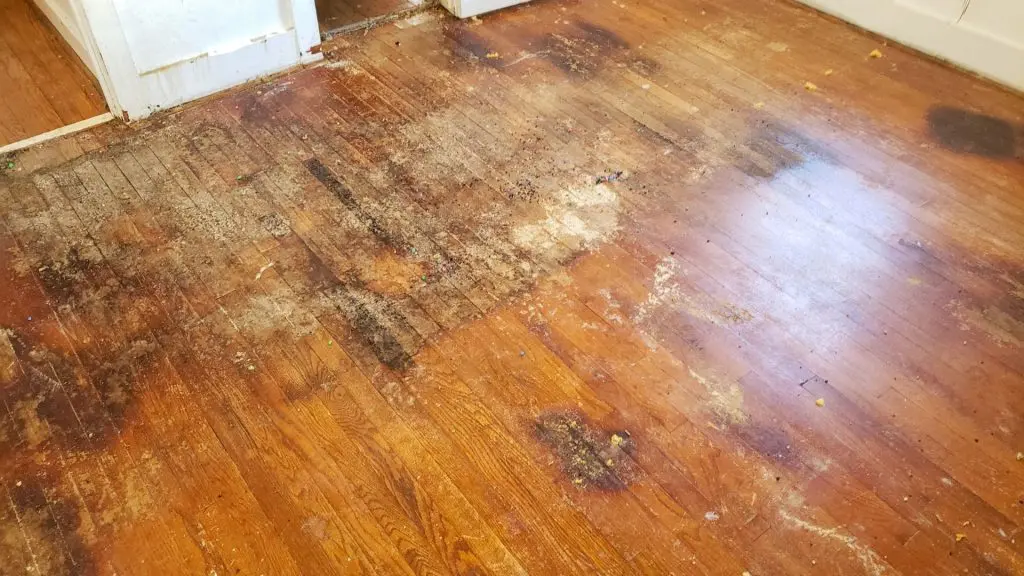
A common pattern FreshCo sees is a homeowner who mops up visible water, runs a fan, and assumes the problem is solved. The issue is that visible cleanup and actual decontamination are two different things. Contaminated moisture trapped behind baseboards or under flooring keeps feeding bacteria and mold growth long after the surface looks dry. By the time odor or health symptoms bring the problem back to the homeowner’s attention, the contamination has often spread further and the eventual repair costs more than if professionals had been called immediately.
There’s also an insurance angle. Documentation from a licensed restoration company supports a claim, while a homeowner’s own cleanup attempt, especially one that removes materials before an assessment, can complicate that process. Adjusters generally look for a clear record of what was contaminated, what was removed, and how the space was sanitized, and a DIY cleanup rarely produces that kind of documentation.
The Hidden Cost of Delaying Cleanup
Every hour that contaminated water sits in a home, it spreads further into materials and grows the eventual repair bill. Wood subfloor and drywall absorb moisture quickly, and once bacteria and mold establish themselves inside those materials, cleaning is no longer enough, the material has to be removed and replaced. What starts as a contained bathroom or basement issue can turn into a larger renovation project if it sits untreated for even a day or two. Calling a restoration crew as soon as a backup is discovered is one of the most effective ways to keep both the health risk and the repair cost as small as possible.
Sewage Backups in Hutchinson Homes: What to Know Locally
Hutchinson and the wider Reno County area include a mix of older homes with aging sewer laterals and newer construction, and both can experience backups from tree root intrusion, line blockages, or heavy rain overwhelming a sewer connection. Basements and lower-level bathrooms are typically the first place a backup shows up, since they sit closest to the main sewer line. Homeowners in the area should know that a sewage backup is a different category of emergency than a typical water leak and should be treated accordingly from the first sign of trouble.
What to Do Immediately After a Sewage Backup
Keep children, pets, and anyone with a compromised immune system away from the affected area.
- Avoid walking through or touching the water without protective gear.
- Turn off the water supply if the backup is actively flowing, and avoid running additional water, sinks, showers, or laundry, until the source is identified.
- Open windows for ventilation if it’s safe to do so, without stepping through contaminated areas.
- Call a professional emergency restoration team before attempting any cleanup.
- Photograph the damage from a safe distance for insurance documentation.
Acting quickly matters, but acting safely matters more. The first hour after discovering a sewage backup should be about containment and getting help on the way, not cleanup.
When to Call FreshCo Cleaners
FreshCo Cleaners provides sewage backup cleanup for homes throughout Hutchinson and the surrounding area, alongside water damage restoration, mold testing and removal, and fire damage restoration. If sewage has backed up into your bathroom, basement, or lower level, the safest move is to stop what you’re doing, keep the area clear, and call FreshCo before attempting any cleanup. A trained crew can assess contamination, extract and remove affected materials, and sanitize the space properly, which protects both your health and your home. Reaching out at the first sign of a backup, rather than after a weekend of trying to manage it alone, keeps the cleanup faster, safer, and less costly overall.
Frequently Asked Questions
Can I clean up a sewage backup myself?
No. Sewage backup cleanup involves category 3 black water, which carries bacteria, viruses, and parasites that require professional PPE, extraction equipment, and antimicrobial treatment to fully remove. DIY cleanup typically leaves hidden contamination behind, even when the area looks clean.
Is sewage backup cleanup covered by homeowners insurance?
Coverage depends on your specific policy and the cause of the backup. Many policies cover sudden sewer backups under certain endorsements, while others exclude them without added coverage. A professional restoration company’s documentation and assessment can support your claim regardless of the outcome, so it’s worth checking your policy details and speaking with your insurance provider directly.
How long does professional sewage cleanup take?
Timelines vary based on how much water intruded and which materials were affected. A contained bathroom backup might be resolved in a day or two, while a basement backup that reaches drywall, flooring, and insulation can take several days for extraction, removal, drying, and sanitization to be done correctly.
What’s the difference between water damage and sewage backup cleanup?
Water damage restoration deals with clean or gray water from sources like burst pipes or appliance leaks. Sewage backup cleanup deals with black water contaminated by waste, which requires additional PPE, containment, disposal, and sanitization steps that standard water damage cleanup doesn’t require.
How do I know if sewage water has contaminated my walls or flooring?
Porous materials like drywall, carpet, carpet padding, and subflooring absorb contaminated water even after surfaces appear dry. A professional inspection using moisture detection equipment can identify how far contamination has traveled, which is difficult to determine visually.
Does FreshCo offer emergency sewage cleanup in Hutchinson?
Yes. FreshCo Cleaning & Restoration serves Hutchinson and the surrounding area for sewage backup cleanup, water damage restoration, mold testing and removal, and fire damage restoration.