














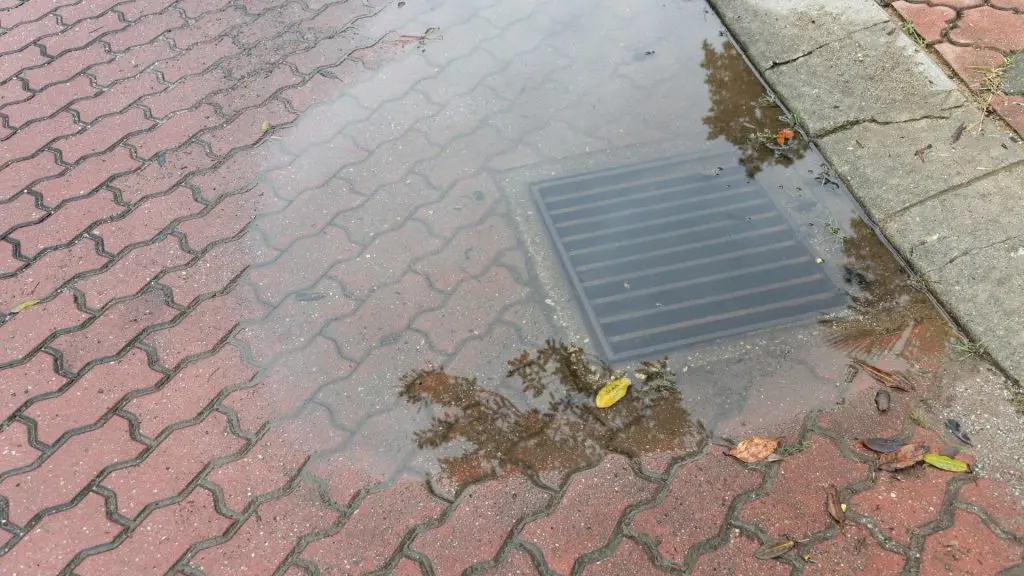
A few inches of rain in a short window is often enough to push Hutchinson’s sewer lines past their limit. When that happens, wastewater has nowhere to go but back up through the nearest low point, which is frequently a basement drain, tub, or toilet in a nearby home. Sewage cleanup in Hutchinson, KS becomes an urgent need almost as soon as the water starts rising, because this isn’t ordinary flooding. It’s contaminated wastewater that carries real health risks if it’s handled the wrong way.
This guide covers why heavy rain triggers these backups in Reno County, how to recognize one early, what to do in the first few minutes, and what a professional cleanup actually involves. Whether you’ve just discovered standing water in your basement or you want to be prepared before the next storm, the information below is written specifically for homeowners in Hutchinson and the surrounding area.
Why Heavy Rain Triggers Sewage Backups in Hutchinson
Hutchinson relies on a network of sanitary and combined sewer lines that were built to handle a certain volume of wastewater. During a heavy rain event, stormwater can infiltrate aging pipes through cracks and loose joints, or overwhelm the system directly if storm drains and sanitary lines share infrastructure in older parts of the city. Either way, the result is the same: more water enters the system than it was designed to move.
Aging Sewer Lines and Stormwater Overload
Many neighborhoods in and around Hutchinson were built decades ago, and the sewer laterals connecting individual homes to the main municipal line are often just as old as the houses themselves. Clay or older cast iron pipe can shift, crack, or develop root intrusion over the years, creating openings where groundwater seeps in during a heavy rain. When the municipal main is already running near capacity, that extra water has nowhere to go except back up the line toward the lowest fixtures in a home, typically basement floor drains, laundry tubs, or ground-floor toilets.
Common Warning Signs in Your Home
Catching a backup early can limit how far it spreads. Watch for:
- Slow-draining sinks, tubs, or toilets on the lowest level of the home, especially right after or during a rainstorm
- Gurgling sounds coming from drains when other fixtures are used
- A sewage odor near floor drains, the basement, or crawlspace
- Water or dark staining around a basement floor drain
- Multiple fixtures backing up at once, which usually points to the main line rather than a single clogged drain
If you notice more than one of these signs during or after a rain event, treat it as a sewage backup rather than a simple clog.
Sewage Water Is a Serious Health Hazard
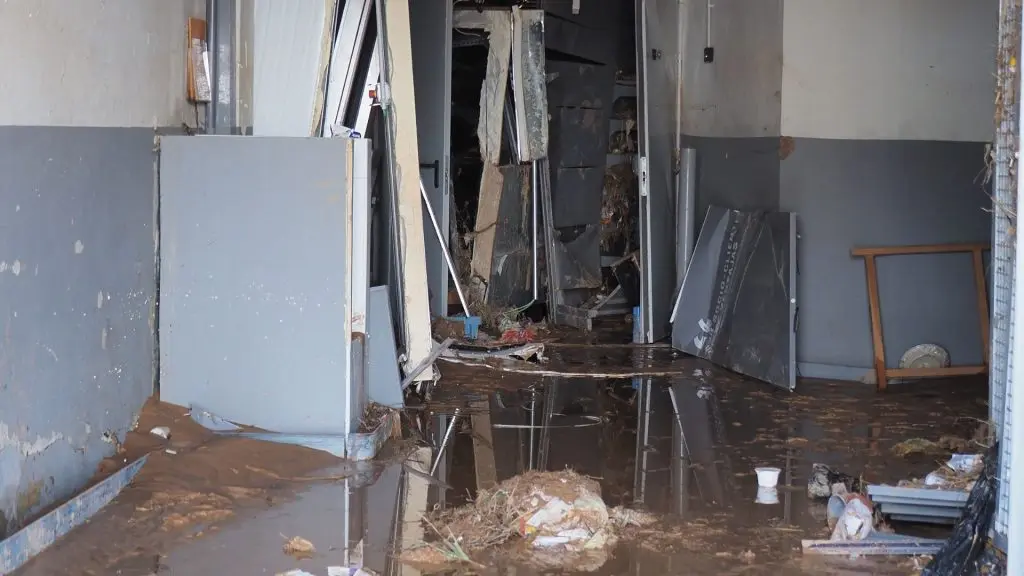
Water from a sewage backup is classified as category 3, or “black water.” It can carry bacteria, viruses, parasites, and other contaminants from wastewater, and it should never be treated like a typical water spill. Standing in it, touching it with bare skin, or tracking it through the rest of the house can spread contamination and create a real health risk for anyone in the home, especially young children, older adults, pets, and anyone with a compromised immune system or open wound.
If a backup happens in your home:
- Keep children and pets out of the affected area entirely
- Avoid walking through the water, even in boots, until you know how contaminated materials will be handled
- Do not attempt to remove standing sewage water yourself with a shop vac or mop
- Turn off electricity to the affected area at the breaker if it can be done safely without stepping into water
- Open windows if possible to ventilate the space, but leave the room otherwise
Sewage cleanup is not a DIY project. Professional restoration technicians use protective equipment, industrial extraction tools, and EPA-registered disinfectants specifically because category 3 water requires a different level of containment than a burst pipe or an overflowing washing machine.
What to Do the Moment You Notice a Backup
Once you’ve confirmed a sewage backup, a few quick steps make a real difference in how contained the damage stays:
- Stop using water in the house. Running additional water down drains or flushing toilets adds volume to a system that’s already backing up.
- Evacuate the affected area and keep everyone, including pets, away from it.
- Shut off the main water supply if the backup is severe or continuing to rise.
- Take photos or a short video of the affected area for insurance documentation before anything is touched or moved.
- Call a sewage cleanup professional. The sooner containment starts, the less chance contaminated water has to spread into subfloors, drywall, and personal belongings.
Is Sewage Backup Covered by Homeowners Insurance?
In most cases, no. Standard homeowners insurance policies typically exclude sewer and drain backup damage unless you’ve added a separate sewer backup endorsement or rider to your policy. This is a common gap that many Hutchinson homeowners don’t discover until they’re already dealing with a backup.
If you’re not sure whether your policy includes this coverage, it’s worth calling your insurance agent to check before a storm, not after. If a backup does happen, document everything with photos before cleanup begins and keep a detailed record of the restoration work performed. That documentation matters whether your claim goes through a sewer backup endorsement or another part of your policy.
The Professional Sewage Cleanup Process
A licensed restoration team follows a specific sequence when responding to a sewage backup. Understanding the process helps explain why DIY cleanup falls short and why speed matters.
Containment and Extraction
Technicians first isolate the affected area to prevent contaminated water from spreading to unaffected parts of the home. From there, industrial-grade extraction equipment removes standing water quickly, which limits how far it can soak into flooring, subfloor, and framing.
Disposal of Contaminated Materials
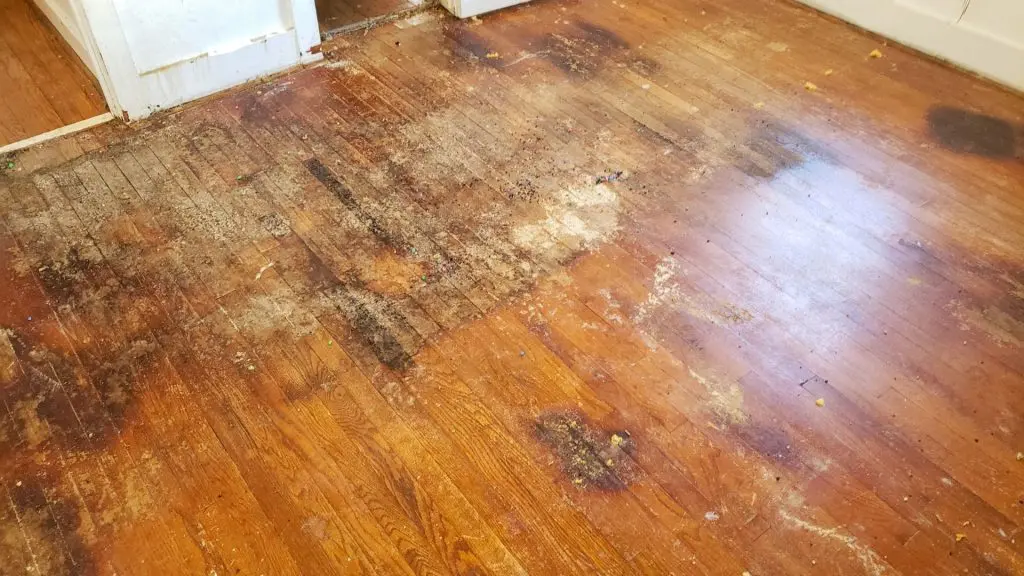
Porous materials that have been in contact with category 3 water, such as carpet, carpet padding, and in some cases drywall, generally cannot be sanitized and have to be removed and disposed of properly. This step is one of the biggest differences between sewage cleanup and a standard water damage response.
Sanitization and Drying
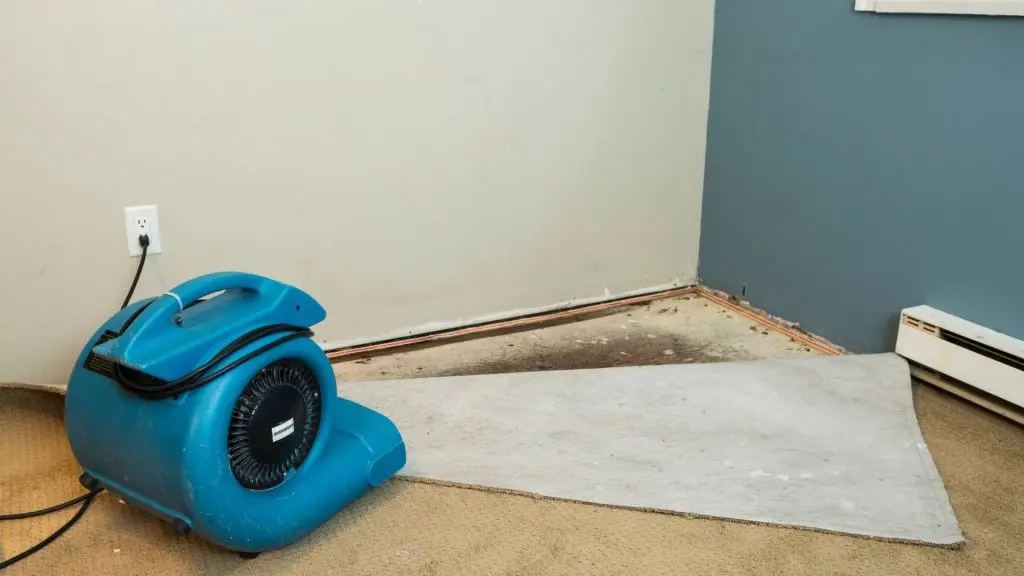
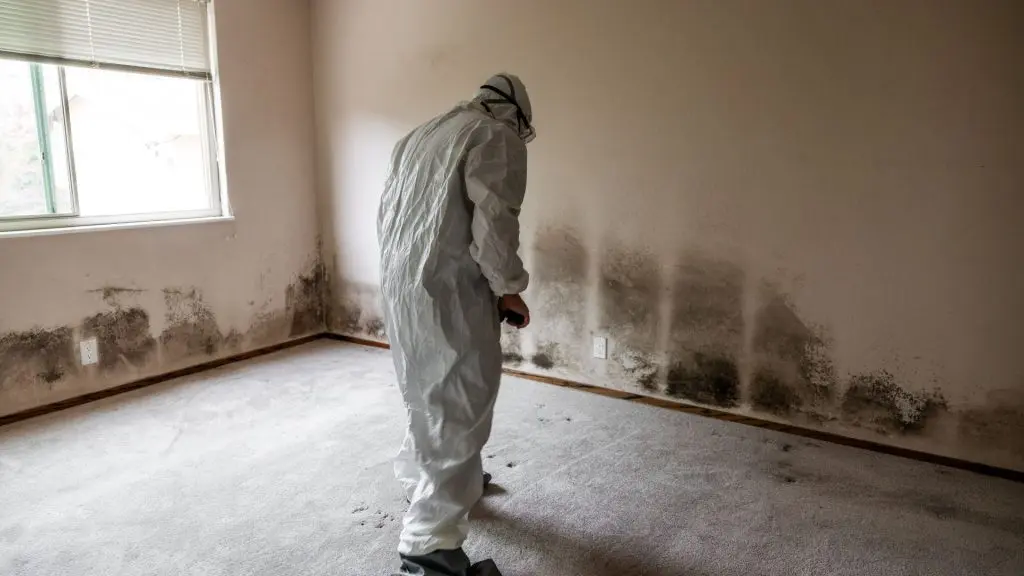
Once contaminated materials are removed, the affected area is cleaned and treated with EPA-registered disinfectants designed for sewage contamination. Industrial dehumidifiers and air movers are then used to dry the space fully, since any remaining moisture can lead to mold growth within 24 to 48 hours. If moisture has already been sitting for a while before cleanup starts, a mold remediation assessment may be needed as a follow-up step.
Preventing Future Sewage Backups
While you can’t control how much rain falls or how the municipal sewer system handles it, a few preventive steps reduce your risk of a repeat backup:
- Install a backwater valve on your main sewer line, which allows wastewater to flow out but closes automatically if the municipal line tries to push water back in.
- Keep a sump pump in working order and test it before storm season, including a battery backup in case of a power outage during heavy rain.
- Avoid flushing wipes, paper towels, or pouring grease down drains, since these are common contributors to line blockages that make backups worse
Have your sewer lateral inspected periodically, especially in older homes, to catch root intrusion or pipe damage before it causes a failure during the next heavy rain
If Your Hutchinson Home Has a Sewage Backup, Call FreshCo
Sewage backups don’t wait for a convenient time, and neither should the response. FreshCo Cleaning & Restoration provides sewage cleanup, water damage restoration, and professional water extraction for homeowners throughout Hutchinson and the surrounding communities. If your basement floor drain is backing up during or after a storm, don’t wait to see if it clears on its own. Call FreshCo’s emergency services line as soon as you notice standing water or a sewage odor, and our team will contain the damage, remove contaminated materials, and get your home properly sanitized and dried out.
Frequently Asked Questions
How quickly do I need to start sewage cleanup after a backup?
Ideally within hours, not days. Category 3 water continues to spread contamination the longer it sits, and moisture left untreated for more than 24 to 48 hours creates conditions for mold growth. Calling a restoration team as soon as you confirm a backup limits both the health risk and the extent of the damage.
Can I clean up a sewage backup myself?
It’s not recommended. Sewage water contains bacteria and pathogens that require personal protective equipment and specialized disinfectants to handle safely. A shop vac or household cleaning products won’t fully decontaminate the area, and improper handling can spread contamination to parts of the home that weren’t originally affected.
What’s the difference between water damage and sewage cleanup?
Water damage from a clean source, like a burst supply line, is generally category 1 water and can often be dried and salvaged. Sewage backup is category 3, black water, which means porous materials it touches typically have to be removed and disposed of rather than dried and saved, and the cleanup requires disinfection, not just drying.
Why do sewage backups happen more often after heavy rain in Hutchinson?
Heavy rain can overwhelm municipal sewer lines, especially in older parts of the city where infrastructure has aged or stormwater can infiltrate through cracked pipe joints. When the main line is running at or near capacity, wastewater backs up toward the lowest, most accessible point, which is often a floor drain or fixture inside a nearby home.
Should I turn off the water or power during a backup?
Stop using water in the house immediately so you’re not adding volume to an already backed-up system. If it’s safe to do so without stepping into standing water, shut off electricity to the affected area at the breaker. If reaching the breaker means walking through water, leave it and wait for a professional.
How long does professional sewage cleanup take?
It depends on how much area is affected and how long the water sat before cleanup started, but most residential jobs move through extraction, disposal of contaminated materials, and disinfection within the first one to two days, followed by several more days of monitored drying to make sure the space is fully dry before repairs begin.