













Sewage damage is hazardous on its own, but the problems it creates often extend far beyond the initial backup. The contamination and moisture it leaves behind set the stage for mold growth and structural damage that can affect a home for months to come. What begins as a single unpleasant event can develop into a series of related problems if it is not addressed thoroughly and quickly.
For Kansas homeowners, understanding this connection helps explain why sewage damage must be taken so seriously. It is not enough to remove the visible mess. The hidden contamination and moisture must be fully addressed to prevent the secondary problems that so often follow.
This guide explains why sewage water creates ideal conditions for mold, which structural materials are most vulnerable, the health risks involved, how professional restoration works, and how to prevent long term damage.
Why Sewage Water Creates Ideal Conditions for Mold
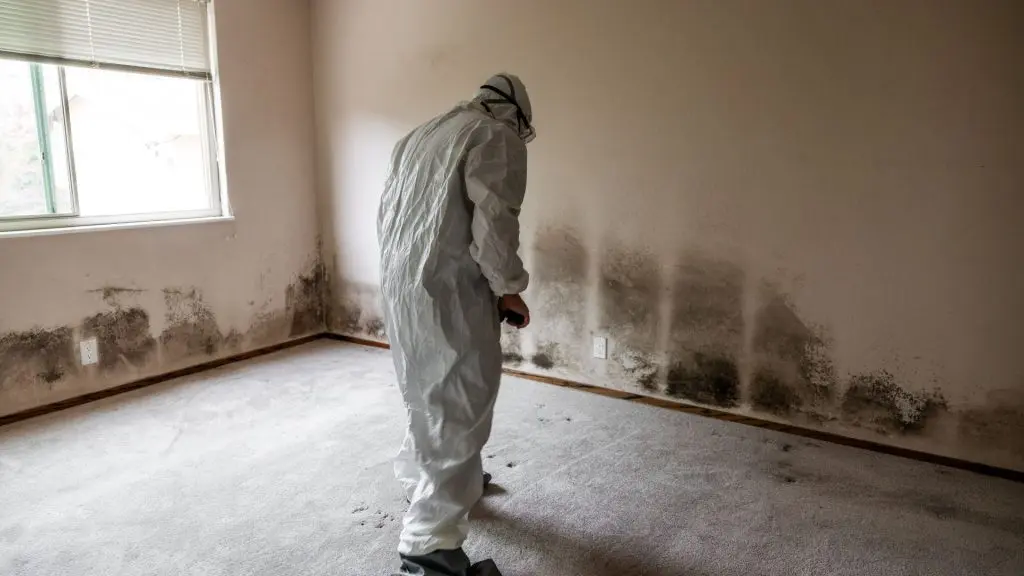
Mold needs two main things to grow: moisture and organic material to feed on. Sewage water introduces both into a home at the same time. As it soaks into porous surfaces and seeps into hidden spaces, it creates a damp, nutrient rich environment that is practically perfect for mold. The contamination it carries adds organic matter that mold can consume, while the moisture provides the dampness mold requires.
Because mold spores are always present in the air, they only need the right conditions to begin growing. After sewage exposure, those conditions are readily available, and growth can begin within just 24 to 48 hours.
This rapid timeline is one reason sewage damage must be addressed immediately. The longer the moisture and contamination remain, the more firmly mold establishes itself and the harder it becomes to remove.
Structural Materials Most Vulnerable to Damage
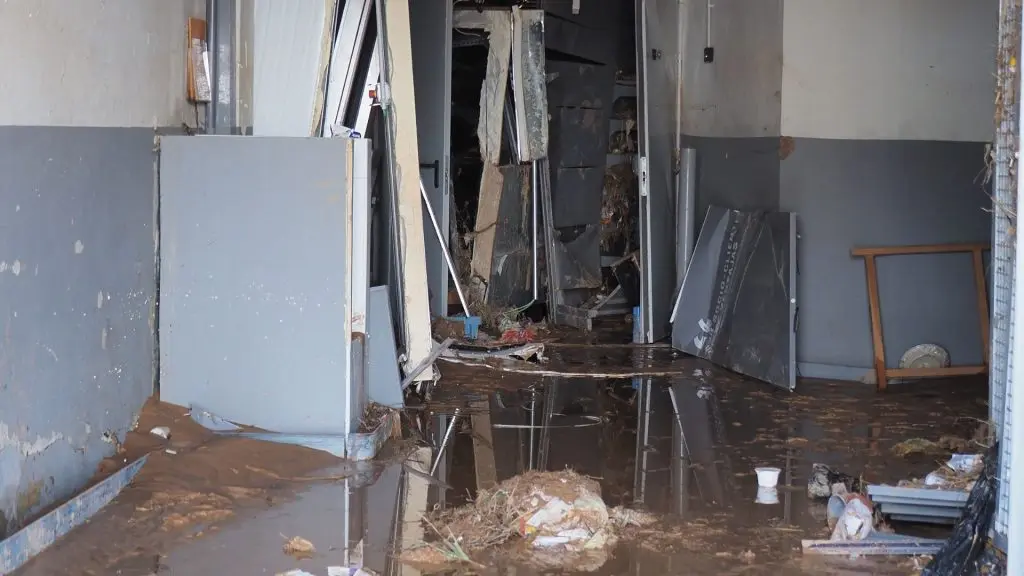
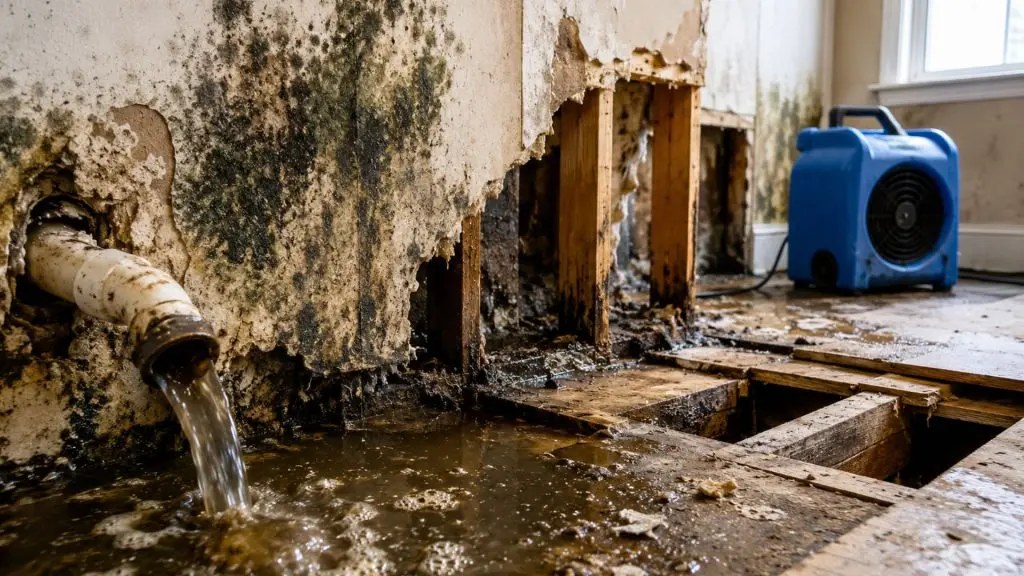
Several common building materials are especially vulnerable to sewage damage. Drywall absorbs contaminated water readily and breaks down quickly, often becoming unsalvageable. Wood framing and subfloors swell, warp, and weaken with prolonged exposure to moisture, which can affect the stability of the structure.
Insulation becomes saturated, loses its effectiveness, and can harbor contamination and mold. Flooring, carpet, and padding frequently absorb sewage and must be removed and replaced because they cannot be fully sanitized. Together, the effects on these materials can compromise the integrity of a home if the damage is not addressed promptly and properly.
Health Risks Associated With Sewage and Mold
Both sewage and mold pose significant health risks, and when they occur together the danger increases. Sewage carries bacteria, viruses, parasites, and other pathogens that can cause serious illness through contact or inhalation. Mold, meanwhile, releases spores that can trigger allergy symptoms, respiratory irritation, and other health issues, particularly for those with allergies, asthma, or weakened immune systems.
When sewage contamination leads to mold growth, the indoor environment becomes especially hazardous, combining two separate health threats in one space. This is why professional cleanup and remediation are essential rather than optional. Protecting the health of everyone in the home requires addressing both problems thoroughly.
Professional Restoration Process
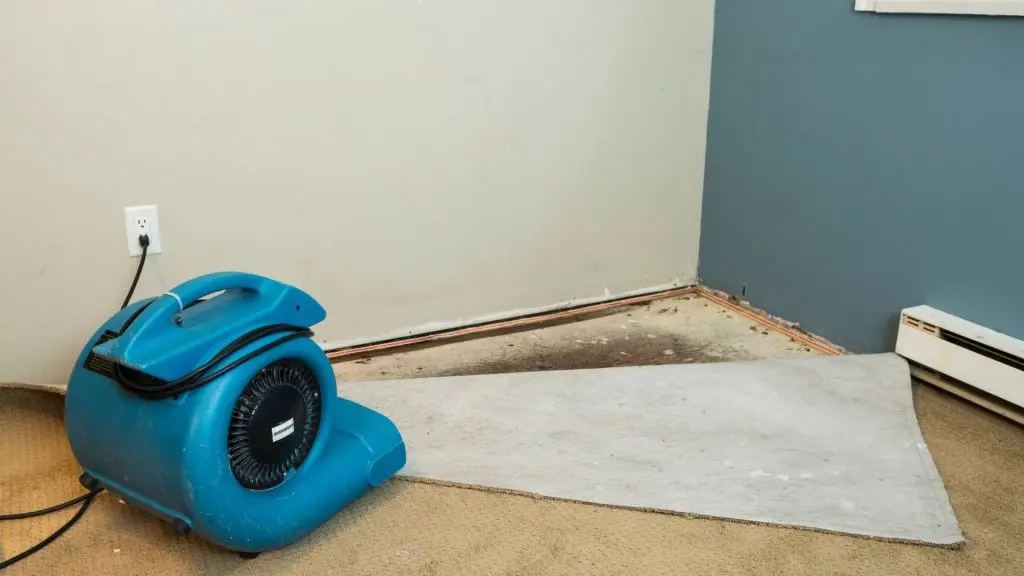
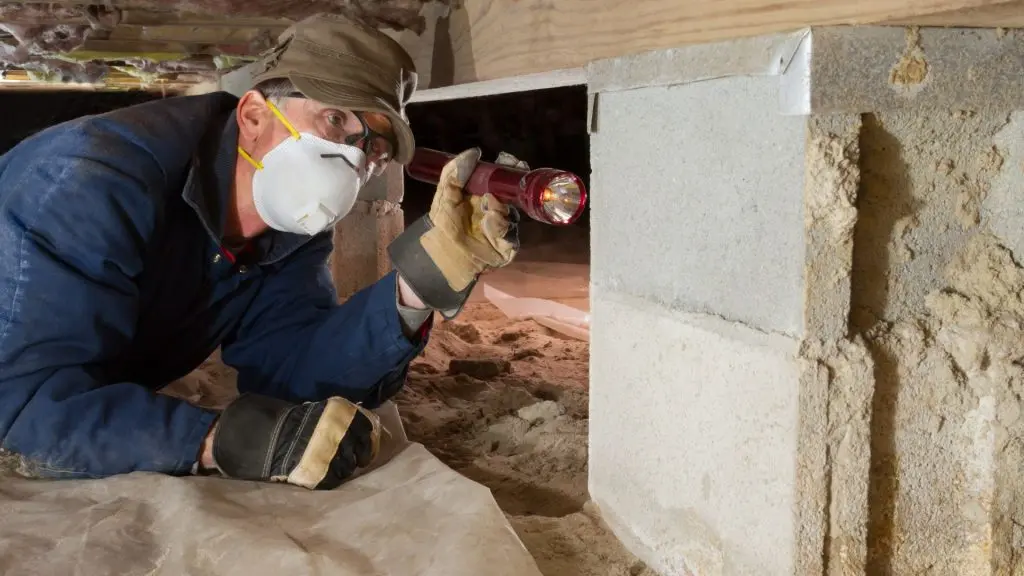
Professional restoration addresses both the contamination and its consequences in a thorough, systematic way. Technicians begin by assessing the situation and removing contaminated water and unsalvageable materials. They then clean and disinfect every affected surface with professional grade products to eliminate bacteria and other pathogens. The space is dried completely using industrial equipment to remove hidden moisture and prevent further mold growth.
When mold is already present, remediation removes it and corrects the moisture source so it does not return. Finally, damaged materials are repaired or replaced as needed. This comprehensive approach restores a safe and stable environment, addressing not just the visible damage but the hidden problems beneath the surface.
Preventing Long Term Property Damage
The best way to prevent long term damage from sewage is to act quickly and rely on professionals. Prompt removal of contamination, complete drying of the affected areas, and proper mold remediation stop secondary problems before they take hold.
The longer sewage damage is left unaddressed, the more it spreads, the more mold develops, and the more structural materials deteriorate. Addressing the problem thoroughly the first time, with professional help, protects your property for the long run and saves you from far more extensive and expensive repairs later.
Warning Signs of Mold After Sewage Damage
Sewage damage creates an environment where mold can develop quickly if moisture is not fully removed. Even after cleanup, it is important to monitor your property for warning signs that hidden mold growth may be occurring.
- Persistent musty odors that remain after sewage cleanup, often indicating hidden moisture or mold growth.
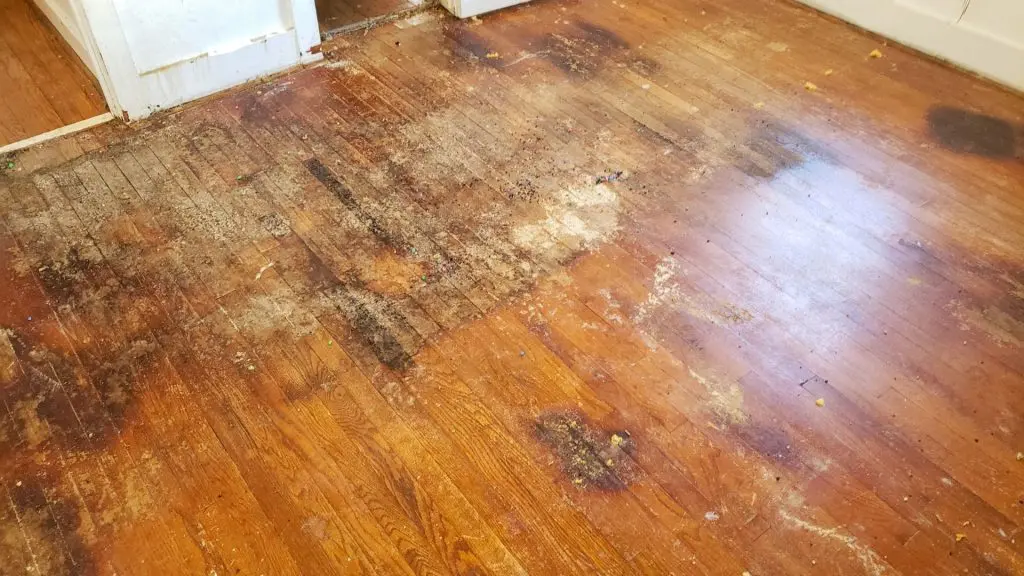
- Visible discoloration or staining on walls, ceilings, or flooring that may suggest mold beneath the surface.
- Peeling paint, bubbling drywall, or warped materials caused by trapped moisture.
- Increased allergy-like symptoms, such as sneezing, coughing, or congestion among occupants.
- Respiratory irritation or worsening asthma symptoms, especially when indoors.
- Recurring damp or humid conditions in previously affected areas.
- Unusual or spreading stains that continue to grow over time.
Because sewage damage creates ideal conditions for mold growth, these warning signs should never be ignored. Early detection and prompt action can help prevent mold from spreading further, reduce remediation costs, and protect the health and safety of everyone in the home.
Why Professional Restoration Is the Safer Choice
Sewage damage presents a serious combination of health hazards, contamination risks, and potential structural issues. Because of this, it should always be handled by trained professionals who have the tools and expertise to manage the situation safely and thoroughly.
- Addresses hazardous contamination safely using proper protective equipment and procedures.
- Removes sewage and affected materials in accordance with health and safety standards.
- Thoroughly cleans and disinfects surfaces to eliminate harmful bacteria and pathogens.
- Drys the structure completely to prevent lingering moisture and mold growth.
- Identifies and remediates hidden damage that may not be visible during a basic inspection.
- Reduces the risk of long-term issues such as structural deterioration and persistent odors.
- Prevents cross-contamination to unaffected areas of the home.
- Provides a comprehensive restoration process that ensures the property is safe to reoccupy.
For Kansas homeowners, professional sewage restoration is the most reliable way to ensure both safety and full recovery of the property. It protects health, reduces long-term risks, and ensures the damage is properly addressed from start to finish.
Acting Quickly to Protect Your Property
Because sewage damage leads so readily to mold and structural problems, time is a critical factor. The faster the contamination and moisture are removed, the less opportunity mold has to grow and the less damage building materials sustain. Prompt professional restoration interrupts this chain of events before it can fully develop.
For Kansas homeowners, responding immediately to sewage damage and bringing in professionals right away is the most effective way to protect both health and property. Quick action today prevents the far more serious and costly problems that delay can bring tomorrow.
Frequently Asked Questions
Why does sewage damage promote mold growth?
Sewage introduces both moisture and organic material into a home, creating the damp, nutrient rich conditions that mold needs to grow rapidly.
Can sewage affect a home’s structure?
Yes. Prolonged moisture from sewage weakens drywall, wood framing, subfloors, and other structural materials over time, threatening stability.
How quickly can mold develop after sewage exposure?
Mold can begin developing within 24 to 48 hours of sewage exposure if the area is not cleaned, disinfected, and dried promptly.
What is involved in sewage restoration?
Restoration involves removing contamination, disinfecting all affected surfaces, drying the space completely, and remediating any mold that develops.
Can structural damage be repaired after sewage contamination?
Yes. Damaged materials can be repaired or replaced once the contamination is removed and the area is fully cleaned and dried.
Prevent Long Term Damage After Sewage Backup
Sewage damage rarely remains confined to the original backup area. The contamination and moisture it leaves behind can quickly lead to mold growth, unpleasant odors, and structural issues that continue long after the incident. Prompt professional restoration is the most reliable way to stop these problems early and protect both your health and your property.
If your home has experienced sewage damage, take action as soon as possible. Contact FreshCo Cleaners or request a fast, free quote for professional restoration services. Our team will thoroughly address the damage and help you prevent more serious issues in the future.