














Living with mold is more than just a cosmetic issue for homeowners in south-central Kansas; it is a significant environmental health hazard that can lead to chronic respiratory distress and systemic inflammation. When a property owner neglects a damp basement or a leaky roof near the Park City Arena, the resulting fungal growth releases microscopic spores and metabolic byproducts into the air. Understanding the specific health risks of mold exposure in Park City, KS homes is the first step in protecting your family from long-term medical complications and ensuring your living space remains a safe sanctuary.
What happens to your body when you are exposed to mold?
Exposure to indoor mold triggers an immune system response that can manifest as allergic rhinitis, asthma exacerbations, or even fungal infections in vulnerable individuals. The primary mechanism of injury occurs when you inhale airborne spores or fragments, which the body identifies as foreign invaders. For many residents living near the Chisholm Creek parklands, the common symptoms of mold exposure in homes often mimic seasonal allergies, leading many to dismiss the warning signs until the infestation becomes severe.
The biological impact of mold remediation park city is not limited to those with existing allergies. Even healthy individuals can experience irritation of the eyes, skin, and throat when exposed to high concentrations of fungal particles. In the humid climate of the 67219 zip code, these irritants can accumulate quickly in poorly ventilated spaces, leading to a persistent “musty” smell that indicates the presence of microbial volatile organic compounds (mVOCs) that directly affect the nervous system and respiratory tract.
Common Symptoms of Mold Exposure in Kansas Residences
The initial signs of a mold problem are often subtle, beginning with a scratchy throat or a persistent cough that seems to disappear when you leave the house. Because mold thrives in the damp, dark corners of Kansas basements and attics, these symptoms can persist for months before the source is identified.
- Upper Respiratory Distress: Frequent sneezing, a runny or stuffy nose, and sinus congestion are the most common indicators that your indoor air quality has been compromised.
- Ocular Irritation: Red, itchy, or watery eyes are a direct response to airborne spores landing on sensitive mucosal membranes.
- Dermatological Issues: Some people develop skin rashes or hives after coming into physical contact with mold-contaminated surfaces or heavily infested textiles.
- Asthma Triggers: For those with pre-existing conditions, mold exposure can lead to wheezing, chest tightness, and a significant increase in the frequency of asthma attacks.
Maintaining a healthy indoor environment requires specialized knowledge, and you can easily Contact Us to receive a customized assessment for your property.
Understanding the Black Mold Health Risks in Kansas
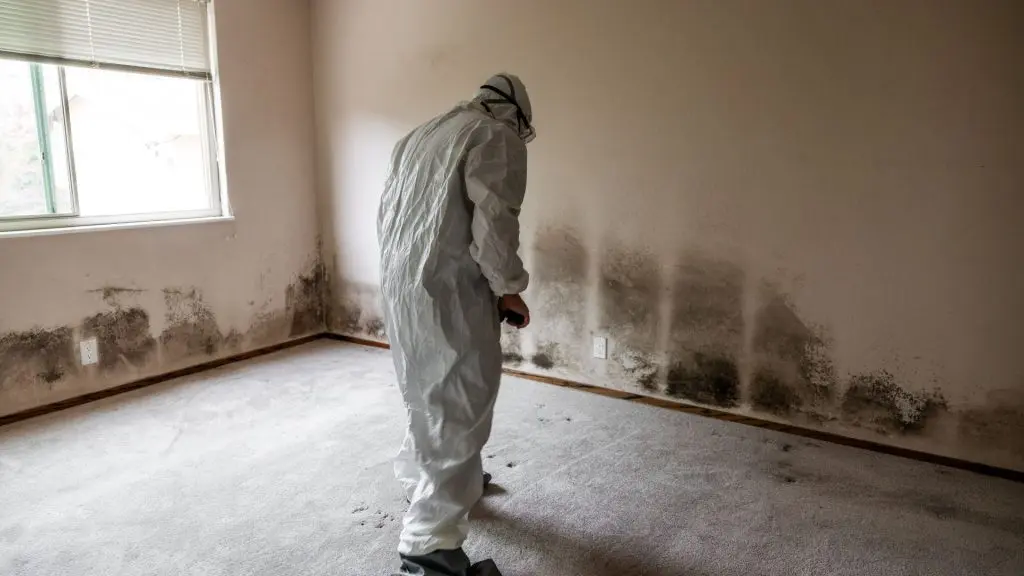
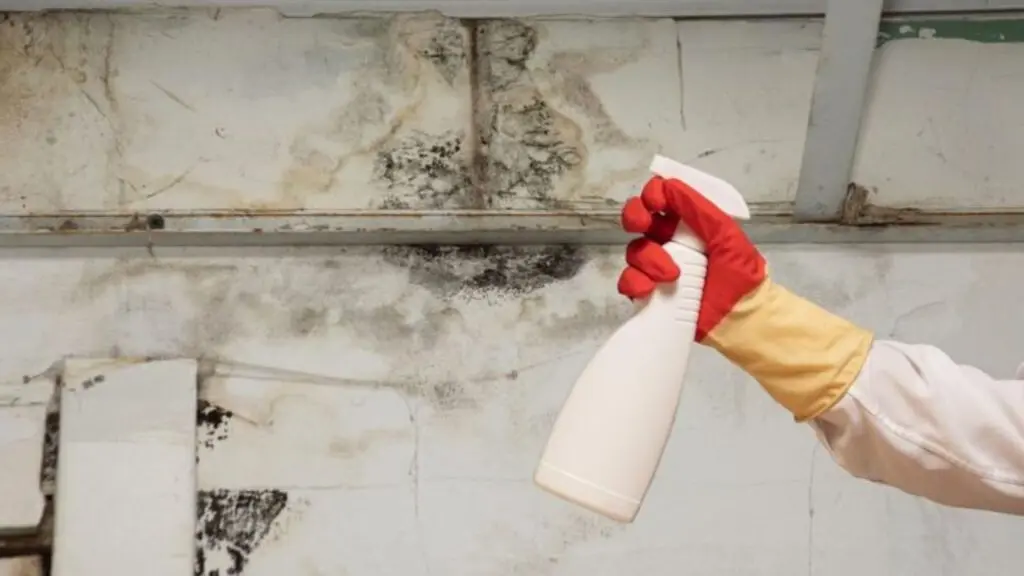
While many types of mold can cause allergic reactions, the term “black mold” typically refers to Stachybotrys chartarum, a toxigenic species that produces mycotoxins. These black mold health risks in Kansas are particularly concerning because these toxins can be more difficult for the body to process than standard allergens. While the scientific community continues to debate the extent of mycotoxin poisoning, there is no doubt that heavy infestations of these dark, slimy colonies correlate with more severe neurological and respiratory symptoms.
In neighborhoods near the 81 Speedway, moisture from sudden summer storms can seep into wall cavities, providing the high-cellulose environment that black mold requires. If you notice dark, soot-like spotting on your drywall or ceiling tiles, it is crucial to address it immediately to prevent the release of potentially toxic spores into your home’s central HVAC system.
Who is most at risk for mold health effects in Park City KS?
Not everyone reacts to mold in the same way, but certain populations are significantly more susceptible to the biological hazards found in damp buildings. Understanding who is at risk helps families prioritize mold remediation in the park city when they discover signs of water damage.
| High-Risk Group | Specific Vulnerability | Health Concern |
| Infants & Children | Developing respiratory systems and higher breathing rates. | Increased risk of developing childhood asthma. |
| Seniors | Naturally declining immune function and existing lung conditions. | Higher likelihood of fungal pneumonia or bronchitis. |
| Immunocompromised | Inability to fight off opportunistic fungal infections. | Risk of systemic mycosis (fungal growth inside the body). |
| Asthmatics | Highly sensitive airways that react to microscopic triggers. | Severe, life-threatening asthma attacks. |
| Chronic Lung Patients | Pre-existing damage from COPD or emphysema. | Permanent loss of lung function and chronic inflammation. |
The danger of “Hidden” mold exposure
In many Park City homes, the mold you see is only a fraction of the problem. Mold often grows behind baseboards, under carpets, or inside ventilation ducts where it remains undisturbed while releasing spores. This hidden exposure can lead to chronic fatigue and “brain fog” that residents often struggle to diagnose because they cannot see the biological culprit.
Short-Term vs. Long-Term Mold Health Complications
Short-term exposure usually results in acute symptoms that resolve once the mold is removed and the air is cleaned. However, long-term exposure to a mold-infested environment can lead to permanent health changes. Chronic inflammation caused by mold has been linked to the development of new-onset asthma in children and hypersensitivity pneumonitis, a rare but serious lung disease.
The goal of mold remediation park city is to break the cycle of exposure before these chronic conditions can take hold. By physically removing the colonies and stabilizing the humidity levels, professionals ensure that your immune system is no longer under constant assault from indoor pollutants.
How Local Climate and Architecture Impact Your Health
Park City, KS sits in an area prone to high humidity and significant seasonal temperature swings. These conditions create a “vicious cycle” for local homes. During the winter, warm indoor air hits cold windows or exterior walls, causing condensation. In the summer, the high humidity near the Valley Center border makes it difficult for damp basements to dry out.
Architecture in the region also plays a role. Many homes built in recent decades are designed to be airtight for energy efficiency, which is excellent for utility bills but poor for air exchange. When moisture gets trapped inside these tight seals, it creates a greenhouse effect that accelerates mold growth. This trapped air concentrates spores, leading to higher “dose” levels of mold exposure for the inhabitants.
Frequently Asked Questions
Can mold exposure cause permanent lung damage?
In cases of prolonged exposure to high concentrations of spores, individuals can develop hypersensitivity pneumonitis, which causes inflammation and potential scarring of the lung tissue. While most symptoms are reversible if the mold is removed early, chronic exposure can lead to long-term respiratory impairment.
Is it safe to clean black mold myself?
It is generally discouraged to clean large areas of black mold (greater than 10 square feet) without professional equipment. Scrubbing mold without proper containment often releases millions of spores into the air, significantly increasing your inhalation risk and spreading the infestation to other rooms.
How long does it take for mold to start affecting your health?
Sensitive individuals may react within minutes of entering a moldy environment. For others, it may take days or weeks of living in a damp space before the cumulative effect of the spores triggers a recognizable immune response.
Can mold in my HVAC system make me sick?
Yes, the HVAC system is one of the most dangerous places for mold to grow because it actively distributes spores to every room in the house. If you notice that your allergy symptoms worsen when the air conditioner or heater turns on, you should have your ductwork inspected immediately.
What should I do if I suspect mold is making my family sick?
Your first step should be to consult with a medical professional to document the symptoms. Simultaneously, you should have a professional moisture assessment performed to locate the source of the dampness and determine the extent of the remediation needed to clear the air.
Conclusion
Addressing the health risks of mold exposure in Park City, KS homes is a critical responsibility for every property owner. Whether you are dealing with the aftermath of a flood or a slow leak in your attic, the biological impact on your family’s respiratory health cannot be ignored. By understanding the symptoms and risks, you can take proactive steps to ensure your home remains a healthy environment.
As the leading local authority on indoor air quality, Freshco provides the technical expertise and compassionate service required to handle complex mold issues. We serve as a trusted local service provider for families throughout the Park City area, offering a complete solution to the problems discussed. Our professional teams are here to help you restore your home and your health with long-term results you can rely on.