











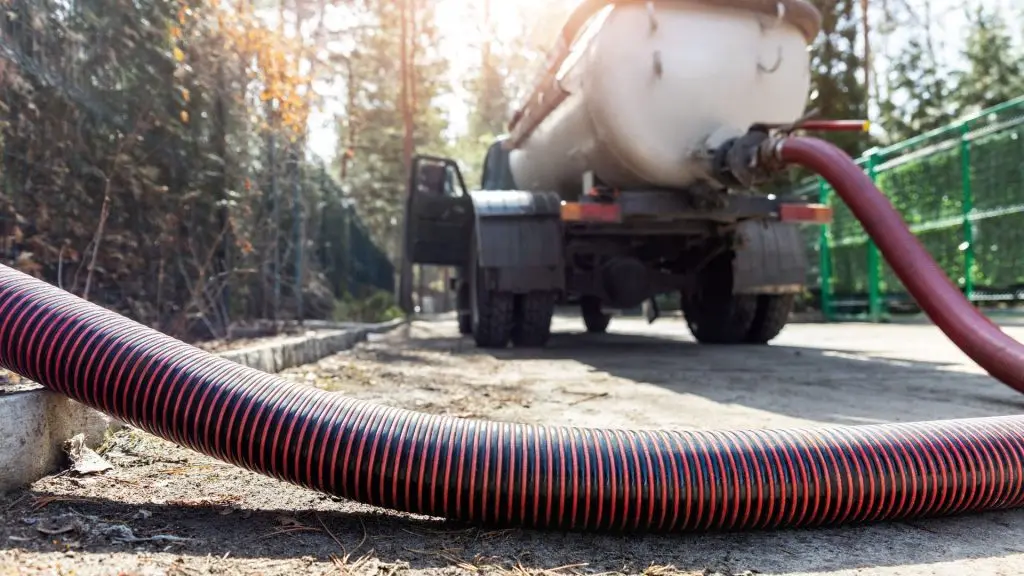
A sewage backup at a commercial property is a different problem than one in a home. There are employees to protect, customers who may walk in at any moment, and revenue tied directly to how quickly the space can reopen. This article covers how commercial sewage cleanup differs from residential jobs, what business owners in Hutchinson, KS should expect during the process, and what steps help limit downtime while the work gets done.
Why Commercial Sewage Backups Require a Different Approach
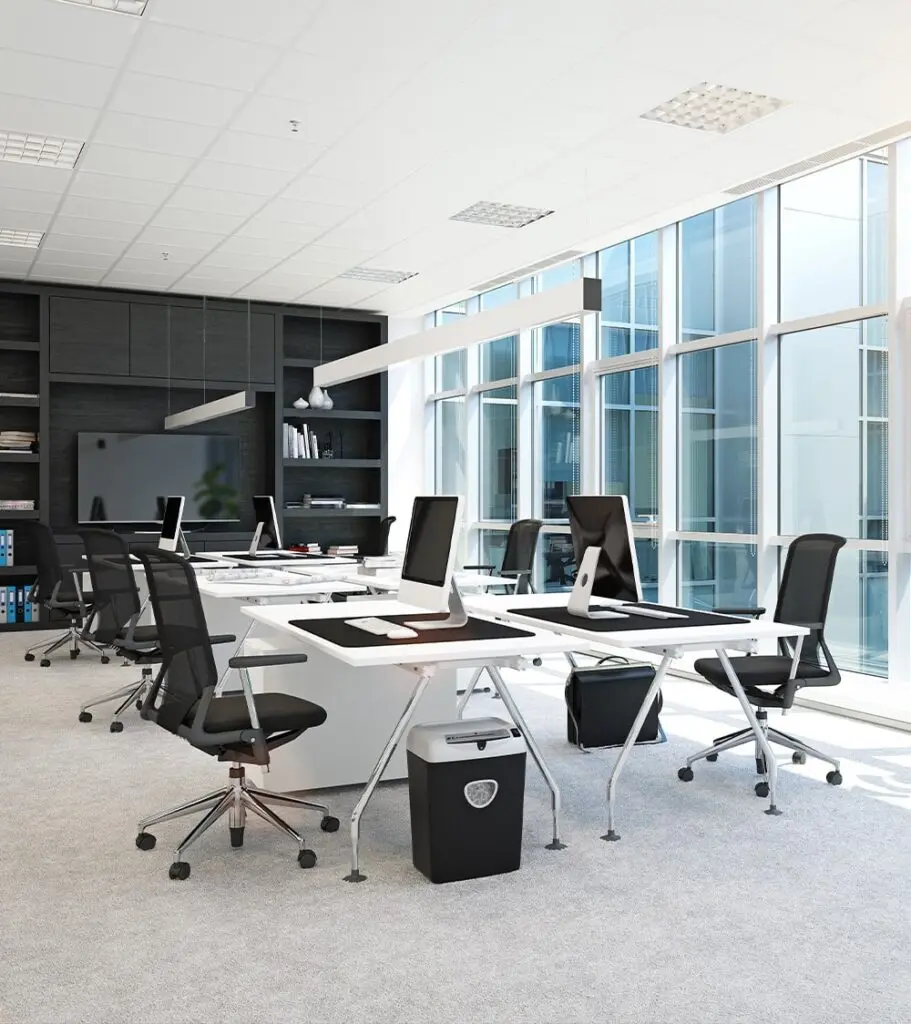
Commercial buildings often have more complex plumbing systems, larger square footage, and higher foot traffic than a typical home, all of which change how a sewage cleanup gets handled. A backup in a restaurant kitchen, retail space, or office building can affect flooring, walls, and equipment across a wider area, and the cleanup has to account for health code requirements, customer safety, and business operations in a way a residential job doesn’t.
Common Causes of Commercial Sewage Backups
Several factors tend to show up more often in commercial settings than in single-family homes.
1. Aging or Undersized Plumbing Infrastructure
Older commercial buildings sometimes have plumbing systems that weren’t designed for current usage levels, particularly if a space has changed use over the years, such as a former office converted to a restaurant with much higher water demand.
2. Grease and Debris Buildup
Restaurants and food service businesses are especially prone to backups caused by grease buildup in drain lines, which restricts flow over time and eventually causes a blockage.
3. Municipal Line Issues
Sometimes the problem originates outside the building entirely, in a municipal sewer line that backs up during heavy rain or due to a blockage further down the system, pushing wastewater back into connected properties.
What the Cleanup Process Looks Like for a Business
Commercial sewage cleanup generally follows the same core steps as residential work, extraction, sanitization, drying, and repair, but the scale and coordination involved are different. We assess the affected area, remove standing water and contaminated materials, and begin the drying and disinfection process while working around the specific needs of the business, such as protecting inventory, equipment, or areas that need to stay accessible.
Protecting Inventory and Equipment During Cleanup
For retail businesses, restaurants, and offices, protecting what’s inside the building matters as much as fixing the plumbing problem itself. Contaminated inventory typically can’t be salvaged and needs proper disposal, while equipment that wasn’t directly affected should be moved out of the work area to prevent secondary damage from moisture or cross-contamination during cleanup.
Health and Safety Considerations for Businesses
Sewage contains bacteria and contaminants that pose a real health risk to employees and customers, which is why affected areas need to stay closed to the public until cleanup and sanitization are complete. Restaurants and food service businesses face additional scrutiny here, since health inspectors may need to confirm the space meets code requirements before service can resume.
Minimizing Downtime During Commercial Cleanup
A few practical steps help limit how long a business has to stay closed or operate at reduced capacity.
- Isolate the affected area immediately so unaffected parts of the business, if any, can potentially continue operating
- Document the damage with photos before cleanup begins, which supports insurance claims and any required reporting
- Communicate clearly with staff and customers about closures or access restrictions
- Keep records of all cleanup and repair work for insurance and, where applicable, health department documentation
- Address the root cause of the backup so the same problem doesn’t recur once the business reopens
Insurance and Documentation for Commercial Claims
Commercial insurance policies vary widely in what they cover for sewage backups, and some businesses carry separate backup or sewer coverage in addition to a standard commercial property policy. Thorough documentation of the damage, the sewage cleanup process, and any repairs made supports the claims process regardless of which type of coverage applies. It’s worth reviewing the specific policy language with an insurance agent, since coverage for backups originating in a municipal line can differ from coverage for an issue inside the building itself.
Why Local Hutchinson Businesses Should Plan Ahead
Hutchinson’s commercial districts include a mix of older buildings and newer construction, and aging infrastructure in some parts of the city can make certain properties more prone to backups, particularly during periods of heavy rainfall when municipal systems see added strain. Business owners in older buildings may want to have a plumber assess the condition of main lines periodically, since catching a developing problem before it causes a backup is far less disruptive than cleaning up after one.
Working Around Business Hours and Lease Requirements
Businesses that lease their space often need to coordinate cleanup timing with property managers or building owners, especially in a shared building where a backup in one unit could affect neighboring tenants. Lease agreements sometimes specify who’s responsible for plumbing repairs versus cleanup costs, which is worth reviewing early in the process rather than after the work is already underway. For businesses that operate on a tight schedule, such as restaurants with set hours or retailers anticipating a busy weekend, communicating realistic timelines to staff and customers early helps manage expectations while the affected area is being addressed.
What Sets Multi-Tenant Buildings Apart
A sewage backup in a shared commercial building, such as a strip mall or office complex, can affect multiple tenants even if the source is isolated to one unit’s plumbing. Coordinating cleanup across shared walls, common areas, and connected drain lines takes more communication between tenants, property management, and the cleanup company than a standalone building would require. Identifying whether the backup originated in one tenant’s plumbing or in a shared line also affects who is responsible for cleanup costs, which is another reason thorough documentation matters from the start.
Frequently Asked Questions
How Quickly Should a Business Address a Sewage Backup?
Addressing a sewage backup as soon as it’s discovered limits how far contamination spreads and reduces the amount of material that needs to be removed or replaced. Delaying cleanup typically increases both the cost and the time the space needs to stay closed.
Can a Business Stay Open During Sewage Cleanup?
It depends on where the backup occurred and how large an area is affected. Parts of a building unaffected by the backup and clearly separated from the contaminated area may be able to remain open, but the affected zone needs to close until cleanup is complete.
Does Commercial Insurance Cover Sewage Backup Cleanup?
Coverage depends on the specific policy, and some commercial property policies exclude sewage backups unless a separate endorsement or rider is added. Checking policy details with an insurance agent before an incident happens is the most reliable way to know what’s covered.
What Should a Business Do Immediately After Discovering a Backup?
Shut off water use in the affected area if possible, keep employees and customers away from the contamination, and contact a restoration company experienced in commercial sewage cleanup. Photographing the damage before cleanup begins also helps with insurance documentation.
How Can a Business Prevent Repeat Sewage Backups?
Regular plumbing maintenance, grease trap cleaning for food service businesses, and periodic inspection of main lines all reduce the risk of a repeat backup. Addressing the root cause identified during cleanup is also an important part of prevention.
Final Thoughts on Commercial Sewage Cleanup in Hutchinson, KS
A sewage backup at a commercial property carries stakes beyond the mess itself, from health code compliance to lost revenue while the space is closed. Understanding the process and documenting everything along the way makes recovery smoother whether the cause was aging plumbing, grease buildup, or a municipal line issue. If your Hutchinson business is dealing with a sewage backup, FreshCo Cleaners can walk through the sewage cleanup process and what it will take to get the space back open.