














Asbestos was once a common building material, valued for its durability, insulating properties, and resistance to fire and heat. For decades it was used widely in construction, finding its way into insulation, flooring, ceiling tiles, and countless other products. Today, however, asbestos is recognized as a serious health hazard, and it still lurks in many older commercial buildings across Kansas.
For business owners planning renovations, dealing with damage, or facing restoration work, asbestos is a risk that cannot be ignored. The danger lies in the fact that asbestos is often invisible, hidden within materials that look completely ordinary. Disturbing those materials, even accidentally, can release hazardous fibers into the air. Understanding the risk and handling it properly is essential to protecting employees, customers, and the long term value of your property.
This guide explains why asbestos remains a concern, which buildings are most at risk, the signs that testing may be needed, and how professional asbestos removal keeps everyone safe.
Why Asbestos Remains a Concern
Asbestos becomes dangerous when materials containing it are disturbed, releasing microscopic fibers into the air. These fibers are far too small to see, yet once inhaled they can remain in the body and contribute to serious long term health conditions that may take years to appear. This delayed effect is part of what makes asbestos so insidious.
Because asbestos was used so extensively for so long, it remains present in a great many older structures. It is often hidden within materials that appear perfectly normal, which means a building can contain asbestos without any obvious sign. As long as these materials remain intact and undisturbed, the risk is lower, but renovation, damage, or simple aging can change that quickly. This is why awareness and proper testing are so important for commercial property owners.
Commercial Buildings Most at Risk
Older commercial properties are the most likely to contain asbestos, particularly those constructed before its use was significantly restricted. Office buildings, warehouses, schools, retail spaces, and industrial and manufacturing facilities built in earlier decades may all harbor asbestos. It can be found in insulation around pipes and boilers, in floor tiles and the adhesives beneath them, in ceiling tiles and textured coatings, and in various other building materials.
Any business operating in an older building should consider the possibility that asbestos is present, especially before undertaking any work that might disturb these materials.
Signs Asbestos Testing May Be Needed
Asbestos-containing materials are often difficult to identify without professional testing. If your property is older or contains aging building materials, testing can help determine whether asbestos is present before those materials are disturbed. Taking a proactive approach helps protect occupants, contractors, and anyone involved in renovation or repair work.
Asbestos-containing materials can be difficult to identify without professional testing. If your property is older or contains aging building materials, testing can help determine whether asbestos is present before those materials are disturbed. Taking a proactive approach helps protect occupants, contractors, and anyone involved in renovation, repair, or demolition work.
1. Renovation or Demolition Is Planned
Testing is highly recommended before any remodeling, renovation, or demolition project in an older building. Construction activities can disturb hidden asbestos-containing materials and release hazardous fibers into the air.
2. Damaged or Deteriorating Insulation
Insulation that is crumbling, breaking apart, or showing signs of wear may contain asbestos, particularly in older properties. Testing can confirm whether the material poses a risk before any repairs or removal begin.
3. Aging or Damaged Floor Tiles
Cracked, loose, worn, or deteriorating floor tiles may contain asbestos, especially if they were installed decades ago. Professional testing can determine whether special handling procedures are necessary.
4. Worn Ceiling Tiles or Wall Materials
Ceiling panels, textured ceilings, wallboards, and other building materials can contain asbestos in older structures. Visible damage or deterioration is a strong reason to have these materials evaluated.
5. Deteriorating Pipe Insulation
Older pipe insulation and similar materials may contain asbestos and can become hazardous as they age and break down. Testing helps identify potential risks before maintenance or replacement work is performed.
5. Building Was Constructed During High-Asbestos Use Periods
Properties built before modern asbestos regulations were introduced are more likely to contain asbestos-containing materials. Testing provides certainty when the building’s age raises concerns.
6. Unknown Building Materials Are Present
If you encounter materials that cannot be easily identified, testing is the safest way to determine whether asbestos is present. Making assumptions can lead to accidental exposure during repairs or renovations.
7. Concerns About Potential Asbestos Exposure
When the age, condition, or history of a property suggests asbestos may be present, professional testing provides clear and reliable answers. Early identification allows for proper planning and safe management of any asbestos-containing materials.
Professional asbestos testing eliminates uncertainty and helps ensure that any renovation, repair, or demolition work can proceed safely. By identifying potential hazards before materials are disturbed, property owners can protect both occupants and workers while avoiding costly surprises later in the project.
Professional Asbestos Removal Process
Professional asbestos removal, often called abatement, follows a strict, regulated process to ensure safety at every stage.
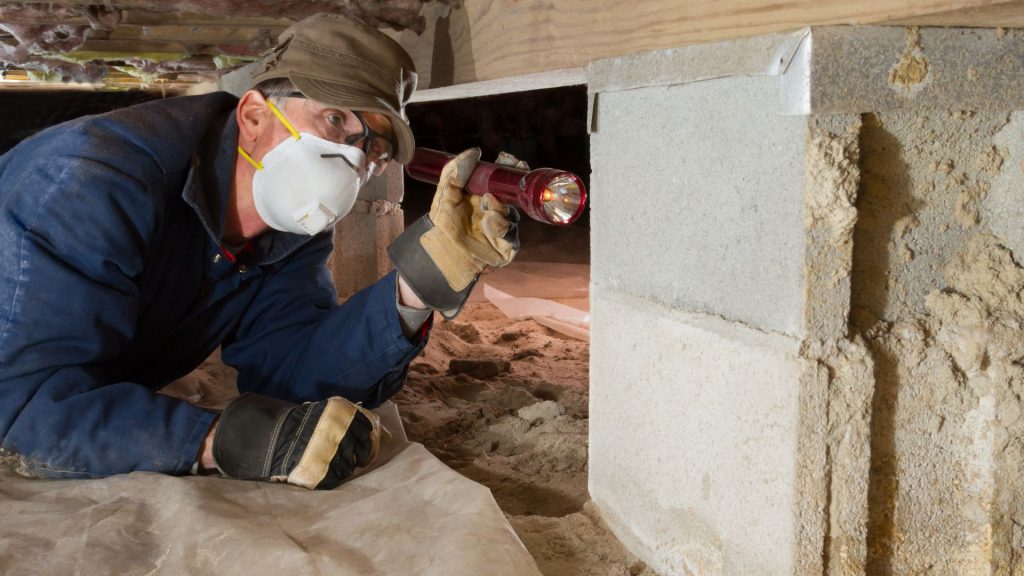
- Inspection: A qualified team inspects the property to identify materials that may contain asbestos, focusing on areas likely to be affected by planned work or visible deterioration.
- Testing Samples are carefully collected and analyzed to confirm whether asbestos is present and in what form. This step provides the certainty needed to plan the next steps.
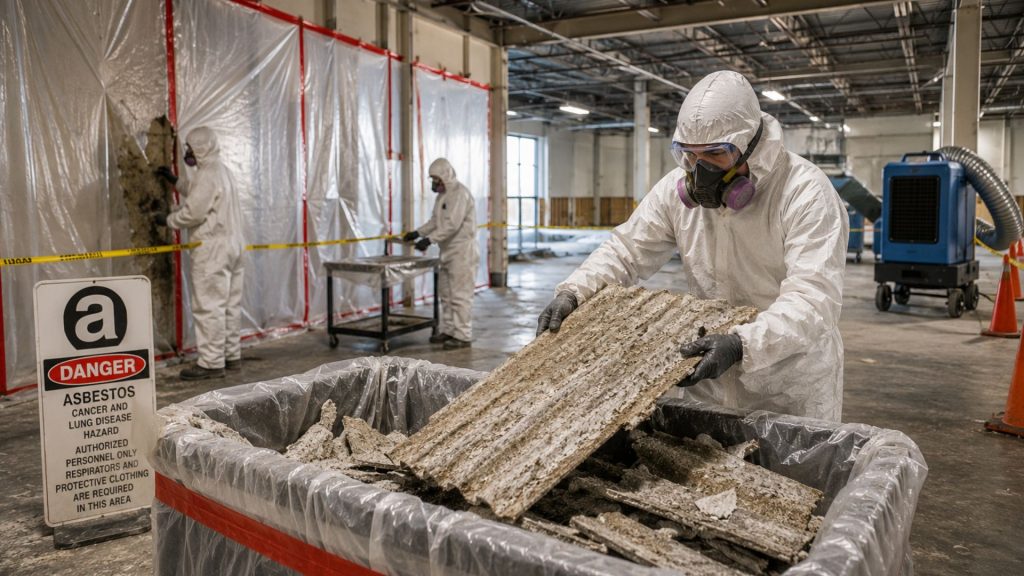
- Containment: Before removal begins, the work area is sealed off to prevent fibers from spreading to other parts of the building. Containment is a critical safeguard that protects occupants and other spaces.
- Removal: Asbestos containing materials are carefully removed using proper procedures and protective equipment, then disposed of according to strict safety regulations. This careful handling minimizes the release of fibers.
- Clearance Testing: After removal, the area is tested again to confirm that it is safe before normal use resumes. This final verification gives everyone confidence that the hazard has been properly addressed.
Benefits of Professional Asbestos Abatement
Professional asbestos abatement provides more than just hazard removal. It helps businesses protect occupants, meet regulatory requirements, and maintain a safe and professional environment.
- Protects Employees, Customers, and Visitors: Professional abatement removes a serious health hazard and helps create a safer environment for everyone who enters the building.
- Ensures Compliance With Regulations: Licensed asbestos professionals follow strict handling, removal, and disposal requirements, helping businesses remain compliant with applicable regulations.
- Reduces Liability and Risk: Proper asbestos management helps minimize the potential for legal issues, fines, and liability related to asbestos exposure.
- Provides Peace of Mind: Business owners and occupants can feel confident knowing the property has been professionally treated and is safe for continued use.
- Delivers Safe and Effective Removal: Professional abatement teams use specialized containment methods, equipment, and disposal procedures that ensure asbestos is removed and managed correctly.
For businesses, professional asbestos abatement is an investment in safety, compliance, and long-term peace of mind. By addressing asbestos properly, owners can protect both their people and their reputation.
Why DIY Asbestos Handling Is Never Safe
Attempting to remove or disturb suspected asbestos without professional training can create serious health and safety risks. Asbestos fibers are often released into the air when materials are damaged or improperly handled, making DIY removal both dangerous and potentially costly.
- Disturbing asbestos-containing materials can release hazardous fibers into the air.
- Airborne asbestos fibers can be inhaled by occupants, workers, and visitors, creating long-term health risks.
- Improper handling can spread contamination to other areas of the building.
- Specialized containment procedures are required to prevent fiber release during removal.
- Strict regulations govern how asbestos must be handled, transported, and disposed of.
- Failure to follow these regulations can result in legal and financial consequences.
- Professional abatement requires specialized training, protective equipment, and industry-approved techniques.
- Certified asbestos professionals have the expertise to remove and dispose of asbestos safely and compliantly.
For the safety of everyone involved, asbestos removal should always be handled by qualified professionals. Their training, equipment, and adherence to regulatory requirements help ensure the hazard is managed correctly and safely.
Asbestos and Kansas Compliance
Asbestos handling is subject to strict federal and state regulations, and Kansas businesses are expected to follow them carefully. These rules govern how asbestos must be identified, contained, removed, and disposed of, all with the goal of protecting public health.
Certified professionals understand these requirements and ensure that every step of the process meets the necessary standards. Working with qualified experts not only keeps your building safe but also protects your business from the legal and financial consequences that can come with improper handling. Compliance is an essential part of responsible commercial property ownership.
Frequently Asked Questions
What is asbestos?
Asbestos is a fibrous mineral once widely used in construction for its durability and resistance to fire and heat. It is now known to be hazardous to health.
Why is asbestos dangerous?
When disturbed, asbestos releases tiny fibers that can be inhaled and contribute to serious long term health conditions, often years after exposure.
When should a business schedule asbestos testing?
Testing should be scheduled before renovations or demolition of older buildings, or whenever materials appear damaged or deteriorating.
Can asbestos be removed safely?
Yes. Certified professionals remove asbestos safely using proper containment, removal, and disposal procedures designed to protect occupants.
How long does asbestos removal take?
The timeline depends on the size of the area and the amount of asbestos containing material involved, ranging from a single day to a longer project.
Protect Your Business with Professional Asbestos Removal
Asbestos is a serious concern that requires careful handling and strict compliance with safety regulations. Professional asbestos removal helps protect employees, customers, and contractors from exposure while ensuring your property meets applicable regulatory requirements. Whether you are planning a renovation, repairing damage, or preparing a property for future use, proper asbestos abatement is essential.
Investing in certified asbestos removal not only reduces health and liability risks but also helps preserve the long term value and safety of your commercial property. Working with experienced professionals ensures the material is identified, contained, removed, and disposed of according to industry standards.
If your Kansas business requires commercial asbestos removal services, contact FreshCo Cleaners or request a free quote today. Our team is committed to helping you manage asbestos safely, maintain compliance, and create a healthier environment for everyone who enters your property.