















Central Kansas storm season arrives fast, often bringing severe thunderstorms, high winds, and heavy rain within the same afternoon. For homeowners in Hutchinson, that combination is the most common trigger behind flooded basements, soaked drywall, and calls for storm damage restoration in Hutchinson, KS. This guide covers what causes storm-related flooding, how to prepare a home before the next system rolls through, and what to do if water gets in anyway. It is written for Hutchinson and Reno County homeowners who want a practical plan rather than a list of vague warnings.
Why Hutchinson’s Storm Season Creates Flood Risk
Hutchinson sits in a stretch of central Kansas that regularly sees severe thunderstorm activity from spring through early summer, with additional storm systems moving through into fall. These storms can bring heavy rain in a short window, strong straight-line winds, and occasional tornado watches or warnings for the area. None of that is unusual for this part of the state, but it does mean drainage systems, roofs, and foundations built years ago are tested against weather they were not always designed for.
The result is not always a dramatic flood. More often, storm season damage shows up gradually: a slow leak around a roof vent, water seeping through a hairline foundation crack, or a sump pump that finally fails during the one week it is needed most.
Housing stock plays a role too. A large share of Hutchinson’s homes were built before current drainage and roofing standards, and much of the soil across central Kansas contains clay that expands when saturated and contracts when it dries out. That swelling and shrinking puts ongoing stress on foundations, which is one reason the same house can handle years of normal rain and still develop a leak after one unusually wet stretch.
Common Causes of Storm-Related Water Damage
Flooding and water intrusion account for the large majority of storm-related calls FreshCo receives in Hutchinson, though a lightning strike during a severe thunderstorm can also spark an attic or roof fire, which is treated as a fire damage emergency rather than a water damage one. The causes below are the ones homeowners run into most often.
Roof Damage and Wind-Driven Rain
High winds during a thunderstorm can lift shingles, crack flashing around chimneys and vents, or drive rain sideways under rooflines that would otherwise stay dry. Once a roof’s seal is compromised, water tends to find its way into the attic and down through ceilings and walls, sometimes for days before a stain becomes visible.
Clogged Gutters and Overwhelmed Downspouts
Gutters packed with leaves, seed pods, or debris from an earlier storm cannot move water away from the house fast enough during a heavy downpour. When that happens, water overflows straight down the foundation instead of out through the downspout, which is one of the most common paths into a basement.
Poor Grading and Basement Seepage
If the ground around a foundation slopes toward the house rather than away from it, even a moderate rain event can push water against basement walls faster than they can shed it. Cracks that seem minor in dry weather often turn into active leaks once the surrounding soil is saturated.
Sewage Backups During Heavy Rainfall
Sustained heavy rain can overwhelm storm and sanitary sewer systems, pushing wastewater back through household drains and into basements or lower-level bathrooms. A sewage backup carries contamination risks beyond a typical water intrusion, which is why it needs a faster, more careful response than routine water cleanup.
A Pre-Storm-Season Checklist for Hutchinson Homeowners
A short walk-through before the first major storm system of the season can prevent much of the weather-related water damage homeowners deal with later. Set aside an afternoon for the following:
1. Inspect the roof, or have it inspected, for lifted, cracked, or missing shingles, and check flashing around chimneys, vents, and skylights.
2. Clean gutters and downspouts, and confirm downspouts extend several feet away from the foundation.
3. Walk the perimeter of the house to check that soil slopes away from the foundation, adding fill dirt anywhere water tends to pool.
4. Test the sump pump, including the battery backup if the home has one, before storm season starts rather than during the first storm.
5. Seal visible foundation cracks and clear debris or standing water from window wells.
6. Trim tree limbs that overhang the roof, since falling branches during high wind are a common cause of roof punctures.
7. Photograph rooms, valuables, and major systems such as the water heater, furnace, and sump pump for insurance records, and store the photos somewhere other than a home computer.
8. Save the number for a local restoration company so there is no scramble to find help once water is already coming in.
None of these take more than an hour or two individually, and most homeowners can handle the gutter cleaning, grading check, and window well clearing themselves. A roof inspection and foundation assessment are worth having a professional look at, since problems in both areas are often easier to see from training and experience than from the ground.
Warning Signs of Storm Damage That Are Easy to Miss
Not all storm damage announces itself with a puddle on the floor. Some of the most costly damage starts small and stays hidden behind walls or under flooring for weeks. After any significant storm, it is worth checking for:
- Yellow or brown stains spreading across a ceiling or upper wall, which usually point to a slow roof leak rather than a one-time event.
- A musty smell in a basement, closet, or crawl space that was not there before, often the first sign of trapped moisture.
- Peeling paint, bubbling drywall, or a slightly soft feel when pressing on a wall or ceiling.
- Doors or windows that suddenly stick or no longer close flush, which can mean the surrounding frame has absorbed moisture and swollen.
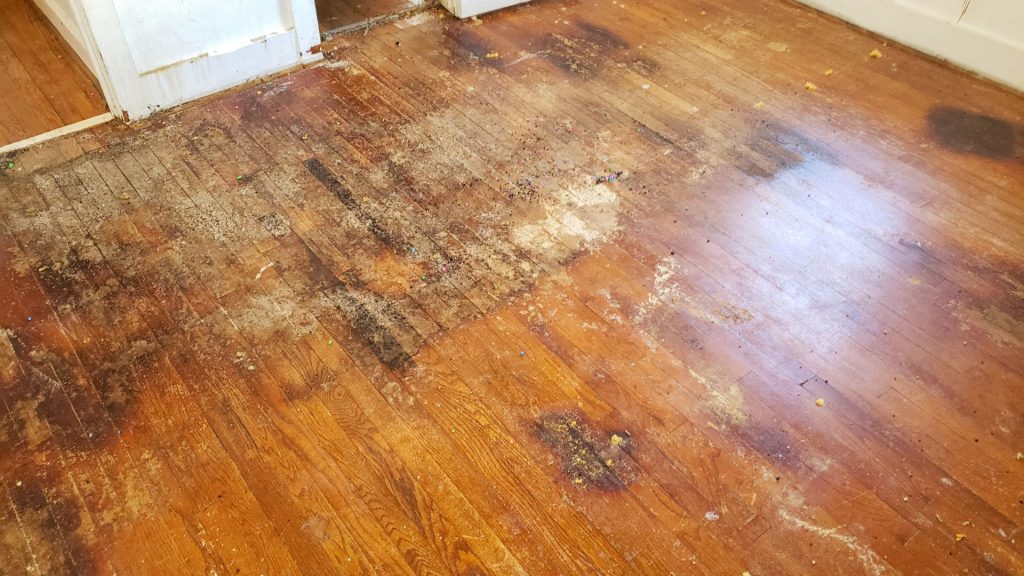
- Warped, cupped, or soft spots in wood flooring, particularly near exterior walls or below upstairs bathrooms.
Catching any of these early, rather than waiting for a visible leak, is usually the difference between a repair and a much larger restoration project.
What to Do If Storm Flooding Damages Your Home
If storm water gets into a Hutchinson home, the first priority is safety, followed by stopping the source of water and removing standing water as quickly as possible, ideally within the first 24 to 48 hours before mold has a chance to start. Documenting the damage and calling a restoration company should happen before extensive cleanup begins.
Steps to Take in the First 24 Hours
- Turn off electricity to affected areas if it can be done safely, and avoid walking through standing water near outlets or appliances.
- Stop the source if possible, such as tarping a damaged section of roof or shutting off a water line.
- Move furniture, rugs, and electronics away from wet areas.
- Photograph the damage before moving or discarding anything, for insurance purposes.
- Call a restoration company promptly. Standing water and wet building materials create conditions for mold within 24 to 48 hours, so speed matters more than trying to dry everything out with fans alone.
When to Call a Storm Damage Restoration Company
Not every wet spot needs a professional response, but a few situations call for one right away: water covering more than a small area of flooring, water that touched drywall or insulation, any sewage backup, or water damage combined with roof or structural damage from wind. FreshCo Cleaners emergency services team responds to storm-related calls throughout Hutchinson and the surrounding area.
How Professional Storm Damage Restoration Works
Once a restoration crew arrives, water damage restoration generally follows the same core stages whether the water came from a roof leak, a flooded basement, or a burst pipe during a storm.
Extraction and drying come first. Standing water is pumped or extracted, then industrial dehumidifiers and air movers go to work on wet flooring, drywall, and framing. Moisture meters confirm materials are actually dry, not just dry to the touch.
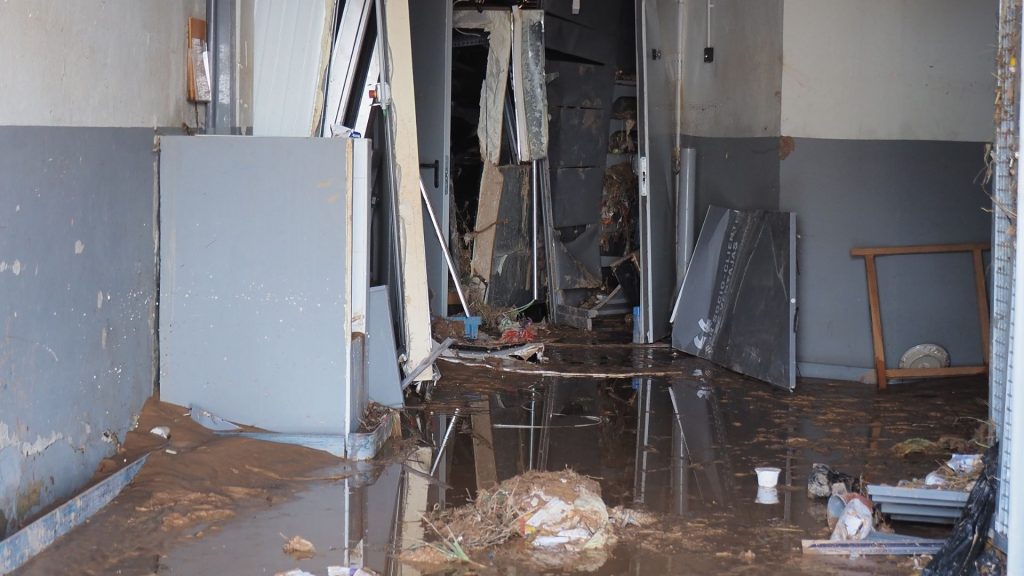
Cleaning and sanitizing follow, particularly when the water is carried in mud, debris, or sewage contamination.
Damaged materials are removed and repaired. Drywall, insulation, flooring, or sections of subfloor that stayed wet too long usually need to be cut out and replaced rather than dried in place, since saturated materials are a common source of hidden mold growth. If storm water sat for more than a day or two, it is worth having the home checked for mold even after the visible water is gone.
Insurance Considerations for Storm and Flood Damage
Standard homeowners insurance in Kansas typically covers sudden water damage from a storm, such as a roof leak caused by wind damage or water that entered through a storm-damaged window. It generally does not cover flooding from rising groundwater or overflowing waterways, which requires separate flood insurance through the National Flood Insurance Program or a private carrier.
Because the line between covered storm damage and excluded flood damage often comes down to how water entered the home, documentation matters. Photos and notes taken before cleanup starts, along with a restoration company’s assessment of the water’s likely source, give an insurance adjuster the specifics needed to process a claim accurately. Homeowners should also check their policy for water backup coverage, since sewage and drain backups are frequently excluded unless that endorsement was added separately.
When Storm Damage Strikes, FreshCo Cleaners Is Ready
FreshCo Cleaners handles storm-related water damage, roof leaks, sewage backups, and the mold that can follow across Hutchinson and the surrounding central Kansas communities. When a storm pushes water into a Hutchinson home, whether it is a soaked basement, a ceiling stain after wind-driven rain, or standing water from a sewage backup, our team responds and documents the damage for insurance from the first visit. Homeowners can reach out as soon as storm damage is discovered, even overnight, to get water moving out and drying started before it turns into a bigger repair.
Frequently Asked Questions
How fast does storm damage restoration need to start after a flood?
Restoration should start within 24 to 48 hours of water entering a home. Wet drywall, insulation, and flooring left untreated for longer than that create conditions where mold can begin growing, which turns a water damage job into a mold remediation job as well.
Does homeowners insurance cover storm damage in Hutchinson, KS?
Most standard homeowners policies cover sudden water damage caused by a storm, such as a roof leak from wind or a broken window letting rain in. They typically exclude flooding from rising groundwater, which requires a separate flood insurance policy.
What’s the difference between storm damage and flood damage for insurance purposes?
Storm damage generally refers to water that entered a home because a storm damaged the structure itself, like a wind-torn roof. Flood damage refers to rising water from outside overwhelming the ground and entering the home, which is typically excluded from standard policies and covered separately.
Can a flooded basement cause mold even after it dries out?
Yes. If materials behind walls, under flooring, or inside insulation stayed wet for more than a day or two before drying, mold can take hold in places that are not visible. A moisture inspection after any significant storm flooding is the only reliable way to confirm the space is actually dry throughout.
What should I do first if my Hutchinson home floods during a storm?
Prioritize safety by staying away from standing water near electrical outlets or damaged structures, stop the source of water if it can be done safely, photograph the damage, and call a restoration company before starting extensive cleanup.
Does FreshCo handle sewage backups from storm flooding?
Yes. Sewage backups caused by overwhelmed storm and sanitary systems are treated as an emergency alongside standard storm water damage, since they involve contamination that needs specialized cleanup and sanitizing.