

















Air Sampling: It may sound strange but it could piece together what is affecting your indoor air quality at home

We’ve talked about allergen and mold spores that exist in the air we breathe. And as uncomfortable as knowing that is, some have no reaction but there are some people who unfortunately are adversely affected by these air pollutants. Indoor air quality and air sampling may not always be the first solution thought of for what could be causing the health issues of someone, but it may become a viable option to finding out what is causing health issues.
What should you do if you suspect that you may be experiencing poor indoor air quality at home?

While each indoor air quality issue may have its own specific circumstances, how to solve indoor air quality problems will most likely be a very similar process in each circumstance. Some indoor air quality indicators are very visible and easy to figure out, but there are some that may be a bit more difficult.
If you’ve ever wondered why your home has a cigarette smell even though you’ve never smoked and you’ve lived there for months or longer – it could be because of thirdhand smoke.

Recent studies have shown that it can create issues in a home long after there has been no smoking taking place in the home. The effects of smoking are broken down into three types. Firsthand smoke is smoke directly inhaled by the person smoking. Secondhand smoke is a combination of the sidestream smoke and the mainstream smoke exhaled by smokers that affects those around them. Thirdhand smoke refers to the secondhand smoke gasses and particles that stick to and become embedded in materials and objects.
We know you love your cats, but what should you do if you have a friend visiting that has a cat allergy?
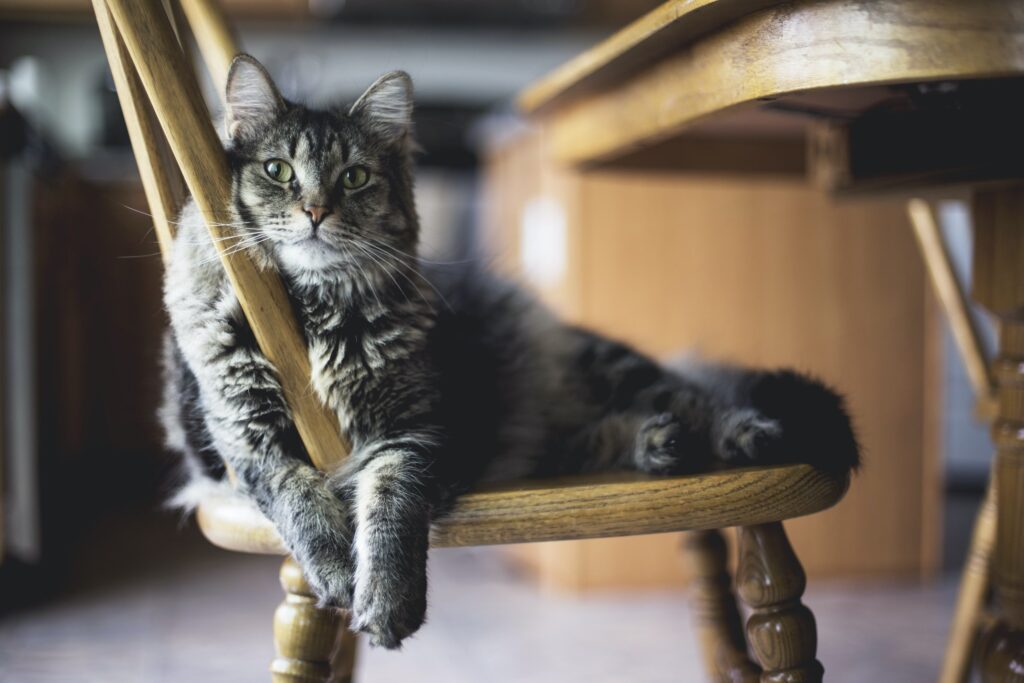
It might seem like it’s an impossible feat given that our fur babies a.k.a. cats make their way all over our homes. But there are ways to make your home more comfortable for a friend or family member coming to visit that happens to have an allergy to cats.
You’ve seen the different opinions now: How do you know when airflow would be improved by air duct cleaning? And why are there varying opinions?

You may be surprised by the varying answers to this seemingly simple question about air duct cleaning improving airflow. While the EPA is very careful in recommending air duct cleaning, they have listed a few instances where it should be seriously considered. Air flow obstructions can and do exist in air ducts and vents, but just how much will air duct cleaning improve air flow?
So you were told you needed to improve the indoor air quality in your home with a whole house air purifier. Now you might wonder, is that true? Will it really improve the air quality in your home?

Indoor air pollutants are unwanted, sometimes harmful materials in the air. Indoor air pollution is among the top five environmental health risks. Usually the best way to address this risk is to control or eliminate the sources of pollutants, and to ventilate a home with clean outdoor air. The ventilation method may, however, be limited by weather conditions or the levels of contaminants contained in outdoor air.
When it comes to indoor air quality, you might begin to wonder if your air filter is up to the challenge. Here’s some information that will help you decide if it’s time for an upgrade.

The most effective ways to improve your indoor air are to reduce or remove the sources of pollutants and to ventilate with clean outdoor air. Upgrading the air filter in your furnace or central heating, ventilation, and air-conditioning (HVAC) system can help to improve indoor air quality.
I feel so sick at home, but when I’m not home I feel better. Why? Surprisingly, the answer could have to do with your home’s indoor air quality.

There are times when the reasons for feeling sick are far more elusive and difficult to diagnose. In those times you may find that your health improves when you are not home and you start to feel worse again when you are home–and you question why that is happening.
What can I do to retrieve my wife’s wedding ring from the void of the air vents and ducts?

Vents being a sort of void for things to drop into, what happens when someone’s wedding ring or valuable object is dropped accidentally into a vent? Even though it seems like it might be lost in that darkness forever, not all is lost – the good news is it can be retrieved. There are several methods that we will cover, but in each safety should be considered.
Air Ducts: one of the catch-alls in a home–literally. What could be lingering in the darkness of your home’s air ducts?
It is surprising what is found in air ducts, what people will put in air ducts, and what you might wish you never knew was found in air ducts. Let’s have some fun! Fair warning, some of these are cringy and gross, but all are true and have been found in air ducts around the country.