















Hoarding cleanup is unlike almost any other restoration job. It involves large volumes of belongings, often layered contamination from pests, mold, or waste, and a level of emotional sensitivity that most cleanup situations don’t require.
This article walks through what a hoarding cleanup typically involves, how the process is structured, and what Hutchinson, KS families or property owners can expect when they reach out for help.
What Makes Hoarding Cleanup Different From Standard Cleaning
Hoarding situations combine physical clutter with underlying issues that a general cleaning service isn’t equipped to handle. Accumulated items can block exits, create fall hazards, and hide structural problems like water damage or pest infestations underneath. Beyond the volume of belongings, many hoarding situations also involve emotional attachment to items, which means the process has to move at a pace that respects the people involved, not just the physical space.
Common Conditions Found During Hoarding Cleanup
Every hoarding situation is different, but certain conditions tend to appear together in more severe cases.
1. Pest Infestations
Accumulated clutter creates hiding spots and food sources for rodents and insects, and infestations are often discovered only once cleanup begins moving items and exposing previously inaccessible areas.
2. Mold and Moisture Damage
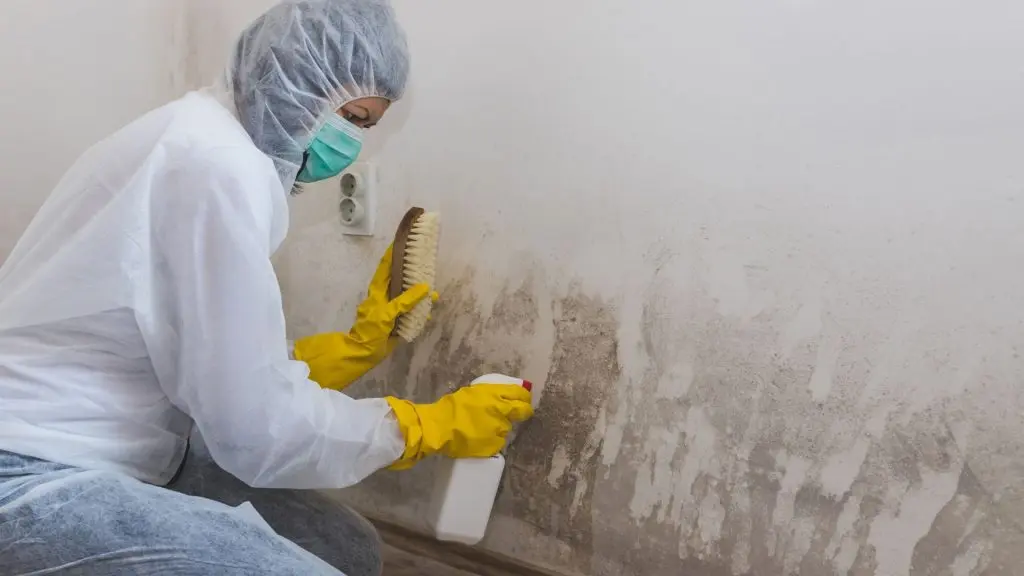
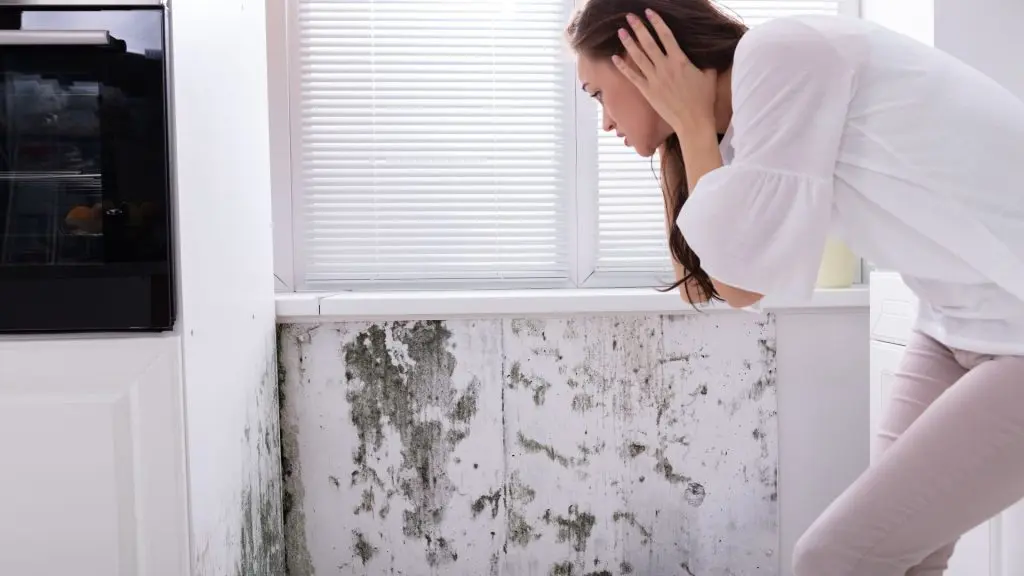
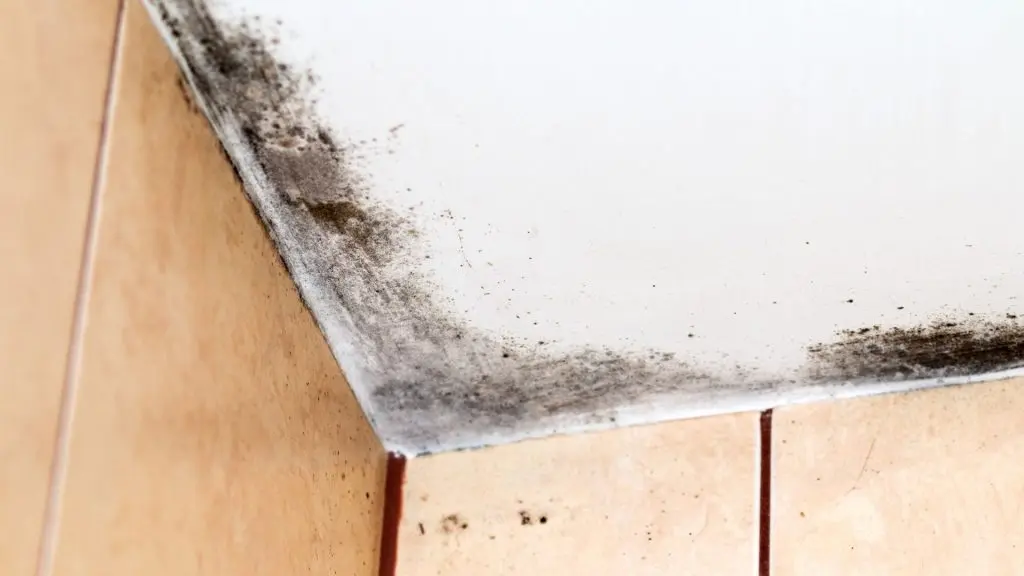
Stacked belongings can trap moisture against flooring and walls, and leaks or spills that go unnoticed under piles of items for extended periods often lead to mold growth by the time cleanup starts.
3. Structural and Safety Hazards
Excessive weight from accumulated items can stress flooring, and blocked pathways or exits create real safety risks, particularly in the event of a fire or medical emergency.
How the Hoarding Cleanup Process Typically Works
A structured hoarding cleanup approach helps make an overwhelming situation more manageable for everyone involved, and the process generally moves through distinct phases rather than tackling everything at once.
1. Initial Assessment
The first step involves walking through the property to understand the scope of the job, identify any safety hazards, and get a sense of what condition is underneath the clutter, including possible mold, pest, or structural issues.
2. Sorting and Categorizing
Items typically get sorted into categories such as keep, donate, and dispose of, giving the homeowner or family member involved a chance to make decisions about what happens to different belongings rather than having everything removed indiscriminately.
3. Removal and Disposal
Once sorting is complete, items designated for disposal are removed from the property, often requiring specialized hauling given the volume involved in more severe cases.
4. Deep Cleaning and Sanitization
After the bulk of items are cleared, the space gets deep cleaned and sanitized, addressing any contamination, odor, or residue left behind by the accumulated clutter, pests, or moisture issues.
Working With the Emotional Side of Hoarding Cleanup
Hoarding cleanup affects people, not just spaces, and rushing the process or dismissing someone’s attachment to their belongings tends to make the situation harder, not easier. Giving the individual involved a role in decisions where possible, working at a pace that acknowledges the difficulty of the process, and involving family members or support services when appropriate all contribute to a smoother outcome for everyone.
When Hoarding Cleanup Becomes an Emergency
Certain situations move a hoarding cleanup from a planned project to something that needs immediate attention. A code violation notice from the city, an eviction notice tied to property conditions, a health and safety concern for an elderly or vulnerable resident, or a biohazard discovered during the assessment all shift the timeline and priorities of the work.
What Property Owners and Landlords Should Know
Landlords dealing with a hoarding situation in a rental unit face a different set of considerations than a family member helping a relative. Documentation of the property’s condition before and after cleanup matters for both liability and any potential legal proceedings. It’s also worth understanding that hoarding is often connected to underlying mental health or medical factors, and a cleanup alone doesn’t address the root cause, which is why coordination with family or appropriate support services often produces better long-term results than a one-time cleanout.
How Hutchinson’s Housing Stock Affects Hoarding Cleanup
Hutchinson has a significant number of older homes, and older construction tends to have less storage space, older HVAC systems, and basements or crawlspaces that are more prone to moisture issues than newer builds. When clutter accumulates in these spaces over years, it can trap humidity against surfaces that were already vulnerable, increasing the odds that mold or wood rot is discovered once cleanup gets underway.
Homes with attached garages or additional outbuildings, common on larger Hutchinson-area lots, sometimes extend the scope of a hoarding cleanup beyond the main living space, since accumulation in a garage or shed needs the same careful sorting and disposal process as the interior.
What to Expect on the First Visit
A first visit typically starts with a conversation before any physical work begins, giving the property owner or family member a chance to explain the history of the situation and any particular concerns, whether that’s specific items they want preserved or areas of the home they haven’t been able to access in years.
From there, a walkthrough helps identify the general scope, any immediate safety hazards like blocked exits or unstable stacks of items, and whether specialized cleanup for pests, mold, or biohazard material will be needed alongside the general decluttering work. Setting expectations at this stage, including a rough sense of timeline and what the process will involve, helps reduce anxiety heading into a project that can otherwise feel overwhelming.
Frequently Asked Questions
How Long Does a Hoarding Cleanup Usually Take?
Timing depends heavily on the size of the property, the volume of items involved, and how much sorting and decision-making the situation requires. A single room may take far less time than a full house with years of accumulation.
Does the Homeowner Need to Be Present During Cleanup?
It depends on the situation and the homeowner’s preference. Some people want to be involved in sorting decisions, while others find it easier to step back and let the process happen with clear guidelines set in advance.
What Happens to Items That Are Removed?
Items are typically sorted based on the homeowner’s or family’s wishes into categories for keeping, donating, or disposing of, with disposal following standard waste removal practices for the volume and type of material involved.
Can Hoarding Cleanup Address Mold or Pest Problems Found During the Job?
Yes, when mold or pest issues are discovered during cleanup, they typically need to be addressed as part of the overall project, since leaving them unresolved would undermine the cleaning and sanitization work.
Is Hoarding Cleanup Covered by Insurance?
Coverage varies by policy and by the specific circumstances, such as whether the cleanup is tied to a covered event like water damage discovered underneath clutter. Checking with the insurance provider directly is the most reliable way to know what applies.
Key Takeaways on Hoarding Cleanup Services
Hoarding cleanup in Hutchinson takes more than hauling items out of a house. It requires careful assessment, respectful handling of belongings and the people attached to them, and thorough cleaning once the space is cleared. For Hutchinson families or property owners facing this kind of situation, having a clear, structured process makes a difficult project more manageable. If you’re dealing with a hoarding situation in your home or rental property, FreshCo Cleaners can talk through what the cleanup process would look like for your specific circumstances.