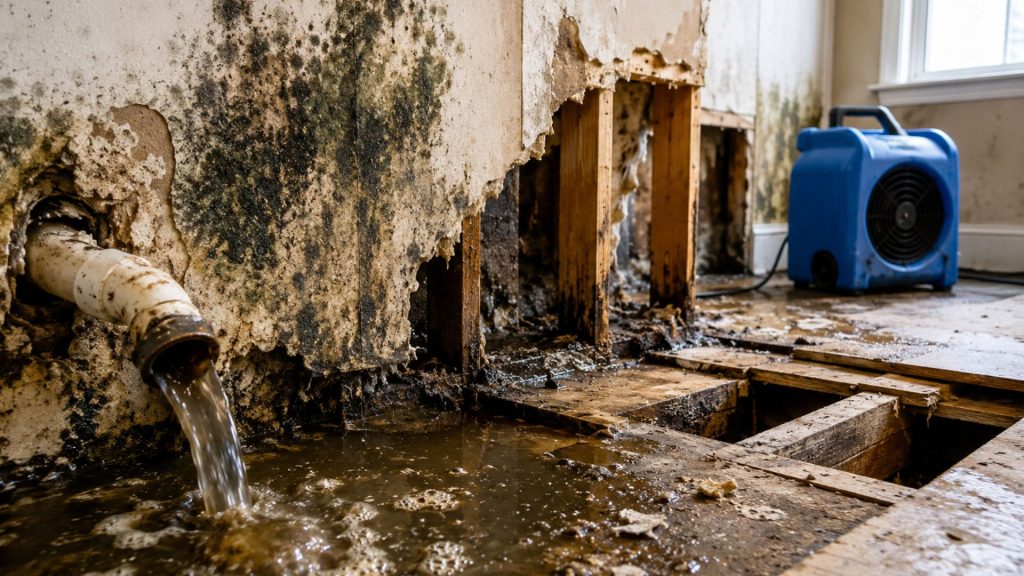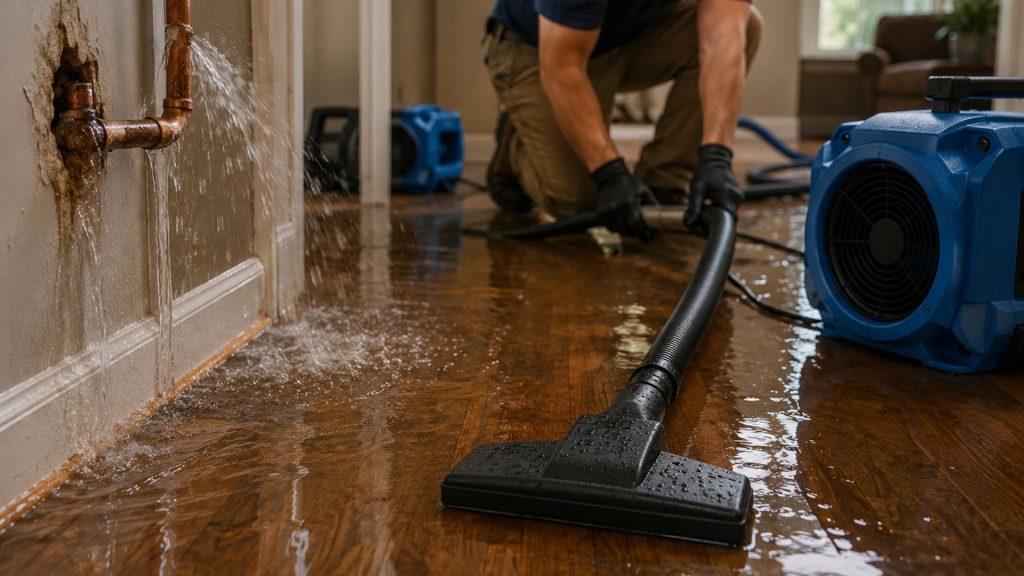















Winter in Kansas brings not only snow and icy weather but also an increased risk of frozen pipes within our homes. As temperatures fluctuate and ice accumulates within your home’s plumbing, the potential for serious consequences, such as burst pipes and extensive water damage, becomes all too real. It’s essential to be prepared for this common and potentially costly winter problem by understanding how temperature changes can lead to frozen pipes and implementing strategies to prevent and address these issues.
In this detailed article, we will explore the science behind frozen pipes, discuss the impacts of temperature variations on your home’s plumbing system, and provide effective solutions to prevent and manage frozen pipes. With FreshCo as your trusted source for cleaning and restoration solutions in Kansas, you can confidently navigate the challenges that winter weather may bring to your household plumbing.
1. The Science Behind Frozen Pipes: Understanding the Effects of Temperature Changes
To effectively address and prevent frozen pipes, it’s crucial to understand the science behind this winter issue. As temperatures drop, the water molecules within pipes lose energy and slow down, eventually forming a solid lattice structure (ice). The process of freezing causes the water to expand, putting immense pressure on the pipe walls. This increased pressure can weaken and eventually rupture your pipes, leading to extensive water damage and costly repairs.
Temperature fluctuations play a significant role in the formation of ice within pipes, particularly when there are sharp drops in outdoor temperatures or inconsistent indoor heating. Therefore, monitoring and maintaining consistent, above-freezing temperatures around your plumbing system is crucial in preventing frozen pipes during the winter season.
2. Identifying High-Risk Areas for Frozen Pipes in Your Kansas Home
Not all areas of your home have the same risk for freezing pipes. Identifying the high-risk areas is the first step in preventing and addressing this issue. Some common high-risk locations and pipe types include:
– Exterior walls: Pipes running along or within exterior walls are more exposed to the cold outdoor temperatures, increasing their risk of freezing.
– Unheated spaces: Plumbing in unheated areas, such as crawl spaces, garages, and basements, are particularly susceptible to freezing during cold snaps.
– Insufficiently insulated pipes: Pipes with inadequate insulation may be more prone to freezing, as they lack proper protection from the cold temperatures.
– Outdoor hose spigots: Outdoor water spigots may be forgotten during winterization measures, leaving them at high risk for freezing pipes.
By identifying these vulnerable areas within your home, you can implement targeted preventive measures to protect your pipes from freezing during the winter months.
3. Proactive Measures for Preventing Frozen Pipes in Kansas Homes
Kansas homeowners can take several proactive steps to reduce the likelihood of frozen pipes during the winter season, minimizing potential damage and subsequent repair costs:
– Insulate pipes: Insulate high-risk pipes, especially those located in unheated areas and adjacent to exterior walls, using foam insulation, heat tape, or pipe sleeves.
– Seal openings and drafts: Check your home for drafts and gaps near pipes, such as around windows, doors, and vents. Use caulk or weatherstripping to seal these openings and protect your pipes from cold air infiltration.
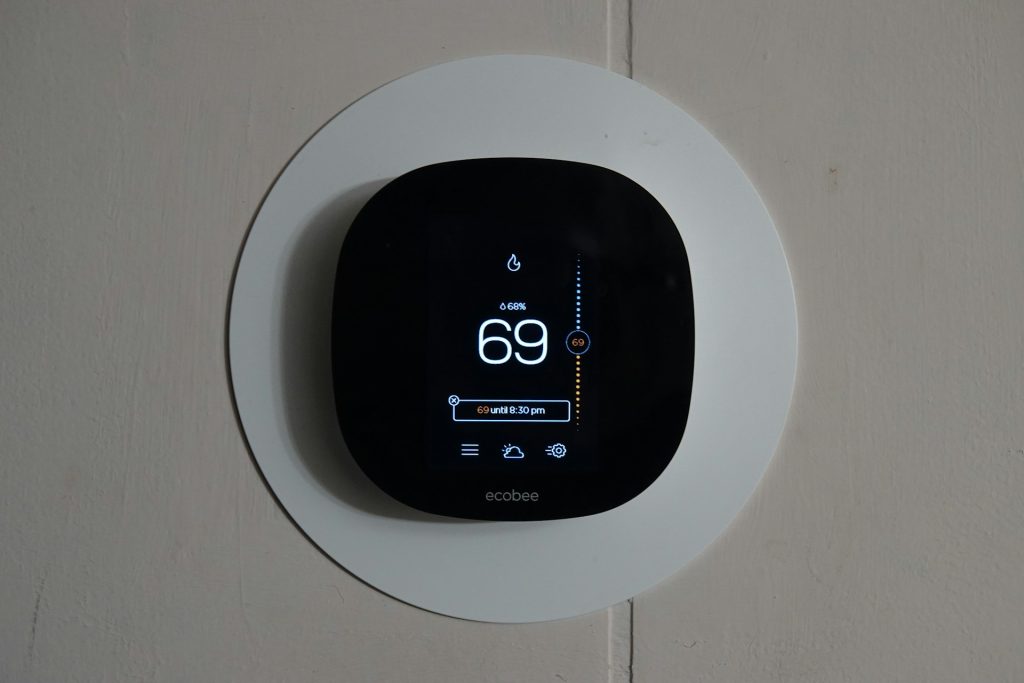
– Maintain consistent indoor temperatures: Keep your thermostat at a consistent temperature, ideally above 55°F (13°C), even when you’re away from home or during nighttime hours. This consistency will help prevent indoor pipes from dropping below freezing temperatures.
– Open cabinet doors: During particularly cold days, it’s helpful to open cabinet doors under sinks, allowing warm air to circulate around the pipes and keeping them above freezing temperatures.
– Drain outdoor hoses and faucets: Shut off the water supply to outdoor spigots and disconnect, drain, and store garden hoses. Covering outdoor faucets with protective insulation caps can also help prevent freezing.
– Let faucets drip: Slightly opening faucets to let water drip can alleviate pressure within the pipes, minimizing the risk of bursting if pipes do freeze.
4. Recognizing the Signs of Frozen Pipes and Taking Immediate Action
Early detection and prompt action are essential when dealing with frozen pipes in your Kansas home. Some common warning signs of frozen pipes include:
– Reduced water flow: A noticeable decrease in water pressure or flow may indicate a partially frozen pipe.
– Unusual noises: Strange gurgling or bubbling sounds coming from your faucets or plumbing system can signal ice blockages within the pipes.
– Frost accumulation: Visible frost or condensation on the exterior of a pipe may be a sign of dangerously cold temperatures and impending freezing.
– Cold temperatures and drafts: Drafty or unusually cold areas within your home can contribute to your pipes’ freezing risk and should be addressed promptly.
If you discover signs of frozen pipes, immediately shut off the main water supply to reduce potential damage in case of a burst pipe. Then, take steps to gradually warm up the affected area, using a space heater, heat lamp, or hairdryer (never use open flames). Opening nearby faucets slightly can also relieve pressure that may have built up within the pipes, lessening the risk of a rupture.
In the event of a burst pipe, prompt action is critical. Turn off the main water supply, and immediately contact FreshCo for professional restoration and repair assistance. Our experienced team is equipped to handle the complexities of water damage from burst pipes, safely restoring your home to a fully functional state.
By understanding the science behind frozen pipes, identifying high-risk areas, implementing preventive measures, and recognizing early warning signs, Kansas homeowners can effectively navigate and tackle this common winter issue. Rely on the expertise and dedicated service of FreshCo to help guide and support you in addressing and preventing frozen pipes during the frigid winter months.
Trust FreshCo for Your Winter Pipe Protection and Damage Repair Needs
As Kansas residents, we understand the challenges and concerns that accompany the winter season, particularly the potential for frozen pipes and the damage they can inflict on your home. By following the comprehensive guidance provided in this article, you’ll be well-equipped to prevent frozen pipes and address any issues that may arise. Should you need professional assistance, trust FreshCo for prompt, efficient, and high-quality services in dealing with water damage from frozen or burst pipes.
Don’t let winter’s chill take its toll on your Kansas home. Contact FreshCo today to discuss your needs, and let our team of professionals help provide solutions for all your cleaning and restoration requirements, ensuring a warm, comfortable, and functional living environment throughout the cold winter months.