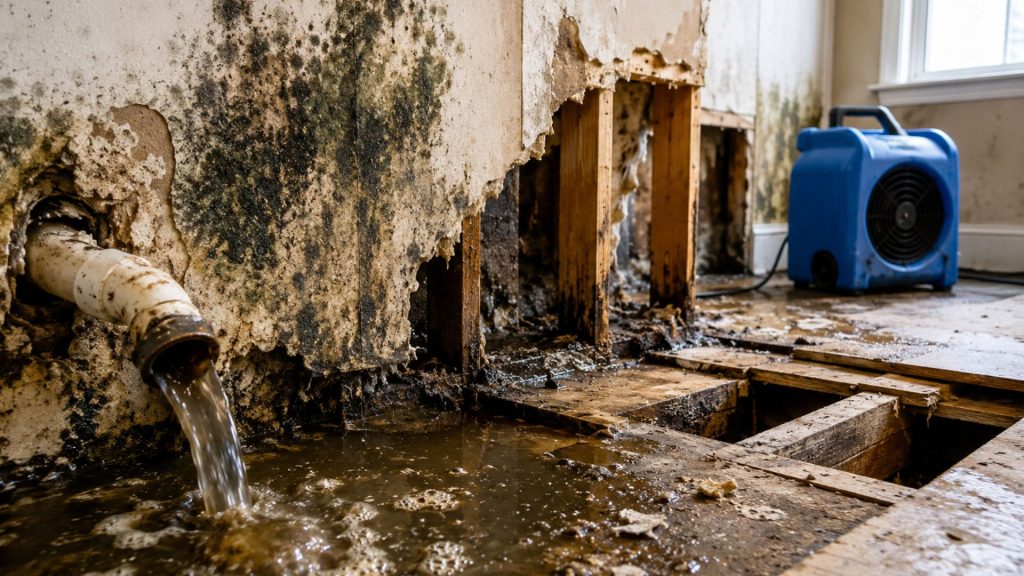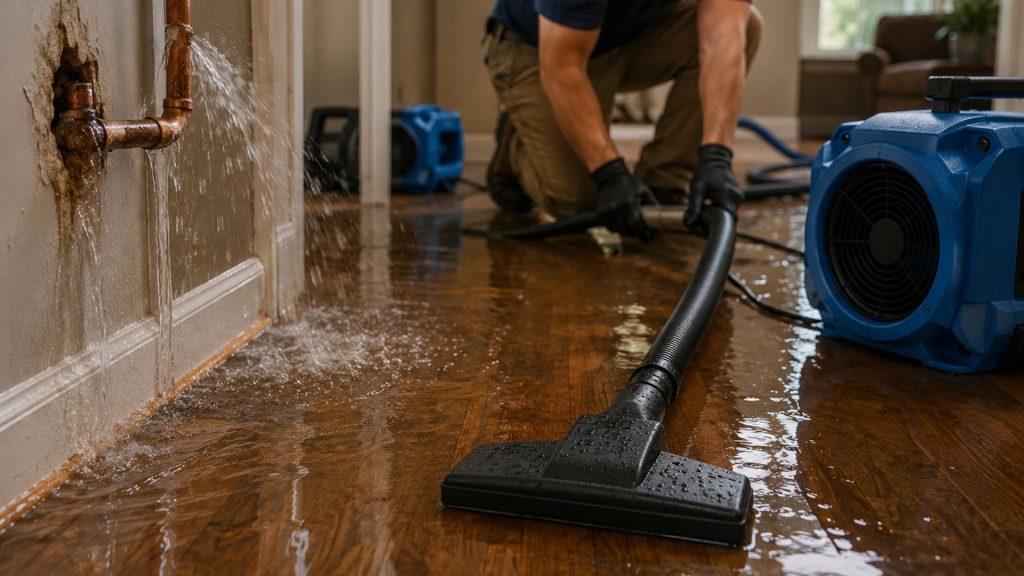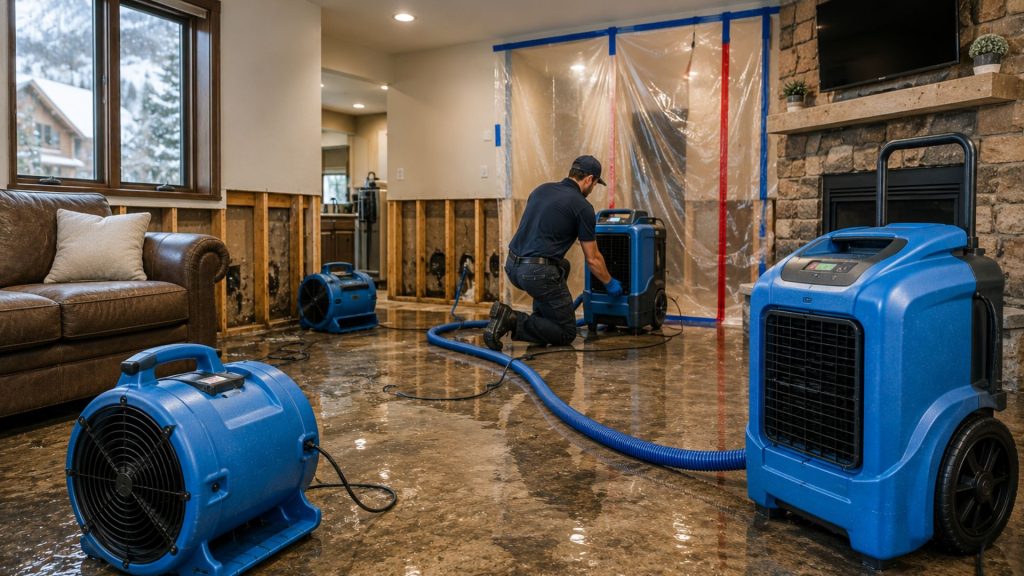















When the snow falls and temperatures plunge in Kansas, the risk of flooding may seem like a distant concern. However, winter flooding is a very real possibility and can result in significant damage to your property. With so much misinformation circulating about winter flooding, it’s essential to separate fact from fiction and empower yourself with accurate knowledge and expert guidance.
In this comprehensive article, we will debunk common winter flooding myths, helping Kansas homeowners make well-informed decisions about flood prevention and recovery. As your trusted source for cleaning and restoration solutions in Kansas, FreshCo is committed to providing factual, reliable information and expert assistance to homeowners grappling with the challenges of winter weather, including flooding issues.
Equip yourself with the truth and support of FreshCo to confidently navigate the complex world of winter flooding, ensuring your Kansas home remains safe, secure, and well-protected throughout the season.
Myth: Winter Flooding Cannot Occur When Temperatures Are Below Freezing
Despite the prevailing belief that frozen temperatures preclude flooding, winter flooding can indeed occur when ice and snow accumulate, then suddenly melt due to a rapid rise in temperature or heavy rainfall. Ice jams in rivers and streams can also create a barrier, causing water to back up and flood surrounding areas. It’s essential to be prepared for all types of flooding scenarios, even during the winter months.
Myth: Home Insurance Always Covers Winter Flood Damage
Many homeowners assume that their home insurance policies will cover any flood damage that occurs during the winter months. Unfortunately, this is not always the case. Standard homeowners’ insurance policies typically do not cover damage caused by flooding. Instead, flood insurance is often a separate policy offered through the National Flood Insurance Program (NFIP) or private insurers.
It’s vital to review your insurance policy carefully and consider purchasing flood insurance if you live in a flood-prone area, ensuring adequate protection for your home during winter flooding events.
Myth: Snow Piled Against Your Home Prevents Foundation Flooding
One commonly touted piece of advice is that piling snow against your home’s foundation can help prevent flooding by acting as an insulating barrier against the cold. This approach may have some merit in protecting pipes from freezing, but it can actually increase the risk of foundation flooding.
As snow piled against your home begins to melt, the water can seep into your foundation, creating hydrostatic pressure and potentially leading to cracks and leaks. Instead of piling snow against your foundation, it’s best to ensure that your home has proper insulation and that you maintain a snow-free zone around your home’s perimeter to minimize the risk of foundation flooding.
Myth: Frozen Ground Protects Your Home from Flooding
Many people believe that frozen ground acts as a shield, preventing water from permeating the soil and entering your foundation. While it’s true that frozen ground is less permeable to water than thawed ground, this characteristic can worsen winter flooding.
When the ground is frozen, water from melting snow or heavy rainfall cannot be adequately absorbed by the soil, so it must find another path. This situation often results in water pooling around your home’s foundation, increasing the risk of leaks and flooding. Instead of relying on frozen ground for protection, make an effort to maintain proper drainage systems, such as gutters and downspouts, to direct water safely away from your property.
Myth: Thawing Snow Can Be Ignored
During the winter months, most people are focused on preventing frozen pipes and addressing ice-related issues. However, the process of snow and ice thawing can pose a significant risk to your home. As snow melts, the resulting water can accumulate around your foundation, seep into any existing cracks or crevices, and enter your basement or crawl space, causing potentially severe water damage.
To protect your home from thaw-related flooding, regularly inspect the area around your home’s perimeter, and look for any signs of pooling water as snow begins to melt. Ensure that your drainage system is functioning correctly, and be prepared to take proactive measures, such as installing a sump pump, if water accumulation threatens the integrity of your home’s foundation.
Myth: Salt and De-icing Chemicals Have No Impact on Flooding
While salt and de-icing chemicals are essential tools for combating snow and ice buildup on driveways, sidewalks, and roads, their impact on winter flooding cannot be ignored. When snow and ice mixed with these chemicals eventually melt, they can contaminate local waterways, disrupt natural drainage patterns, and contribute to flooding.
To minimize the negative effects of salt and de-icing chemicals on the environment and local flood risk, consider using more eco-friendly alternatives, such as sand or clay-based cat litter, for traction purposes. Additionally, be mindful of where you apply these chemicals and how they may affect local runoff and drainage patterns.
By debunking these common winter flooding myths, Kansas homeowners can take informed, proactive steps to protect their homes from potential flood damage during the colder months. Armed with accurate knowledge and a clear understanding of the risks associated with winter flooding, you can create a solid plan of action to minimize flooding-related issues and maintain a safe, comfortable living environment throughout the winter season.
Rely on FreshCo for Expertise and Support in Winter Flood Prevention and Recovery
Armed with the truth behind common winter flooding myths, Kansas homeowners can better prepare and take proactive measures to protect their homes from potential damage. As your trusted source for cleaning and restoration solutions in Kansas, FreshCo is dedicated to helping homeowners navigate the wide array of challenges that winter weather presents, including the ever-present risk of flooding.
Is your home at risk of winter flooding? Rely on FreshCo for expert guidance and professional water damage restoration services. Our experienced team is dedicated to providing prompt, efficient, and high-quality services to restore your property to its pre-flood condition. Contact us today to discuss your needs and let us help safeguard your Kansas home from winter’s watery threats.Trust FreshCo for all your winter flooding prevention and recovery needs!