














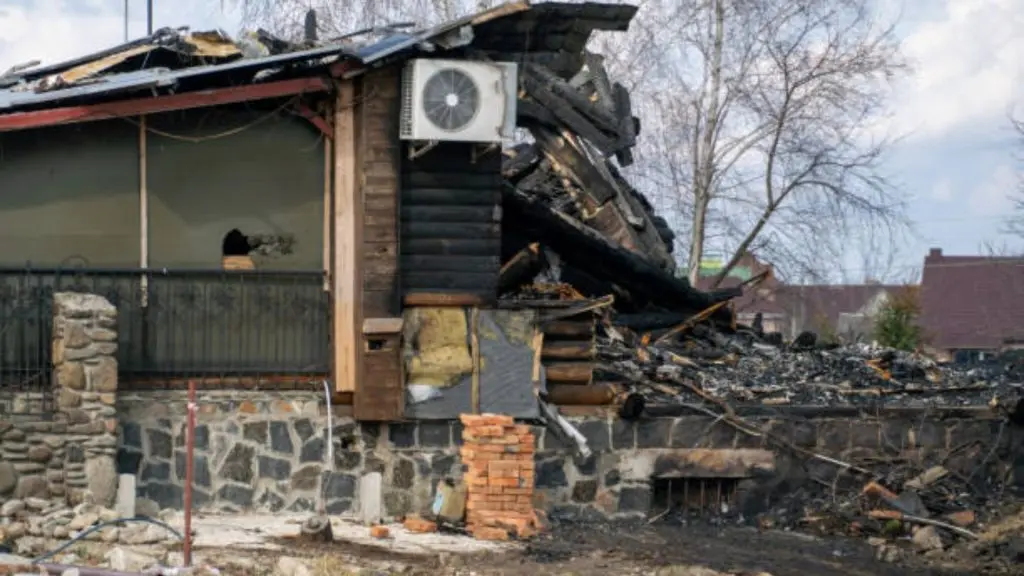
A house fire is disorienting enough without also having to navigate an insurance claim on top of it. Knowing the general order of steps ahead of time makes the process less overwhelming when it actually happens. This guide walks Hutchinson, KS homeowners through what filing a fire damage claim typically involves, from the first phone call to the insurance company through final settlement.
Step One: Contact Your Insurance Company Right Away
Notifying your insurer as soon as possible after a fire starts the claims process and gives you an assigned claim number and, often, an adjuster contact. Most policies require prompt notification, so this step shouldn’t wait even if you’re still dealing with immediate safety concerns like temporary housing.
Step Two: Document the Damage Before Cleanup Begins
Photos and video of the damage, taken before any cleanup or repair work starts, form the foundation of your claim. Walk through every affected room, capturing structural damage, smoke staining, and damaged belongings from multiple angles. This documentation matters even for areas that seem minor, since smoke and soot damage can extend well beyond the visible fire source.
Step Three: Create a Detailed Inventory of Damaged Belongings
Insurance companies typically want an itemized list of damaged or destroyed personal property, ideally with approximate purchase dates and values. This step takes time, but a thorough inventory supports a stronger claim than a general estimate of losses. Receipts, photos from before the fire, and even credit card statements can help establish value for higher-cost items.
Step Four: Meet With Your Insurance Adjuster
The adjuster assigned to your claim will typically schedule a visit to assess the damage in person, comparing what they see against your documentation and inventory. Having your own photos and notes ready before this visit helps ensure nothing gets overlooked, particularly damage that may not be immediately obvious, like smoke infiltration into HVAC systems or hidden water damage from firefighting efforts.
Step Five: Get a Restoration Assessment and Estimate
A professional restoration assessment identifies the full scope of fire, smoke, and water damage, which often extends beyond what’s visible at first glance. We evaluate structural damage, smoke and soot penetration into materials, and any water damage from extinguishing the fire, then provide documentation that supports your claim alongside the adjuster’s assessment.
Step Six: Review Your Policy for Coverage Details
Homeowners’ policies vary in what they cover for fire damage, including limits on personal property replacement, additional living expenses if you can’t stay in your home during repairs, and whether smoke damage to unaffected areas is covered. Reading your specific policy or asking your agent directly about these details helps set realistic expectations for the claim.
Step Seven: Negotiate If Necessary
If the initial settlement offer seems low relative to your documented damage and restoration estimates, you have the right to discuss it with your insurer and provide additional documentation to support a higher settlement. Keeping detailed records throughout the process makes this conversation more productive if it becomes necessary.
Common Mistakes That Slow Down a Fire Damage Claim
A few missteps tend to create unnecessary delays or complications during the claims process.
- Starting cleanup or repairs before the adjuster has assessed the damage
- Failing to document damaged belongings thoroughly before disposal
- Not reading the policy closely enough to understand coverage limits and exclusions
- Accepting an initial settlement offer without reviewing it against a full restoration estimate
- Missing the insurer’s deadline for filing supplemental claims if additional damage is discovered later
What to Expect During the Restoration Process
Once the claim is underway, restoration work typically addresses structural repairs, smoke and soot removal, and odor elimination throughout the affected areas. We assess which materials can be cleaned and restored versus which need replacement, since smoke damage can penetrate porous materials in ways that aren’t always visible on the surface. Coordinating restoration timing with your insurance adjuster helps keep the claim and the repair work moving together rather than working against each other.
How Hutchinson Homeowners Can Prepare Ahead of Time
Reviewing your homeowners policy before you ever need it, keeping an updated home inventory with photos, and knowing your insurance company’s claims contact information are all steps that pay off if a fire does happen. Storing copies of important documents, including your policy, somewhere accessible outside the home, whether digitally or with a trusted contact, also helps if physical copies are damaged or destroyed.
Understanding the Difference Between Dwelling and Contents Coverage
Homeowners policies typically separate coverage into dwelling coverage, which addresses the structure itself, and personal property or contents coverage, which addresses belongings inside the home. Fire damage claims often involve both categories at once, and understanding which portion of your policy covers what helps you organize documentation more effectively. Structural elements like framing, drywall, flooring, and built-in fixtures generally fall under dwelling coverage, while furniture, electronics, and personal items fall under contents coverage, each with its own coverage limits and, in some cases, separate deductibles.
Working With Mortgage Companies on Larger Claims
If your home has a mortgage, the insurance settlement for structural damage is often issued as a check made out to both you and your mortgage lender, since the lender has a financial interest in the property being repaired. This can add an extra step to the process, since the lender may release funds in stages tied to the progress of repairs rather than all at once. Understanding this ahead of time helps avoid confusion if the settlement check requires an extra signature or if funds arrive in installments as restoration work proceeds.
Frequently Asked Questions
How Long Do I Have to File a Fire Damage Claim?
Filing deadlines vary by insurance company and policy, so checking your specific policy or contacting your agent immediately after a fire is the safest approach. Prompt notification is generally required even if the full claim takes time to document.
Will My Insurance Cover Temporary Housing After a Fire?
Many homeowners policies include additional living expense coverage for situations where a home is temporarily uninhabitable, but the specific terms and limits vary by policy. Checking your policy details or asking your adjuster directly confirms what applies to your situation.
Do I Need My Own Restoration Estimate, or Is the Adjuster’s Enough?
Getting an independent restoration assessment gives you documentation that reflects the full scope of damage, which can support your position if there’s a discrepancy with the adjuster’s initial estimate. It’s a useful step even when the process goes smoothly.
What If I Discover Additional Damage After the Claim Is Filed?
Most policies allow for supplemental claims when additional damage is discovered during restoration, such as hidden smoke infiltration or structural issues found once repairs begin. Contact your adjuster promptly and document the newly discovered damage the same way you did initially.
Can I Choose My Own Restoration Company?
In most cases, homeowners have the right to choose their own restoration company rather than being required to use one specifically recommended by the insurer. Confirming this with your policy or agent is worth doing early in the process.
Final Thoughts on Filing a Fire Damage Claim
Filing a fire damage insurance claim takes patience and organization, but knowing the general steps ahead of time turns an overwhelming process into a manageable one. Thorough documentation, a clear understanding of your policy, and a professional restoration assessment all work together to support a fair settlement. If your Hutchinson home has experienced fire damage, FreshCo Cleaners can provide a fire damage assessment to support your insurance claim and outline what the restoration process will involve.