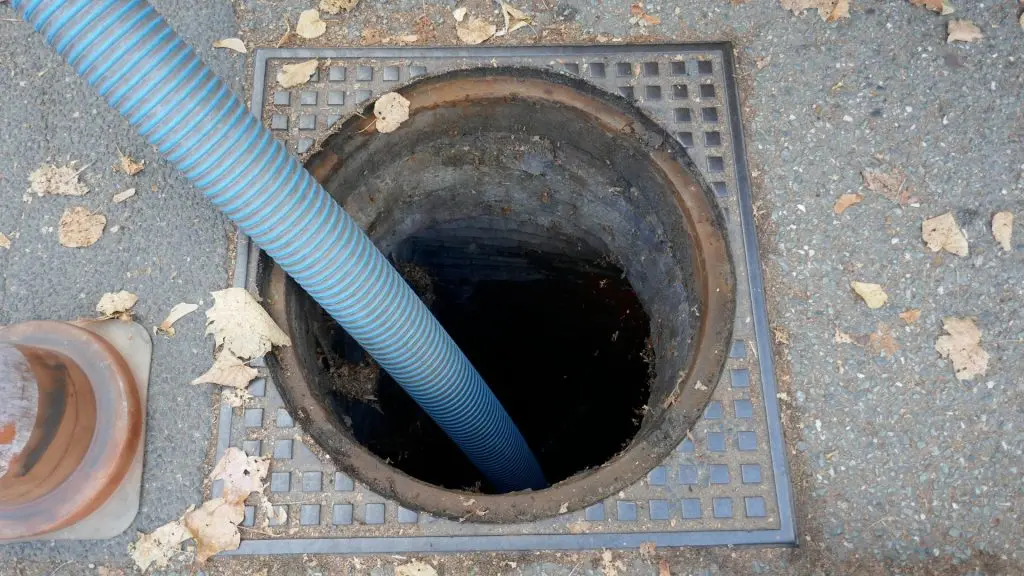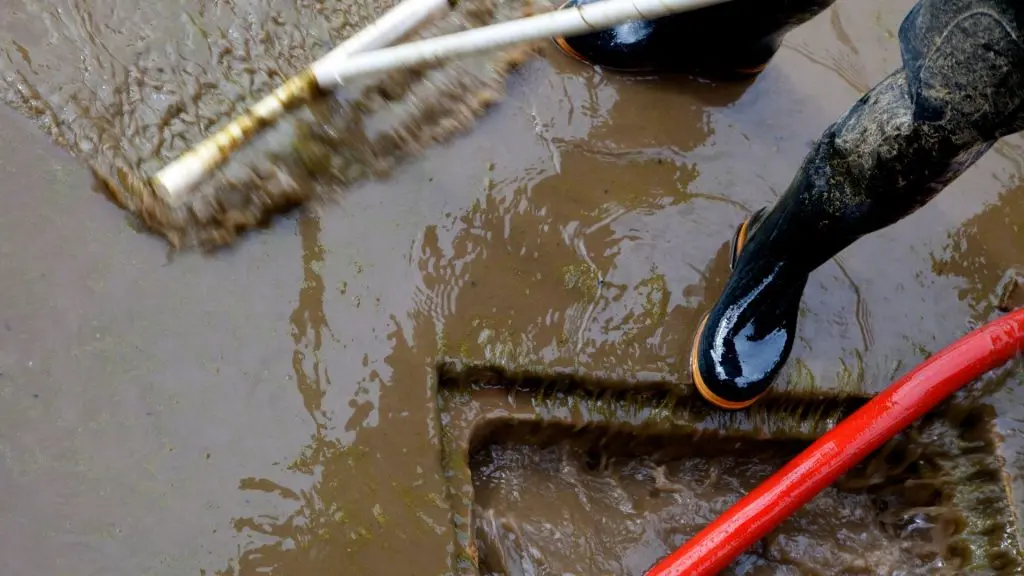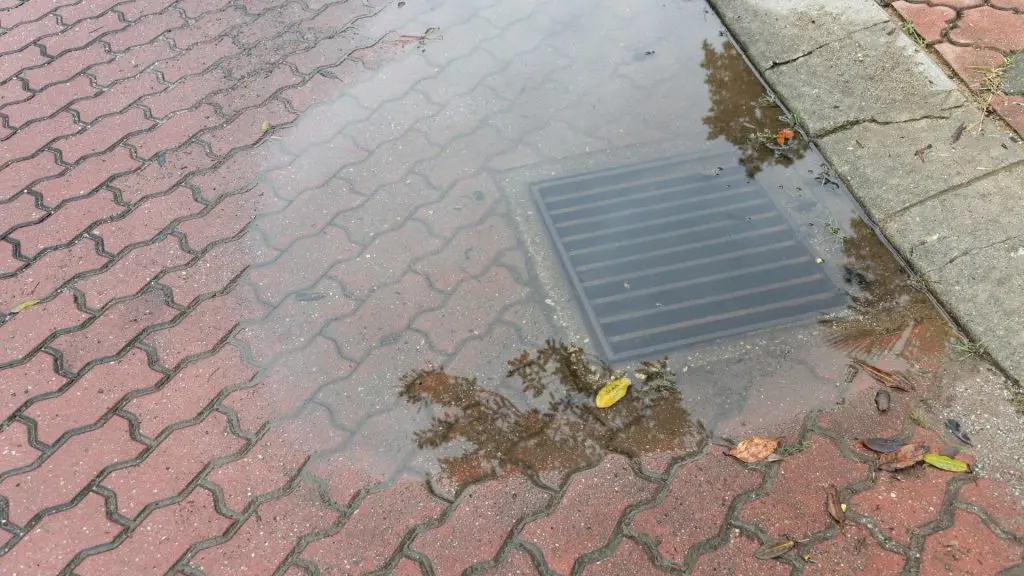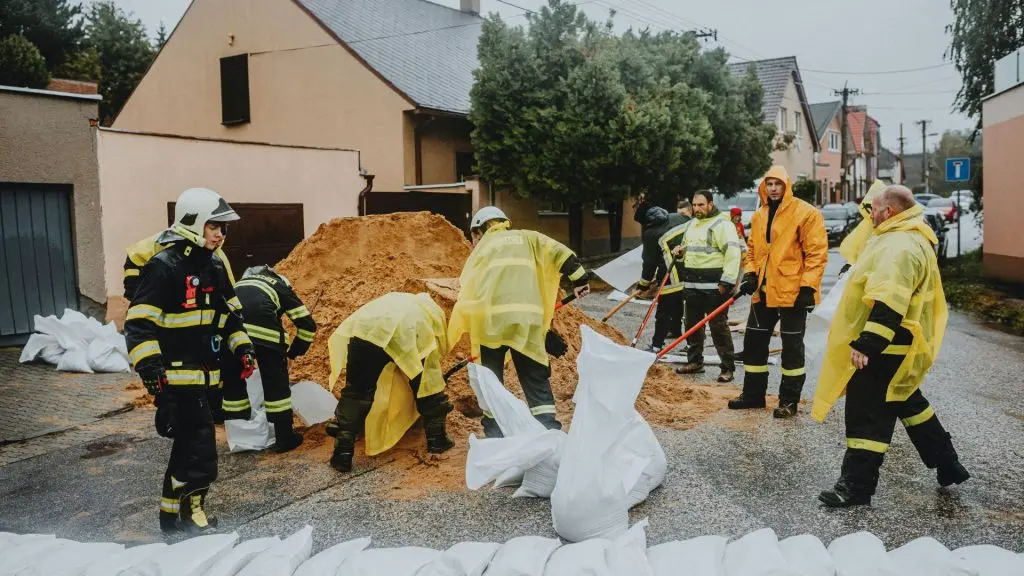













A sewage backup is one of the more unpleasant problems a homeowner can face, and it often arrives without warning. Between the health risks of contaminated water and the confusion over what your policy actually pays for, sewage damage restoration in Hutchinson, KS raises questions that go well beyond cleanup. This guide walks through how sewer backups happen, what your homeowners insurance is likely to cover, and how the restoration and claims process typically works together, so you know what to expect if it happens to you.
This article is general and educational information only. Every insurance policy is different, so always confirm coverage details directly with your insurer or agent.
Why Sewage Backups Happen in Hutchinson Homes
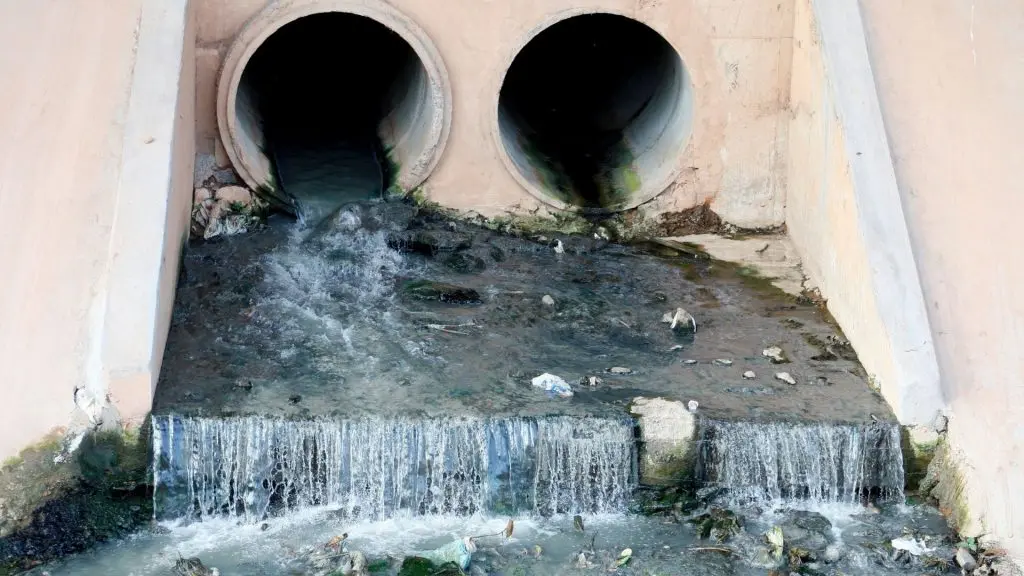
Sewer backups aren’t random. A few common causes show up again and again in Reno County homes:
- Tree root intrusion into older clay or cast-iron sewer lines, which is more common in Hutchinson’s established neighborhoods with mature landscaping.
- Heavy or sudden rainfall that overwhelms municipal sewer systems, pushing wastewater back through household drains instead of away from the home.
- Aging or undersized municipal infrastructure in parts of central Kansas that simply wasn’t built for current usage volumes.
- Blockages from grease, wipes, or debris further down the line, either on the homeowner’s side of the connection or the city’s.
Because the cause isn’t always visible from inside the house, homeowners often don’t know whether the problem originated on their property or further down the municipal line, which matters both for repair and for insurance.
Does Homeowners Insurance Cover Sewage Backup?
In most cases, no. A standard homeowners insurance policy typically excludes damage from sewer or drain backups unless you’ve added a specific endorsement for it.
That surprises a lot of people, because sewage backup feels like it should fall under general water damage coverage. Insurers usually treat it differently because the water is considered contaminated (often called “black water” or Category 3 water), and because backups are frequently linked to municipal infrastructure or plumbing maintenance issues rather than a sudden, accidental event.
What a Sewer Backup Endorsement Covers
Many insurers offer a water backup and sump overflow endorsement, sometimes called a sewer backup rider, as an add-on to a standard policy. This typically extends coverage to damage caused by water or sewage that backs up through drains, toilets, or sump pumps. Coverage limits, deductibles, and exclusions vary significantly by insurer, so it’s worth reviewing your declarations page or calling your agent to see whether this endorsement is already part of your policy.
Without this endorsement, homeowners are often left paying for cleanup and repairs out of pocket, which is why it’s worth checking your coverage before you need it, not after.
What Documentation Helps Support a Sewage Damage Claim
Whether or not a claim is ultimately approved, thorough documentation gives your insurer, and your restoration company, a clear picture of what happened and what it will take to fix it. A restoration company can typically provide several pieces of documentation that support the claims process.
Photos and Video Documentation
Before any cleanup begins, a restoration team should photograph and video the affected areas, including standing water, damaged materials, and the source of the backup if it’s identifiable. This creates a timestamped record of conditions before mitigation work starts, which insurers rely on heavily when evaluating a claim.
Moisture Readings and Testing
Sewage water spreads into flooring, drywall, and subfloor materials in ways that aren’t always visible. Moisture meters and thermal imaging help establish how far the contamination traveled, which affects both the health and safety plan for the cleanup and the scope your insurer will review.
Scope of Work and Itemized Estimates
A detailed scope of work outlines exactly what needs to happen: what materials are being removed, what’s being sanitized versus replaced, equipment used for drying, and the estimated timeline. Insurers generally expect an itemized estimate rather than a lump-sum number, since it shows the reasoning behind the cost.
Keeping copies of everything, including communication with your restoration company and your insurer, makes it easier to follow up if questions come up later in the process.
How the Cleanup and Insurance Claims Process Typically Overlap
One of the more confusing parts of a sewage backup is that cleanup and the insurance claim don’t happen in a strict order. Because contaminated water poses a health risk and can lead to secondary problems like mold growth within 24 to 48 hours, emergency mitigation usually needs to start immediately, often before a claim is fully approved.
In practice, this generally looks like:
- The homeowner contacts a restoration company for emergency extraction and containment, since waiting can allow water to spread further and increase the risk of mold.
- The restoration company documents the damage and begins mitigation, such as water extraction and initial drying, to stop the situation from getting worse.
- The homeowner files a claim with their insurer, providing the documentation gathered during mitigation.
- The insurer reviews the claim, which may include an adjuster visiting the property or reviewing the restoration company’s documentation remotely.
- Repairs and reconstruction proceed based on the approved scope, whether that’s covered by insurance or handled directly by the homeowner.
This overlap is normal. A restoration company’s job during the early hours after a backup is to reduce further damage and protect health and safety, not to wait on a claim decision. For fast-moving situations like this, FreshCo’s emergency services team is set up to respond quickly and start documenting conditions from the first visit, which helps regardless of how the claim turns out.
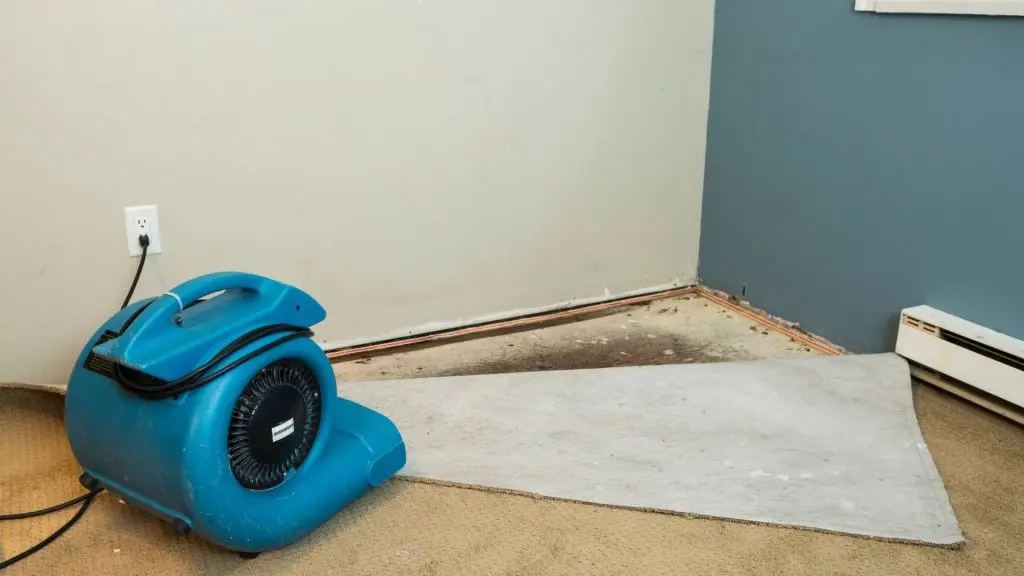
Because sewage water is a Category 3 contaminant, professional water extraction and thorough drying matter more here than with a typical water intrusion. Materials that can’t be fully sanitized, like soaked drywall or carpet padding, often need to be removed rather than dried in place.
Questions to Ask Your Insurance Provider
Before a backup happens, or right after one, it’s worth calling your agent with a short list of questions:
- Does my policy include a water backup or sewer backup endorsement, and what’s the coverage limit?
- What’s my deductible for this type of claim, and is it different from my standard deductible?
- Does the endorsement cover both the cleanup and any structural repairs, or just one?
- Is there a distinction in my policy between a backup originating in my plumbing versus the municipal sewer line?
- What documentation does the claims adjuster need from me or my restoration company?
Getting clear answers ahead of time removes a lot of the guesswork if you’re ever dealing with an actual backup.
What to Do If You Discover a Sewage Backup
If you notice slow drains, gurgling toilets, or standing water with a sewage odor, a few steps can limit the damage while you sort out next steps:
- Avoid using water in the home, including sinks, toilets, showers, and washing machines, until the source is identified.
- Keep people and pets away from the affected area, since contaminated water carries bacteria and other health risks.
- Take photos of the visible damage before touching anything, if it’s safe to do so.
- Call a restoration company promptly rather than attempting to clean sewage water yourself. Category 3 water requires specific equipment and protective procedures.
Contact your insurance provider to start the claims conversation, even if you’re not yet sure what’s covered.
FreshCo has a full write-up on what to do the moment a sewer backup happens, which covers the early response steps in more detail.
Serving Hutchinson and Surrounding Central Kansas Communities
FreshCo Cleaning & Restoration provides sewage cleanup, water damage restoration, mold remediation, and fire damage restoration for homeowners throughout Hutchinson and the surrounding areas, including communities like Wichita. Central Kansas weather and aging infrastructure in some neighborhoods mean sewer backups aren’t a rare event, and having a restoration company that understands both the cleanup and the insurance side of the process makes a stressful situation more manageable.
If a sewage backup has damaged flooring, drywall, or other materials in your home, FreshCo’s water damage restoration team can assess the extent of the damage and put together documentation to support your insurance claim from the start. When contamination has been sitting for a while, it’s also worth having the property evaluated for mold, since sewage backups create the damp, organic conditions mold needs to take hold.
When to Call FreshCo?
If you’re dealing with a sewage backup in Hutchinson, KS or the surrounding area, don’t wait to see if it resolves on its own. Reach out to FreshCo Cleaners as soon as you notice signs of a backup, standing contaminated water, sewage odor, or multiple drains backing up at once. Our team handles the extraction, sanitization, and documentation together, so you’re not managing the cleanup and the insurance paperwork on separate tracks. The sooner mitigation starts, the less likely the damage is to spread into flooring, walls, or a secondary mold problem.
Frequently Asked Questions
What is a sewer backup endorsement, and do I need one?
A sewer backup endorsement is an optional add-on to a standard homeowners policy that covers damage from water or sewage backing up through drains, toilets, or sump pumps. Since standard policies usually exclude this type of damage, homeowners in areas with older sewer infrastructure or a history of heavy rainfall often add this coverage for extra protection.
Is sewage backup considered Category 3 water damage?
Yes. Sewage water is classified as Category 3, or “black water,” because it can contain bacteria, viruses, and other contaminants. This classification affects how a restoration company approaches cleanup, including which materials can be sanitized versus which need to be removed and replaced.
Will my claim be denied if I don’t have a sewer backup endorsement?
It’s possible. Without this endorsement, most standard homeowners policies won’t cover sewage backup damage. Some policies may still cover related damage under different provisions depending on the cause, which is why it’s worth reviewing your specific policy language with your agent rather than assuming either way.
How quickly should I call a restoration company after a sewage backup?
As soon as possible. Contaminated water can begin causing secondary damage, including mold growth, within 24 to 48 hours. Prompt extraction and drying also help limit how much material needs to be removed and replaced.
Does FreshCo work directly with insurance companies?
FreshCo documents damage thoroughly throughout the cleanup process, including photos, moisture readings, and a detailed scope of work, which homeowners can provide to their insurer to support a claim. Homeowners should still file and manage their claim directly with their insurance provider.
Can I clean up a sewage backup myself?
It isn’t recommended. Category 3 water contains contaminants that pose real health risks, and proper cleanup requires specific equipment, protective gear, and disposal procedures that go beyond typical household cleaning.