















Winter in Hutchinson, KS, can be tough on homes. Cold temperatures, snow, and ice all pose risks for property damage. One of the biggest challenges homeowners face is water damage. When pipes freeze and burst, or when melted snow leaks into basements, it can cause serious problems. Water damage doesn’t just ruin walls and floors; it can also lead to mold growth, which is hazardous to your health.
Preparing your home for these winter risks is crucial. Knowing how to spot signs of water damage early can save you a lot of trouble down the road. Acting fast when water damage occurs is just as important. Quickly addressing leaks and flooding can prevent minor issues from turning into big, costly repairs.
Having the right tools and knowledge can make a huge difference in dealing with water damage. This guide will help you understand the steps to take when water damage happens, how to clean it up effectively, and ways to prevent it in the future. Keeping your home safe from water damage this winter is easier than you might think with a little preparation and the right approach.
Signs of Winter Water Damage in Hutchinson Homes
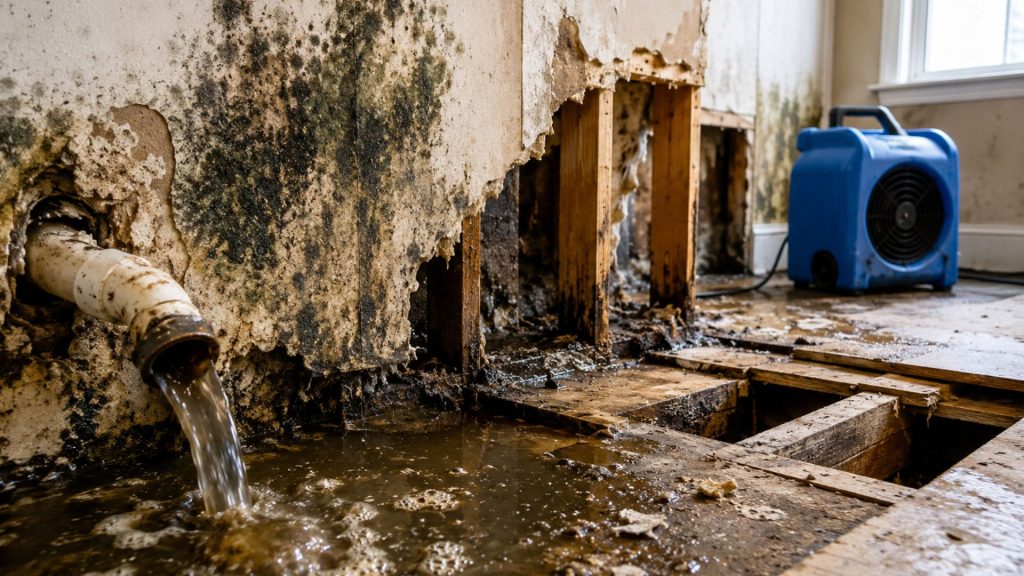
Winter can put a lot of stress on homes, especially in a place like Hutchinson, KS. Knowing the signs of water damage early can help you take quick action and prevent further issues. Look out for discoloration on walls and ceilings. Water stains often appear as brown or yellow splotches and can spread over time. These stains indicate that water is seeping through and causing damage behind the scenes.
Another sign to watch for is a musty odor. This smell usually means mold or mildew is growing, which happens when water gets into areas it shouldn’t. Mold can start growing within 24 to 48 hours of water exposure, so addressing the smell quickly is crucial. Warped or buckled floors are also a telltale sign. Wood and laminate flooring absorb water and, over time, will start to bend or warp if exposed to constant moisture.
Additionally, check for peeling paint or wallpaper. When water gets behind paint or wallpaper, it weakens the adhesive, causing it to peel or bubble. Inspect the areas around windows and doors, as these can be entry points for water. Early detection helps save time and money on repairs.
Immediate Steps to Take When Water Damage Occurs
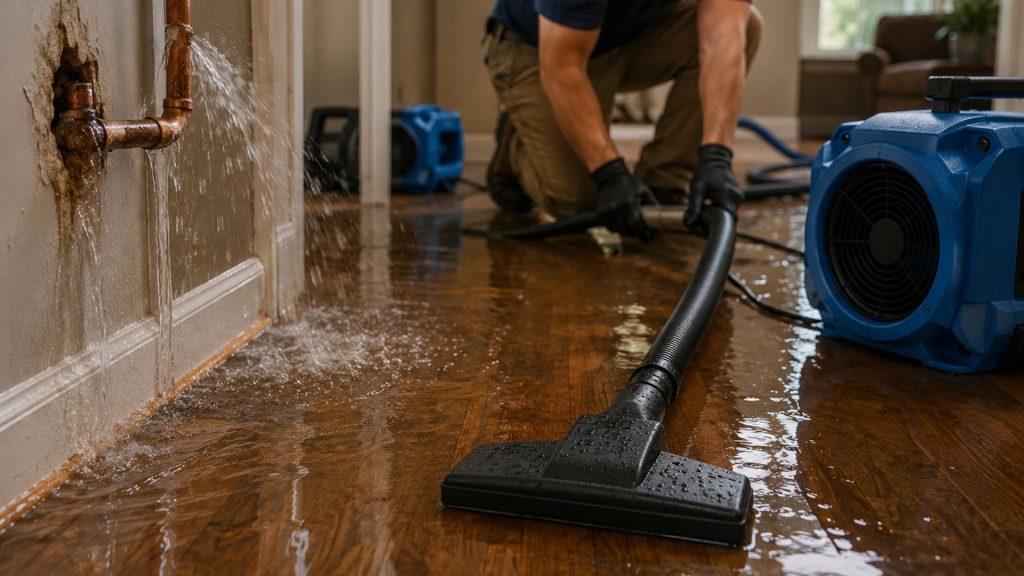
When water damage strikes, acting fast is key to minimizing the damage. Start by shutting off the water source if the damage is due to a burst pipe or leak. Turning off the main water valve will stop the flow and prevent more water from entering your home. If the damage is from outside sources like melted snow or rain, try to redirect the water flow away from your house using sandbags or other barriers.
Next, remove any standing water as quickly as possible. Use buckets, mops, or a wet/dry vacuum to get rid of excess water. The quicker you remove the water, the less damage it will cause to floors, carpets, and walls. After removing the standing water, dry the area thoroughly. Open windows to allow fresh air in and use fans or dehumidifiers to speed up the drying process.
It’s important to remove wet materials like rugs, furniture, and curtains from the affected area. These items can hold water and make the drying process longer. Place them in a dry, ventilated area. Lastly, document the damage with photos and notes. This will be helpful for insurance claims and to help professionals assess the situation if needed. Taking these immediate steps can prevent further complications and reduce repair costs.
Essential Tools and Techniques for Effective Water Cleanup
Cleaning up water damage efficiently requires the right tools and techniques. Having these items on hand can make a huge difference in how quickly and effectively you can tackle the problem. A wet/dry vacuum is one of the most useful tools. It helps remove standing water quickly from floors and carpets. Remember to use a squeegee attachment for hard floors to ensure thorough drying.
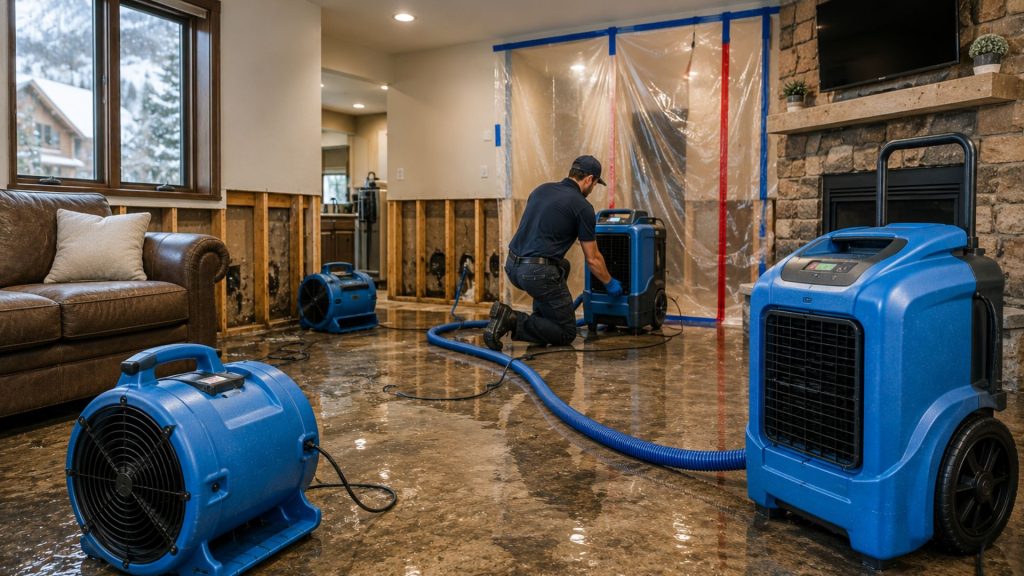
Fans and dehumidifiers are also essential. These devices help circulate air and reduce humidity, speeding up the drying process. Place fans in affected rooms and direct them towards the damp areas. Dehumidifiers can pull moisture from the air, helping to dry walls and furniture faster. This prevents mold growth, which is a common issue after water damage.
Another tool to have is a moisture meter. This device helps you measure the level of moisture in different materials, allowing you to ensure that everything is thoroughly dried. For deep cleaning, use a mild detergent and disinfectant to clean any surfaces that came into contact with water. This helps prevent bacteria and mold from developing.
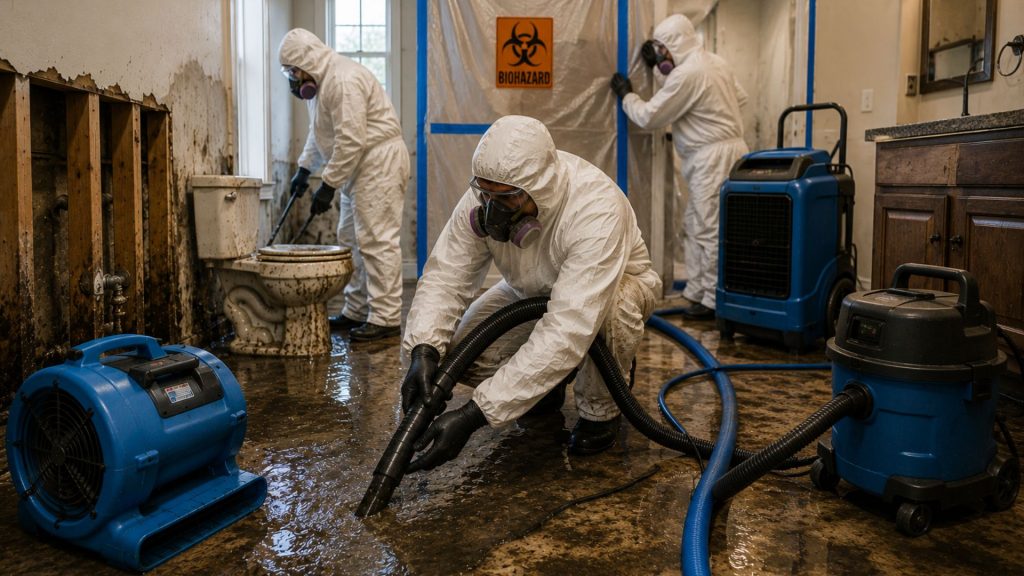
In addition to tools, knowing the right techniques is crucial. Begin with the areas that have the heaviest water accumulation and work outward. Always wear protective gear like gloves and masks to avoid coming into contact with contaminated water. By using these tools and techniques, you can handle water damage more effectively and safely.
Preventing Future Winter Water Damage
Preventing water damage before it starts can save you a lot of trouble and expense down the road. One of the most important steps is to insulate your pipes. Use pipe sleeves or heat tape to keep them from freezing and bursting during cold snaps. Pay particular attention to pipes in unheated areas like attics and basements.
Regular roof maintenance is another key step. Inspect your roof for missing or damaged shingles and fix any issues promptly. Clean your gutters to ensure water flows away from your home, preventing ice dams that can lead to leaks inside. Install downspout extenders to direct water further away from the foundation.
Sealing cracks and gaps around windows, doors, and the foundation of your home can also prevent water intrusion. Use weather-stripping and caulk to keep cold air and moisture out. Additionally, consider installing a backwater valve in your plumbing system. This device prevents sewage from backing up into your home during heavy rains or when snow melts quickly.
Regularly check your home’s exterior drainage. Make sure the soil around your foundation slopes away from your home to prevent water from pooling next to it. Installing a sump pump in your basement can also be a lifesaver, as it will automatically pump out any water that enters. By taking these preventive measures, you can keep your Kansas home safe and dry throughout the winter.
Conclusion
Winter in Hutchinson, KS, can be very harsh, but by understanding and preparing for the challenges, you can protect your home from severe water damage. Identifying the signs of water damage early and taking immediate action can save you significant time and money. Employing the right tools and techniques for water cleanup ensures your home is safe and habitable.
Preventive steps are just as crucial. By insulating pipes, maintaining your roof, and sealing gaps, you can avoid many potential water damage issues. Regularly monitoring your home’s exterior drainage and installing a sump pump if necessary will keep your home dry and secure, even during heavy rains and rapid snow melts.
If you do encounter water damage and need expert help, FreshCo is here for you. We specialize in cleaning and restoration services to make your home safe again. Contact FreshCo today for professional and reliable water damage cleanup near you.