














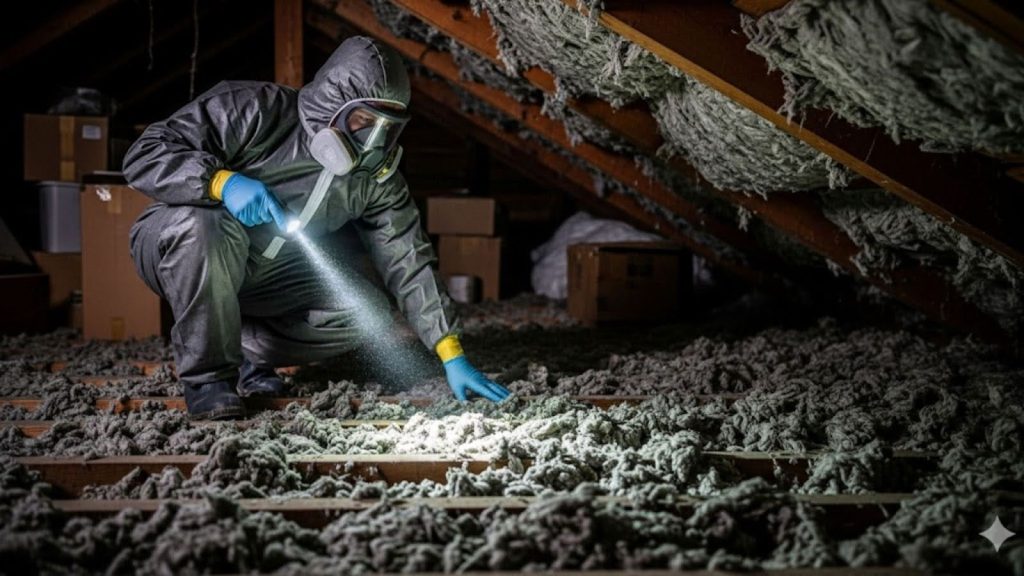
Asbestos Removal Services first gained prominence when homeowners discovered hidden health hazards lurking in walls and ceilings. For decades, asbestos fibers were woven into insulation, roofing, and flooring materials because of their remarkable resistance to heat, fire, and chemical corrosion. Yet the very durability that made asbestos invaluable in construction concealed a darker side: inhaled fibers could embed deep in lung tissue, causing illnesses like mesothelioma and asbestosis. Only after mounting scientific evidence and regulatory crackdowns did the widespread use of this mineral begin to decline. However, the legacy of asbestos in thousands of buildings still demands careful management and informed decision-making.
What do clients need to know about asbestos removal?
Before any demolition or renovation project begins, clients must understand that asbestos removal is a tightly regulated process designed to protect both occupants and contractors. Untrained individuals tackling asbestos can inadvertently release friable fibers into the air, elevating the risk of chronic lung disease. Engaging licensed professionals ensures that proper containment, negative-pressure enclosures, and specialized personal protective equipment are in place. Contractors must also follow Environmental Protection Agency (EPA) guidelines and maintain thorough documentation of removal, transport, and disposal. Every homeowner or property manager should verify credentials and ask for proof of insurance and accreditation.
Licensed removal contractors conduct a pre-removal survey to identify asbestos-containing materials (ACMs) and their condition. This survey classifies ACMs as either friable—easily crumbled to release fibers—or non-friable, which remain intact under normal handling. Understanding these distinctions helps determine the scope of abatement work and safety precautions required. Clients also need a clear timeline for project phases, from the initial inspection to final post-abatement air monitoring. Transparent communication about cost estimates, potential delays, and waste disposal methods fosters confidence and prevents unexpected expenses.
Health monitoring and medical surveillance are often underappreciated aspects of asbestos removal. Regulations may vary by jurisdiction, but best practices include mandatory periodic health checkups for workers involved in abatement projects. Air sampling before, during, and after removal is critical to confirm that airborne fiber levels remain below permissible exposure limits. Clients should inquire whether their chosen contractor offers comprehensive air monitoring or partners with accredited laboratories. By treating asbestos abatement as a multidisciplinary effort—combining engineering controls, medical oversight, and environmental consulting—projects achieve both safety and regulatory compliance.
Costs can vary widely depending on the extent of contamination, the type of asbestos material, and site access challenges. On average, homeowners in urban areas spend between $1,200 and $3,000 for professional abatement of small residential projects, but commercial or multifaceted sites can exceed $10,000. Clients should request a detailed, itemized quote that breaks down labor, equipment rental, waste disposal fees, and laboratory analysis. Budgeting appropriately upfront prevents surprises and ensures that no shortcuts compromise safety. Ultimately, the specialized nature of Asbestos Removal Services justifies its cost by safeguarding health and property value.
How did asbestos’s history influence its widespread use?
Long before modern health science, civilizations prized asbestos for its fireproof qualities. Ancient Greeks and Romans sprinkled asbestos fibers into textiles, creating cloth that could withstand extreme heat without burning. Some legends even claim that Roman nobles cleaned their table linens in hot coals without fear of scorching—an early glimpse into asbestos’s allure. By the late 19th century, the Industrial Revolution supercharged demand, as factories, steam engines, and power plants needed heat-resistant gaskets and insulation.
The rise of urban construction in the early 20th century further propelled asbestos into mainstream use. Architects and builders incorporated asbestos into cement, plaster, and roofing shingles because it improved tensile strength and durability. The material’s inexpensive procurement—mined in vast quantities from Canada, Russia, and South Africa—made it a cost-efficient choice for mass housing projects. It wasn’t until the 1960s that medical researchers began linking asbestos exposure to lung fibrosis and cancer, yet by then millions of structures contained ACMs.
Massachusetts, Pennsylvania, and other U.S. states emerged as mining hubs, boosting local economies but unwittingly endangering workers. Asbestos mills often released contaminant dust into surrounding communities, setting the stage for widespread environmental contamination. Lobbying by mining companies initially slowed regulatory reforms, delaying critical bans on raw asbestos shipments. Meanwhile, homeowners and business owners unknowingly absorbed health risks, trusting that the material’s industrial pedigree equaled safety.
By the 1970s, mounting evidence forced governments worldwide to introduce stringent controls. The EPA in the United States prohibited spray-applied asbestos insulation in 1973, followed by tighter workplace exposure limits throughout the decade. International treaties in the 1980s and 1990s further curbed global trade in raw asbestos. Yet the entrenched presence of asbestos in millions of residential and commercial buildings meant that the removal challenge would span generations.
Why was asbestos so popular in building materials?
Asbestos’s appeal rested on a unique combination of properties. Its natural fiber structure resisted heat up to 1,200°F, making it an ideal insulator for boilers, furnaces, and piping. Combined with cement, asbestos fibers added tensile strength and longevity to building panels that might otherwise crack under environmental stress. Manufacturers also found that mixing asbestos into vinyl floor tiles granted abrasion resistance, leading to flooring products that lasted for decades with minimal maintenance.
The mineral’s resistance to corrosion and chemicals made it invaluable in industrial settings, where aggressive solvents and acids could quickly degrade metal or wood alternatives. Asbestos could line chemical storage tanks and reinforce pipelines without fear of structural collapse. Conversely, its sound-dampening qualities improved acoustics in theaters, schools, and libraries, earning it a place in ceiling tiles and wall treatments.
From a financial perspective, asbestos was abundant and inexpensive. Mining operations could extract vast quantities of chrysotile and amphibole asbestos varieties with minimal processing. Manufacturers benefited from low raw-material costs, translating into affordable consumer products. This made asbestos particularly attractive during housing booms, when demand for economical insulation and fireproofing soared.
Yet the same attributes that made asbestos indispensable masked its biological danger. Microscopic fibers, invisible to the naked eye, easily detached from bonded materials when sanded, cut, or demolished. These airborne fibers could bypass respiratory defenses, lodging deep in lung tissue and persisting for decades. The very reason asbestos improved durability—its resistance to breakdown—also meant that once inhaled, fibers remained trapped in the body indefinitely.
When did the dangers of asbestos use become known?
Initial reports of lung disease among miners emerged in the early 1900s, but asbestos’s risk remained largely unchallenged until mid-century. In 1930, a British physician, Dr. William McIntyre, described pneumoconiosis cases among asbestos workers, sparking medical interest. By the late 1940s, researchers at Johns Hopkins University linked asbestos exposure to pleural plaques and early signs of mesothelioma, a rare but aggressive cancer affecting the lung lining.
The 1960 publication of Dr. Irving Selikoff’s landmark study demonstrated that shipyard workers handling asbestos insulation faced dramatically increased rates of lung cancer and asbestosis. His findings triggered urgency within occupational health circles, culminating in the U.S. Atomic Energy Commission banning asbestos in certain nuclear facilities by 1970. Subsequent decades saw a cascade of lawsuits and class-action claims, as affected workers and families sought compensation for life-altering illnesses.
International agencies responded with guidelines that reclassified asbestos as a Group 1 carcinogen. The World Health Organization urged member states to eliminate all use of chrysotile asbestos by the year 2000. While over 50 countries instituted total bans, others limited use to specialized applications, citing economic dependencies. Today, the dangers of asbestos use are universally acknowledged, but legacy installations still demand careful management to prevent accidental exposure.
How do modern Asbestos Removal Services ensure safety?
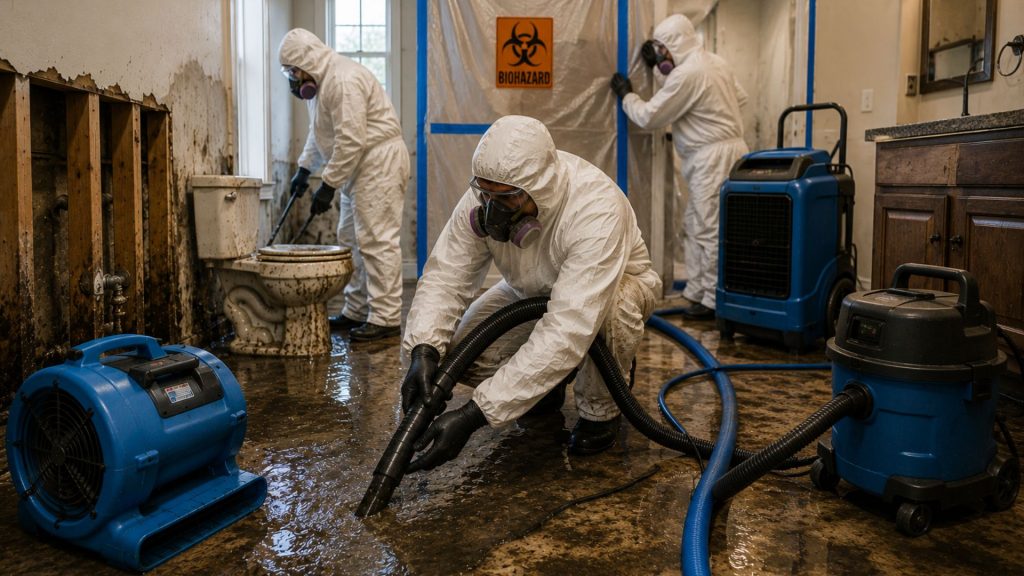
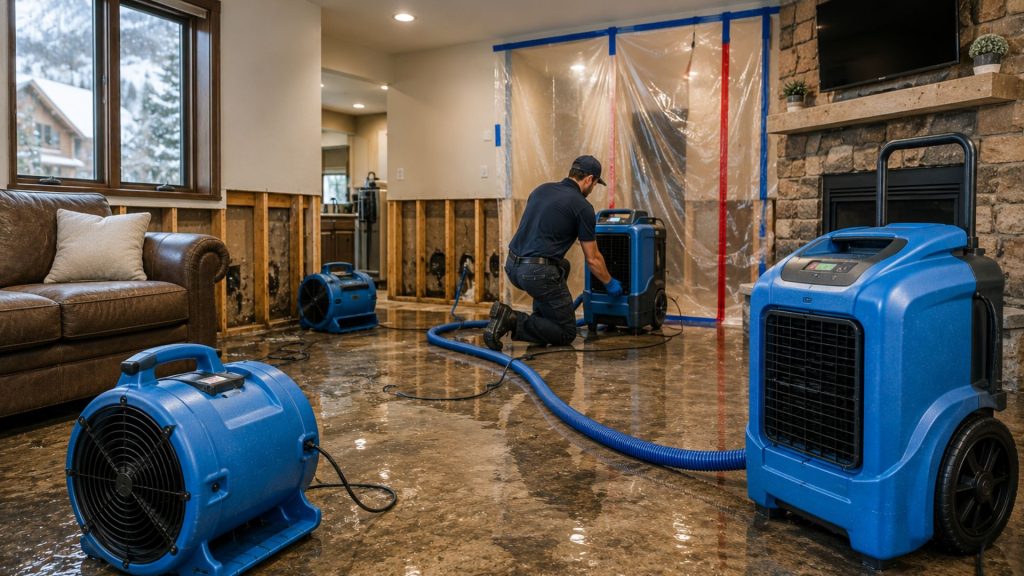
Asbestos Removal Services employ rigorous engineering controls and standardized procedures to minimize fiber release. Before physical abatement begins, contractors establish containment areas sealed with heavy-duty plastic sheeting and create negative pressure using high-efficiency particulate air (HEPA) filtration units. Workers don full-body protective suits with integrated respirators, and decontamination chambers ensure that no fibers escape on clothing or equipment.
Surveys conducted by accredited asbestos inspectors map out every ACM on site, cataloging material type, friability, and structural condition. This pre-removal plan guides the selection of wet removal methods—spraying ACMs with a fine mist to suppress dust—and determines where glove-bag techniques or full enclosure removal are appropriate. Waste is double-bagged in labeled, puncture-resistant containers and transported under EPA-approved manifests to licensed disposal facilities.
Air monitoring serves as the ultimate verification of a successful abatement. Ambient air samples taken inside and outside the work area are analyzed for fiber concentration, ensuring compliance with OSHA’s permissible exposure limit of 0.1 fiber per cubic centimeter over an eight-hour shift. Only after a third-party laboratory confirms that airborne fiber levels have returned to background concentrations may the containment barriers be removed and normal occupancy resume.
Homeowners seeking professional assistance often rely on Asbestos Removal Services because they bring certified expertise, state-of-the-art equipment, and full regulatory compliance. This integrated approach not only protects health but also preserves property integrity, preventing collateral damage during the removal process. With transparent reporting and final clearance certificates, clients gain peace of mind that every precaution has been taken.
| Type of Asbestos | Common Uses | Friability | Health Risk Level |
|---|---|---|---|
| Chrysotile (White) | Roofing, cement, gaskets | Non-friable to Friable | Moderate |
| Amosite (Brown) | Insulation boards, pipe insulation | Friable | High |
| Crocidolite (Blue) | High-temperature coatings, insulation | Friable | Very High |
| Tremolite/Riebeckite | Occasional contaminant in talc and vermiculite | Varies | High |
What should homeowners consider before tackling asbestos in their homes?
Homeowners should never assume that visible aging of materials equates to hazard absence. Even intact vinyl floor tiles or textured ceilings may conceal bonded asbestos beneath surface layers. A small disturbance—drilling a single hole—can release millions of fibers into the air. Therefore, the first step is always a careful inspection by a qualified asbestos hazard assessor.
The assessor collects bulk samples from suspect materials and sends them to an EPA-accredited laboratory for polarized light microscopy (PLM) analysis. This precise identification determines whether asbestos fibers are present and at what concentration. Armed with these results, homeowners can develop a tailored abatement plan that balances cost, convenience, and safety.
Some low-risk scenarios—such as sealed, non-friable ACMs in good condition—may be managed in place under a documented operations and maintenance (O&M) program. This strategy involves regular inspections, encapsulation coatings, and restricted access to prevent damage. However, any major remodeling or demolition requires full removal, as per federal and local regulations.
Before signing a contract, homeowners should review each prospective contractor’s method statement, insurance certificates, and final clearance protocols. They should also verify that the contractor offers post-removal documentation, including air-clearance reports. If any doubts persist, it’s best to Contact us for a second opinion or supplemental testing. Professional guidance at this stage can avert costly mistakes and safeguard long-term health.
Conclusion
Asbestos’s historical dominance in construction stemmed from unmatched thermal and chemical resistance, affordability, and structural reinforcement benefits. Yet the microscopic fibers that enhanced building durability also posed insidious health threats, culminating in strict global regulations and a thriving professional abatement industry. Today, homeowners and property managers have access to advanced Asbestos Removal Services that integrate engineering controls, medical surveillance, and environmental consulting to mitigate risks comprehensively.
By partnering with FreshCo Cleaners, property owners gain access to certified experts who guide every phase—from initial survey and containment to safe disposal and final air monitoring. FreshCo Cleaners leverages cutting-edge HEPA filtration systems, fully licensed waste transportation, and transparent reporting to ensure compliance with all EPA and OSHA standards. With a commitment to safety, efficiency, and customer satisfaction, FreshCo Cleaners stands ready to address any asbestos challenge and restore peace of mind.
Frequently Asked Questions
What do clients need to know about asbestos removal?
Clients should verify contractor licensing, understand the differences between friable and non-friable ACMs, and demand a detailed method statement. Clear communication about cost estimates, timeline, and post-abatement air monitoring ensures that both safety and budgetary expectations are met.
Do asbestos removalists provide health monitoring?
Reputable asbestos removalists coordinate worker health surveillance programs that include periodic medical exams and lung function tests. They also provide ambient air sampling and site clearance testing to protect both workers and occupants from fiber exposure.
Who should I contact if I need asbestos removal?
Homeowners should reach out to a licensed asbestos professional—individuals or firms accredited by state or federal agencies. For expert assessment and abatement services, Asbestos Removal Services providers with EPA accreditation are highly recommended.
What considerations should be considered when removing asbestos?
Key considerations include the material’s friability, site containment design, decontamination procedures, and disposal protocols. Risk control measures must align with the project’s scale to maintain fiber concentrations well below regulatory limits.
Do I need an asbestos abatement company?
Yes. Given the complexity and health risks, only certified abatement companies possess the specialized equipment, trained personnel, and legal authority to remove asbestos safely and in full compliance with environmental and occupational safety laws.