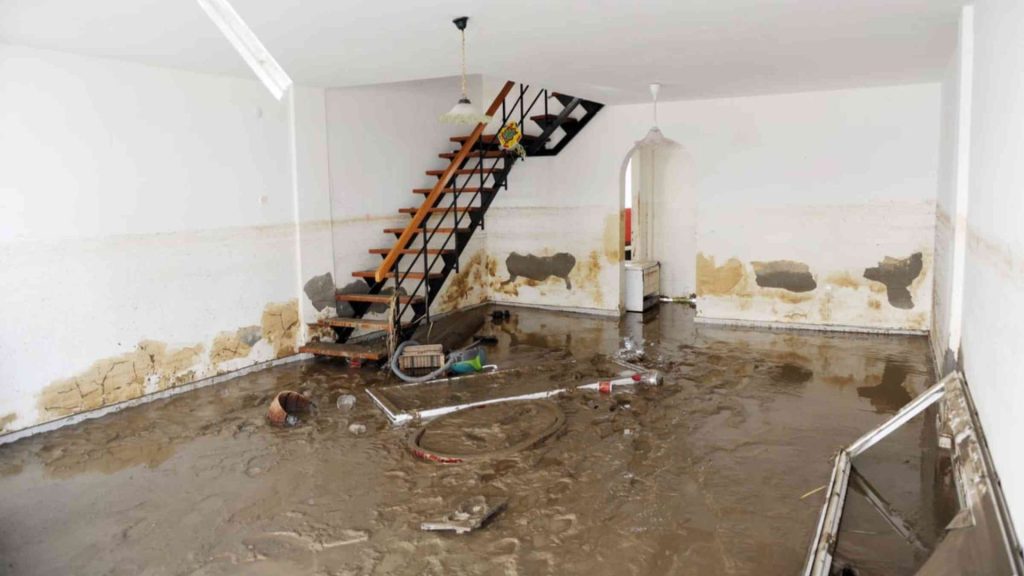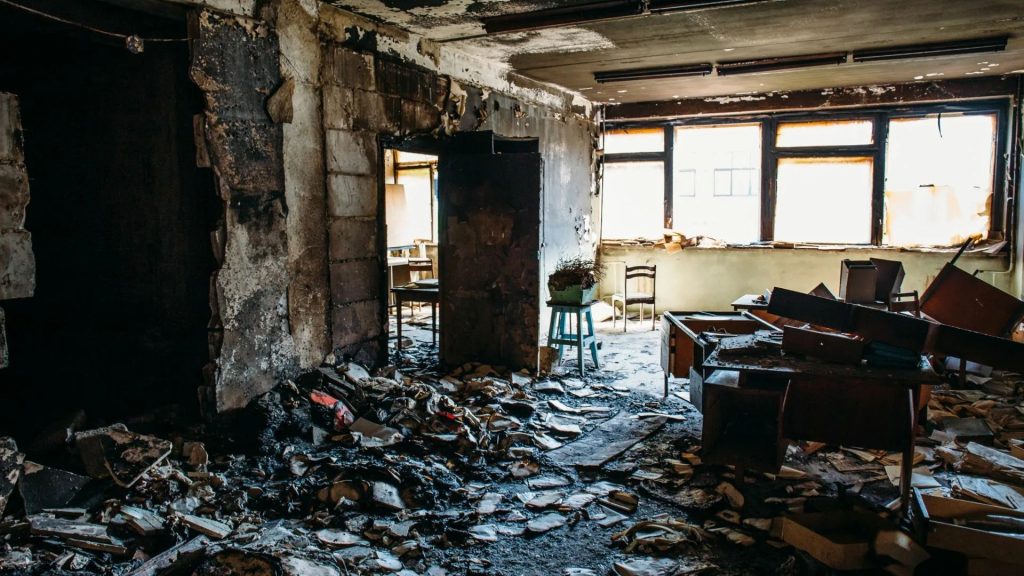















Water damage can turn your home upside down in an instant. Whether it’s from a burst pipe, heavy rain, or a faulty appliance, water can cause big problems. Knowing how to handle water damage is crucial for getting your home back to normal.
When water invades your home, quick action is key. Acting fast helps prevent further damage and reduces the risk of mold growth. It’s important to understand the steps involved in water restoration, as well as the tools and techniques that professionals use.
In Hutchinson, KS, water restoration services are essential for dealing with these situations. From understanding the restoration process to knowing what to do right after water damage occurs, being prepared can make a huge difference. Let’s dive into the essential information you need to tackle water damage effectively.
Understanding the Water Restoration Process
Water restoration is a step-by-step process aimed at repairing damage caused by flooding. It involves several key stages to ensure your home is safe and dry.
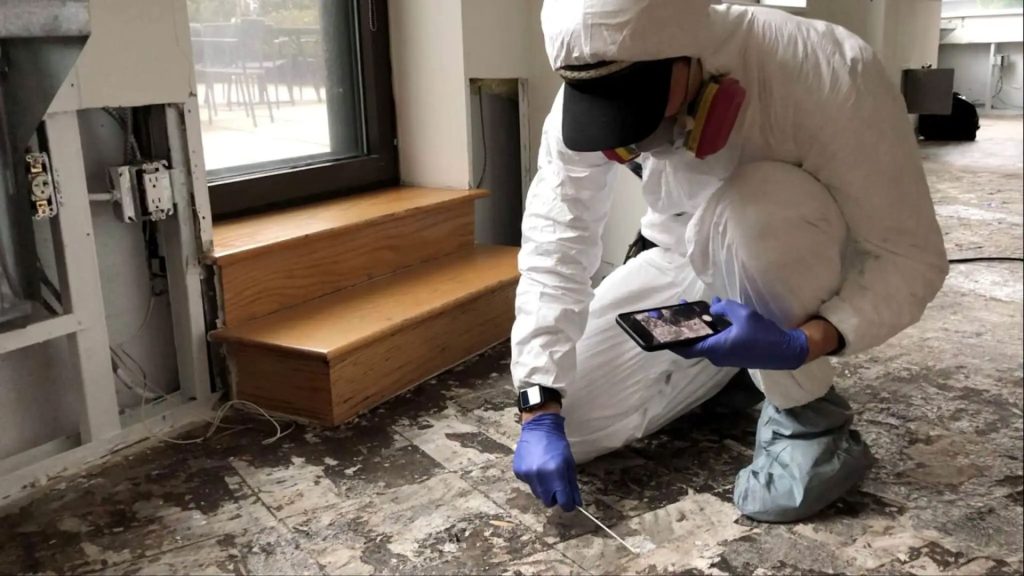
1. Inspection and Assessment: First, professionals inspect the affected area to assess the extent of the damage. This helps in creating a detailed plan for the restoration process. They use special tools to detect moisture in walls, floors, and ceilings.
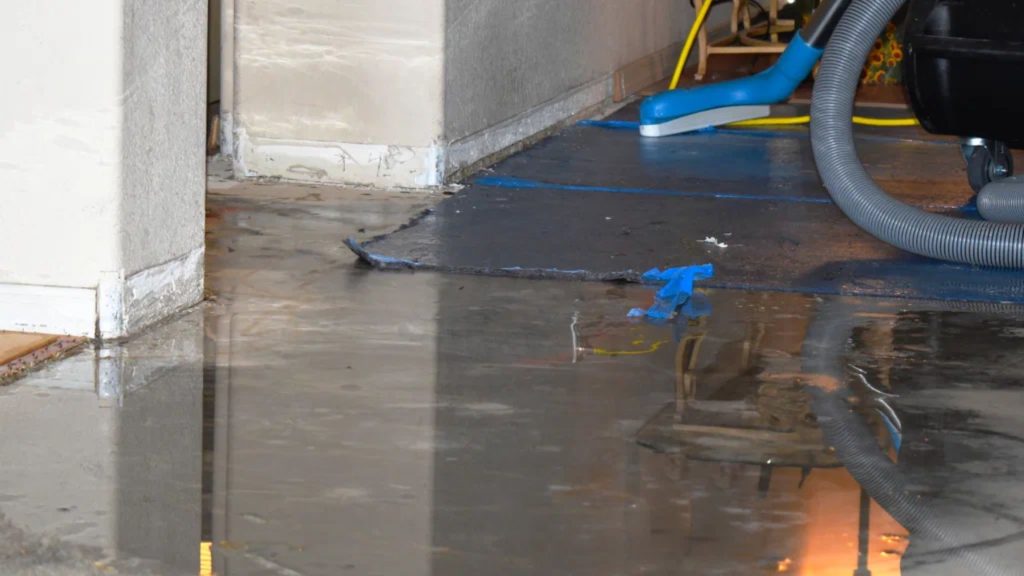
2. Water Removal: The next step is to remove standing water. High-powered pumps and vacuums are typically used to get rid of large amounts of water quickly. This step helps prevent further damage and reduces the risk of mold growth.
3. Drying and Dehumidifying: Once the water is removed, the drying process begins. Professionals use industrial-grade fans and dehumidifiers to remove moisture from the air and materials in your home. This step can take several days depending on the extent of the damage.
4. Cleaning and Sanitizing: After drying, all affected areas and items are thoroughly cleaned. This involves using specialized cleaning agents to remove dirt, bacteria, and any potential mold. It ensures that your home is not only clean but also safe to live in.
5. Restoration and Repairs: The final stage is restoring your home to its pre-damage condition. This can include minor repairs like replacing drywall, installing new carpet, or major reconstruction if necessary. The goal is to make your home look and feel like new again.
Key Steps to Take Immediately After Water Damage
Responding quickly after water damage can save you time and money. Here are the key steps you should take immediately:
1. Ensure Safety: Safety is the top priority. Turn off the power and avoid using electrical appliances in the affected area to prevent accidents. If the damage is extensive, evacuate and contact emergency services.
2. Stop the Source of Water: Locate and stop the source of water if possible. This could mean turning off the main water supply or fixing a burst pipe. Stopping the water flow minimizes further damage.
3. Document the Damage: Take photos and videos of the affected areas and any damaged items. This documentation is crucial for insurance claims. Make sure to capture everything thoroughly.
4. Contact Your Insurance Company: Notify your insurance company as soon as possible. They will guide you through the claims process and let you know what steps to take next. Provide them with the documentation you have gathered.
5. Remove Standing Water: If it is safe to do so, start removing excess water using buckets, mops, or a wet/dry vacuum. This helps to reduce damage and prevent mold growth.
6. Ventilate and Dry: Open windows and doors to allow fresh air circulation. Use fans and dehumidifiers to aid the drying process. Proper ventilation is key to preventing mold and mildew.
7. Salvage Valuables: Carefully remove any valuables and undamaged items from the affected area. Store them in a safe, dry place. This includes important documents, electronics, and sentimental items.
Taking these immediate steps can help stabilize the situation and make the following restoration process smoother and more manageable.
Essential Tools and Techniques for Effective Water Restoration
Using the right tools and techniques is crucial for effective water restoration. Here are some essentials:
1. Water Extractors: Water extractors, such as high-powered pumps and wet/dry vacuums, are essential for removing large amounts of water quickly. These tools help prevent further damage and reduce the risk of mold.
2. Industrial Fans and Dehumidifiers: These machines are critical for drying out the affected areas. Industrial fans help circulate air while dehumidifiers remove moisture from the air, speeding up the drying process.
3. Moisture Meters: These devices help detect hidden moisture in walls, floors, and ceilings. Moisture meters ensure that all areas are properly dried, preventing mold growth and structural damage.
4. Cleaning Agents: Specially formulated cleaners and disinfectants are used to sanitize affected areas. These products help eliminate bacteria, mold, and unpleasant odors.
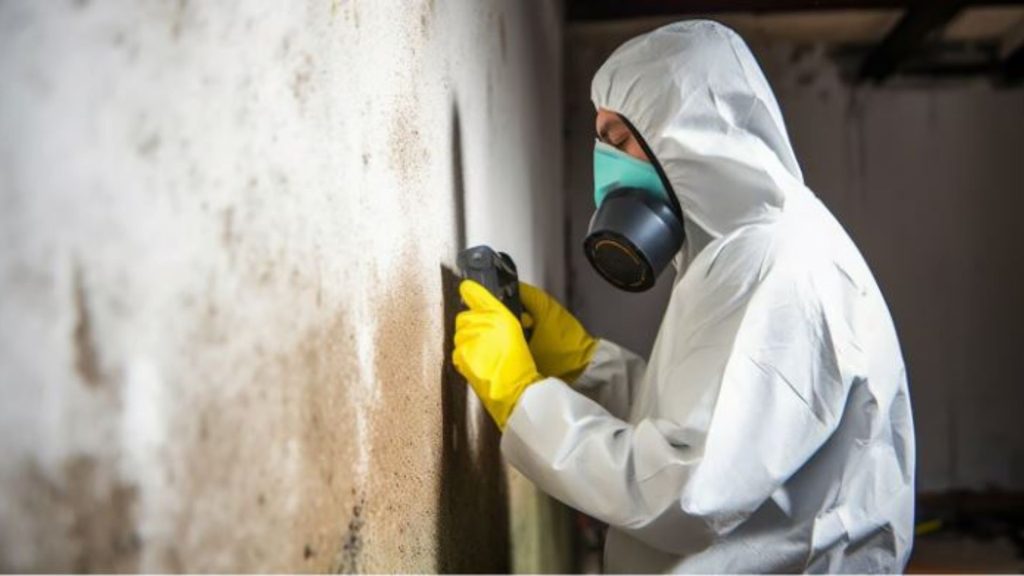
5. Protective Gear: Safety is a priority, so using protective gear like gloves, masks, and goggles is important. This gear protects from contaminants and hazardous materials during the cleanup process.
6. Specialized Drying Equipment: Tools like air movers and injection drying systems are used for drying out hard-to-reach areas. These tools ensure thorough drying of cavities and enclosed spaces.
By using these specialized tools and techniques, you can effectively restore your home and prevent further damage.
Tips for Choosing the Best Water Restoration Services
Selecting the best water restoration service ensures your home is effectively restored. Here are some tips for making the right choice:
1. Verify Credentials: Make sure the company is licensed and insured. Check for certifications from recognized industry organizations, indicating a commitment to high standards and professionalism.
2. Look for Experience: Choose a company with extensive experience in water restoration. Experienced professionals are better equipped to handle complex situations and provide effective solutions.
3. Read Reviews: Research online reviews and testimonials from previous clients. Positive reviews indicate a reliable and trusted service. Pay attention to feedback on punctuality, quality of work, and customer service.
4. Ask for Recommendations: Seek recommendations from friends, family, or neighbors who have used water restoration services. Personal referrals can provide valuable insights and help you find trustworthy companies.
5. Request Multiple Quotes: Contact several companies for estimates. Compare the quotes to understand the services offered and the costs involved. Be cautious of unusually low prices, as they may indicate subpar service.
6. Evaluate Customer Service: Assess the company’s customer service. They should be responsive, answer your questions clearly, and provide detailed information about their process.
7. Availability: Ensure the company offers 24/7 emergency services. Water damage can happen anytime; immediate response is crucial for effective restoration.
Following these tips will help you find a reliable water restoration service that meets your needs and ensures your home’s restoration is in good hands.
Conclusion
Water restoration is a crucial process for ensuring your home remains safe and livable after water damage. Understanding the restoration process, taking immediate steps after damage occurs, using the right tools and techniques, and selecting the best service providers are all essential components of effective water restoration.
If you’re dealing with water damage in Hutchinson, KS, it’s important to act quickly and make informed decisions. For reliable and professional water restoration services, trust FreshCo. Our experts are ready to help you restore your home to its original condition. Contact FreshCo today to get your home back on track.