















Storms can roll through Derby fast, and when they do, they leave their mark. From soaked basements to torn-off shingles, the damage varies but the urgency is the same. Waiting too long to take action can let small issues grow into larger ones that cost more time and money. A quick response is one of the most important steps a homeowner can take after severe weather.
Derby sees its share of heavy spring and summer storms, bringing strong winds, pounding rain, and falling debris. Storm damage in this area often shows up in the form of roof leaks, basement flooding, cracked windows, and downed tree limbs. Some issues, like shattered glass, are easy to spot. Others, like water inside walls or beneath flooring, can go unnoticed until they start to cause real problems like mold or odor. Knowing what to expect and how to respond gives you a better shot at avoiding major repairs.
Understanding Different Types of Storm Damage
Storms tend to affect homes in a variety of ways, and no two storms are exactly alike. One might bring heavy rain while another hits hard with wind or debris. From the top of your roof to the lowest point of your basement, damage can occur in places both visible and hidden.
Here are the types of storm damage we most often see in Derby homes:
– Water damage
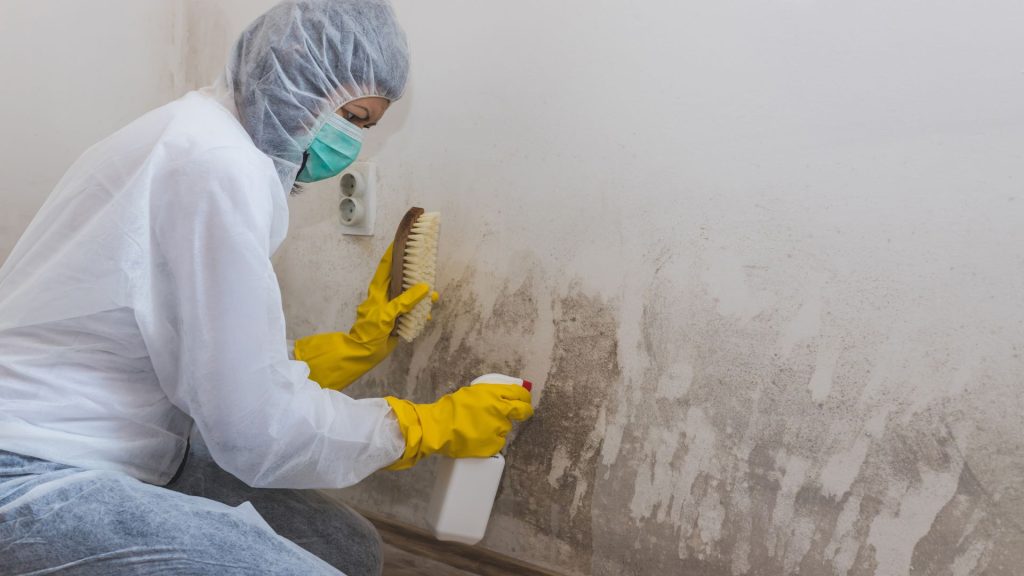
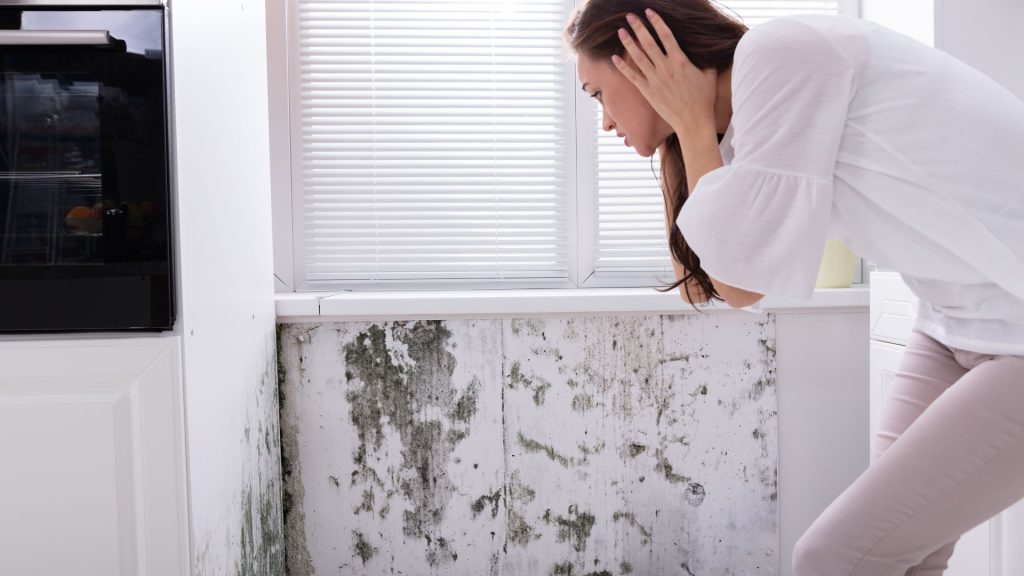
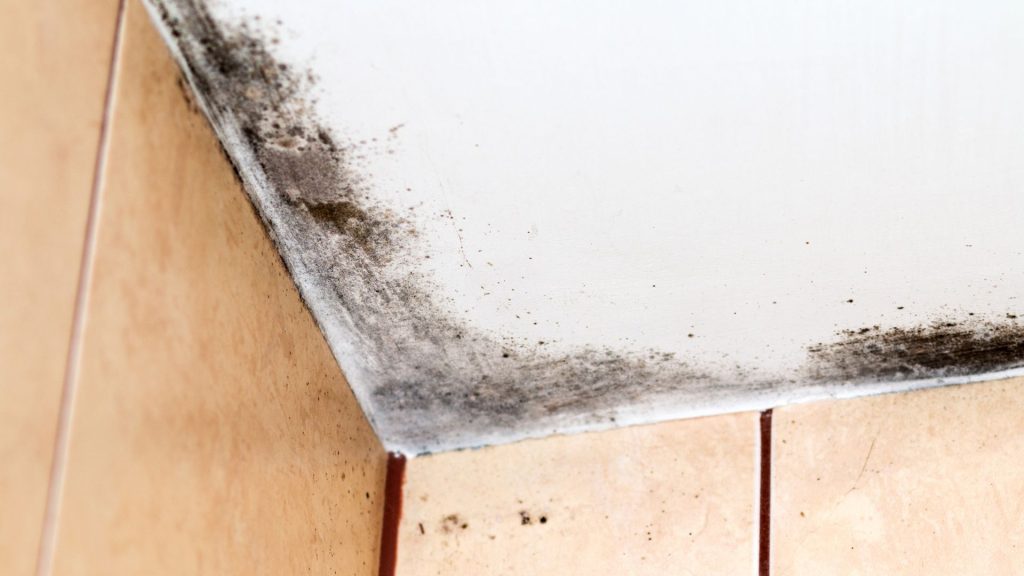
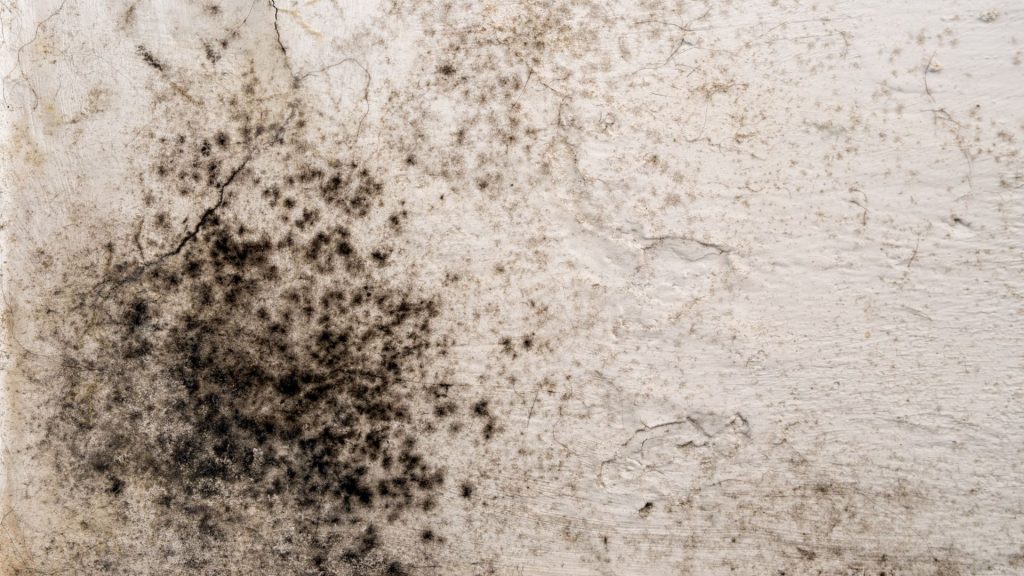
Heavy rain or flash floods can overwhelm gutters and cause water to enter your home through weak spots. Wet carpets, damp drywall, and basement flooding are all common issues. If water sits too long, it can lead to mold or structural damage.
– Wind damage
High winds can strip shingles off your roof, bend siding, or launch outdoor furniture into your house. Areas like overhangs and edges of the roof are especially vulnerable. Shingle loss not only exposes wood but can give water a direct pathway inside.
– Debris damage
Broken tree branches, uprooted shrubs, and debris from your yard or neighbors can cause serious damage. Siding may be punctured, windows can crack, and heavy branches might collapse porches, decks, or even parts of the roof. Even after the storm ends, that debris can hide smaller issues underneath like roof leaks or torn insulation.
One Derby resident shared how a small-looking branch ended up causing weeks of repairs after water slowly soaked in below it and formed mold in the ceiling. On the surface, it looked like only the porch was affected, but inside told a different story.
Immediate Steps to Take After a Storm
Once the storm passes and it’s safe to go outside, there are a few important things you should start with. These first steps help control the damage and prepare your property for a thorough inspection and restoration.
1. Stay safe
Before walking around, watch for hazards like downed power lines, broken gas meters, or shattered glass. If your home looks unstable or you’re unsure about safety, hold off on going inside until professionals check it.
2. Check for obvious damage
From ground level, inspect your house. Look for roof problems, broken windows, siding issues, and yard damage. Stand back if needed to see the whole roof. Be careful if walking through the yard or driveway since hazards can be hidden under puddles and debris.
3. Document everything
Take photos or videos before cleaning anything. Pictures from different angles, even of smaller issues, help when filing an insurance claim. Include the date and time if possible.
4. Prevent more water from getting in
If your roof has been breached or windows are shattered, place a tarp or board over those openings. Don’t stress about doing it perfectly. The goal is to block more rain or debris from entering until professional help arrives.
5. Call for professional help
Some issues may not look serious but could involve soaked materials, cracked foundations, or hidden leaks. Experts can uncover those hidden damages quickly and start the repairs before things get worse.
Addressing smaller problems quickly can save you from bigger headaches. Delaying a professional review might allow water or mold to spread, raising both repair time and cost. Effective storm response starts as soon as the clouds part.
Professional Storm Damage Cleanup Services
Once you’ve taken those initial steps, it’s smart to bring in professionals to take things from there. A trained cleanup team begins with an inspection. They assess visible and hidden damages to ensure nothing gets missed. This type of check includes things most homeowners don’t think about, like inside the attic, under the flooring, or behind walls.
Storm damage cleanup typically follows these three steps:
1. Water extraction and dehumidification
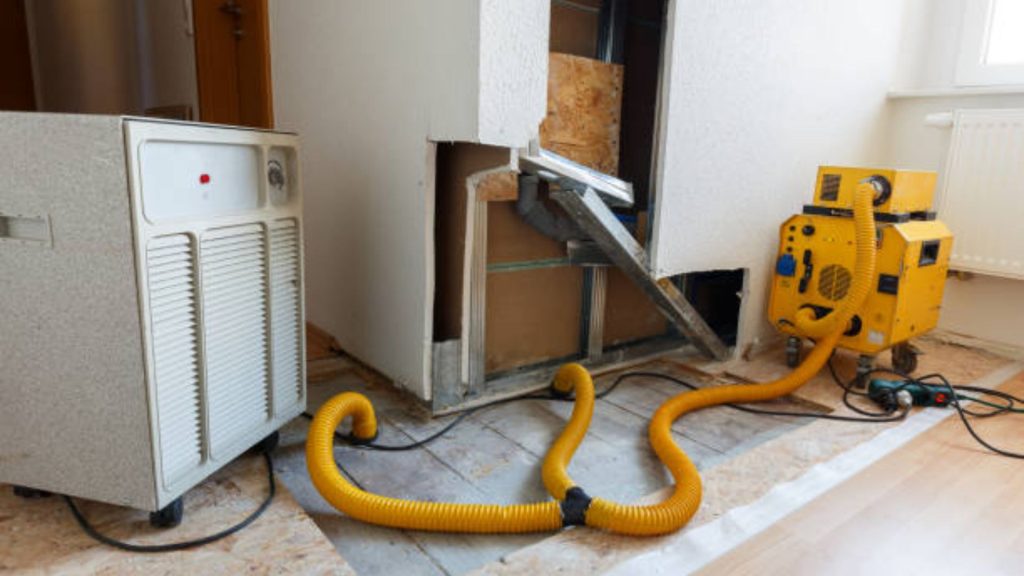
Getting water out fast helps reduce moisture damage and stops mold in its tracks. Professionals use strong pumps and vacuums to remove standing water. After that, dehumidifiers pull moisture from the air, walls, floors, and furniture.
2. Structural repairs
From replacing missing shingles to rebuilding damaged siding or windows, getting your home back to its original condition is a top priority. Done right, these repairs not only restore looks but increase the home’s ability to hold up in the next storm.
3. Debris removal
Storm debris can clog pathways, damage vehicles, and hide rotting or broken materials. Cleanup crews take care of downed tree limbs, torn drywall, shattered glass, and other scattered waste quickly and safely so the area is secure again.
Professionals know how to spot problems quickly, act fast, and use the right tools to make sure your home is safe. You may not always see hidden issues like waterlogged beams or slow leaks between walls. That’s why skipping the guesswork and letting cleanup teams do their job gives better results.
Preventative Measures for Future Storms
While we can’t stop another storm from coming, certain steps can reduce the chance it causes serious damage again. Protecting your home starts long before the clouds roll in.
– Maintenance checks
Inspect your roofing, siding, gutters, and seals regularly. Replace cracked sealants, missing shingles, or any signs of moisture buildup. These early fixes are easier than post-storm repairs.
– Install storm shutters
Putting up shutters adds protection for glass windows and doors. It helps prevent breakage and stops flying debris from entering.
– Improve drainage systems
Keep gutters clear of leaves and debris. Check for proper slope and make sure downspouts direct water away from your home’s foundation. If water pools near the base after storms, consider adding drain extensions or grading the landscape.
– Create an emergency plan
Have a plan with your family that includes where to shelter, what items to pack in advance, how to shut off utilities, and a contact list once the storm passes. Being ready saves time and keeps you safer when every second counts.
Thinking ahead can reduce the cost and stress of the next storm. A few changes now pay off later when damage is smaller or avoided completely.
A Strong Response Makes All the Difference
When a summer storm rolls through Derby, the wind and rain can damage more than just your property. It disrupts your peace of mind and may leave you wondering where to begin. That’s why acting quickly, leaning on professionals, and taking steps to prepare for future weather is a smart approach.
Storm issues aren’t always surface level. A dry wall may hide soaked insulation. A single lifted shingle could let gallons of water into your attic. That’s why cleanup teams are so valuable after storms. They see what isn’t always visible and act to stop problems early.
Taking care of repairs right away makes your home safer and more comfortable. The faster the cleanup starts, the smaller the overall impact tends to be. Waiting too long can allow one issue to grow into two or three. Keep your Derby home protected by trusting teams who know this work inside and out. Letting professionals handle it means you don’t have to guess, wait, or worry.
Don’t let storm damage cause long-term trouble for your home. Learn how FreshCo can help with reliable storm damage cleanup to keep your Derby property protected and comfortable. From water extraction to structural repairs, our experienced team is here to help you move forward with confidence.