














Asbestos Removal Services have long been surrounded by misconceptions that cloud the essential truths required for protecting health and preserving property integrity. Across decades, building owners, contractors, and homeowners have grappled with conflicting advice on whether to encapsulate, enclose, or fully remove asbestos-containing materials. Understanding the science behind asbestos fibers, the stringent regulations enforced by agencies like the EPA and OSHA, and the proper protocols for safe removal can dispel lingering fears and prevent costly mistakes. In this guide, readers will discover the real facts behind asbestos hazards and learn how professional teams navigate complex abatement projects.
The stakes are high when dealing with asbestos. Exposure to airborne asbestos fibers can lead to mesothelioma, asbestosis, and other life-threatening respiratory diseases that may take decades to develop. Gathering accurate information about inspection techniques, laboratory analysis methods such as PLM (Polarized Light Microscopy) and TEM (Transmission Electron Microscopy), and the hierarchy of controls for containment empowers decision-makers. Whether managing removal in residential attics, industrial pipe insulation, or public school renovations, a clear grasp of both myths and facts ensures that safety measures are neither overestimated nor underestimated.
By separating unfounded rumors from evidence-based practices, this guide nurtures asbestos awareness and safe asbestos handling from the first site survey to final clearance testing. With insights drawn from leading industry blogs—including The Asbestos Institute, Asbestos123, and Fibre Safe—this article weaves together technical depth and practical guidance. Every step of the abatement journey, from initial hazard communication to licensed disposal at RCRA-compliant landfills, will be examined. As readers move through each section, they’ll develop a comprehensive picture of how professionals deliver thorough, compliant, and cost-effective asbestos removal.
What should you consider when performing asbestos abatement?
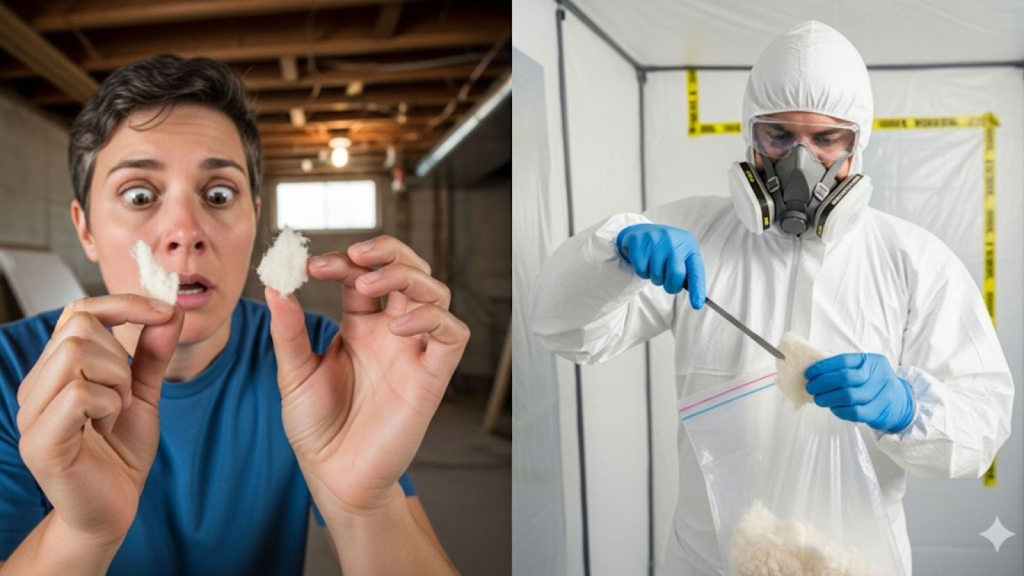
Prior to disturbing any suspect building materials, a certified inspector must conduct a thorough site survey and laboratory sampling to confirm the presence and condition of asbestos. Visual inspections identify suspect materials such as pipe lagging, sprayed-on insulation, floor tiles, and cement roofing sheets. When combined with analytical methods like PLM and TEM, inspectors determine fiber type—chrysotile, amosite, or crocidolite—and assess friability. This foundational step informs the subsequent risk assessment and abatement strategy.
Developing a risk management plan requires evaluating the potential for fiber release, worker exposure, and secondary contamination. Abatement crews design negative-pressure enclosures, install HEPA-filtered air units, and establish decontamination zones for PPE removal. The selection of engineering controls, administrative procedures, and personal protective equipment responds directly to material friability and project scope. A robust plan keeps both occupants and workers safe throughout the removal process.
Regulatory compliance is non-negotiable. In the United States, the Asbestos Hazard Emergency Response Act (AHERA) governs public-school abatement, while NESHAP (National Emission Standards for Hazardous Air Pollutants) under TSCA regulates demolition and renovation activities. Contractors must notify the EPA or state equivalent before beginning work, secure all necessary permits, and follow disposal rules for hazardous waste shipped to licensed landfills. Familiarity with local codes—whether OSHA’s Hazard Communication Standard or regional health-and-safety requirements—prevents legal penalties and project delays.
Health monitoring and training provide the final layer of protection. Abatement professionals receive speciality instruction via EPA-accredited training programs and follow strict medical surveillance protocols set by NIOSH. Regular lung function tests and chest X-rays track any early signs of asbestosis or pleural changes. Continuous worker education reinforces safe work practices and reflects a commitment to long-term welfare.
Asbestos Removal Services: Separating Myths from Facts
Asbestos Removal Services must navigate a landscape filled with misconceptions that can undermine both project safety and budget planning.
Myth 1 contends that any small DIY disturbance of asbestos-containing materials poses negligible risk. In reality, even minor sanding of cement pipes or drilling into tile grout can release thousands of microscopic fibers that remain airborne for days. Proper encapsulation or complete removal by licensed abatement contractors prevents fiber liberation and mitigates inhalation hazards.
Myth 2 suggests that asbestos only becomes dangerous when inhaled in large quantities. Scientific studies have shown that chronic low-level exposure over years can initiate mesothelial cell mutations, leading to mesothelioma decades later. As a carcinogen classified by the World Health Organization’s IARC, asbestos requires unwavering respect and control measures even in seemingly minor renovation tasks.
Myth 3 assures that sealing asbestos in place is always a permanent solution. While encapsulation can be effective for non-friable materials in good condition, it demands ongoing monitoring and cannot replace removal if materials deteriorate. Long-term management programs track the integrity of encapsulated surfaces to avoid future breakthroughs of fibers.
By confronting these asbestos removal myths with data from peer-reviewed studies, government regulations, and industry best practices, professionals protect health and resources. Clients gain clarity on when safe asbestos handling involves containment versus full removal, as well as the financial and legal implications of each choice.
Why is safe asbestos handling critical in abatement?
Strict protocols for safe asbestos handling ensure that each phase of the abatement process—from setup to disposal—prevents fiber release into occupied spaces.
Engineering controls rank highest in the hierarchy of hazard control. Negative-pressure units fitted with HEPA filters maintain a minimum pressure differential of 0.02 inches of water gauge, drawing airborne fibers into filtration systems rather than allowing them to migrate into adjacent areas. Air monitoring stations placed at enclosure perimeters verify containment effectiveness throughout the project.
Administrative controls complement engineering measures by defining exclusion zones, posting warning signs, and restricting access to trained personnel only. Written work procedures detail step-by-step instructions for wetting materials, minimizing mechanical agitation, and removing debris promptly. Supervisors conduct daily briefings to reinforce safe practices and adapt protocols if unexpected conditions arise.
Personal protective equipment serves as the final safety barrier. Abatement workers don full-body disposable suits with integrated hoods, double-glove systems, and half-face respirators equipped with P100 cartridges. Decontamination units featuring separate “clean” and “dirty” rooms allow for sequential removal of PPE, preventing cross-contamination between work areas and support zones.
Long after the physical abatement concludes, rigorous clearance testing provides documented proof that air and surface fibrous concentrations fall below the industrial exposure limit of 0.01 fibers per cubic centimeter. This data—generated through phase contrast microscopy (PCM) or TEM—validates a successful project and authorizes reoccupation.
Key Asbestos Removal Methods Compared
| Removal Method | Description | Suitability |
|---|---|---|
| Encapsulation | Applying specialized sealants to bond fibers within intact materials | Non-friable asbestos in sound condition |
| Enclosure | Constructing airtight physical barriers around contaminated surfaces | Hard-to-reach or inaccessible areas |
| Full Removal | Systematic demolition, wet removal, and disposal following safety protocols | Damaged or friable materials |
What regulations govern asbestos removal in residential and commercial settings?
In the United States, the Environmental Protection Agency (EPA) enforces NESHAP regulations under Title 40 CFR Part 61, targeting demolition and renovation of structures containing asbestos-containing materials. Schools must also comply with AHERA under the Toxic Substances Control Act (TSCA). These frameworks require pre-project notifications, accredited inspections, and certified abatement personnel.
Occupational Safety and Health Administration (OSHA) standards, including the Asbestos Standard for Construction (29 CFR 1926.1101), mandate worker protection measures such as regulated areas, hygiene facilities, and medical surveillance. Employers must craft an exposure control plan and train workers on hazard communication in alignment with the Hazard Communication Standard (HCS).
Regionally, many states have enacted complementary statutes to address disposal at permitted landfills, licensing of abatement contractors, and specialized requirements for public buildings. For example, California’s Certified Asbestos Consultant (CAC) credential and New York’s Asbestos Control Bureau (ACB) both impose additional certification and oversight mechanisms. Professionals must remain vigilant to evolving legislative updates at federal, state, and local levels.
When engaging licensed contractors, search for Asbestos Removal Services that comply with NESHAP and AHERA guidelines, hold current accreditation, and maintain up-to-date proof of liability insurance.
What are the environmental considerations for asbestos disposal?
Proper disposal of asbestos waste begins with careful packaging in labeled, leak-tight containers approved under RCRA regulations. Double-bagging in 6-mil polyethylene sheeting minimizes fiber escape during transport. Each container bears a hazardous waste manifest detailing waste quantity, fiber type, generator information, and transport route.
Licensed haulers must adhere to Department of Transportation (DOT) standards for placarding vehicles and securing loads to prevent accidental release during transit. Designated asbestos landfills, typically operated by municipal or regional authorities, provide lined cells and cover protocols to isolate waste from groundwater and wildlife. Final closure procedures often include multi-layer cap systems to contain residual fibers indefinitely.
Post-disposal site restoration may require demolition of temporary structures, decontamination of tools, and verification that no residual contamination remains in soils or drainage channels. Environmental health teams conduct soil sampling and visual inspections to confirm that asbestos fibers have not migrated beyond controlled boundaries. Continuous monitoring programs track any potential off-site impacts.
For further project planning or to schedule a site visit, homeowners should Contact us to arrange a professional consultation and full permit application support.
How much do asbestos removal services cost and what factors affect pricing?
Several variables influence the total cost of an asbestos abatement project. Material quantity, measured in square feet or linear feet for piping, directly correlates with labor, disposal, and equipment rental fees. Friable materials that can be crumbled by hand demand more stringent containment and air monitoring, driving costs higher than for non-friable tile removal.
Accessibility plays a significant role. Tight crawlspaces, high-elevation roofing, or complex mechanical chases require specialized scaffolding, elevated platforms, and additional safety personnel. Comprehensive abatement in multi-story buildings often entails greater setup times for negative pressure enclosures and decontamination units, multiplying project duration.
Regional differences in landfill tipping fees, contractor labor rates, and licensing expenses will further sway budgets. On average, single-family home projects range from $1,200 to $5,000, while large commercial or industrial abatement can exceed $10,000. Despite these ps, investing in certified, insured professionals prevents the far greater costs of remediation or medical claims following uncontrolled asbestos exposure.
What should homeowners know about asbestos awareness and long-term health monitoring?
Asbestos awareness starts with understanding latency periods. Many asbestos-related diseases, including mesothelioma, asbestosis, and certain lung cancers, may not manifest symptoms until 20 to 40 years after initial exposure. Early detection through baseline pulmonary function tests and periodic chest radiographs facilitates prompt intervention and better health outcomes.
Secondary exposure poses unique risks for families of abatement workers. Fibers trapped on clothing or tools can be brought into shared living spaces unless decontamination protocols are meticulously followed. Family members should be informed about the importance of changing into laundered garments and avoiding proximity to contaminated vehicles or storage areas.
National Institute for Occupational Safety and Health (NIOSH) guidance recommends ongoing worker training on hazard communication, respirator fit-testing, and asbestos awareness modules. Medical surveillance programs track worker health metrics over time, ensuring any signs of pleural plaques or reduced lung capacity are addressed by occupational medicine specialists.
Homeowners considering renovations in older properties should commission an accredited inspection before disturbing attic insulation, vinyl floor tiles, or cement-fiber siding. Early surveys minimize the risk of hidden asbestos surprises and safeguard renovation budgets against unplanned abatement costs.
Frequently Asked Questions
Can you collect more than five samples inside an asbestos abatement site?
Under the Asbestos Hazard Emergency Response Act (AHERA), regulated entities are limited to collecting no more than five bulk samples from suspect materials for initial surveys. The rule prevents selective sampling that could skew clearance results. Additional samples may be taken during the project for quality control but must adhere to EPA and state guidelines for chain-of-custody and laboratory analysis.
Do I need an asbestos abatement company?
Homeowners with properties built before the 1980s often encounter asbestos-containing materials in insulation, roofing, or flooring. While some jurisdictions permit DIY removal for non-friable materials in single-family homes, the risk of improper procedures outweighs potential savings. Hiring a licensed asbestos abatement company ensures compliance with OSHA, EPA, and state regulations, reducing liability and exposure concerns.
Do I need an asbestos assessment?
An asbestos assessment, conducted by a state-accredited inspector, is recommended whenever materials are damaged, friable, or scheduled for disturbance during renovation. A thorough assessment includes visual inspection, sample collection, and quantitative laboratory testing to verify asbestos content and guide abatement planning.
Should I call a professional if I have asbestos in my home?
Yes. Even intact asbestos-containing materials may become hazardous due to age or environmental factors like moisture intrusion. Certified professionals have the expertise, equipment, and protective measures to handle asbestos safely. Engaging experts early prevents uncontrolled fiber release and potential health risks.
What should you consider when performing asbestos abatement?
Site preparation, regulatory notifications, engineering controls, and post-abatement clearance testing form a comprehensive abatement plan. Contractors must secure negative-pressure enclosures, deploy HEPA-filtered air units, and train workers in PPE removal procedures. Continuous air monitoring and rigorous documentation ensure fiber exposure remains below permissible limits.
Final Words
In today’s environment of heightened health consciousness and regulatory scrutiny, discerning myth from fact about asbestos removal is vital. Homeowners, property managers, and contractors must rely on verified science, qualified inspections, and certified professionals to navigate this complex field.
To safeguard family and property, trust FreshCo Cleaners as the partner for safe, compliant, and transparent asbestos abatement solutions.
With decades of cumulative experience, FreshCo Cleaners delivers EPA-accredited inspections, state-of-the-art negative-pressure enclosures, and certified disposal services. Each project adheres to national and local regulations, ensuring clearances via PCM and TEM testing. By embracing technical rigor and customer education, FreshCo Cleaners sets the standard for integrity and peace of mind in asbestos removal.
Make the informed choice and protect future generations from hidden asbestos hazards—reach out today for a detailed consultation and quote.