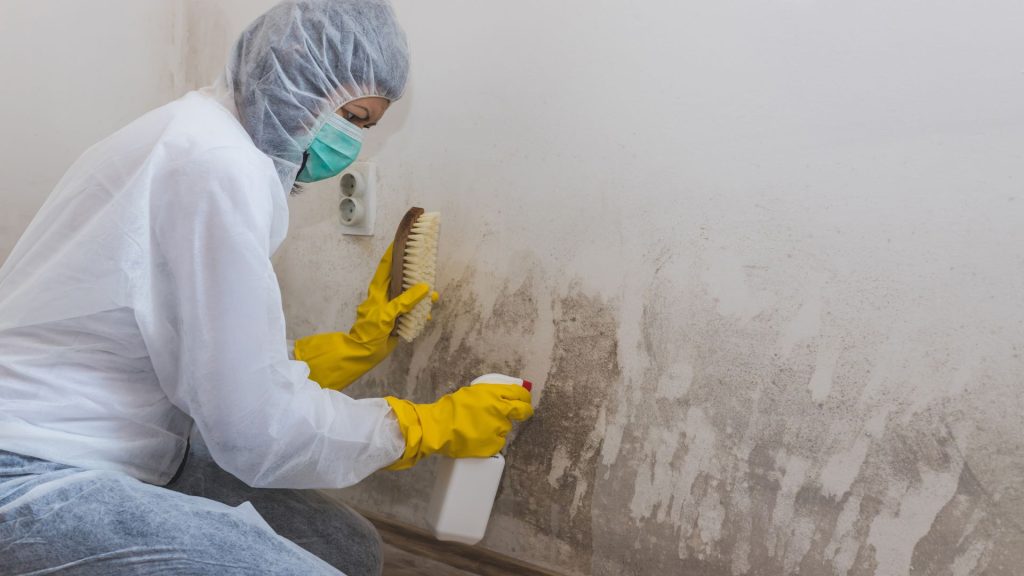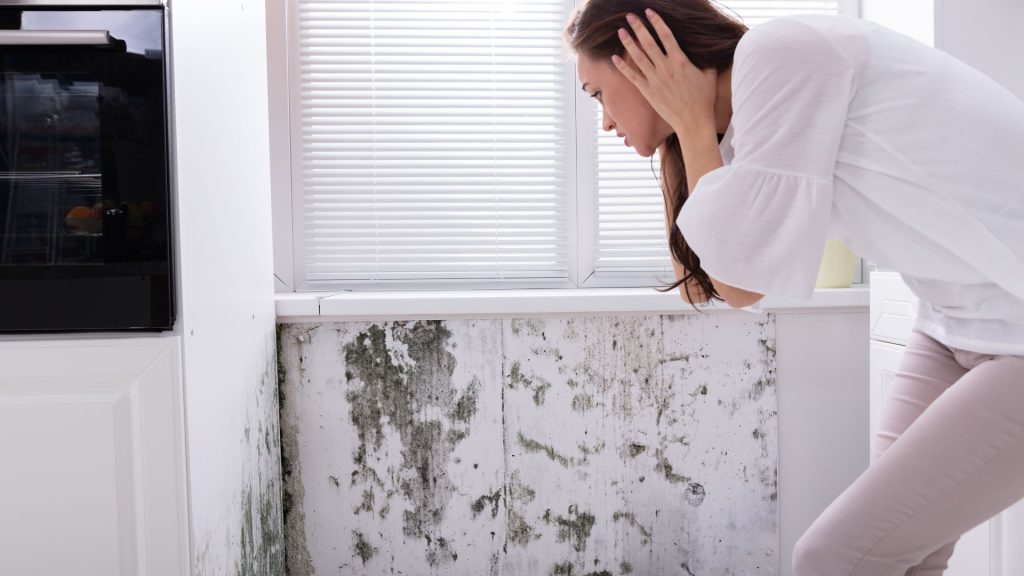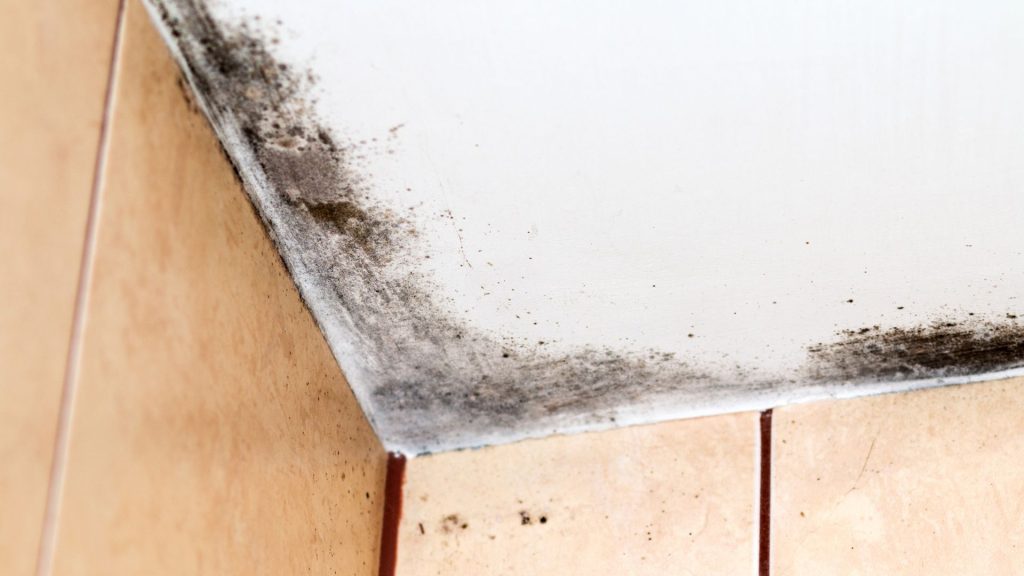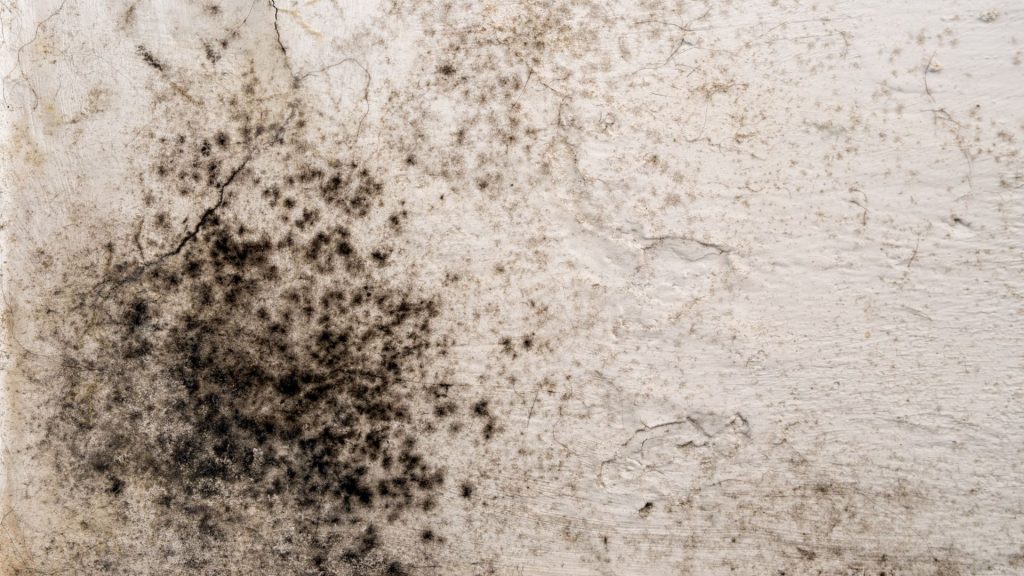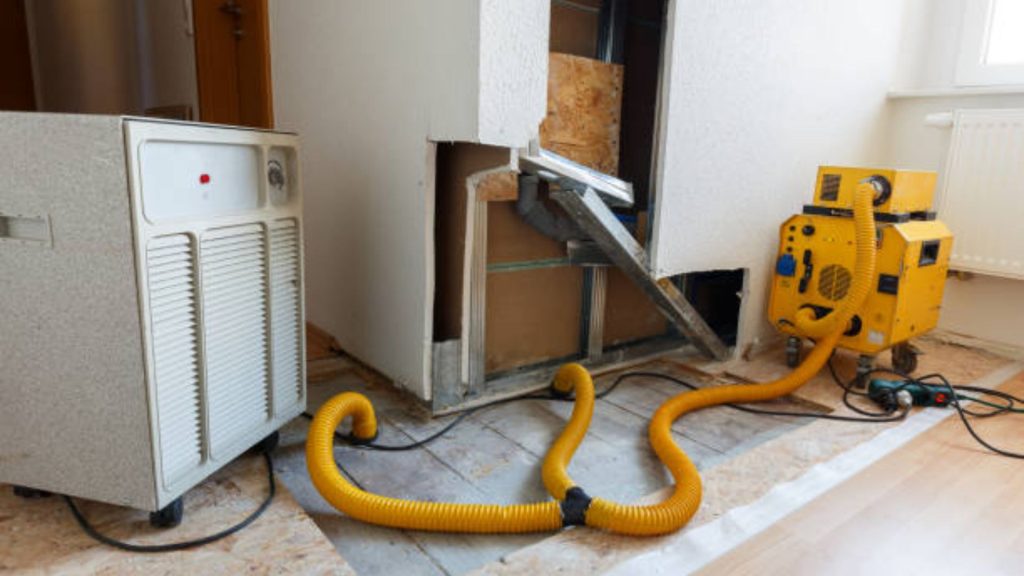
















In 2026, the average cost for professional mold remediation in Wichita, Kansas, ranges from $1,250 to $3,800, with most local homeowners spending approximately $2,400 for a standard project. This price typically includes the initial inspection, containment of the affected area, and the safe removal of fungal growth from structural materials like drywall or subflooring. Because Wichita experiences high humidity levels during the spring and summer months, especially in riverside neighborhoods near the Arkansas River, the scope of mold growth can expand quickly if not addressed. Understanding the variables that influence pricing ensures you are not overpaying for services while protecting the structural integrity of your property.
How much does mold remediation in Wichita typically cost?
The total expense for mold remediation in Wichita depends primarily on the square footage of the affected area and the accessibility of the mold. For a localized area under 100 square feet, such as a laundry room or a small bathroom in the College Hill area, you can expect to pay between $1,000 and $2,500. However, if the infestation has reached the HVAC system or requires extensive attic work in older homes near Riverside Park, costs can escalate to $6,000 or more. Professionals in Sedgwick County generally charge between $10 and $25 per square foot for labor and specialized equipment like HEPA air scrubbers.
While the base price covers the removal of visible mold, homeowners should also account for the cost of post-remediation testing. This verification step ensures that airborne spore counts have returned to safe levels before you begin rebuilding. Most mold remediation in Wichita projects are unique, as the porous nature of materials like drywall or insulation often dictates whether they can be cleaned or must be entirely replaced.
What factors influence mold removal pricing Wichita KS?
Several critical variables dictate your final invoice, ranging from the type of mold discovered to the specific location within your home. In Wichita, the most common drivers of cost include:
- Size of the Infestation: Larger areas require more labor, more antimicrobial chemicals, and longer run times for industrial dehumidifiers.
- Accessibility: Remediating mold in a tight crawl space in the Delano District is significantly more labor-intensive than cleaning a wide-open basement in a newer development in East Wichita.
- Material Porosity: Mold on non-porous surfaces like glass or metal is easy to wipe away, but mold embedded in wooden floor joists or drywall requires “flood cuts” and structural drying.
- Mold Type: While all mold requires removal, toxic strains like Stachybotrys chartarum (black mold) require more rigorous containment protocols and personal protective equipment (PPE).
To get a precise understanding of your specific needs, it is best to get a quote from a professional who understands the unique climate challenges of the Great Plains. Local factors such as soil moisture content in the Arkansas River Valley can also impact how quickly mold returns if the underlying water source is not mitigated during the remediation process.
How does the location of mold affect average mold cleanup expenses?
The room or structure where the mold is found is one of the biggest predictors of cost. For example, a bathroom remediation project is often cheaper because the area is small and usually involves tiled surfaces. Conversely, attic and basement projects often involve insulation removal and specialized air filtration.
| Location in Home | Typical Cost Range (Wichita 2026) | Why It Varies |
| Attic | $1,500 – $4,500 | Depends on insulation type and roof leak severity. |
| Basement | $1,200 – $3,500 | Impacted by foundation seepage and air circulation. |
| Crawl Space | $1,000 – $3,000 | Limited access and the need for vapor barriers. |
| HVAC / Ducts | $2,500 – $6,000 | Requires specialized tools to reach inner ductwork. |
| Bathroom | $600 – $1,800 | Usually smaller areas, but plumbing repairs add cost. |
In neighborhoods like Bel Aire or Maize, where many homes have finished basements, a flood event can lead to mold behind the baseboards. This often requires removing the bottom two feet of drywall throughout the entire basement, which significantly increases the average mold cleanup expense compared to a simple surface treatment.
Is mold remediation covered by homeowners insurance in Wichita?
Insurance coverage for mold remediation in Kansas depends entirely on the “cause of loss.” If the mold is a direct result of a “sudden and accidental” event, such as a burst pipe in a home near the Wichita State University campus, your policy will likely cover the cleanup. However, if the mold developed due to long-term neglect, such as a slow roof leak that went unrepaired for months or high humidity in a basement, most insurance companies will deny the claim.
Homeowners should review their policies for specific “mold riders” or endorsements. Many standard policies in the Midwest have a cap on mold-related payouts, often limited to $5,000 or $10,000. This limit must cover both the remediation and the subsequent repairs, which is why acting quickly is essential to keep costs within your coverage limits.
What is the difference between mold removal and mold remediation?
While these terms are often used interchangeably by homeowners, they represent different levels of service. Mold removal is the physical act of cleaning or stripping the mold from surfaces. Mold remediation is a comprehensive process that addresses the root cause of the moisture and ensures the environment is no longer conducive to fungal growth.
A professional remediation process in Wichita typically involves:
- Containment: Using poly-sheeting and negative air pressure to keep spores from traveling to other rooms.
- Air Filtration: Using HEPA filters to scrub the air of microscopic spores.
- Demolition: Removing “dead” or infested porous materials that cannot be salvaged.
- Antimicrobial Treatment: Applying EPA-approved solutions to kill remaining roots (hyphae) in the wood.
- Encapsulation: Painting remaining structural wood with a mold-resistant sealant.
By addressing the systemic issues, you prevent the need for a second Wichita mold remediation cost in the future. It is a long-term investment in your home’s health rather than a temporary cosmetic fix.
Why is mold a recurring problem for Wichita homeowners?
Wichita’s weather is a primary catalyst for mold growth. Our region experiences heavy spring rains and high dew points in the summer. When warm, humid air hits the cool foundation walls of a basement in the Crown Heights neighborhood, condensation forms. This moisture, combined with organic food sources like dust and drywall paper, creates the perfect “bio-nest” for mold.
Furthermore, many older homes in the Midtown area have aging clay tile sewers or foundation cracks. These small leaks provide a constant source of water that can sustain mold colonies behind cabinets or under floorboards for years before they are detected. To truly solve the problem, you must first get a quote that includes a thorough moisture assessment of the property.
How can you save money on mold remediation in Wichita?
The most effective way to reduce the cost of mold remediation is early detection. Mold can begin to colonize in as little as 24 to 48 hours after a water event. If you experience a basement flood after a heavy Kansas thunderstorm, drying the area immediately with high-velocity fans can prevent mold from ever taking hold.
Other ways to save include:
- Clearing the Area: Move furniture and personal items out of the way before the professionals arrive to save on labor hours.
- Addressing Leaks Promptly: Fixing a $200 plumbing leak today prevents a $2,000 mold bill next month.
- Regular Inspections: Check your attic and crawl space twice a year, especially after the winter thaw or spring rains.
When you are comparing mold removal pricing Wichita KS, ensure you are looking at “apples to apples” estimates. Some low-cost contractors may skip essential steps like negative air containment, which can lead to spores spreading throughout your entire home, eventually costing you much more in whole-house cleaning.
What should you look for in a Wichita mold specialist?
Not all cleaning companies are equipped to handle toxic substances. In 2026, it is standard for reputable Wichita companies to hold certifications from the IICRC (Institute of Inspection Cleaning and Restoration Certification). These professionals follow the S520 standard, which is the industry’s “gold standard” for safe fungal remediation.
A trustworthy local provider will offer a clear, itemized estimate and explain why certain materials must be removed. They should also be familiar with local building codes in Sedgwick County, particularly if the remediation involves electrical or HVAC components.
FAQs About Mold Remediation in Wichita
How long does the mold remediation process take?
Most residential projects in Wichita take between 3 and 5 days. The first day is dedicated to containment and air scrubbing, followed by demolition and cleaning. The final days are often spent drying the remaining structures and performing clearance testing.
Is it safe to stay in my house during remediation?
If the mold is localized to a basement or a single bathroom, you can usually stay in the home. However, if the HVAC system is contaminated or if the mold is widespread, professionals may recommend temporary relocation to avoid respiratory irritation from disturbed spores.
Does bleach kill mold on drywall?
No. Bleach is mostly water; while it may change the color of the mold on the surface, the water penetrates the drywall and can actually feed the mold roots deeper inside the material. Professional antimicrobials are required for effective treatment.
What are the signs of hidden mold in a Wichita home?
The most common sign is a persistent, musty odor that doesn’t go away with cleaning. Other signs include bubbling wallpaper, dark spots on ceiling tiles, or increased allergy symptoms among family members when they are inside the house.
Can I do mold remediation myself?
The EPA suggests that homeowners can handle areas smaller than 10 square feet (about a 3×3 foot patch). However, if the area is larger or if the mold was caused by contaminated floodwater from a local creek or sewer backup, professional intervention is required for safety.
Conclusion
Managing a home in the Heart of the Country means staying vigilant against the hidden threats of moisture and fungus. Whether you are dealing with a damp basement in the Sunflower neighborhood or a hidden leak in an East Wichita suburban home, the key is professional, localized action. By understanding the mold remediation in Wichita landscape, you can make informed decisions that protect both your family’s health and your property’s value.
When you need a solution that combines local expertise with the highest industry standards, Freshco is here to help. As a trusted local service provider, we specialize in identifying the root cause of your moisture issues and providing a permanent solution to your mold problems. Don’t let a small spot of growth turn into a major structural headache. Contact Freshco today to ensure your Wichita home remains a safe, clean, and healthy environment for years to come.