















Flood damage is a big concern for anyone living in Maize. The town’s layout and nearby waterways can make flooding a real problem. When heavy rains come, water levels can rise enough to cause trouble for homeowners. If your basement or yard starts flooding, it’s crucial to act fast to protect your home.
Floodwaters don’t just bring water; they bring a host of headaches, too. Water can sneak into basements, weaken foundations, and even create the perfect spot for mold to grow. Letting these issues go unattended will only make them worse and possibly more expensive to fix.
Maize homeowners face unique challenges with flood damage, but knowing how to tackle these problems can make all the difference. By understanding the factors that lead to flooding and staying prepared, you can shield your home from the worst water troubles.
Understanding Flood Damage in Maize
Maize, Kansas, is not immune to flood risks, and understanding why can help homeowners brace for potential damage. The town’s geographical setup is a significant factor. Maize is located near several waterways, including the Arkansas River, which can overflow during heavy rain. This means that homes here are more susceptible to water intrusion, especially in low-lying areas.
Climate also plays a big role in the flood potential. Maize experiences periodic heavy rainfall, particularly in spring and fall. These downpours can quickly saturate the ground, leading to surface runoff and rising water levels. When the weather turns stormy, the risk of flash floods increases, posing threats to homes, especially those without adequate drainage systems.
The local clay soil, which doesn’t drain efficiently, exacerbates this problem. When rain falls faster than it can be absorbed, it sits on the surface, collecting around your home’s foundation and potentially seeping into basements. Awareness of these factors can guide preparations and planning, making it easier to mitigate flood damages before they occur.
Common Consequences of Flood Damage
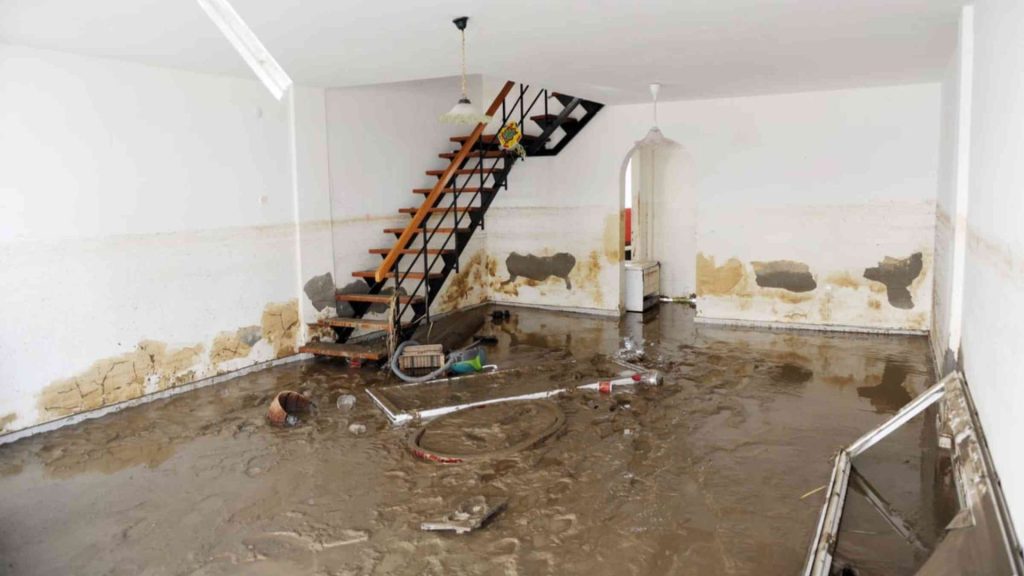
Flooding brings a multitude of problems that can affect your home significantly. One of the most common damages from flooding is to basements. When water pours into this lower level, it can compromise the foundation, weakening the structural integrity of the entire house. Waterlogged walls and floors are typical, and ignoring them could lead to costly repairs.
Beyond structural damage, flooding can also lead to mold growth. Moisture from floodwaters seeps into walls and carpets, creating a damp environment perfect for mold. Mold doesn’t just look bad; it can affect your health, causing respiratory problems for everyone at home.
Floodwaters can also pose electrical hazards. If water reaches electrical systems, it can cause shorts or shocks. It’s crucial to turn off electricity when flooding occurs, but it’s even more important to let professionals handle it afterward to ensure safety.
Here’s a quick look at flood damage impacts:
- Basement flooding: Weakens house foundations, damages belongings.
- Mold growth: Occurs in damp areas, affects health.
- Electrical hazards: Risk of shorts and electrical damage.
Addressing these issues immediately with professional help can prevent more severe damage and ensure that your home remains a safe place.
Essential Flood Damage Response Steps
When flooding strikes, quick action is vital to minimize damage to your home. Implementing a rapid-response checklist can help handle the situation more efficiently and safely.
Rapid-Response Checklist:
- Ensure Safety First: Turn off electricity and gas if safe to do so. Avoid contact with water if it’s unsafe.
- Document Damage: Take photos and videos of affected areas for insurance claims.
- Contact Your Insurance Provider: Report the damage and initiate the claim process promptly.
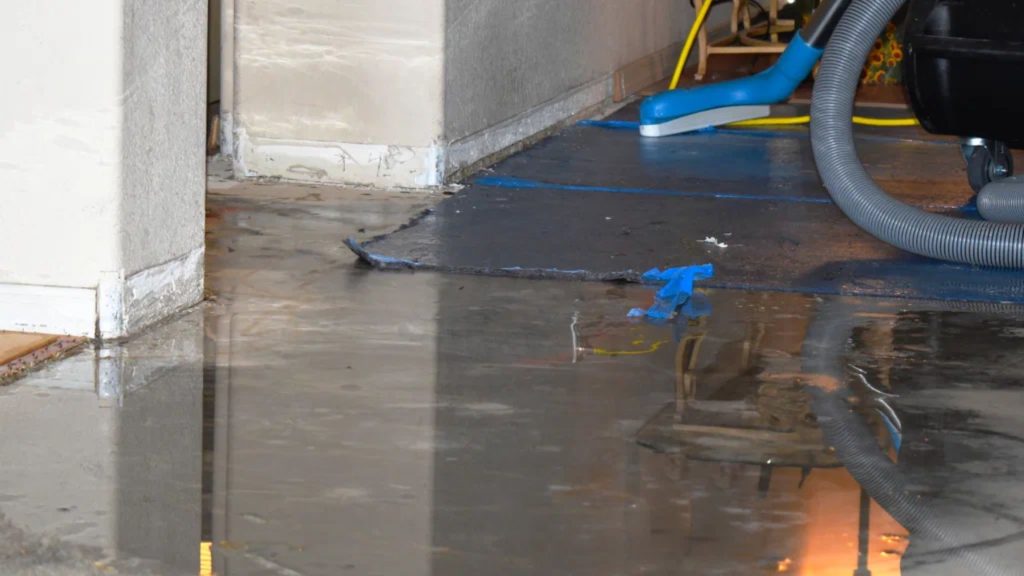
- Remove Excess Water: Use pumps or wet-dry vacuums to remove standing water. Avoid DIY if risk is involved.
- Start Drying Out Your Home: Open windows, use fans and dehumidifiers to dry affected areas quickly.
Once the immediate response steps are taken, it’s crucial to enlist professional help. Professional inspection and cleanup ensure thorough removal of water and prevent further issues like mold. Experts have the equipment and knowledge to address hidden moisture in walls and floors, safeguarding your home for the long haul.
Preventive Measures for Maize Homeowners
Being proactive about flood prevention can save you from significant headache and expense. Enhancing your home’s drainage and landscaping are crucial steps.
Home Improvement Tips:
- Install Sump Pumps: These devices help keep basements dry by pumping water away from your home.
- Grade Landscaping: Ensure your yard slopes away from the foundation to divert water.
- Clean Gutters Regularly: Debris-free gutters prevent overflowing and water buildup near your house.
Routine maintenance plays a crucial role in flood prevention. Regularly inspect your property for potential water entry points, such as cracks in the foundation or gaps in window seals. Community efforts like monitoring local flood alerts and supporting drainage improvements can provide added protection against floods.
Conclusion:
Addressing flood damage effectively and taking preventive measures can significantly reduce the risks and costs associated with water damage. By understanding the specific challenges that Maize faces, from its geography to its climate, you can be better prepared to protect your home. Implementing essential response actions helps minimize immediate damage, while proactive steps ensure long-term safety and security.
Flood damage doesn’t have to be overwhelming. Let FreshCo take the burden off your shoulders. Our team specializes in expert water damage restoration and flood prevention strategies tailored to Maize’s unique conditions. Let’s make your home safe from water threats for good. For more information or to schedule a service, contact us today!