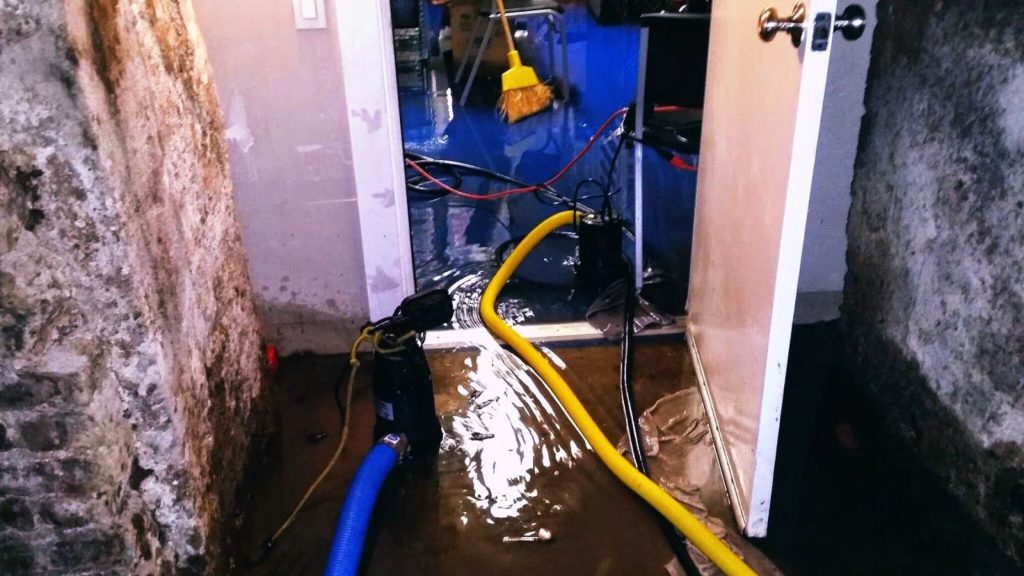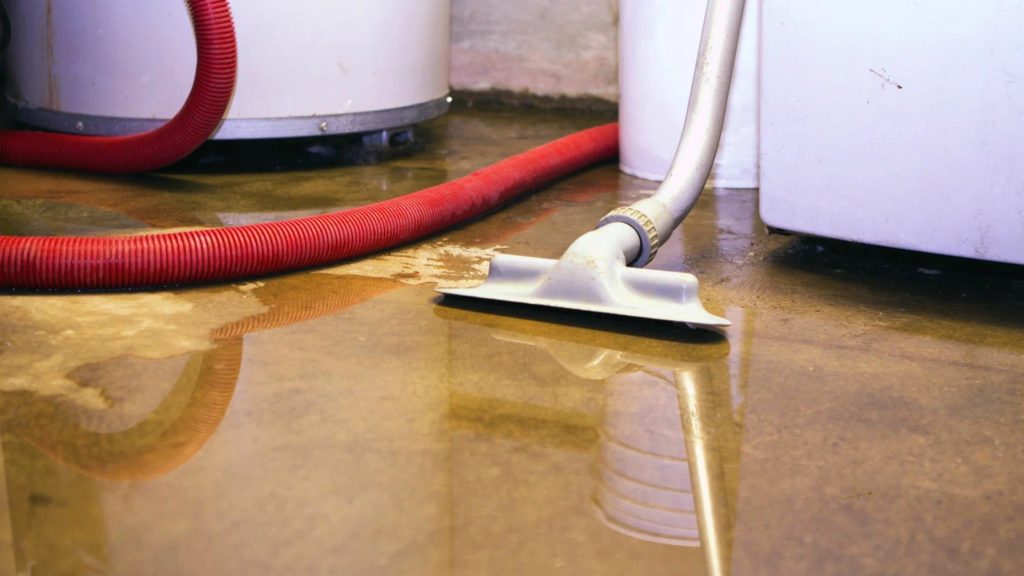















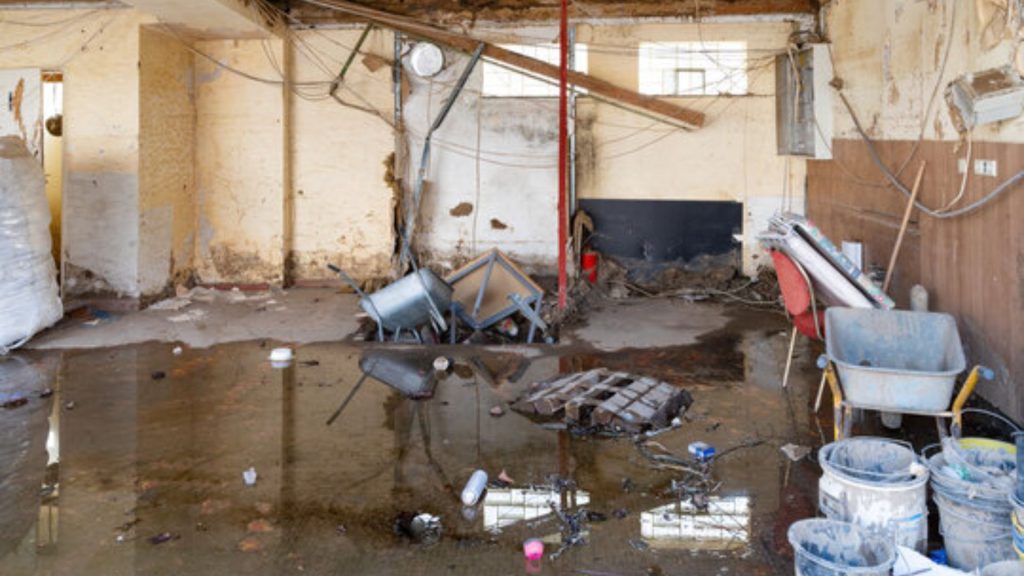
Navigating the insurance claims process for water damage restoration in Hutchinson involves four critical stages: immediate documentation, loss mitigation, professional assessment, and adjuster negotiation. In Salt City, insurance carriers typically cover sudden and accidental water discharge, such as a burst supply line in a Midtown basement or a water heater failure near the Kansas State Fairgrounds. However, most standard policies require you to act immediately to prevent “secondary damage” like mold growth or structural rot. By securing the property and contacting a restoration specialist within the first 24 hours, you satisfy your “duty to mitigate,” which is a standard requirement for ensuring your claim is approved and fully funded.
Does homeowners insurance cover water damage in Hutchinson?
Homeowners insurance usually covers water damage that is sudden and accidental, but it does not cover damage resulting from gradual leaks or lack of maintenance. In neighborhoods like Hyde Park or the residential areas near the Cosmosphere, coverage often applies to burst pipes, appliance overflows, and damage caused by weight of snow or ice on the roof. It is important to distinguish between standard water damage and flood damage; rising water from a heavy storm or an overflowing Cow Creek requires a separate flood insurance policy through the National Flood Insurance Program (NFIP).
Hutchinson property owners should also verify if they have a “sewer backup” endorsement on their policy. Many properties in the south end of town are prone to basement backups during heavy Kansas rains, and without this specific rider, the cleanup costs may not be covered. To ensure you have the correct documentation for your carrier, it is best to get a quote from a specialist who uses industry-standard estimating software that adjusters recognize and trust.
What are the primary insurance water damage claims Hutchinson steps?
When you discover water in your home or business, following a structured sequence of actions will significantly increase the likelihood of a successful claim. Carriers in Reno County look for detailed evidence that the damage was reported promptly and handled professionally.
- Immediate Notification: Call your insurance agent or the 24-hour claims line as soon as the water is discovered.
- Document Everything: Before any water is removed, take high-quality photos and videos of the standing water and all affected belongings.
- Mitigate the Loss: You are required to stop the water source and begin extraction immediately to prevent mold, as insurance rarely covers “long-term” moisture issues.
- Professional Inspection: Have a restoration team perform moisture mapping and thermal imaging to prove that water has traveled behind walls or under flooring.
- Review Your Deductible: Understand your out-of-pocket costs before the carrier begins payments for the restoration and reconstruction.
If you are a business owner on Main Street or near the Fox Theatre, your claim might also include “business interruption” coverage. This helps recover lost income while your facility is undergoing water damage restoration in Hutchinson. To help your adjuster understand the scope of the loss, you should get a quote that includes a detailed inventory of damaged materials and a projected timeline for the drying process.
How do you begin filing water damage claim steps in Kansas?
The process begins with the initial phone call to your carrier, but the heavy lifting happens during the first 48 hours. In the Hutchinson area, local adjusters often prioritize claims where the homeowner has already taken steps to protect the property from further harm.
Once the claim is filed, the insurance company will assign an adjuster to visit your property. However, in the wake of a major storm event that impacts many homes in Salt City, it can take several days for an adjuster to arrive. This is why having a professional restoration partner is vital; they can document the “at-rest” state of the moisture and begin the filing water damage claim steps on your behalf, ensuring that no evidence is lost during the cleanup.
| Claim Stage | Property Owner Responsibility | Restoration Team Role |
| Emergency | Stop water source & notify agent | Extraction & property stabilization |
| Documentation | List damaged personal items | Moisture mapping & thermal imaging |
| Mitigation | Sign work authorization | Daily moisture monitoring & logs |
| Negotiation | Communicate with the adjuster | Submit itemized Xactimate estimate |
| Completion | Pay deductible & sign off | Final clearance testing & teardown |
To ensure that your insurance carrier has all the data they need to justify the cost of the cleanup, it is essential to get a quote that utilizes professional moisture logs and atmospheric readings taken daily.
What are the top restoration insurance tips KS homeowners should know?
Managing an insurance claim can be a full-time job if you are not prepared for the technical questions an adjuster might ask. Following a few restoration insurance tips KS specialists recommend can prevent your claim from being denied or underpaid.
One major tip is to never throw away damaged items before the adjuster has seen them or before they have been documented by your restoration team. Even a ruined carpet or a piece of warped furniture serves as proof of the loss. Additionally, keep a log of every conversation you have with your insurance company, including the name of the representative and the time of the call. In a high-traffic area like the Hutchinson business district, where claims can be complex, this level of detail is often what separates a partial payout from a full settlement.
Another critical tip is to realize that you have the right to choose your own restoration contractor. While insurance companies may provide a list of “preferred vendors,” you are not obligated to use them. To ensure your home is restored to its original state rather than just the cheapest possible option, you should get a quote from a local provider who is accountable to you, the homeowner, rather than just the insurance carrier.
How does “Category of Water” affect your insurance payout?
In the restoration industry, water is classified into three categories based on its level of contamination. Insurance companies use these categories to determine what can be cleaned and what must be discarded.
Category 1: Clean Water
This is water from a broken supply pipe or a sink overflow. It is the least expensive to treat because materials like carpet can often be dried in place.
Category 2: Gray Water
This includes water from a dishwasher or washing machine that contains chemical or biological contaminants. Insurance often covers the replacement of carpet padding but may require the carpet itself to be cleaned and sanitized.
Category 3: Black Water
This is highly contaminated water from sewage backups or outdoor flooding from Cow Creek. Insurance protocols for Category 3 are the most expensive because all porous materials must be removed and discarded for safety.
To avoid a situation where your insurance company refuses to pay for the disposal of contaminated materials, you should get a quote that clearly defines the category of water and the required safety protocols according to IICRC standards.
Why is “Hidden” water damage a common insurance dispute?
Many claims in Reno County involve disputes over water that has seeped into wall cavities or under cabinets in the kitchen. Adjusters might only want to pay for surface cleaning, but if moisture remains trapped, it will inevitably lead to structural rot and mold growth. This is where professional moisture mapping becomes your strongest negotiating tool.
Using infrared cameras, a technician can show the adjuster exactly how high the water wicked up into the drywall behind a kitchen cabinet. This objective data makes it very difficult for a carrier to deny the need for more extensive drying or material removal. If you are dealing with a slow leak in a historic Midtown home, you should get a quote that specifically highlights any hidden moisture detected during the initial inspection.
What is the difference between Actual Cash Value and Replacement Cost?
When you receive your payout for water damage restoration in Hutchinson, it will be based on one of two valuation methods. Replacement Cost Value (RCV) covers the cost of buying a new item or installing new material at current market prices. Actual Cash Value (ACV) takes the replacement cost and subtracts depreciation based on the age of the item.
Most modern policies in Salt City are RCV, but some older or “basic” policies may only offer ACV. Understanding this distinction is crucial when you are planning your reconstruction phase. To ensure your budget for repairs is realistic, it is wise to get a quote for the reconstruction phase separate from the mitigation phase, allowing you to see the true cost of bringing your home back to its pre-loss condition.
How do you handle a denied or underpaid water damage claim?
If your claim is denied or if the payout is not enough to cover the necessary repairs, you have several options. You can request a “re-inspection” by a different adjuster or hire a Public Adjuster to represent your interests. You can also invoke the “appraisal clause” in your policy, which is a formal process for settling disputes over the value of the loss.
In many cases, a claim is underpaid simply because the adjuster missed a hidden pocket of moisture or failed to account for local labor rates in the Hutchinson area. To provide the necessary evidence for a claim adjustment, you should get a quote that uses Xactimate pricing, which is the same software used by 90% of insurance carriers, making it much easier to compare estimates line-by-line.
FAQs About Insurance and Water Damage
Will my insurance rates go up if I file a water damage claim?
Filing a single claim for a sudden accident like a burst pipe usually does not result in a significant rate hike. However, multiple claims within a short period or a claim resulting from neglect can lead to higher premiums or non-renewal.
What is the “duty to mitigate” in an insurance policy?
This is a standard requirement that you must take reasonable steps to prevent further damage. If you leave water sitting for three days before calling a professional, the insurance company can deny the portion of the claim related to mold or rot.
Does insurance cover the cost of the drying equipment?
Yes. If the cause of the loss is covered, the rental of industrial air movers and dehumidifiers is a standard part of the mitigation claim.
How long does it take for an insurance company to pay a claim?
Usually, you will receive an initial payment for the mitigation within one to two weeks. The final payment for the reconstruction and personal property may take longer as invoices and receipts are finalized.
What if the water damage was caused by my neighbor’s leak?
If you live in a multi-family building near the Hutchinson business district, your insurance will likely pay for your repairs and then “subrogate” against your neighbor’s insurance company to recover the costs.
Conclusion
Successfully managing an insurance claim for water damage restoration in Hutchinson requires a combination of speed, documentation, and professional advocacy. From the historic homes near Hyde Park to the industrial facilities near the airport, the process remains the same: you must prove the loss, mitigate the damage, and document every step of the recovery. By working with a specialist who understands the requirements of Salt City insurance adjusters, you can focus on getting your life back to normal while the technical details are handled by experts.
When you are facing a property disaster, Freshco is the solution to the problems discussed. As a trusted local service provider, we have extensive experience working with insurance carriers in Reno County and provide the detailed documentation required for a smooth claims process. We understand that a water loss is a major disruption, and our team is committed to providing the professional response and clear communication you need to navigate the restoration journey. Contact Freshco today to restore your property and ensure your insurance claim is handled with the precision it deserves.