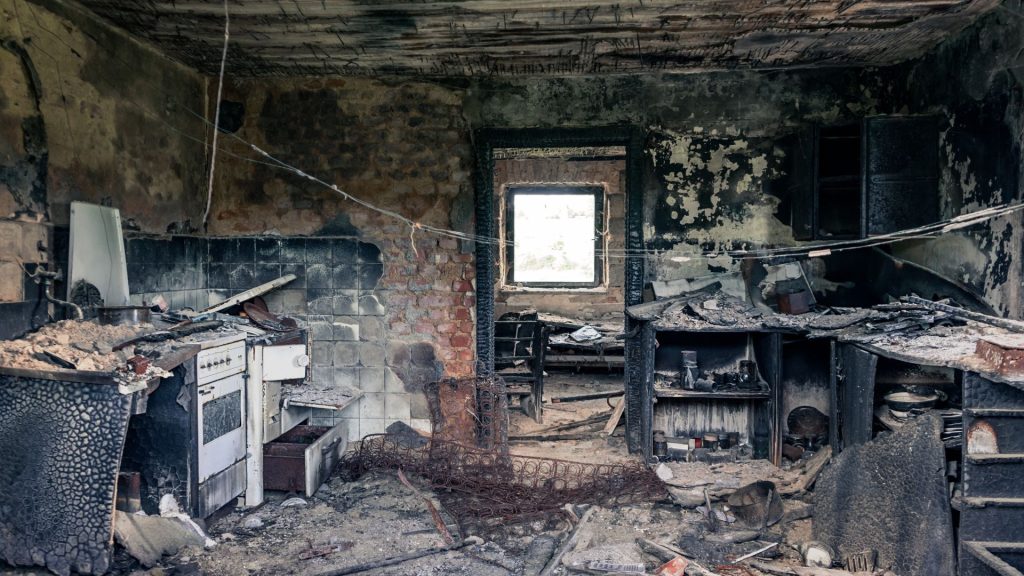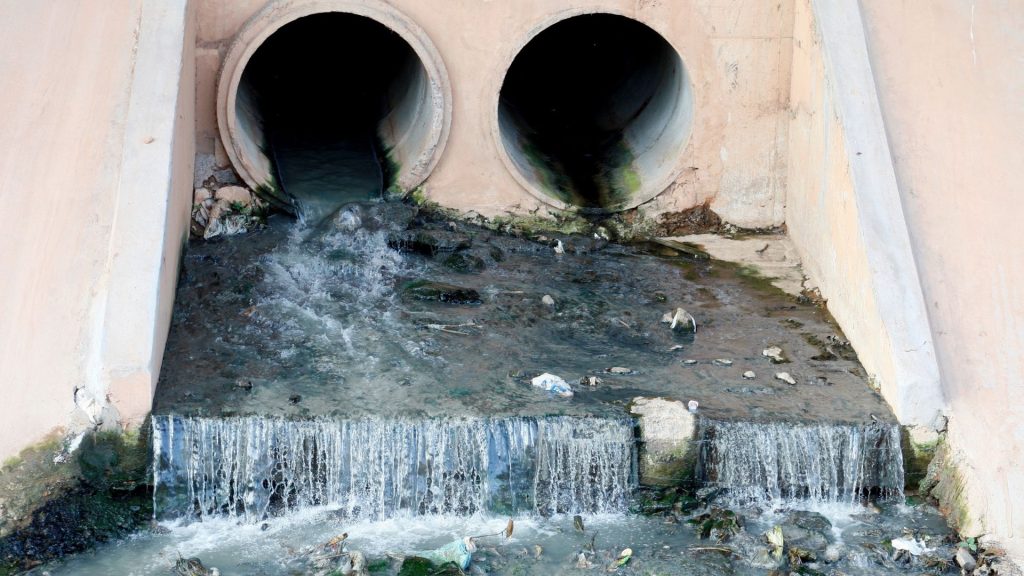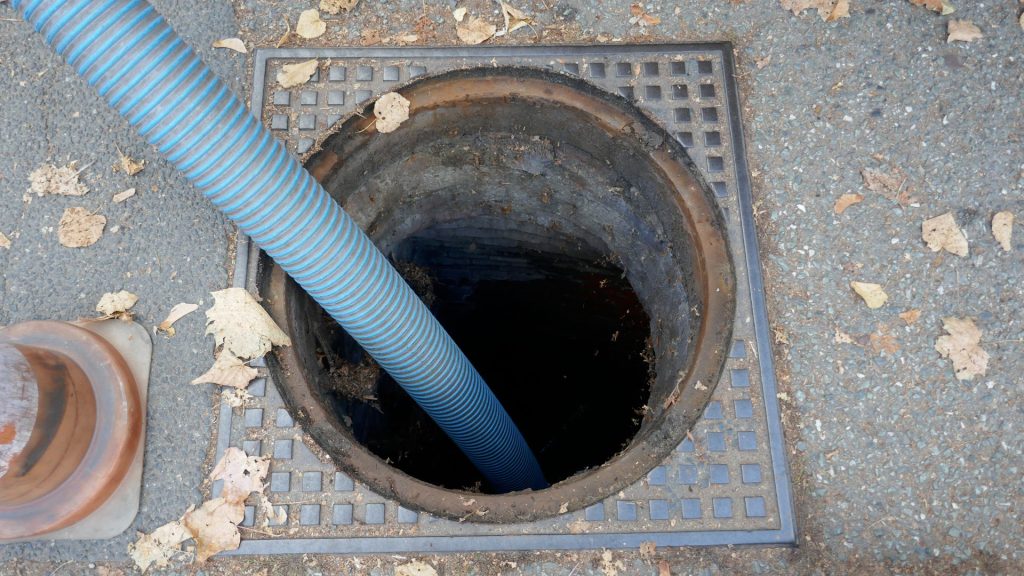
















Summer in Newton brings more than sunlight and barbecues. It also brings higher humidity, unexpected storms, and plenty of reasons for moisture to creep inside your home. When left alone, this indoor moisture can lead to problems like peeling paint, warped flooring, mold, and that damp, musty smell no one wants lingering in the air. It doesn’t take long for things to go downhill once water starts to settle where it shouldn’t.
Whether moisture comes from the air or from a specific source like a leaky pipe, ignoring it makes the problem worse over time. Moisture affects not just your comfort but also your home’s structure. Walls, floors, and even ceilings can absorb water and start to break down, and that can lead to more expensive restorations if it isn’t handled early. Getting ahead of indoor moisture is the best way to protect your space and keep things running smoothly, especially in these warmer summer months.
Identifying Sources of Indoor Moisture
Knowing where the moisture is coming from is the first step to solving the problem. In Newton, homeowners might face some of the usual suspects, especially after summer rain or heat waves that crank up the humidity. While some signs of moisture are clear like puddles or visible mold, others aren’t always so obvious.
Here are a few common sources to watch out for:
– Roof leaks after storms
– Leaky pipes behind walls or under sinks
– Poor attic or basement ventilation
– Cracked or blocked gutters causing water to enter near foundations
– Windows and doors with broken seals
Early signs that could mean there’s moisture hiding where you can’t see include:
– A musty or damp smell in certain areas of the home
– Paint bubbling or peeling on walls or ceilings
– Mold spots growing along baseboards, vents, or window frames
– Wood floors beginning to cup or buckle
– Water stains on ceilings that slowly grow or change shape
A good example to consider is when a homeowner notices that a back bedroom smells damp every time it rains. If that room also has paint peeling close to the bottom of the exterior wall, it’s likely a sign that water is making its way inside through poor sealing or foundation cracks, something that can go undetected if you’re not watching closely.
It’s easy to miss these clues, especially when life gets busy. But the longer moisture sits, the more it soaks in, setting the stage for damage that spreads. By recognizing these early warnings, you get a better chance of stopping the problem before it turns into a bigger and much more expensive headache.
Effective Water Remediation Solutions
Once you’ve figured out where the moisture is coming from, the next move is taking care of it. That’s where water remediation comes into play. This isn’t just about wiping up a spill. It’s a full approach to remove water, dry out the space, and fix the root causes.
Water remediation methods can include a mix of drying, repairing, and controlling the moisture levels in the air. Here are a few strategies professionals often use:
– Water extraction: This removes standing water quickly to keep it from seeping into carpets, walls, or flooring
– Drying and dehumidifying: High-powered equipment helps pull out moisture from the air and surfaces
– Structural repairs: If water has damaged drywall, insulation, or wood, those parts might need to be replaced
– Airflow improvement: Adjusting how air moves through the home helps prevent lingering dampness
– Sealant application: Cracks or leaks around windows, doors, or basements might need sealing to block future water entry
One thing that separates water remediation from a simple cleanup is the goal of long-term prevention. That’s why it’s not just about cleaning up water once. The next focus is making sure moisture doesn’t come back. Whether it’s adding vent fans to your bathroom or sealing your basement floor after a floor drain backup, every step counts toward keeping your indoor space dry and livable.
By using the right methods and treating each area thoroughly, water remediation helps fix problems and restore conditions that keep moisture under control, even during those humid Newton summers.
Preventive Measures to Control Indoor Moisture
Keeping your home free of indoor moisture involves more than one-time fixes. It requires ongoing attention and planning, especially in places like Newton where summer brings both heat and humidity. The key to managing moisture effectively often lies in regular inspections and routine maintenance, which help you catch problems before they escalate.
One straightforward way to prevent moisture build-up is to schedule regular home inspections. Look for warped gutters, pipes with leaks, or roof damage. Checking these areas periodically can stop small problems from turning into big headaches. It’s not just about spotting issues but re-checking repairs you made previously to ensure they’re still holding up.
Consider these tips to control moisture levels:
1. Maintain proper drainage: Make sure your gutters and downspouts direct water away from the home’s foundation
2. Manage humidity levels: Use dehumidifiers in damp-prone spaces and install humidity sensors for early detection
3. Seal cracks and gaps: Apply sealant where needed around windows and doors
4. Improve ventilation: Install or clean exhaust fans in bathrooms and kitchens to move moist air out
5. Inspect for mold: Check behind appliances or furniture, especially near corners and outer walls
Think about a time when you noticed condensation inside your window during the hottest part of the day. This water isn’t actually leaking in from outside. It’s your own home’s humidity building up, and possibly not enough airflow to let it escape. That buildup is exactly what makes mold and damage more likely. Keeping that kind of moisture in check isn’t about big fixes. It’s often about catching the small stuff before it adds up.
When to Seek Professional Help
Sometimes the best option is calling in professionals. When moisture problems keep coming back even after you’ve tried home repairs, it’s a smart move to get expert help. Trained teams can find the source, treat it fully, and help prevent future issues.
You should reach out for help if:
– Mold has formed across more than just one or two small spots
– Water damage appears to be affecting ceilings, drywall, or flooring structurally
– There’s a persistent smell that doesn’t go away even after cleaning
– Standing water has reached parts of the basement, attic, or crawlspaces
– Your HVAC system is running too often trying to control the humidity, but the air still feels heavy
Water remediation professionals offer more than just cleanup. They bring fast solutions and long-term prevention that can save you time, money, and worry. Instead of patching the problem, they’ll assess the entire area and address hidden moisture risks that are easy to miss.
By trusting experienced help, you’re not just fixing today’s issue. You’re building better defenses for tomorrow.
Your Best Defense Against Moisture in Newton
Moisture issues inside your home can sneak up on you, but they don’t have to stick around. Staying alert to subtle changes like odd smells or peeling paint is one of the best ways to stop damage before it spreads. Small corrections, regular check-ups, and better airflow often go a long way.
Newton homes face their share of seasonal moisture issues, especially during humid stretches of summer. Combining regular upkeep with professional help when needed gives you a strong handle on the problem. It’s much easier to enjoy your home when your walls, floors, and air are clean and dry.
If you’re noticing signs of indoor dampness or want support protecting your home, help from skilled water remediation professionals is just around the corner.
Protect your Newton home from the hidden threats of moisture with the expertise of FreshCo. Our comprehensive water damage remediation services identify and tackle moisture at the source, ensuring a safe and dry living environment. Don’t let dampness and mold impact your comfort and well-being; let us help you maintain a healthy home year-round.