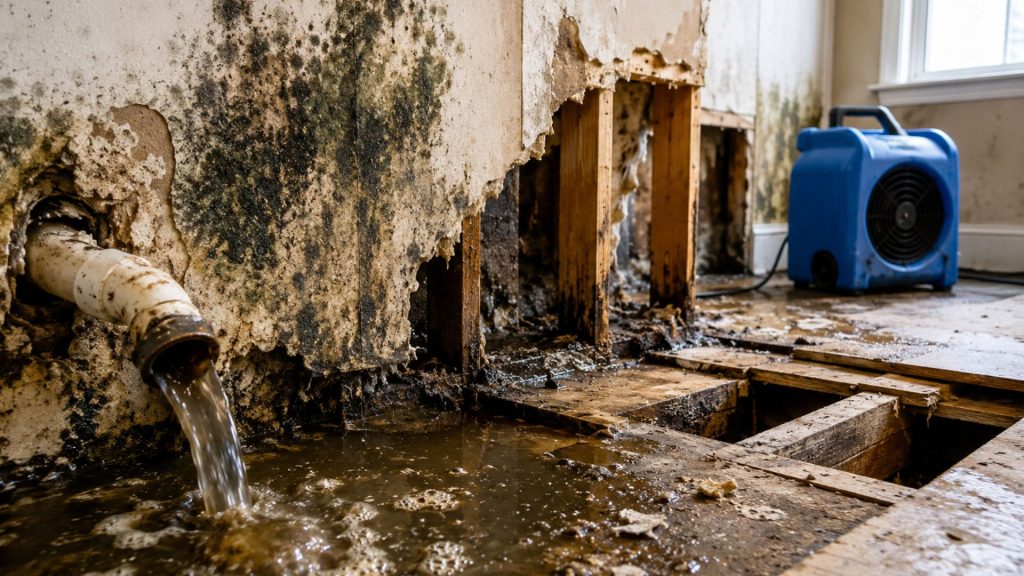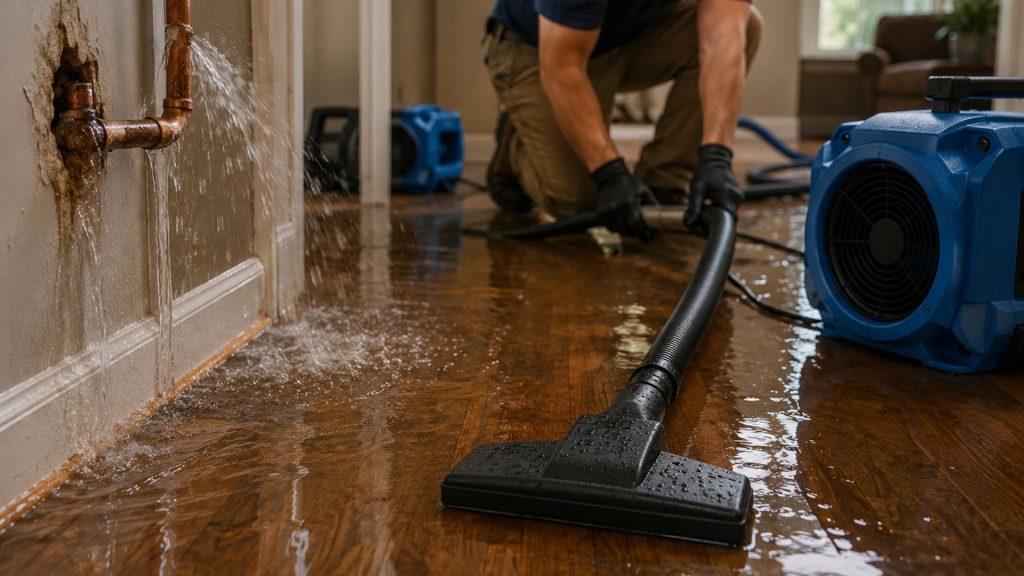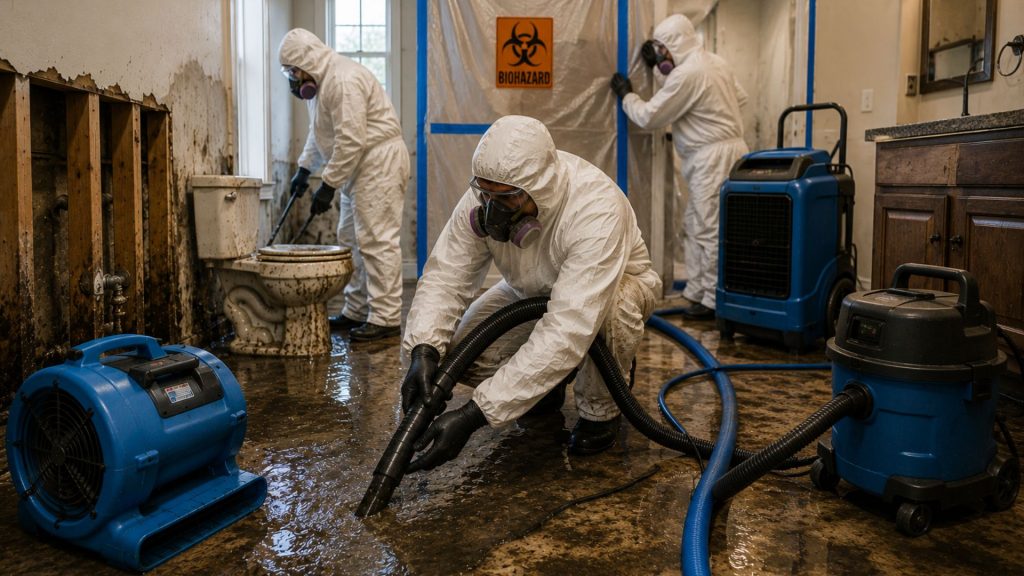













When water damage hits a commercial space in Wichita, the cleanup isn’t just about removing visible water. The drying process plays a huge role in bringing the space back to safe, workable conditions. Without the right drying methods, moisture can linger in places you can’t see, quietly causing more damage over time. From warped floors to mold creeping in behind walls, untreated water can lead to bigger problems later if it’s not handled the right way from the start.
In a city like Wichita, with warm summers and plenty of humidity during the season, water doesn’t always dry on its own fast enough. Commercial buildings tend to have larger square footage and more complex layouts than homes, which means moisture can settle into unexpected places. So, whether you’re dealing with a roof leak during a summer storm or water from an AC drain line failure, using the right drying techniques can affect how quickly and safely the space is restored.
Assessing the Damage Before Drying Starts
Before jumping into drying equipment or cleanup, it’s important to understand how deep the water damage goes. Some materials, like tile or concrete, may not absorb water much, but others, like drywall or ceiling tiles, can soak it up like a sponge. What might look like a small puddle on the surface could have already made its way into wall cavities, insulation, or flooring layers underneath.
That’s why a proper inspection is the first step. Professionals use tools like:
– Moisture meters to check how much water has been absorbed into walls, floors, and ceilings
– Thermal imaging cameras that help spot hidden pockets of moisture
– Hygrometers to measure humidity levels in the air and ensure things are drying consistently
This isn’t the kind of thing you want to guess on. If areas are missed early on, it can lead to more damage that’s harder to fix later. A complete picture of where the water went helps decide what kinds of drying tools and strategies make sense for the building and how long it might take to get everything back to normal.
For example, in an office lobby with carpeting over a concrete slab, water might seem like it’s mostly on the surface. But the padding underneath the carpet can hold moisture for days. If it’s left untreated, mold can start growing before anyone notices a problem.
Mechanical Drying Techniques for Large Indoor Areas
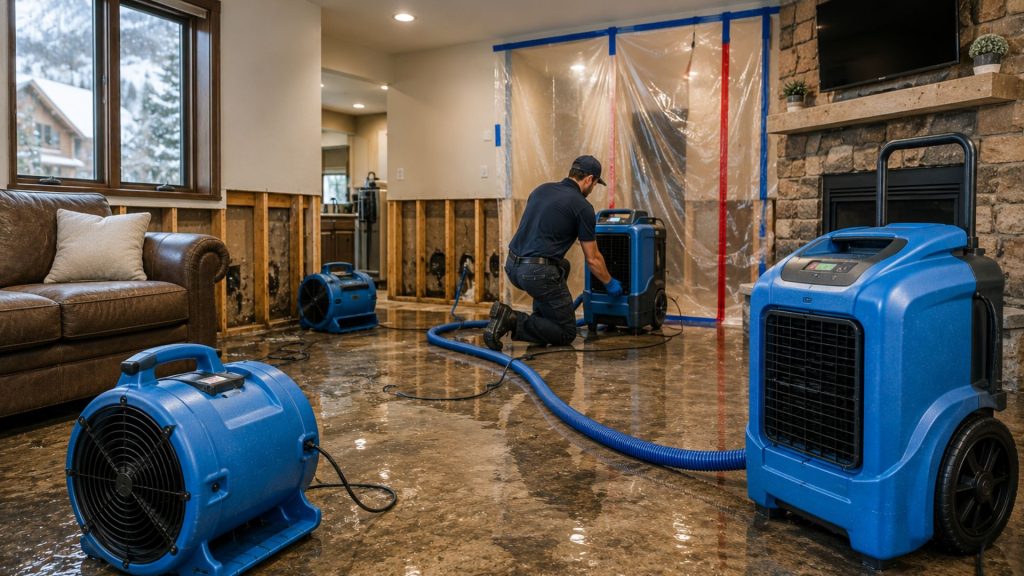
Once the damage has been fully assessed, the right drying equipment needs to go in. Mechanical drying is the go-to method for most commercial spaces in Wichita because it covers large areas quickly and helps get ahead of mold and structural damage. These machines are built to move air fast and control the humidity level in the building.
Here are two common types:
1. Air movers – These are strong fans placed around the space that push air across wet surfaces. They work by increasing evaporation so that moisture leaves surfaces faster.
2. Dehumidifiers – These pull moisture from the air so it doesn’t re-settle onto walls or floors. There are two types typically used:
– Refrigerant dehumidifiers, best for warmer conditions
– Desiccant dehumidifiers, which work better in lower temperatures or with special materials
Mechanical drying is especially useful in spaces like retail areas, restaurants, and shared office buildings where airflow and quick turnaround matter. The placement of the equipment is just as important as the type. Machines must be spaced correctly, usually set up in patterns that push airflow from wet areas to drier zones for consistent drying.
Next, we’ll go over some specialty drying methods that go beyond the basics. In some cases, extra equipment is needed when dealing with more sensitive materials or hard-to-reach areas.
Specialty Drying Techniques for Wichita Spaces
In some cases, traditional fans and dehumidifiers aren’t enough. For trickier spots or delicate materials, specialized techniques come into play. These methods can make all the difference in saving time and preventing further issues.
One effective approach is desiccant drying. This method uses materials that naturally absorb moisture, creating dry air that helps extract water from surrounding materials. It’s perfect for lower temperatures and works wonders on materials like wood and plaster. Because it doesn’t rely on heat, it’s also ideal for buildings where there are concerns about high temperatures damaging surfaces or items like electronics and important documents.
Another technique is heat drying. Sometimes, heat is needed to boost evaporation rates in large spaces or when dealing with certain stubborn materials. Using heat not only targets water but also helps in sanitizing areas. This method is useful in unconditioned spaces, like warehouses, where airflow alone might not suffice.
Don’t forget about specialty drying mats, which are placed directly on affected flooring. They pull out moisture from subfloors and tricky areas like glue-down carpets, acting like a vacuum for water.
Monitoring Moisture: A Key Step for Long-Term Results
Getting things dry is step one, but keeping them that way ensures long-term success. Monitoring moisture levels throughout the drying process is critical. It helps make sure every nook and cranny dries evenly.
Tools like moisture meters and thermal cameras are used regularly to double-check problem areas. This ensures that everything gets dried properly and reduces the risk of damage reoccurring. It also helps catch unexpected problems early, like a hidden leak that wasn’t initially spotted.
For a place like Wichita, with varying weather patterns that can increase humidity suddenly, it’s even more important to keep track of moisture levels during the final stages. Whether a commercial space has a high-tech HVAC system or relies on basic air conditioning, monitoring helps identify if any adjustments are necessary to control indoor humidity effectively.
Keeping Wichita Commercial Spaces Dry with FreshCo
Getting commercial spaces in Wichita dry isn’t just about dealing with an immediate problem. It’s about making sure future headaches are minimized and your workspace stays safe and functional. Efficient drying protects your investment in the building’s structure and helps avoid the long-term costs of dealing with mold or structural damage.
Understanding the right drying techniques and applying them carefully ensures that commercial properties are restored to a safe condition. It’s not worth the risk of missing key moisture spots or using the wrong equipment. Drying a business space the right way requires tools, training, and the right people to handle the job.
That peace of mind is exactly what we offer. Our team knows Wichita’s unique challenges and weather, and we’re prepared for quick response and thorough service. When every hour counts, you need professional support you can depend on to handle moisture the right way from the start.
Protecting your commercial space from water damage requires the right approach and expertise. If you’re faced with an urgent situation, trust FreshCo for professional assistance. Our specialized services ensure thorough drying and long-term safety for your workspace. For more details, read about our emergency cleanup solutions.