















Water damage does not always end when the visible surfaces look dry. Long after a leak or flood appears to be resolved, moisture can linger in hidden spaces and quietly feed mold growth. For Kansas homeowners, this hidden mold is one of the most overlooked and underestimated consequences of water damage.
The trouble is that mold often grows where you cannot see it, inside walls, beneath floors, and within insulation. By the time it becomes obvious, it may have spread well beyond its starting point. This is why testing matters so much. It reveals what the eye cannot, confirming whether mold has taken hold after a water event so you can address it before it becomes a problem.
This guide explains how water damage leads to hidden mold, which areas are most vulnerable, the warning signs to watch for, the benefits of professional testing, and what can happen if mold is left untreated.
How Water Damage Leads to Hidden Mold
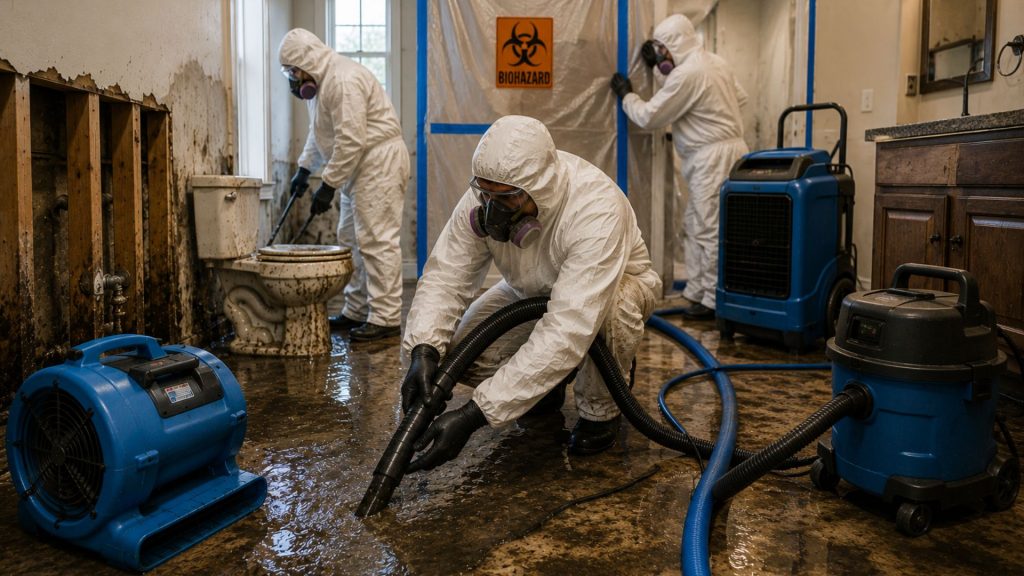
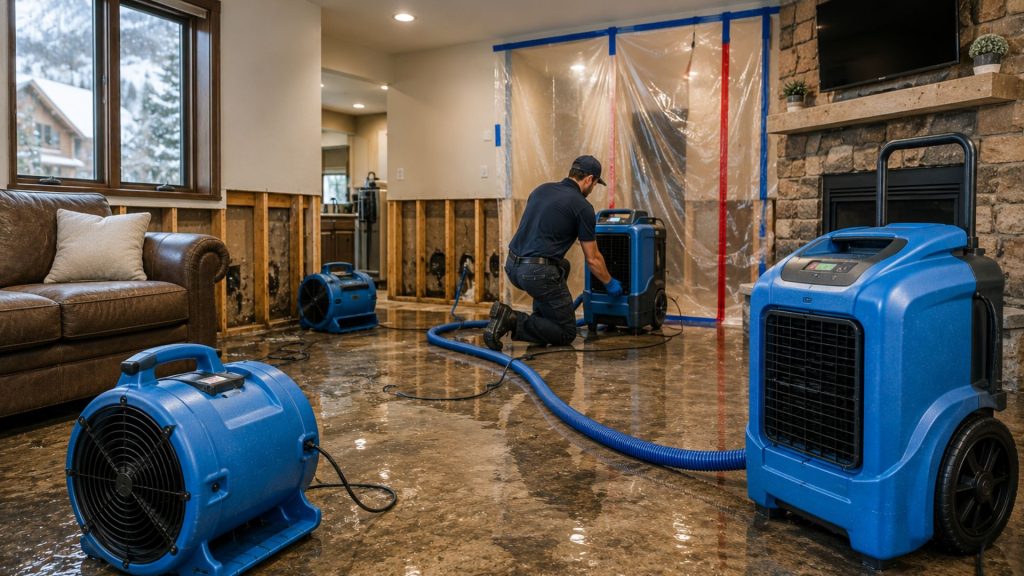
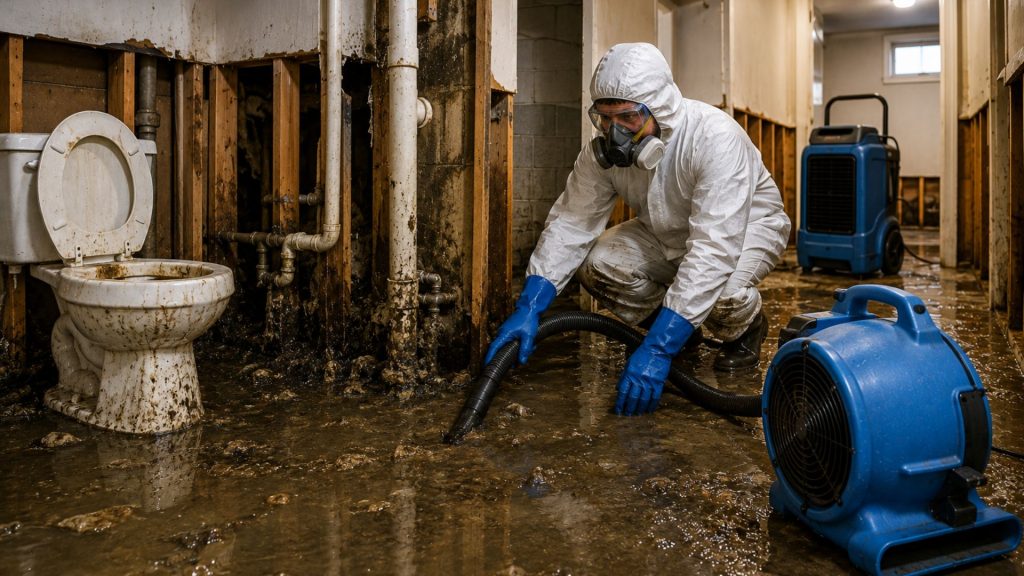
When water seeps into walls, floors, and insulation, it often remains trapped inside even after the visible surfaces have dried. Materials like drywall, wood, and insulation can hold moisture deep within, out of sight and out of reach of ordinary drying efforts. Mold spores are always present in the air, and once they encounter that hidden moisture along with an organic surface to feed on, growth can begin within just 24 to 48 hours.
Because this process happens out of view, homeowners frequently have no idea that mold is developing. They see dry surfaces, assume the problem is behind them, and move on. Meanwhile, a colony quietly expands inside the structure.
This is exactly why thorough drying after water damage is so important, and why testing provides valuable reassurance when there is any doubt.
Areas Most Vulnerable to Mold Growth
Certain parts of a home are especially prone to hidden mold after water damage. The cavities behind drywall are a common site, since drywall absorbs moisture and provides material for mold to feed on. The subfloor and padding beneath carpet, laminate, and other flooring frequently trap dampness out of sight. Insulation inside walls and attics holds moisture and can harbor extensive growth.
Areas around plumbing and HVAC systems are also vulnerable, since these spots combine moisture with hidden, undisturbed spaces. These hard to reach areas create ideal conditions for mold to thrive unnoticed.
Warning Signs of Hidden Mold
Mold often grows out of sight, but it rarely develops without leaving warning signs behind. If your property has experienced water damage, these clues may indicate that hidden mold is growing in areas you cannot easily see.
- Persistent Musty Odors: Lingering musty smells after cleanup often indicate mold growth in nearby hidden spaces.
- Recurring Wall or Ceiling Stains: Stains that reappear after cleaning or painting may signal active mold growth behind the surface.
- Peeling Paint or Wallpaper: Paint that bubbles, peels, or wallpaper that lifts away from the wall can point to trapped moisture and potential mold growth.
- Warped or Damaged Building Materials: Moisture-related damage to drywall, flooring, or wood surfaces may indicate conditions that support hidden mold.
- Unexplained Allergy Symptoms: Frequent sneezing, congestion, itchy eyes, or other allergy-like symptoms indoors can be a sign of mold exposure.
- Respiratory Irritation or Asthma Flare-Ups: Mold spores can affect indoor air quality and may worsen respiratory conditions, particularly for sensitive individuals.
- Visible Dampness or Moisture: Areas that remain damp long after a leak or flood are prime locations for hidden mold growth.
- Problems That Return After Water Damage Repairs: If moisture issues, odors, or stains continue to reappear, hidden mold may still be present behind walls, under flooring, or in other concealed areas.
Any of these warning signs following a water damage event should be taken seriously. Early investigation can help uncover hidden mold before it spreads further and leads to more extensive remediation costs.
Benefits of Professional Mold Testing
Professional mold testing provides answers that a visual inspection alone cannot. By identifying hidden mold growth and assessing the extent of contamination, testing helps ensure that any necessary remediation is based on accurate information rather than guesswork.
- Confirms Whether Mold Is Present: Testing can detect mold growth that may not be visible during a standard inspection.
- Identifies the Type of Mold: Laboratory analysis helps determine the types of mold present and provides a clearer understanding of the situation.
- Reveals Hidden Mold Growth: Testing can uncover contamination behind walls, beneath flooring, inside ceilings, or in other concealed areas.
- Determines the Extent of the Problem: Understanding how far mold has spread helps ensure remediation efforts address the entire affected area.
- Supports an Effective Remediation Plan: Accurate testing results help professionals develop a targeted strategy for removal and prevention.
- Reduces Uncertainty: Testing replaces assumptions with reliable information, allowing property owners to make informed decisions.
- Provides Peace of Mind: After significant water damage, testing helps confirm whether hidden mold is present and whether additional action is needed.
- Helps Prevent Larger Problems Later: Early detection and treatment can reduce the risk of widespread contamination, costly repairs, and ongoing moisture-related issues.
Following a water damage event, professional mold testing can be a valuable investment. It provides a clear picture of the situation and helps ensure that any mold issues are identified and addressed before they become more serious and expensive to resolve.
What Happens If Mold Is Left Untreated
Untreated mold does not stay put. It continues to spread, consuming and damaging building materials such as drywall, wood, and insulation as it grows. As it spreads, it releases more spores into the air, reducing indoor air quality and potentially affecting the health of everyone in the home, particularly those with allergies or respiratory conditions. Over time, what could have been a small, manageable issue becomes a far more extensive and expensive remediation project. Addressing mold early, before it has a chance to spread, is always the wiser and more affordable choice.
How Professionals Locate Hidden Mold
Finding mold that grows out of sight requires more than a visual check. Professionals use specialized tools and techniques to locate hidden growth and the moisture that feeds it. Moisture meters and sensors detect dampness inside walls, floors, and other materials that look completely dry on the surface.
Trained technicians know the spots where mold tends to develop and can recognize subtle signs that point to a hidden problem. When appropriate, samples are collected and analyzed to confirm the presence and type of mold. This thorough approach reveals the full extent of any growth, ensuring that treatment addresses the entire problem rather than just the part that happens to be visible.
The Value of Acting Early
The single most effective way to limit the cost and disruption of a mold problem is to act early. Mold discovered soon after a water event is usually contained and far easier to remove than a colony that has had weeks or months to spread.
Early action also means identifying and fixing the moisture source before it causes further damage. For Kansas homeowners, scheduling testing promptly after significant water damage is a small step that can prevent a much larger and more expensive remediation later, while protecting the health of everyone in the home in the meantime.
Protecting Your Home and Your Health
Hidden mold affects both your property and the health of those who live in it. Left untreated, it damages building materials and releases spores that can reduce indoor air quality and trigger allergy and respiratory symptoms. Testing and timely remediation protect against both of these outcomes.
For Kansas families, addressing hidden mold early means a healthier home and fewer costly repairs down the road. After any significant water event, taking the simple step of having your property tested offers valuable reassurance and helps you avoid the larger problems that hidden mold can cause over time.
Frequently Asked Questions
Can mold grow even after water appears dry?
Yes. Moisture often remains trapped in hidden spaces such as walls and subfloors even when surfaces look dry, allowing mold to grow out of sight.
How does mold testing work?
Testing involves inspecting the property and collecting samples to identify the type and extent of any mold present, including hidden growth.
What areas are most vulnerable to hidden mold?
Hidden mold commonly develops behind drywall, under flooring, inside insulation, and around plumbing and HVAC systems.
Is mold always visible?
No. Mold frequently grows in hidden spaces where it cannot be seen, which is exactly why testing is so valuable after water damage.
Should every water damage incident be followed by mold testing?
Testing is strongly recommended after significant water damage, especially if drying was delayed or if moisture may have lingered in the structure.
Detect Hidden Mold Before It Becomes a Bigger Problem
Hidden mold is one of the most common consequences of water damage, and it can continue to grow long after surfaces appear dry. Because mold often develops behind walls, under flooring, and inside other concealed areas, many homeowners do not discover the problem until it has spread and caused more extensive damage.
Professional mold testing provides the insight needed to identify hidden growth early, allowing for faster and more cost effective remediation. Early detection can help protect your home’s structure, improve indoor air quality, and reduce the risk of more extensive restoration work in the future.
If your Kansas home has experienced water damage, do not leave potential mold problems to chance. Contact FreshCo Cleaners today to schedule professional mold testing or request a free quote. Our team can help identify hidden moisture and mold issues before they become larger and more expensive problems.