













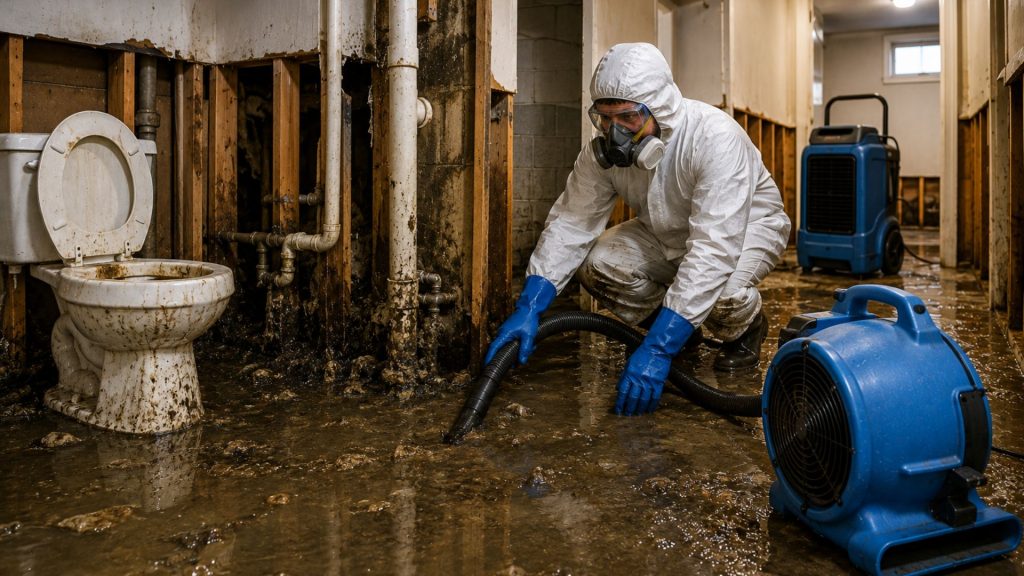
A sewage backup is one of the most hazardous problems a homeowner can face. It brings contamination, overwhelming odors, and damage that spreads quickly through a property. Unlike a clean water leak, a sewage backup involves water that carries bacteria, viruses, and waste, making it a genuine health hazard rather than just an unpleasant mess.
For Hutchinson homeowners, knowing the risks and acting fast is essential to protecting both their health and their home. Understanding what causes backups, the dangers they pose, and how professional cleanup works prepares you to respond correctly if you ever face one. This guide walks through the common causes, the health and property risks, the professional cleanup process, and steps you can take to prevent future backups.
Common Causes of Sewage Backups
Sewage backups can occur for several reasons, ranging from everyday clogs to major sewer line failures. Understanding the most common causes can help homeowners recognize potential risks, take preventive measures, and respond quickly when problems arise.
- Grease, fats, and oils accumulating inside sewer and drain lines.
- Flushing wipes, paper towels, hygiene products, and other non-flushable items.
- Tree roots growing into sewer pipes and creating blockages or structural damage.
- Aging, cracked, deteriorated, or collapsed sewer lines.
- Heavy rainfall and storms that overwhelm municipal sewer systems.
- Blockages in the main sewer line serving the property.
- Improper disposal of food waste and debris through household drains.
- Shifting soil or ground movement that damages underground pipes.
- Poorly maintained plumbing systems and neglected drain issues.
Health Risks of Sewage Exposure
Sewage carries bacteria, viruses, parasites, and other harmful microorganisms. Contact with contaminated water, surfaces, or belongings can cause serious illness, and even breathing the air around a backup poses risks.
Children, older adults, and anyone with a weakened immune system are especially vulnerable. This is why sewage cleanup should never be treated as an ordinary household chore.
Proper protective equipment, professional disinfectants, and safe handling procedures are necessary to protect everyone in the home from these hazards.
Property Damage Caused by Sewage Contamination
Sewage damages nearly everything it touches. It soaks into flooring, drywall, carpets, padding, baseboards, and personal belongings, and because of the contamination involved, many of these porous materials cannot be salvaged and must be replaced.
The moisture sewage leaves behind seeps into hidden spaces within walls and floors, creating ideal conditions for mold growth and lingering odors if not fully addressed. The longer the contamination sits, the more extensive and costly the damage becomes. Fast, thorough cleanup is the only way to limit the harm and restore a safe environment.
Professional Sewage Cleanup Process
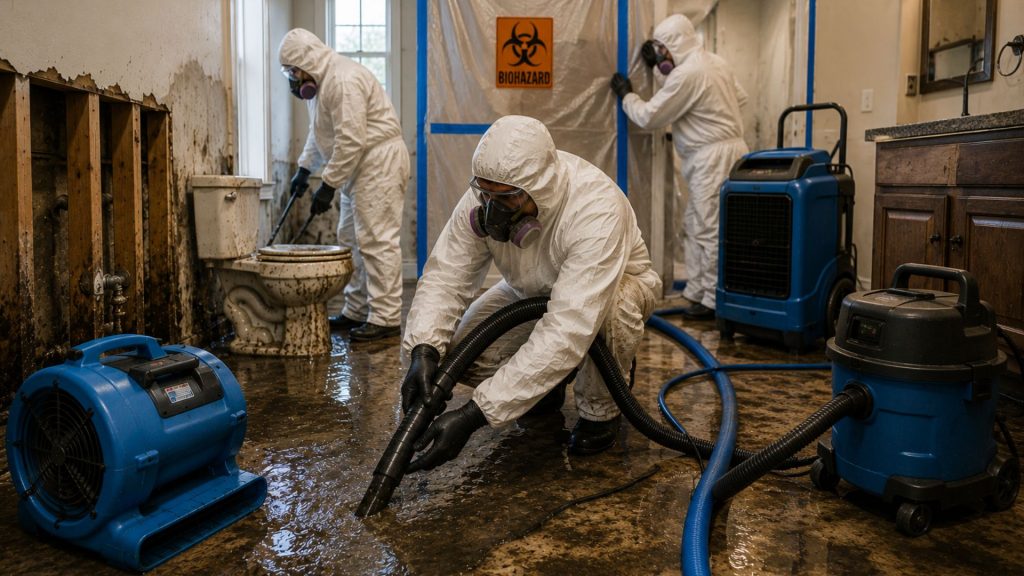
Professional sewage cleanup involves much more than removing visible wastewater. Restoration specialists follow a detailed process designed to eliminate contamination, sanitize affected areas, and restore a safe living environment.
- Inspect the affected area and identify the source of the sewage backup.
- Assess the extent of contamination and damage to building materials and contents.
- Remove contaminated water using specialized extraction equipment.
- Safely dispose of unsalvageable materials according to health and safety guidelines.
- Clean all affected surfaces to remove sewage residue and contaminants.
- Apply professional-grade disinfectants and antimicrobial treatments to eliminate bacteria, viruses, and other pathogens.
- Deodorize the area to remove lingering sewage odors.
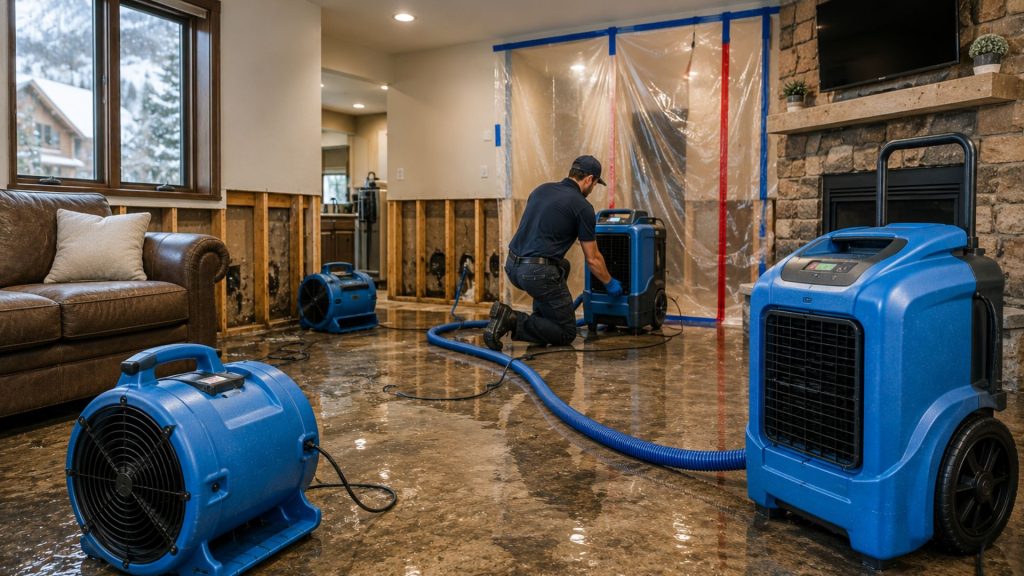
- Dry the space thoroughly using industrial air movers and dehumidification equipment.
- Inspect for hidden moisture that could lead to mold growth or additional damage.
- Confirm that the area has been properly cleaned, sanitized, and restored to a safe condition.
This systematic approach ensures that sewage damage is addressed at every level. By combining thorough cleaning, disinfection, and moisture removal, professional restoration teams help return the property to a healthy, safe, and livable condition.
Preventing Future Sewage Backups
While not every backup can be avoided, a few good habits significantly reduce the risk. Avoid flushing wipes, paper products other than toilet paper, grease, and other items that do not dissolve. Be careful about what goes down kitchen drains, since grease and food waste accumulate over time.
Schedule regular sewer line inspections, particularly for older homes or properties with large trees nearby that could send roots into the pipes. Address slow drains early instead of waiting for a full blockage. Installing a backwater valve can also help protect your home from backups during heavy storms when municipal systems are overwhelmed.
What to Do the Moment You Discover a Sewage Backup
The way you respond in the first moments of a sewage backup matters a great deal. Your priority should be safety, so keep family members and pets well away from the affected area and avoid any contact with the contaminated water or surfaces.
Do not attempt to clean it up yourself, since doing so without proper protection exposes you to harmful pathogens. If it is safe to do so, stop using water and plumbing fixtures to prevent adding to the backup, and turn off electricity to the affected area to remove any risk of shock.
Then contact a professional restoration team right away. The faster the response, the safer and more manageable the cleanup will be.
Why Sewage Backups Should Never Wait
It can be tempting to delay dealing with a backup, especially if it seems contained or minor. In reality, waiting almost always makes the situation worse. Contamination spreads, bacteria multiply, moisture seeps deeper into materials, and the risk of mold grows with every passing hour. What might have been a contained cleanup can quickly become a larger and more expensive project affecting more of your home. Treating a sewage backup as the emergency it is, and acting immediately, protects both your family’s health and the structure of your Hutchinson home.
Long Term Consequences of Untreated Sewage Damage
When sewage damage is not addressed promptly and thoroughly, the consequences can extend well into the future. Lingering contamination poses ongoing health risks to everyone in the home.
Trapped moisture leads to mold growth that spreads through walls, floors, and other materials, while prolonged exposure weakens structural components and can compromise the stability of the home.
Persistent odors may remain long after the visible mess is gone. What might have been a contained problem can become a recurring source of damage and health concerns. This is why complete, professional restoration is so important. It addresses not only the immediate mess but the hidden problems that would otherwise surface later.
Frequently Asked Questions
What causes sewage backups?
Sewage backups are caused by clogs, tree root intrusion, aging or damaged pipes, and heavy storms that overwhelm municipal sewer systems.
Is sewage backup considered an emergency?
Yes. Because of the contamination and serious health risks involved, a sewage backup should always be treated as an emergency requiring prompt attention.
What materials usually need replacement after sewage damage?
Porous materials such as carpet, padding, drywall, and insulation often need replacement because they absorb contamination and cannot be fully disinfected once exposed to sewage. Non porous materials and hard surfaces can usually be cleaned, disinfected, and saved, and a professional can assess exactly which items in your home fall into each category.
How is sewage contamination removed?
Professionals remove contaminated water and materials, then clean, disinfect, and dry the space thoroughly to restore a safe environment.
Can sewage damage lead to mold growth?
Yes. The moisture left behind by sewage creates ideal conditions for mold if the area is not dried and treated properly and promptly.
Protect Your Home with Prompt Sewage Cleanup
Sewage backups are more than an inconvenience. They pose serious health risks and can cause extensive damage to your property if not addressed immediately. Contaminated water, harmful bacteria, trapped moisture, and the potential for mold growth make professional cleanup essential for restoring a safe and healthy environment.
The longer sewage contamination remains untreated, the greater the risk of structural damage, persistent odors, and costly repairs. Fast professional restoration helps contain the damage, thoroughly sanitize affected areas, and prevent long term issues from developing.
If you are dealing with sewage backup damage in Hutchinson, do not wait to take action. Contact FreshCo Cleaners or request a free quote today. Our experienced team is ready to provide safe, thorough sewage cleanup and help restore your property with confidence.