














Winter weather can bring a myriad of challenges for Kansas homeowners. As temperatures drop, the risk of frozen pipes, ice dams, and other cold weather-related issues increases. These issues can potentially lead to significant water damage, ranging from small leaks to full-scale flooding. As your trusted source for cleaning and restoration solutions, we are committed to helping Kansas homeowners navigate the obstacles posed by winter weather and protect their homes from potential water damage disasters.
In this blog post, we will explore various winter-related threats to your Kansas home, from frozen and burst pipes to preventing basement flooding due to melting snow. Our expert recommendations will equip you with the knowledge and resources necessary to protect your property from the risks presented by severe winter weather. By following these practical tips, you will be better prepared to make informed decisions, undertake preventive measures, and ensure prompt action in case of water damage incidents.
Throughout this article, we will cover a diverse range of topics related to winter water damage, each offering valuable insights and actionable advice to help you safeguard your Kansas home. With us as your dedicated partner, you can face the challenges of winter weather with increased confidence and the peace of mind that comes from knowing your home is prepared and protected. Through these articles, we strive to empower homeowners to prevent and address winter water damage effectively, enhancing the safety, comfort, and integrity of your property.
1. The Threat of Frozen Pipes: Identifying Risks and Taking Preventive Measures
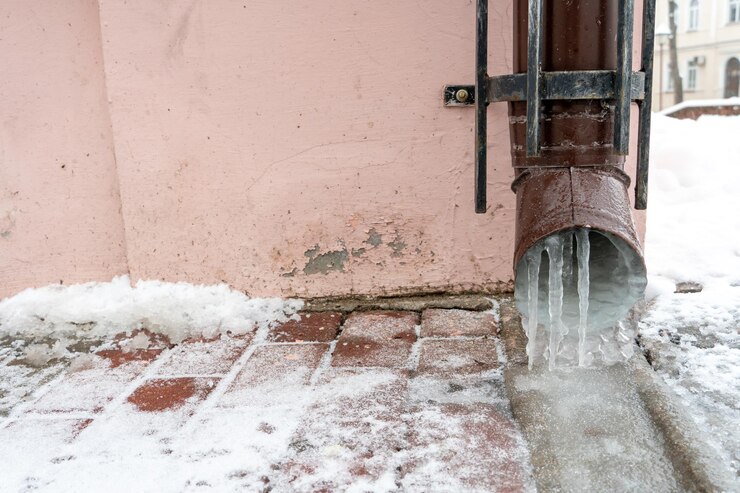
Frozen pipes are a significant concern for homeowners during winter months. As water freezes within the pipes, it expands, potentially causing the pipes to crack or burst. When the ice thaws, water can leak through these compromised areas, leading to severe water damage. To protect your home from this threat, it’s essential to identify vulnerable pipes and take steps to prevent freezing.
Insulate exposed pipes in unheated areas, such as crawl spaces, basements, and garages, using foam insulation or pipe sleeves. During particularly cold nights, let a small trickle of water run from your faucets to reduce pressure buildup within the pipes. Also, maintain a warm indoor temperature and open cabinet doors underneath sinks to allow warm air to circulate around the pipes.
2. Ice Dams: Understanding and Preventing Roof Damage and Water Leaks
Ice dams are another common winter problem that can lead to expensive water damage. These frozen ridges form along the eaves of your roof when snow melts and refreezes, preventing water from draining off. The trapped water can seep under the shingles, causing leaks and damage to your home’s interior and foundation.
To prevent ice dams and the associated water damage, focus on proper insulation and ventilation of your home’s attic. Proper insulation helps keep your attic cool and ensures that snow doesn’t melt too fast. A well-ventilated attic can release excess heat, reducing the risk of ice dams. Additionally, clear your gutters and downspouts before winter hits to allow adequate water drainage, and use a roof rake to remove heavy snow from your rooftop.
3. Basement Flooding: Protecting Your Home’s Lowest Level from Winter Water Damage
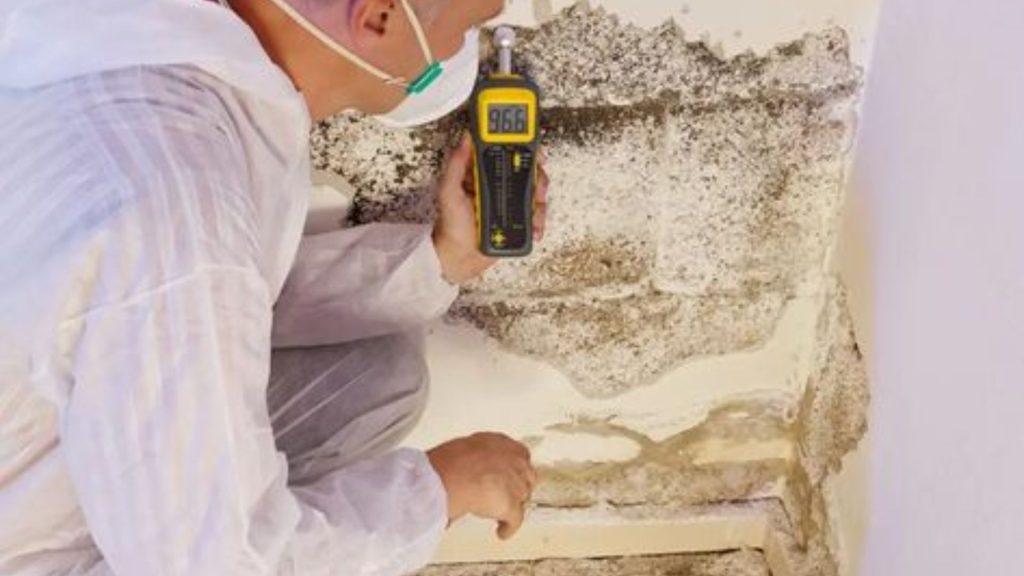
Melting snow and ice during the winter months can present a flooding risk to your home’s basement, causing serious structural damage and the growth of hazardous mold and mildew. To reduce the risk of basement flooding, take preventive measures outside and inside your home.
Start by assessing your property’s grading and landscaping to ensure that water flows away from the foundation. Clear any debris from gutters and downspouts, and consider installing extensions to direct water further away from the home. Inside your home, install a sump pump system to remove excess water from the basement before it causes damage. Periodically inspect your foundation for cracks and seal them properly to prevent water infiltration.
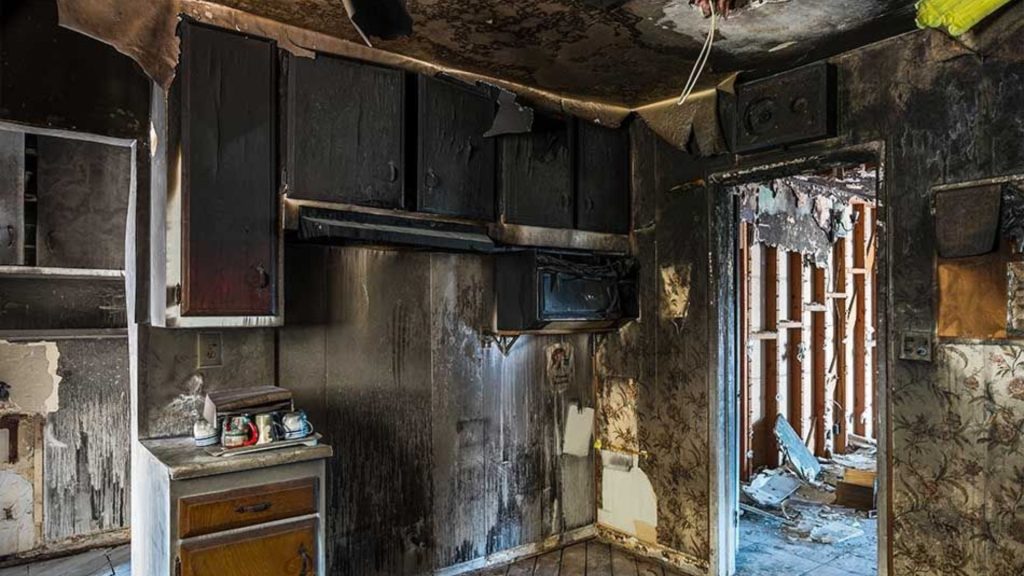
4. Fireplace and Heating Safety: Reducing the Risk of Smoke and Fire Damage
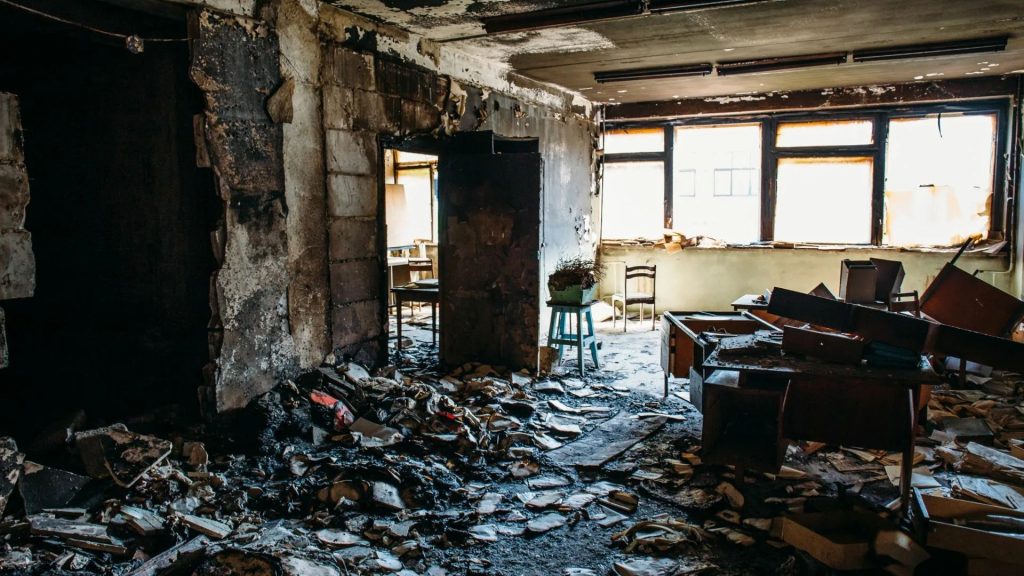
Utilizing a fireplace or other heating sources during winter can improve your home’s comfort but can also increase the risk of fire and smoke damage. To minimize these risks and protect your home, make sure to follow proper safety precautions and maintain heating systems regularly.
Have your fireplace and chimney professionally inspected and cleaned at least once a year to remove creosote buildup and other debris that could ignite. When using a fireplace, always use a glass or metal screen to prevent embers from escaping and clear the surrounding area of any flammable materials. If you have central heating, change the furnace filter regularly and have the system inspected annually by a professional to ensure it’s operating efficiently and safely.
A Proactive Approach to Winter Water Damage Prevention and Restoration
Kansas homeowners can face various challenges during winter months, but staying proactive and prepared can help prevent and address potential water damage. By implementing preventive measures and understanding the risks posed by frozen pipes, ice dams, basement flooding, and heating systems, you can protect your home and maintain a safe, comfortable environment for you and your family.
When faced with winter water damage incidents, relying on a trusted partner like FreshCo is crucial for prompt and efficient cleanup and water damage restoration services. Our team of experts is dedicated to helping you restore your home to its pre-damage condition quickly and thoroughly. Reach out to us today to discuss your winter water damage concerns, and let us help you safeguard your property during this challenging season.