














Wichita homeowners frequently deal with water intrusion that can compromise the structural integrity of their property and lead to expensive repairs. Whether it is a sudden burst pipe during a Kansas deep freeze or flash flooding from a severe thunderstorm rolling across the plains, understanding the source is the first step toward recovery. Addressing these issues immediately is vital to prevent mold growth and long-term foundation issues common in our local soil. If you are currently facing an emergency, the priority is finding professional water damage restoration in wichita ks to mitigate further loss.
What is the most common cause of water damage?
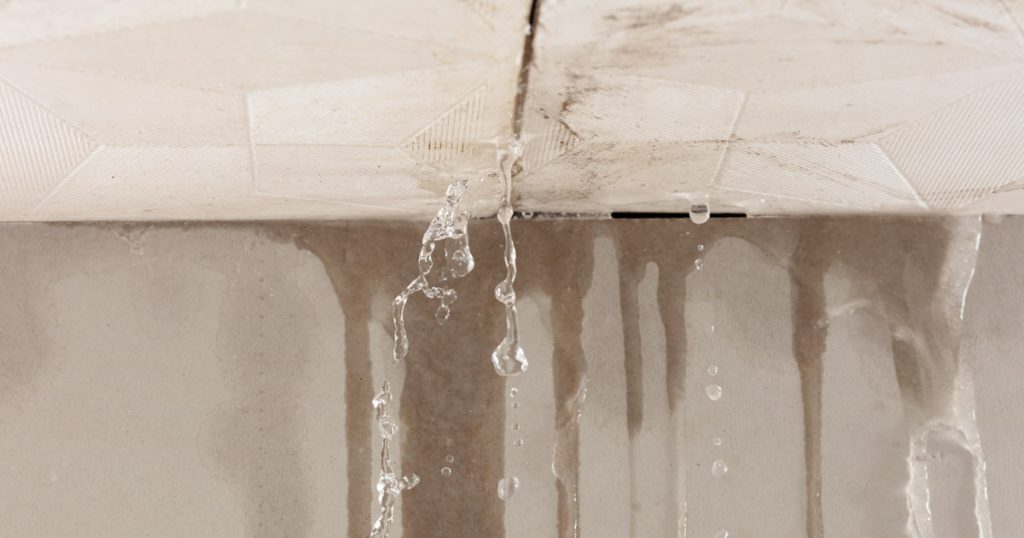
The most common cause of water damage in residential properties is internal plumbing failure, specifically leaking pipes and appliance malfunctions. While outdoor weather events are more dramatic, the slow, silent drip of a supply line behind a wall or a failed water heater causes more cumulative damage to homes annually. These internal leaks often go unnoticed until visible staining appears on ceilings or floors begin to warp.
Common internal sources include:
- Corroded or aged copper and galvanized steel pipes.
- Ruptured washing machine hoses that release hundreds of gallons of water in minutes.
- Faulty water heater tanks that leak from the bottom due to sediment buildup.
- Clogged toilet overflows or backing up sewer lines.
How do Wichita weather patterns impact home water damage?
Wichita experiences a unique climate that places specific stresses on residential structures. From the heavy spring rains to the extreme temperature swings in winter, the exterior environment is a constant threat to your home’s envelope.
Severe Thunderstorms and Flash Flooding
Our location in the heart of the Midwest means we are prone to intense storm systems. Heavy downpours can quickly overwhelm gutters and downspouts, causing water to pool around the foundation. In neighborhoods near the Arkansas River or the Big Slough, rising water levels can lead to significant basement flooding during the wet season.
Frozen Pipes and Winter Thaw
During the winter months, temperatures in Sedgwick County often drop well below freezing. When water freezes inside a pipe, the pressure can cause the metal or plastic to crack. The real damage occurs during the thaw, when the ice melts and water pours into the home’s crawlspace or wall cavities. This cycle is a primary reason residents seek water damage restoration wichita ks during the early months of the year.
Why is basement seepage so common in Kansas?
The clay-heavy soil found throughout much of Wichita and surrounding suburbs like Maize and Derby expands and contracts significantly based on moisture levels. This movement creates hydrostatic pressure against basement walls.
Over time, this pressure causes:
- Small hairline cracks in the foundation blocks or poured concrete.
- Water “weeping” through the floor-wall joint (the cove joint).
- Sump pump failure during heavy rains when the local water table rises rapidly.
Effective drainage is the only way to combat this. Ensuring your gutters are clear and your downspouts extend at least six to ten feet away from your home can significantly reduce the risk of basement seepage.
What role does roof damage play in water intrusion?
The high winds and hail common in the “Tornado Alley” region often compromise roofing materials. Even a single missing shingle can allow water to enter the attic. Once water enters the attic, it can travel along rafters and drip onto insulation, eventually rotting the ceiling drywall below.
You should inspect your roof after any major wind event near landmarks like the Keeper of the Plains or the Delano District. Wind-driven rain can be forced under flashing or into soffit vents that are not properly secured. If you notice damp spots on your upstairs ceiling, a roof leak is the likely culprit.
| Cause of Water Damage | Typical Warning Signs | Common Location in Home |
| Plumbing Leaks | Sudden drop in water pressure, damp cabinets | Kitchens and Bathrooms |
| Roof Failure | Missing shingles, ceiling stains, wet insulation | Attic and Upper Floors |
| Sump Pump Failure | Standing water in basement, loud pump noises | Basements and Crawlspaces |
| Appliance Malfunction | Puddles behind units, moldy smells | Laundry rooms and Kitchens |
| Foundation Seepage | White powdery residue (efflorescence) on walls | Basement Corners |
What are the hidden signs of water damage in your home?
Not all water damage is as obvious as a foot of water in the basement. Often, the signs are subtle and require a keen eye to spot before they turn into a major restoration project.
Pay close attention to these indicators:
- Musty Odors: A persistent earthy or damp smell usually indicates mold growth or trapped moisture behind a surface.
- Peeling Paint: Moisture behind drywall causes the bond between the paint and the surface to fail, leading to bubbling or flaking.
- Soft Floors: If a spot on your hardwood or laminate feels “spongy” or gives under your weight, there is likely subfloor saturation.
- High Water Bills: An unexplained spike in your monthly utility bill often points to a hidden slab leak or a pipe leaking in the crawlspace.
Identifying these early water damage causes Wichita KS can save you thousands of dollars in structural repairs. Professionals can use infrared cameras to detect moisture behind walls without having to tear down drywall.
How can plumbing leaks affect your home’s structure?
Plumbing leaks are particularly dangerous because they can occur in areas that are not easily accessible. A pinhole leak in a copper pipe behind a bathroom vanity can saturate the wall studs and floor joists for months before being discovered.
Wood that remains wet for extended periods begins to lose its load-bearing capacity. This leads to sagging floors and compromised structural integrity. Furthermore, the presence of constant moisture creates a breeding ground for wood-destroying insects and fungal decay.
Homeowners should consider a professional inspection to determine the best path forward. You can easily get a quote for specialized cleaning and moisture assessment to ensure your home remains a safe environment for your family.
Can sewage backups be prevented?
A sewage backup is one of the most hazardous types of water damage because it involves “black water” contaminated with pathogens. In older Wichita neighborhoods like College Hill or Riverside, aging municipal sewer lines or tree root intrusion can cause lines to clog.
To prevent backups:
- Never pour grease or fats down the kitchen sink.
- Avoid flushing anything other than toilet paper.
- Install a backwater valve to prevent city sewer surges from entering your home.
- Schedule annual sewer line inspections if you have large trees near your main line.
What should you do in the first 24 hours of a water loss?
The first 24 hours are critical for “mitigation,” which is the process of preventing further damage. The longer water sits, the deeper it penetrates into porous materials like wood, drywall, and carpet.
Step-by-step immediate actions:
- Stop the Source: If the leak is from a pipe, shut off the main water valve immediately.
- Turn off Electricity: Do not enter a flooded room if the power is still on. Turn off breakers at the main panel.
- Protect Valuables: Move furniture, electronics, and important documents to a dry area.
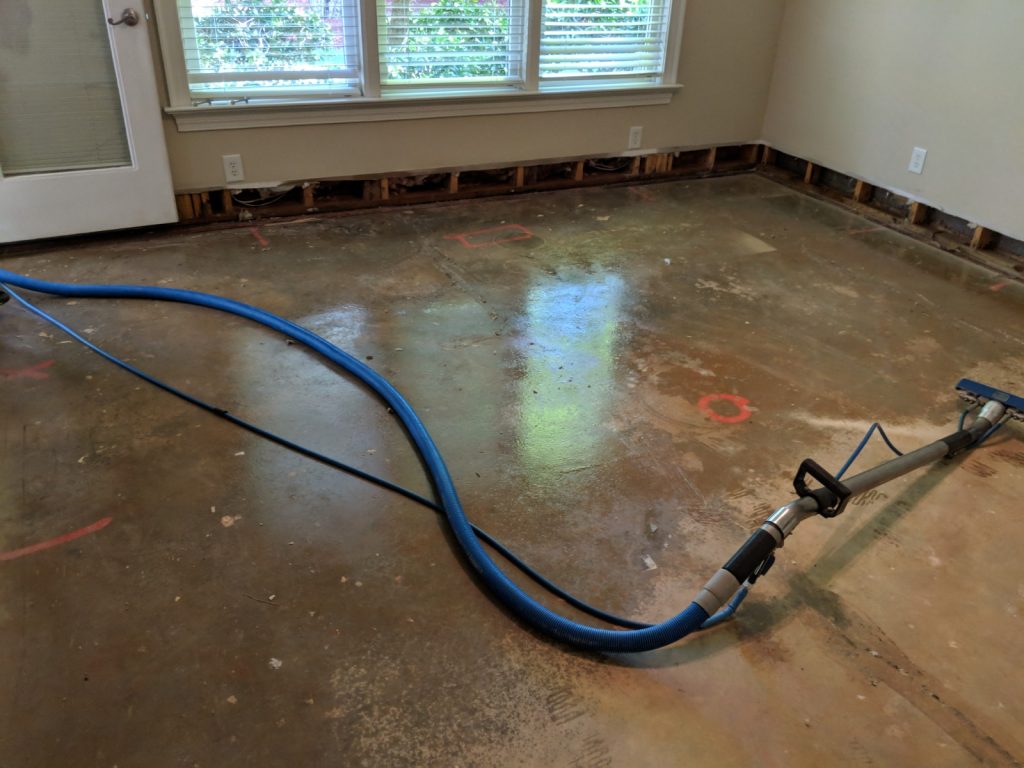
- Extract Standing Water: Use a wet/dry vac if the amount is manageable, but call professionals for large volumes.
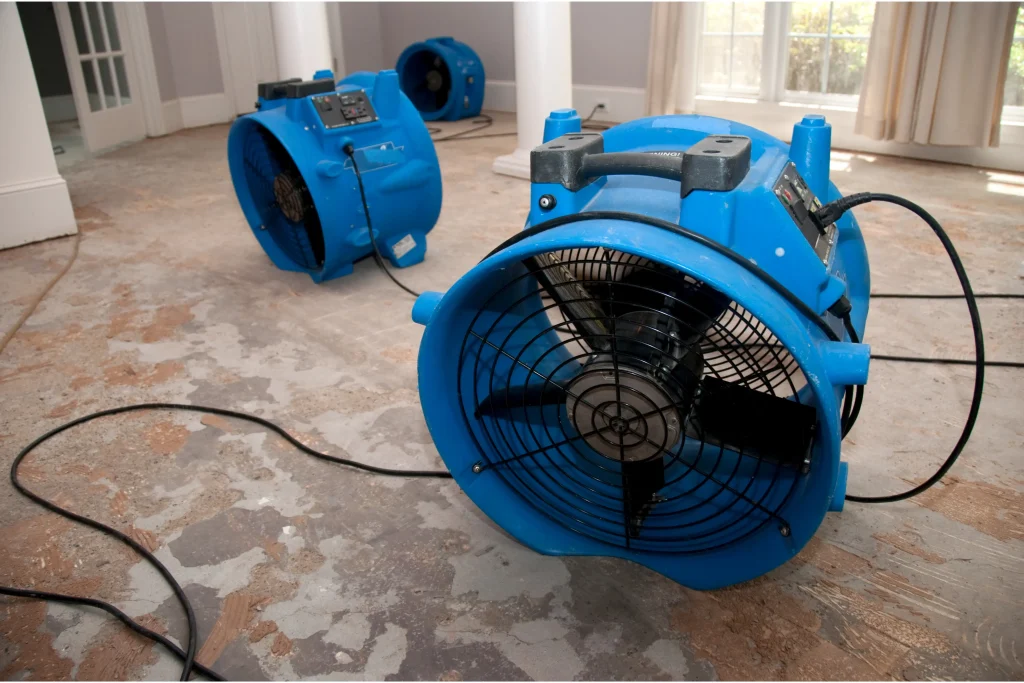
Timing is everything when you need water damage restoration wichita ks services. Professional equipment like industrial air movers and LGR dehumidifiers are necessary to pull moisture out of the air and the building materials.
How does storm flooding impact Wichita neighborhoods?
Local geography plays a massive role in flood risk. While the city has made significant investments in the “Big Ditch” (the Wichita-Valley Center Floodway), heavy localized rain can still overwhelm street drainage. This is especially true in areas with older infrastructure or near the various creeks and tributaries that feed into the Little Arkansas River.
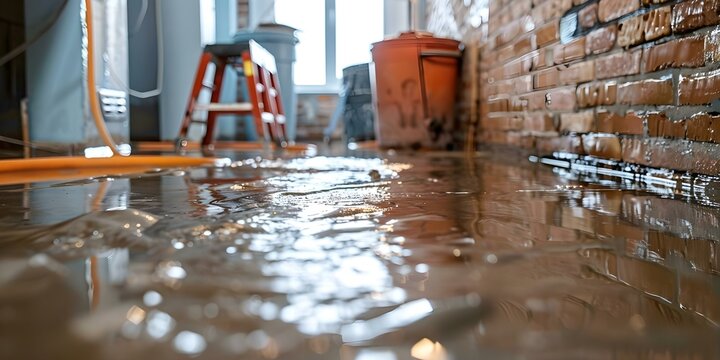
When storm flooding occurs, the water is often contaminated with silt, chemicals, and debris. This requires a different level of sanitation than a simple clean water leak from a pipe. You should always consult with experts who understand the local environmental factors to ensure your property is properly disinfected. To learn about the costs associated with recovery, it is best to get a quote from a local provider who can assess the specific type of water involved in the flood.
Frequently Asked Questions
How much does water damage restoration cost in Wichita?
The cost varies significantly based on the square footage and the “category” of water (clean, gray, or black). A small bathroom leak might cost a few hundred dollars to dry, while a major basement flood can range from $3,000 to $10,000 or more. Contacting a local specialist for an on-site assessment is the only way to get an accurate estimate.
Will my homeowners insurance cover water damage?
Most standard policies cover “sudden and accidental” water damage, such as a burst pipe. However, gradual damage from a long-term leak or outdoor flooding typically requires separate riders or a flood insurance policy through the NFIP. Always check your policy details regarding “sewer backup” endorsements.
How long does it take for mold to grow after a leak?
Mold can begin to colonize on organic materials like drywall paper and wood within 24 to 48 hours of moisture exposure. This is why rapid drying is the most effective way to prevent a secondary mold problem.
Can I dry out a flooded basement myself?
While you can remove the standing water yourself, household fans are rarely powerful enough to dry the structural elements of a basement. Moisture often gets trapped behind baseboards and under flooring, which can lead to rot and mold if not handled with professional-grade dehumidification.
What are the main storm flooding Wichita KS risks?
The main risks involve flash flooding during the spring months when the ground is already saturated. High-density urban areas with lots of concrete can experience rapid runoff that flows toward low-lying residential properties.
Conclusion
Water damage is a complex issue that requires immediate attention and a deep understanding of local Wichita conditions. From the expansive clay soils that threaten our foundations to the unpredictable Kansas weather, homeowners must be vigilant. Whether you are dealing with plumbing leaks Wichita homes commonly face or the aftermath of a major storm, the goal is always to restore safety and comfort to your living space.
Understanding the various water damage causes Wichita KS residents encounter is the first step in protecting your investment. If you find yourself overwhelmed by a leak or flood, it is important to reach out to professionals who can provide a comprehensive plan for recovery. You can get a quote today to start the restoration process and prevent long-term structural issues.
At Freshco, we pride ourselves on being a trusted local service provider for the Wichita community. We understand the unique challenges of our local climate and are dedicated to providing a clear, effective solution to any water-related problem. Our team is here to help you navigate the restoration process with authority and care, ensuring your home is dry, clean, and safe once again.