














After a water-related issue in your home, air quality probably isn’t the first thing on your mind. It’s easy to focus on the visible damage, like wet floors, soaked furniture, or water stains on ceilings and walls. But what you can’t see can sometimes be what matters most.
In places like Maize, where humidity can rise quickly during Kansas summers, your home can quietly gather mold spores and other harmful particles long after the water is cleaned up. Breathing that in every day might feel normal, but it could have long-term effects.
Poor indoor air quality doesn’t just leave your house feeling damp or smelling musty—it can actually pose health problems. Air quality testing helps you discover what’s really floating around inside your home.
Without it, you might miss hidden mold or other substances that can worsen allergies or trigger other health concerns. It doesn’t take much for mold to spread, and the longer it lingers undetected, the harder it is to get rid of. That’s why testing the air is a smart choice for Maize homeowners recovering from water damage.
The Importance Of Mold Testing
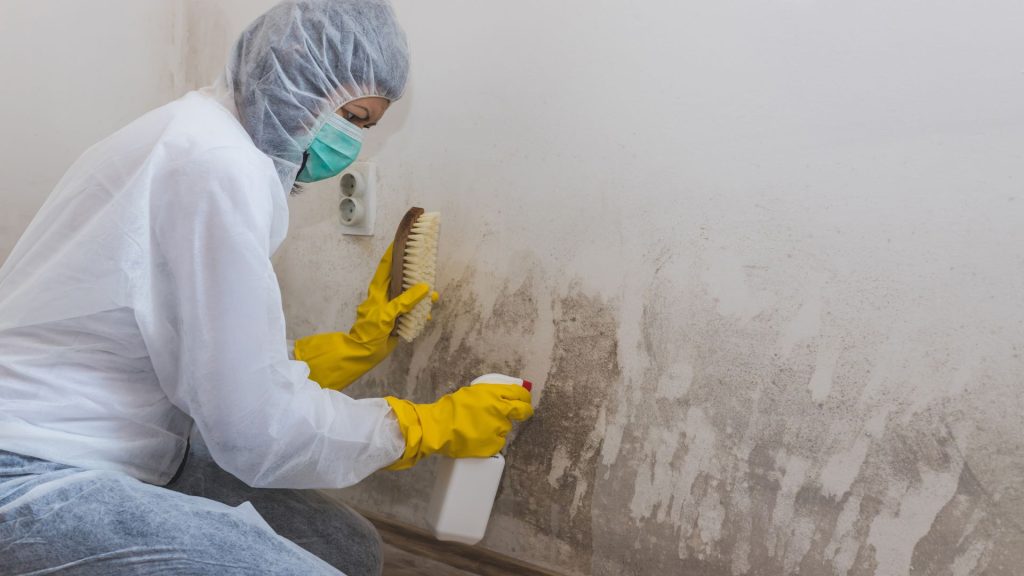
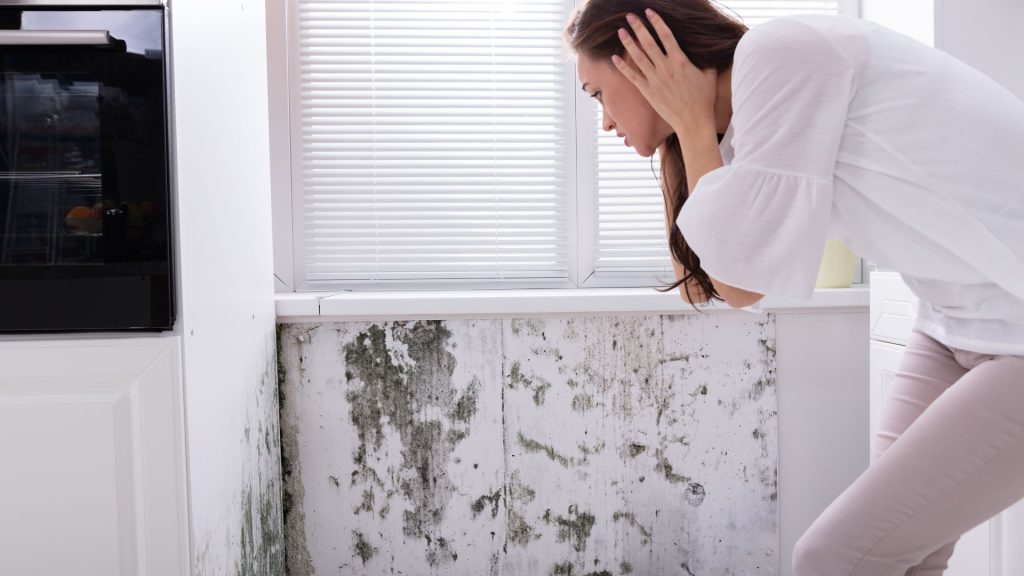
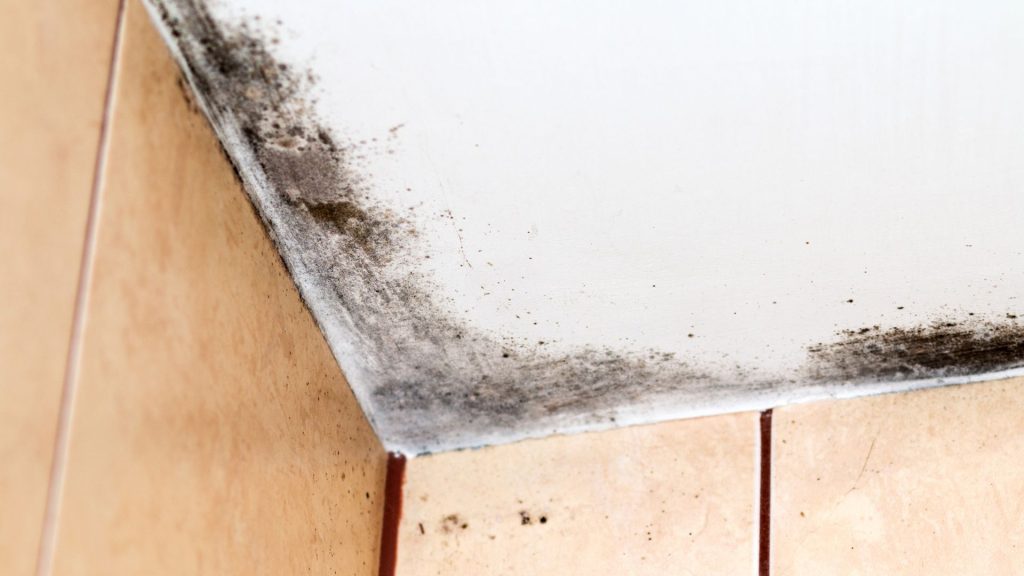
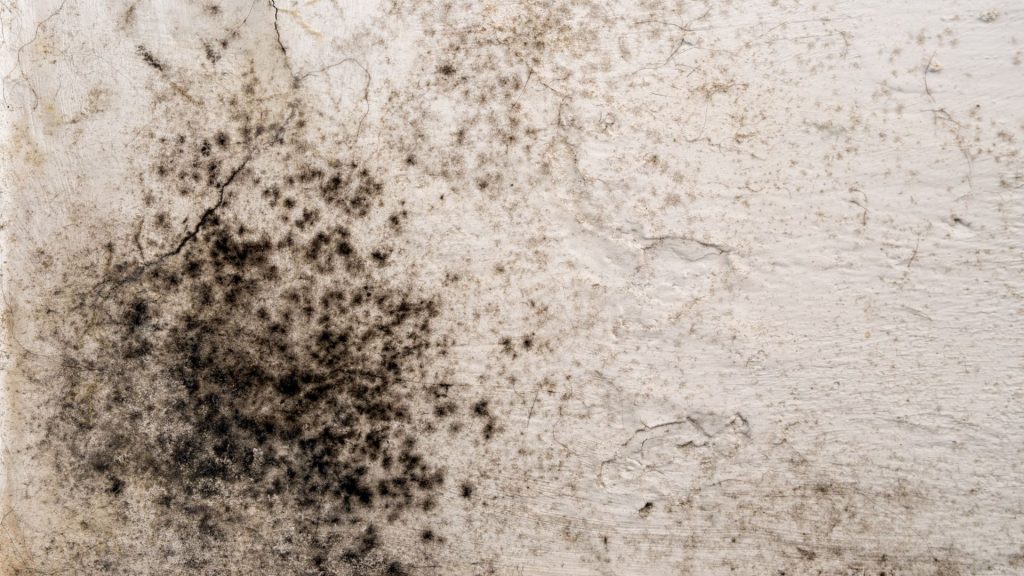
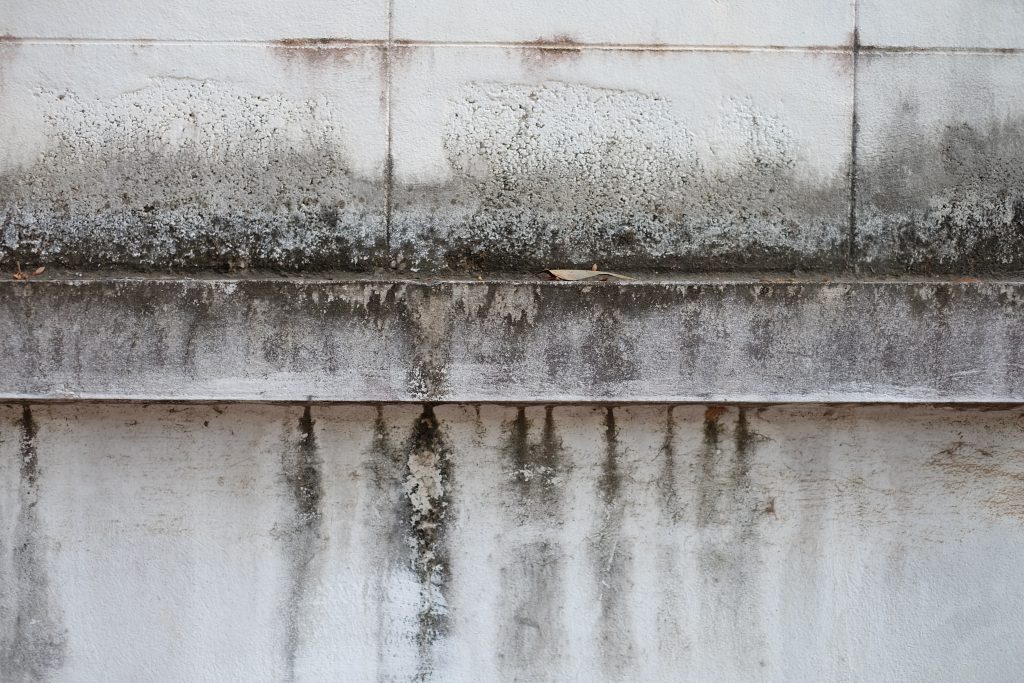
Water damage doesn’t always stop at what you can see. Behind the soaked carpet or warped drywall, mold starts to grow. But it doesn’t always make a dramatic appearance. You might not spot it until it’s already become a problem. That’s where mold testing becomes important—it reveals problem areas early on.
In homes across Maize, mold finds its way into basements, attics, and other poorly ventilated spaces especially after a leak or flood. It thrives in places with excess moisture, like behind walls or under flooring.
Some molds are more aggressive than others, but even the mild types can affect how you breathe, sleep, and feel day to day. If ignored, even small amounts of hidden mold can have a big impact on your family’s health.
Think of mold testing as a way to get answers before symptoms appear. You wouldn’t drive your car without checking under the hood now and then, and your home’s air deserves the same level of care.
When Kansas summer heat kicks in and humidity climbs, conditions become even more favorable for mold growth. If your home has been exposed to water recently—even weeks ago—getting your indoor air tested could catch issues before they spread further and become more difficult and expensive to fix.
The Air Quality Testing Process
Air quality testing might sound complicated, but the process is pretty straightforward when handled by trained professionals. After water damage, it’s not just about checking for mold. The air might contain tiny contaminants from bacteria to dust particles that can affect how safe your indoor environment really is.
Here’s how the process typically works:
1. Initial inspection: A technician will investigate areas where moisture probably lingers. These include walls, ceilings, floors, and even inside HVAC vents.
2. Air sample collection: Air is pulled through special filters to see what’s circulating inside your home. These samples are taken from different areas to compare results.
3. Surface testing: Technicians may take swabs from visible moldy spots or surfaces showing signs of damage for testing.
4. Lab analysis: Samples go to a certified lab to identify the exact types and levels of contaminants found.
5. Detailed report: You receive results along with expert recommendations on how to treat the issues if anything harmful is found.
Every home is different. Older construction, foundation layouts, or how long the water damage was left untreated will all play a role in what gets discovered. But across the board, the testing process provides a full snapshot of current conditions. Knowing this helps put a clear plan in place so the air inside your Maize home is restored to a safer standard.
Preparing Your Home for Testing
To help air quality testing go smoothly and deliver clear results, a bit of prep work can make a big difference. Simple steps before your appointment can help the technician do a more thorough job and lead to more accurate findings.
Here are a few helpful things to do before testing day:
– Ventilate rooms: Air out your home by opening windows and doors a few hours before your appointment. This ensures stale or strong odors don’t interfere with readings.
– Avoid chemicals: Pause using air fresheners, strong cleaners, or scented sprays for at least a day before. These can affect the samples taken during testing.
– Clean the areas to be tested: Remove clutter from walls and floors to help the technician access corners and surfaces.
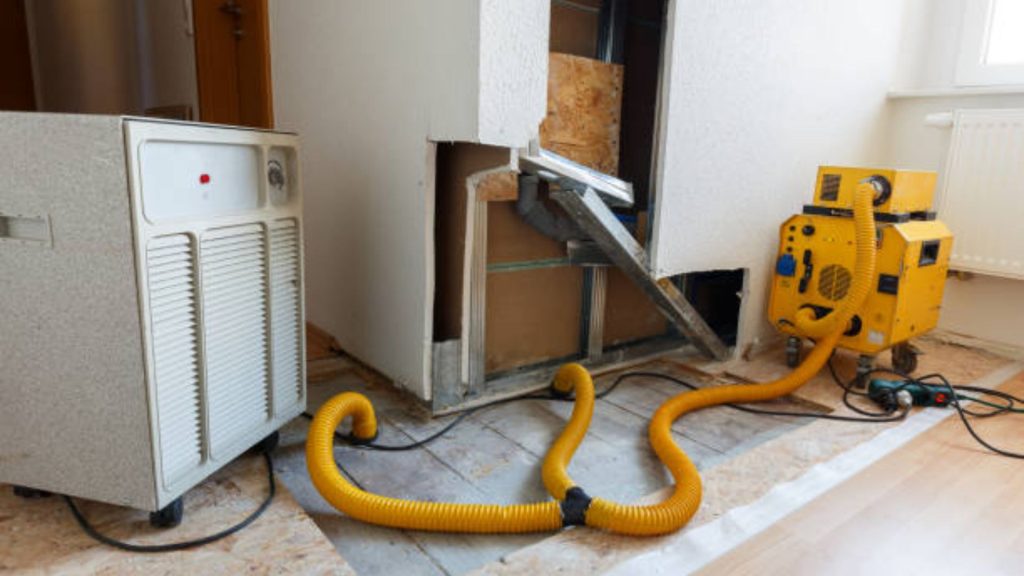
– Dry out damp zones: If you still have areas with lingering moisture, set up fans or use a dehumidifier to try to bring those levels down beforehand.
– Keep moldy spaces isolated: If you’ve noticed visible mold in a certain room, keep that area closed off to prevent spores from spreading.
– Make a list of concerns: If there are specific areas that smell odd or seem affected, jot these down and share them during the inspection.
Giving the technician access to crawl spaces, attics, and other hard-to-reach areas can make a big difference. These overlooked places are often where moisture quietly builds up and where hidden mold tends to grow. A prepared home leads to a more reliable assessment.
Long-term Benefits of Air Quality Testing
Getting your air tested once can help fix an immediate concern—but doing it regularly gives your whole household lasting benefits. These checks act like a regular health visit for your home, giving you confidence that hidden risks haven’t gotten out of hand.
Here’s why routine air quality checks are worth adding to your long-term home care plan:
1. Protects your family’s health: Problems like headaches, coughing, or breathing issues sometimes trace back to poor air. Testing helps catch sources like mold before they affect your loved ones.
2. Maintains property value: A mold-free, odor-free home supports better resale value and avoids the costs of large-scale repairs from damages that get worse over time.
3. Prevents future problems: When issues are caught early, you avoid mold spreading to new places. Proactive testing saves time and money later.
Mold growth isn’t always obvious. Regular checks help keep things under control, especially after past water damage. They’re a practical part of responsible home ownership. It takes far less effort to schedule periodic air testing than it does to deal with a full-blown cleanup project down the road.
Keeping Air Safer in Your Maize Home
There’s a lot that can go unnoticed after water damage, especially when it comes to indoor air. Mold and tiny particles don’t always show themselves until they’ve already made an impact. Testing helps uncover what’s going on right now, and gives you control to fix problems early.
Healthy air inside your home makes a difference daily. It helps kids sleep better, pets stay more comfortable, and common symptoms like sneezing or stuffiness become less of a concern. Prevention plays a big part too. While the initial recovery from water damage is important, what you do afterwards helps you stay ahead of future risks.
Peace of mind comes from knowing that your home’s air is clear. If you live in Maize and have had to deal with any kind of water damage, whether recent or in the past, don’t wait until mold changes how your home feels. Taking action with proper air quality testing helps you stay safe and keeps your indoor environment fresh and comfortable all year long.
Ensure your Maize home stays safe and your air remains clean after water damage by addressing potential mold issues early. Trust FreshCo’s team of mold removal professionals to conduct thorough air quality testing and implement effective solutions. Protecting your indoor environment now means a healthier, more comfortable space for you and your family in the future.