














Summer weather brings more than just heat, it brings storms, humidity, and plumbing stress that can lead to unexpected water damage. Knowing what to watch for and how to respond can help homeowners limit damage before it turns into a bigger, costlier problem.
Many homeowners don’t think about water damage until it’s already happening, which often means losing valuable time in those critical first hours. Small preventive habits, paired with knowing the warning signs, can be the difference between a quick fix and a full restoration project. Here’s what to know heading into the season.
Why Summer Brings More Water Damage
Summer storms tend to be more intense than other seasons, dropping heavy rain in short bursts that overwhelm gutters, roofing, and drainage systems. Rising temperatures also put extra strain on plumbing, appliances, and irrigation systems, making pipe failures and equipment breakdowns more common.
Humidity adds another factor, since excess moisture in the air can accelerate existing leaks and make it harder for damp areas to dry out naturally. When storm activity, heat-related plumbing stress, and humidity overlap, water damage risks climb noticeably during the summer months.
Water Damage Restoration Tips
A few preventive habits can go a long way toward avoiding water damage restoration in the first place. Here’s where to focus.
1. Inspect Roofing
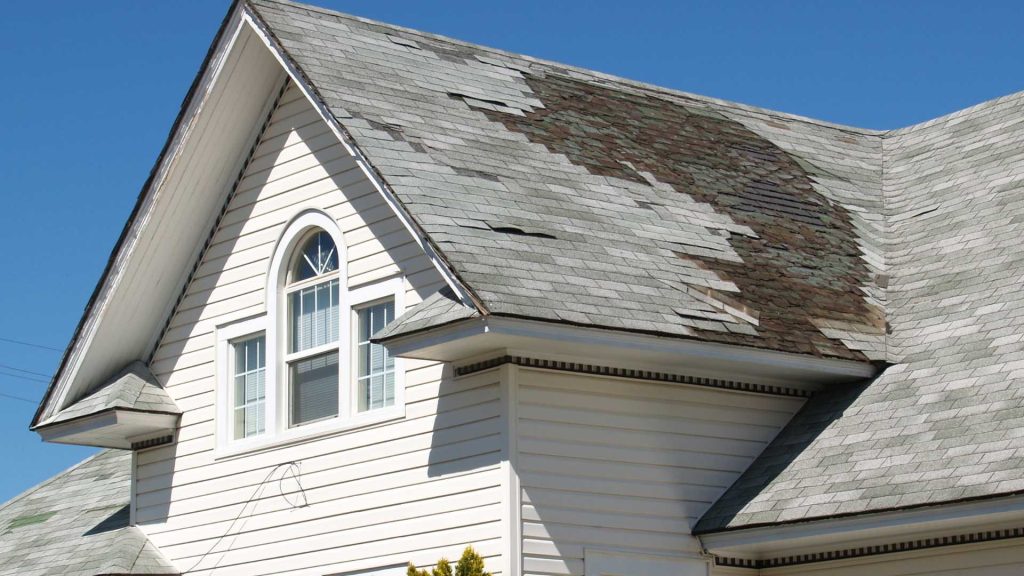
Summer storms with high winds and hail can loosen or damage shingles in ways that aren’t always obvious from the ground. A seasonal roof inspection can catch small issues, like lifted shingles or worn flashing, before they turn into leaks during the next heavy storm.
2. Clean Gutters
Clogged gutters can’t direct water away from the roof and foundation the way they’re designed to, causing overflow that leads to leaks and foundation moisture. Clearing debris regularly, especially after storms, keeps water moving where it’s supposed to go instead of pooling near the home.
3. Check Plumbing
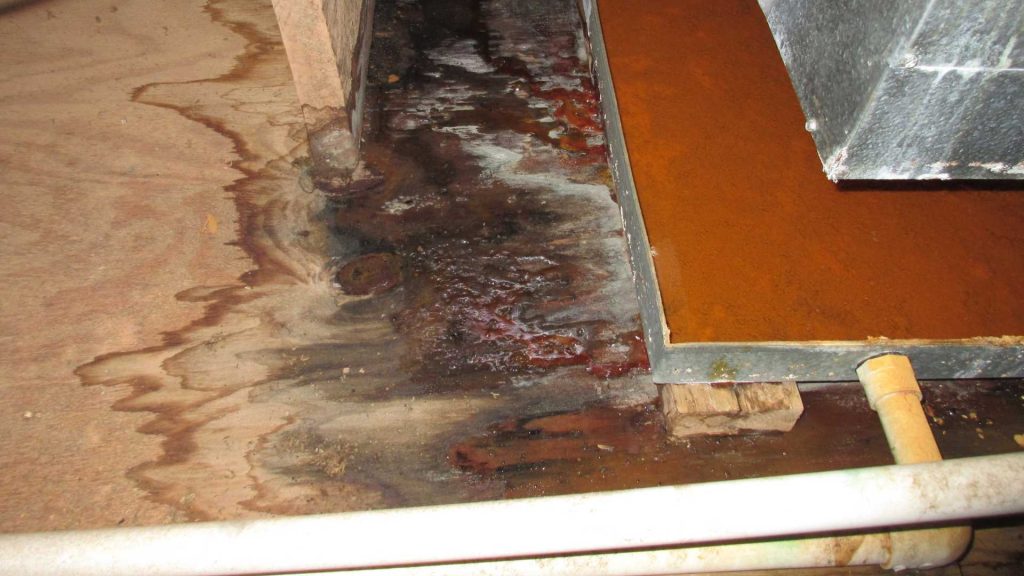
Summer heat puts extra stress on pipes, water heaters, and appliances, making leaks and failures more likely during the hottest months. A quick check of visible pipes, connections, and appliance hoses for wear or corrosion can catch a problem before it becomes a flood.
4. Dry Wet Areas Quickly
Any damp area, whether from a leak, spill, or humidity buildup, should be dried as soon as it’s noticed. Materials left wet for more than a day or two become significantly harder to fully dry, increasing the risk of mold and structural damage.
When to Call a Restoration Company
Some water damage situations require professional restoration to prevent further damage and protect your home. If you notice any of the following signs, it’s best to contact a restoration company as soon as possible.
- Standing Water: Water from flooding, burst pipes, or overflowing appliances should be removed immediately to prevent further damage and reduce the risk of mold growth.
- Persistent Musty Odors: A lingering musty smell after cleaning often indicates hidden moisture behind walls, under flooring, or in other concealed areas that require professional detection.
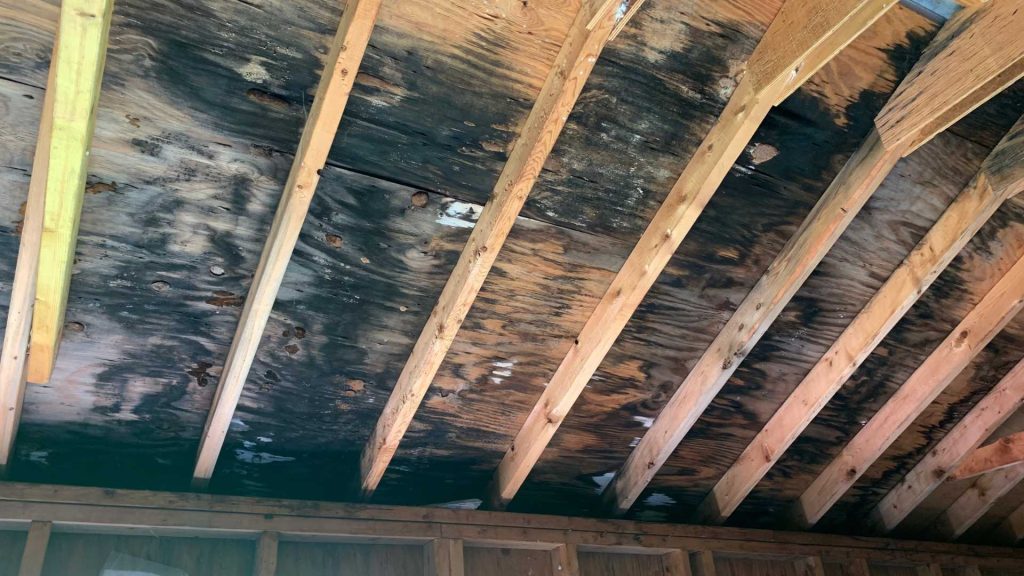
- Visible Mold Growth – Mold on walls, ceilings, or other surfaces is a sign that excess moisture has been present long enough for mold to develop and spread.
- Recurring Water Stains or Warped Materials – Water stains that keep returning, along with warped floors, bubbling paint, or damaged walls, often indicate hidden moisture that requires professional restoration.
How Professionals Restore Water-Damaged Homes
Professional water damage restoration follows a structured process built to address both visible and hidden damage:
- Assessing the property to determine the source and extent of water intrusion
- Extracting standing water using pumps and industrial vacuums
- Removing materials that can’t be salvaged, like soaked carpet padding or drywall
- Drying the space thoroughly with commercial-grade air movers and dehumidifiers
- Monitoring moisture levels in walls, floors, and other hidden areas
- Disinfecting affected surfaces to prevent bacteria and mold growth
Each step depends on the one before it, which is why skipping ahead, like drying before removing damaged materials, often leads to problems resurfacing later.
FAQs
Water damage restoration comes with plenty of questions, especially for homeowners going through it for the first time. Here’s what comes up most often.
How quickly should water damage restoration start? As soon as possible, ideally within the first 24 to 48 hours. Early action significantly reduces how much material ends up needing full replacement.
Can I handle minor water damage myself? Small, contained spills can often be managed with prompt drying, but anything involving standing water, contamination, or hidden moisture is best left to professionals.
Does homeowners insurance cover water damage restoration? It depends on the cause. Sudden events like burst pipes are typically covered, while gradual leaks or flood-related damage may fall under different policy terms.
How long does water damage restoration take? Extraction and initial drying are often completed within a day or two, but full restoration timelines depend on how much material needs replacing.
What happens if water damage isn’t addressed quickly? Delayed restoration increases the risk of mold growth, structural weakening, and lingering odors that can require far more extensive repairs later.
Schedule Water Damage Restoration Today
Water damage doesn’t pause while homeowners decide what to do next. Every hour it’s left unaddressed, moisture spreads further into flooring, walls, and belongings, turning a manageable situation into a much bigger repair with a much bigger price tag.
FreshCo Cleaners is ready to assess the damage, extract water, and restore your property with the experience and equipment needed to get it done right the first time, without cutting corners that lead to problems later.
Contact FreshCo Cleaners today to schedule water damage restoration and protect your home before the damage has a chance to spread any further.