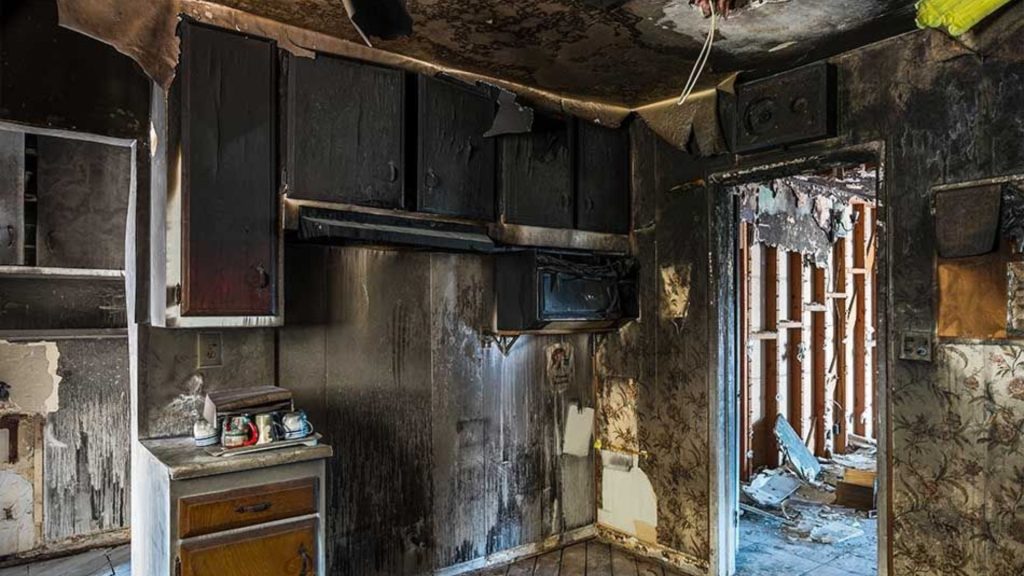















Older homes carry a unique charm through their craftsmanship, hardwood floors, and vintage architectural details. Yet, lurking behind that period character, they may hide hazardous minerals that were once celebrated for their durability and fire resistance. Among these, asbestos remains the most infamous. Asbestos Removal Services play a critical role in surveying, diagnosing, and safely mitigating these risks, ensuring that families can enjoy their historic residences without fear of hidden danger.
A homeowner who suspects that their 1950s bungalow or 1970s ranch may contain asbestos can benefit from understanding how it was used and why it remains a concern decades later. The first step always involves awareness: knowing where asbestos was commonly applied and recognizing the subtle clues it leaves behind. Only by connecting these clues can homeowners take decisive steps toward remediation.
Engaging professionals experienced in environmental hazards brings peace of mind and a structured approach to abatement. From initial inspection and sampling to encapsulation or full removal, the process requires trained technicians who follow regulatory protocols. With Asbestos Removal Services available in major metros and suburbs alike, older home preservation doesn’t have to come at the cost of health or safety.
Do older homes contain asbestos materials?
Homes built before the 1980s often feature building products manufactured when asbestos was still a standard additive. In the mid-20th century, contractors prized asbestos for its tensile strength, thermal insulation, and fireproofing properties. As a result, it found its way into a vast array of common home components—from insulation batts tucked behind walls to vinyl floor tiles under linoleum overlays.
Even without visible signs of wear, these materials may harbor microscopic fibers mixed into cement sheets, stucco siding, or ceiling textures. While intact asbestos poses minimal risk, any sanding, cutting, or drilling can release harmful fibers. In older homes, everyday repairs or DIY renovations may inadvertently disturb these materials, putting residents at risk of inhalation.
Interior applications went far beyond insulation. Asbestos was used in popcorn ceilings, textured paints, boiler pipe wraps, and even adhesives for wall coverings. Poor maintenance, water damage, or pest control activities can weaken these materials over time, transforming them into friable hazards. In short, the mere age of a home warrants a closer look whenever modifications are planned.
Awareness campaigns, building code updates, and health advisories all emphasize that while asbestos is no longer used in new residential construction, its legacy lingers in countless houses. Recognizing its widespread historical presence is vital for anyone who values both preservation and safety in older properties.
Is asbestos a serious problem in residential properties?
When contained and undisturbed, asbestos materials can remain stable for decades without releasing fibers. However, once compromised—through renovation, natural aging, or accidental damage—they may release invisible particles into the air. Inhalation of these fibers is linked to serious health conditions such as asbestosis, lung cancer, and mesothelioma, a rare but aggressive cancer affecting the lung lining.
Regulatory bodies like the Environmental Protection Agency (EPA) and Occupational Safety and Health Administration (OSHA) maintain strict guidelines to minimize exposure. The EPA’s AHERA (Asbestos Hazard Emergency Response Act) outlines procedures for safe handling in schools and public buildings, while NESHAP (National Emission Standards for Hazardous Air Pollutants) governs demolition and renovation in residential structures. Adherence to these standards dramatically reduces risks.
Homeowners who underestimate the hazard often find themselves facing costly medical bills, legal liabilities, and extensive remediation later on. Insurance policies and local ordinances increasingly require proof of professional asbestos surveys before major home renovations or real estate transactions. This reflects a broader recognition that uncontrolled asbestos exposure isn’t just a theoretical concern—it’s a documented health crisis.
By taking asbestos seriously and investing in controlled abatement, families protect both their current well-being and the property’s long-term value. Proactive testing and mitigation limit airborne fibers, safeguard indoor air quality, and ensure compliance with evolving regulations.
Where can asbestos be found in older homes?
Inspectors routinely find asbestos in three main categories of residential materials: thermal insulation, structural products, and decorative finishes. Thermal uses include pipe wraps around hot water heaters, boiler insulation, and HVAC duct linings. These applications often employed asbestos blankets or paper tapes that can degrade over time, exposing inner layers to disturbance.
Structural materials may contain cement compounds reinforced with chrysotile fibers. Asbestos cement sheets were common for roofing panels, siding shingles, and garage facades. Although visually indistinguishable from non-asbestos alternatives, these panels become hazardous when sawed or drilled. Many vintage fence posts and garden planters also feature these cement mixtures.
Decorative finishes such as popcorn ceilings, stucco wall sprays, and textured paints incorporated asbestos for bulk and adhesion. Removal of old ceiling coatings with power sanders or pressure washers routinely leads to fiber release. Even joint compounds and floor adhesives may hide microscopic fibers blended into plaster or tile backing.
Secondary applications appear in household items like iron-on stove pads, fireproof gloves, and some oven mitts. Automotive garages attached to homes might store brake pads or clutch linings containing asbestos. Awareness of these hidden reservoirs helps homeowners develop a comprehensive picture before scheduling remedial work.
What are the warning signs of asbestos in older homes?
Recognizing possible asbestos hazards begins with visual inspection and historical research. Yellowed insulation wraps around pipes that flake under light pressure, brittle cement panels with hairline cracks, or ceiling textures that crumble at the touch all suggest friable asbestos. Discolored, dusty residue near boiler rooms or attic spaces can also indicate deteriorating wraps.
Audible clues emerge when sanding wall patches or drilling nail holes in plaster; a fine white dust that resists clean-up hints at microscopic fibers. Homeowners who observe such persistent dust clouds should immediately cease work and seal off the area. Even sweeping can agitate settled fibers, so minimal disturbance and controlled cleaning using HEPA-filtered vacuums are crucial.
Environmental indicators include poor indoor air quality, unexplained respiratory irritation, or a persistent chalky odor after renovations. Professional airborne testing remains the only conclusive method, but homeowners can spot red flags by paying attention to unusual dust, debris staining, or wall cavities that appear to contain fibrous clusters.
Historical documentation offers further insights. Old blueprints, building permits, or remodeling records that reference “insulation blanket,” “fireproof wrap,” or “cement board” warrant a follow-up survey. In many municipalities, local building departments keep archives of materials used during various construction booms.
When to schedule professional Asbestos Removal Services
Asbestos Removal Services become essential whenever a homeowner plans renovation, demolition, or major repairs in an older structure. Even seemingly minor projects—like replacing floor tiles, repointing brickwork, or installing new windows—can inadvertently breach underlying asbestos products. Scheduling a certified surveyor before any disruptive work helps prevent accidental fiber release.
Asbestos Removal Services assess the presence, type, and condition of suspect materials through non-destructive testing and laboratory analysis. Technicians follow established sampling protocols using glove-bag methods or bulk sampling, then submit specimens to accredited labs. Armed with detailed laboratory reports, homeowners can make informed decisions about encapsulation versus full removal.
Complex projects call for full-scale abatement, which includes containment, negative-pressure enclosures, decontamination units, and meticulously planned waste disposal under NESHAP guidelines. Licensed contractors typically handle project management, obtaining permits, coordinating with local regulators, and ensuring that air-monitoring meets or exceeds OSHA and EPA standards. This level of preparation and oversight exceeds DIY capabilities.
For routine maintenance or minor damage, encapsulation or enclosure by trained technicians can halt fiber liberation without uprooting entire assemblies. Yet even these seemingly simple fixes require specialized sealants, protective gear, and disposal protocols. Attempting such work without professional support risks greater exposure and potential legal penalties.
In many neighborhoods and homeowner associations, proof of professional abatement has become a prerequisite for property resale. Buyers and insurers now include asbestos survey reports in transaction documents, reflecting the widespread expectation that accredited Asbestos Removal Services safeguard both occupant health and long-term asset value.
Asbestos inspection tips
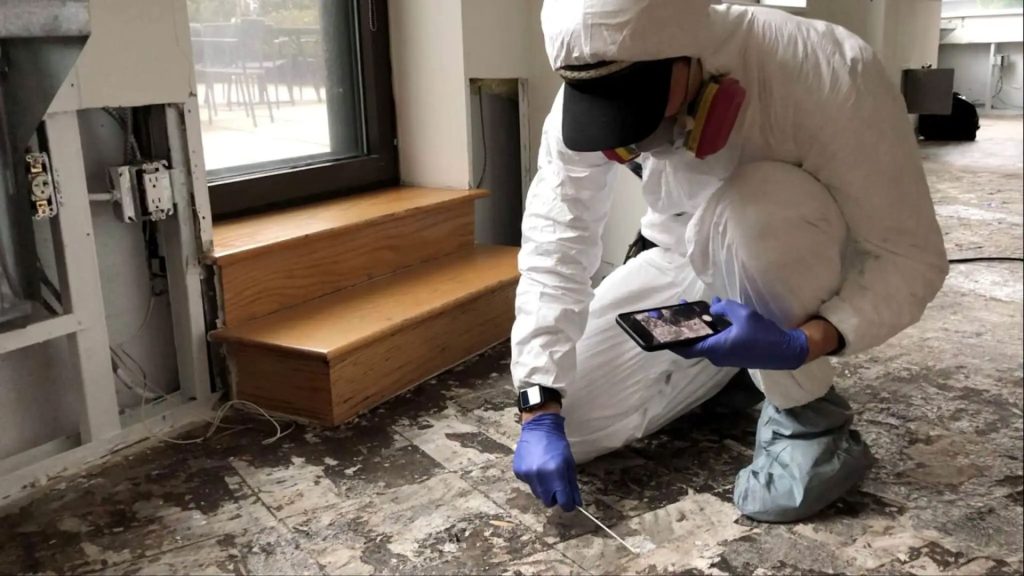
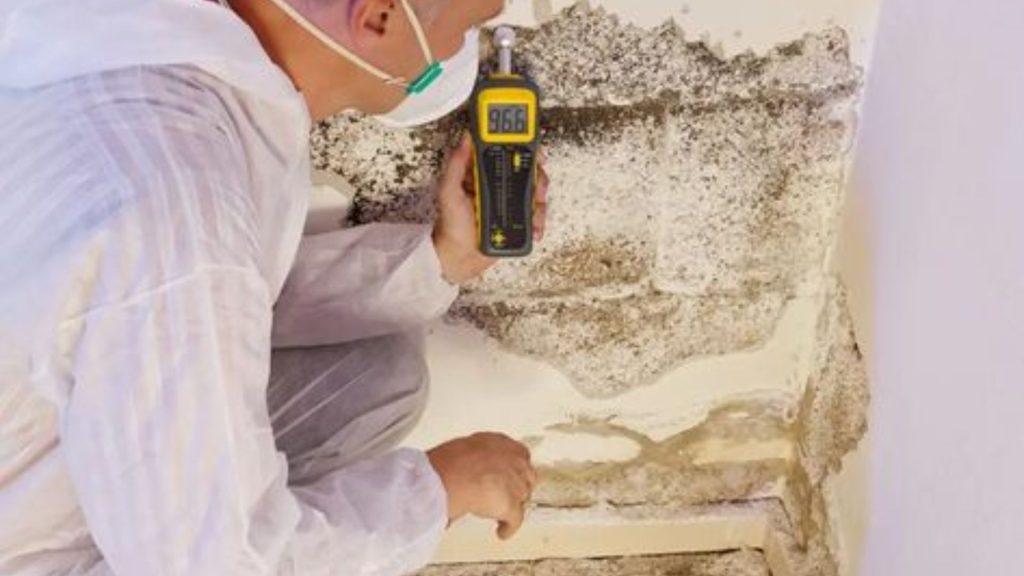
A thorough inspection begins at the foundation and extends to the rooftop, attic, and utility spaces. Inspectors use combination mirrors, flashlights, and moisture meters to locate suspect materials concealed behind drywall or wrapped around plumbing. They also review HVAC ducts and electrical conduit pathways, where loose-fill insulation might harbor loose asbestos fibers.
Homeowners can compile a preliminary inventory by noting areas with textured coatings, boiler chambers, or dated vinyl floor tiles. Photographing suspect zones and creating a simple floor plan helps professionals target sampling locations. Even if the survey covers limited areas, an organized map ensures comprehensive coverage and efficient testing.
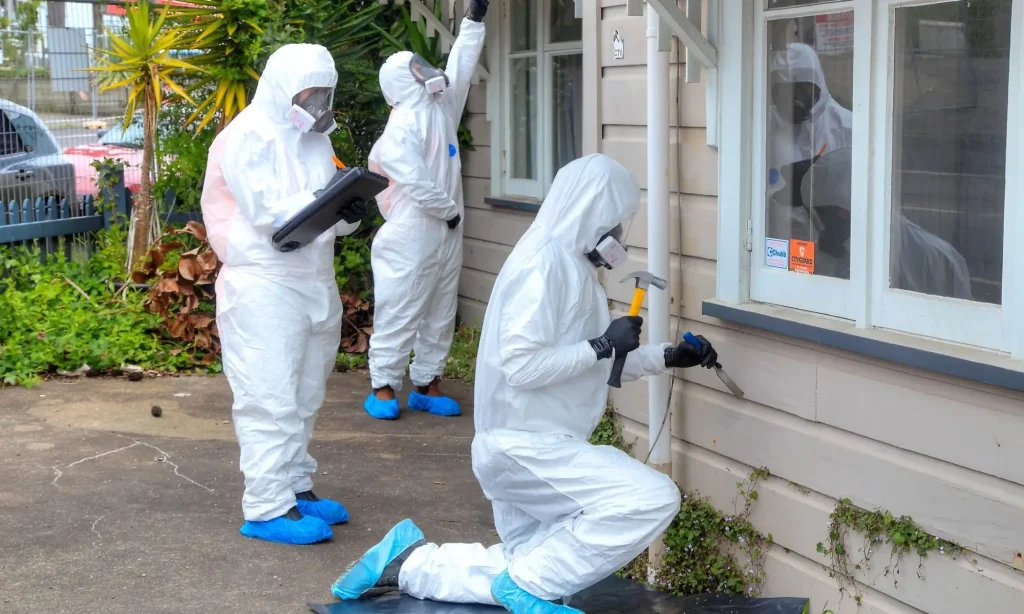
During on-site visits, wear protective clothing—disposable overalls, N95 or P100 respirators, and latex gloves—and avoid disturbing materials. Move with care, refrain from sweeping, and prevent cross-contamination by using boot covers or designated footwear. The goal is to support the inspector without adding to the fiber load in the home.
Post-inspection, request a detailed report that includes the chain of custody for each sample, laboratory findings, risk ratings, and recommended actions. Look for preparation of an AHERA-style management plan if ongoing monitoring is needed. This living document guides future maintenance and ensures that any damaged materials are promptly addressed.
How to assess risk and plan removal
Risk assessment hinges on the type of asbestos and the condition of the material. Friable forms—like blown-in attic insulation, pipe lagging, or loose-fill products—pose the highest danger, as they crumble under slight pressure and release vast quantities of fibers. Non-friable forms, such as vinyl floor tiles or cement board, often remain stable unless mechanically disturbed.
The homeowner and contractor collaborate to classify each material by risk level: high (immediate removal), medium (scheduled removal or encapsulation), or low (monitor and maintain). Factors include proximity to living areas, likelihood of disturbance, and historical performance of protective coatings or encapsulants. This triage ensures that abatement budgets focus on the most hazardous zones first.
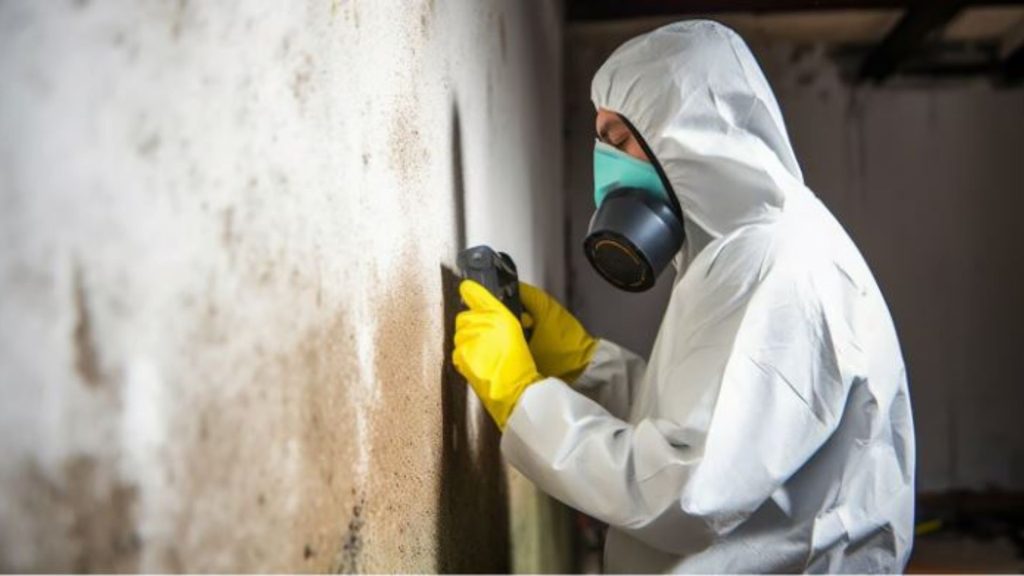
Safety planning involves establishing containment zones using plastic sheeting, negative-pressure units, and airlocks. Workers wear full protective gear, including full-face respirators, disposable suits, and gloves. Supervision by a competent air-monitoring technician ensures that filter integrity and ambient air readings remain within regulatory thresholds throughout the project.
Detailed cost estimates break down labor, equipment rental, hazardous waste disposal, and permit fees. Transparent budgeting helps homeowners avoid unexpected charges and aligns expectations. Whether performing a small patch repair or a multi-week abatement, every phase should include documented sign-offs, from pre-removal air clearances to final visual inspections.
| Material Type | Common Locations | Risk Level | Recommended Action |
|---|---|---|---|
| Blown-in insulation | Attics, crawlspaces | High | Full removal by contractor |
| Vinyl floor tiles | Kitchens, hallways, basements | Medium | Encapsulation or removal |
| Popcorn ceilings | Living rooms, bedrooms | High | Wet removal and disposal |
| Cement siding shingles | Exterior walls, garages | Low | Monitor, maintain sealants |
| Pipe wrap insulation | Boiler rooms, HVAC ducts, utility closets | High | Abatement with negative pressure |
How to choose a qualified asbestos removal service
Selecting the right contractor involves verifying credentials, licenses, and insurance coverage. Look for contractors accredited by state environmental agencies or certified by the National Institute of Environmental Health Sciences (NIEHS). They should carry both general liability and pollution liability policies specifically covering asbestos abatement.
Request references from similar projects, ideally in homes of comparable age and size. Ask about project timelines, adherence to budget, and the thoroughness of final air-clearance reports. Satisfied homeowners often point to punctual site setup, clear communication, and a meticulous approach to cleaning as indicators of professionalism.
Verify that the contractor’s project manager conducts daily site walkthroughs and produces logs documenting temperature, humidity, and negative-pressure unit performance. Insist on seeing maintenance records for HEPA filters and witness chain-of-custody forms for waste transport. Such transparency signals the difference between a “good” job and a “fully compliant” one.
When bids come in, compare not only price but scope of work. A low estimate might omit critical tasks like final air clearance sampling or waste manifest documentation. Comprehensive proposals that align with EPA NESHAP and OSHA requirements ultimately deliver better health outcomes and protect homeowners from potential fines.
Steps to take after removal
Once abatement is complete and a third-party air-monitoring technician certifies that airborne fiber concentrations have returned to background levels, homeowners can begin the process of restoration. Removal often leaves exposed framing, studs, or substrate that require patching and refinishing. Use non-asbestos joint compounds and selectively match textures to preserve the home’s original character.
Discarded materials must go to approved landfills with asbestos permits, and disposal manifests should be stored for municipal audits. Homeowners should retain these documents indefinitely, especially if they plan future renovations or decide to sell the property. Keeping a digital and physical record prevents disputes over past abatement efforts.
Periodic re-inspection—every three to five years for low-risk areas and more frequently for high-traffic zones—ensures that no residual hazards emerge. A simple visual check for cracks, delamination, or water damage helps catch issues before they escalate. If new suspect areas appear during subsequent updates, a targeted survey can be scheduled.
Educate family members and contractors about the locations of previously abated zones. Mark these areas on home maintenance plans and share them with pest control technicians, electricians, or plumbers. Clear communication prevents accidental disturbance and underscores the importance of maintaining asbestos-free environments.
Preventing future asbestos exposure
Even after professional removal, homeowners should adopt practices that minimize dust and airborne particulates. Install whole-house air purifiers with HEPA filtration to capture residual fibers or other pollutants. Choose flooring and wall finishes free of any talc or mineral additives that may inadvertently contain asbestos.
Maintain humidity levels between 30% and 50% to reduce deterioration of remaining cement board exteriors or non-friable materials. Inspect roofing and siding annually for cracks or weathering, sealing surfaces with appropriate acrylic or elastomeric coatings. This proactive approach extends the life of non-asbestos replacements as well.
When planning future renovations—whether installing a new kitchen backsplash or updating a bathroom tub surround—always refer to your asbestos management plan. Incorporate disclaimers in contractor bids requesting asbestos-safe installation methods. This forethought ensures that even well-meaning workers do not compromise previously remediated areas.
By integrating ongoing maintenance schedules and educating all parties who enter the home, families eliminate the guesswork around hidden hazards. A culture of vigilance not only secures long-term health but also maintains property value and peace of mind for generations to come.
Conclusion
Older homes carry a legacy of craftsmanship and character, but they may also retain hidden dangers in the form of asbestos-laden materials. Proactive surveys, risk assessments, and controlled abatement ensure that families can continue to enjoy their historic dwellings without compromising health. Whether dealing with friable insulation, textured ceilings, or cement siding, the stakes are too high to leave precautions to chance.
Asbestos Removal Services guide homeowners through this complex process, from initial inspection and sampling to full containment, removal, and post-project clearance. By engaging certified professionals, families align with stringent regulatory standards and minimize liabilities. Proper documentation, ongoing maintenance, and clear communication with tradespeople form the foundation of a safe, asbestos-free environment.
To explore tailored solutions and expert abatement strategies for your older home, Contact us today. Our team combines local expertise, proven methodologies, and unwavering commitment to safety.
For trusted, certified abatement from survey through clearance, rely on FreshCo Cleaners. We’re here to help preserve your home’s heritage and protect your family’s tomorrow.
Frequently Asked Questions
Do all homes built before 1980 contain asbestos?
Not every pre-1980 home has asbestos, but many do. The best way to know is through a professional inspection that samples suspect materials and analyzes them in a qualified laboratory.
How long does asbestos removal typically take?
Project duration varies by scope. Small encapsulation jobs may finish in a day or two, while comprehensive abatement of multiple rooms can take one to two weeks, including setup, removal, and clearance testing.
Is it safe to stay in the home during removal?
Homeowners and occupants must vacate abatement zones to prevent fiber exposure. Professionals seal work areas and maintain negative pressure, but it’s safest to relocate entirely until post-clearance testing confirms safe reoccupation.
What is the cost range for asbestos removal?
Costs depend on material type, square footage, and complexity. On average, homeowners can expect between $2,000 and $15,000. Detailed estimates account for sampling, labor, protective equipment, disposal fees, and clearance sampling.
Can homeowners perform their own asbestos removal?
DIY removal is strongly discouraged and often illegal. Proper abatement requires specialized training, licensed contractors, negative-pressure enclosures, HEPA filtration, and strict waste handling under federal and state regulations.