














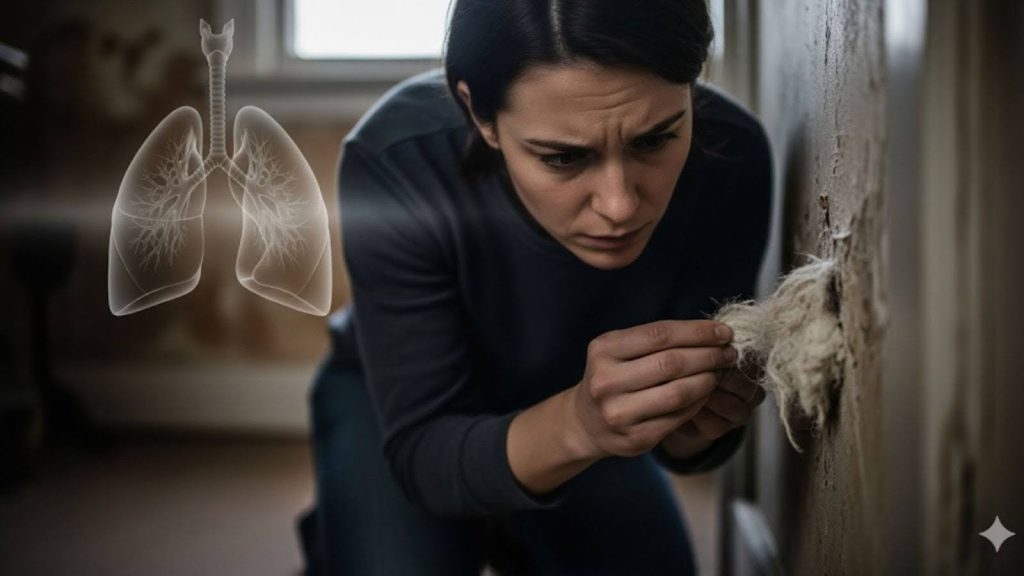
The presence of asbestos in residential structures poses a significant concern for families and property owners. Asbestos fibers can become airborne when disturbed, leading to serious long-term health issues for anyone exposed. Asbestos Removal Services play a pivotal role in safeguarding indoor air quality and preventing debilitating conditions linked to inhalation of these microscopic particles. Whether found in old insulation, ceiling tiles, or pipe wrap, chronically breathing in asbestos fibers elevates the likelihood of developing mesothelioma, lung cancer, and asbestosis. Early awareness of asbestos exposure risks empowers homeowners to take proactive steps for evaluation, testing, and safe abatement in compliance with regulatory guidelines.
What do clients need to know about asbestos removal?
Homeowners often underestimate the complexity of removing asbestos from their homes. Before any intervention, it’s critical to identify the type of asbestos in question—chrysotile (white asbestos), amosite (brown asbestos), or crocidolite (blue asbestos)—as each poses unique handling requirements. Clients should verify that contractors hold proper accreditation under the Occupational Safety and Health Administration (OSHA) and relevant state licensing boards, ensuring methodical compliance with federal guidelines.
It is also essential for residents to recognize the difference between friable and non-friable asbestos materials. Friable asbestos breaks down easily, releasing fibers with minimal disturbance—a far greater hazard than non-friable forms, which are bound in a solid matrix. By understanding these distinctions, clients can pose informed questions about containment procedures, air monitoring protocols, and disposal methods.
Finally, as clients explore removal options, they need to ascertain the full scope of project timelines, cost estimates, and post-abatement clearance testing. Engaging in transparent dialogue with certified removal specialists helps prevent hidden fees and project overruns. A well-defined contract will outline responsibilities for sampling, perimeter controls, and waste manifest documentation, all of which contribute to a safe remediation process.
How does asbestos impact indoor air safety?
Airborne asbestos fibers represent one of the most insidious indoor pollutants. Once friable insulation or aging surfacing materials are disturbed, minuscule particles can linger in the air for hours, infiltrating ventilation systems and settling on household surfaces. This persistent contamination compromises indoor air safety and elevates cumulative exposure for occupants, especially in poorly ventilated spaces.
Long-term monitoring of fiber counts via high-efficiency particulate air (HEPA) filters and specialized air sampling devices is a cornerstone of maintaining a healthy environment after any remediation effort. Trained industrial hygienists typically conduct these assessments, measuring concentrations in fibers per cubic centimeter (f/cc) to verify compliance with permissible exposure limits (PELs). Accurate readings guide decisions about re-entry timelines and additional encapsulation if fiber levels remain above thresholds.
Beyond direct sampling, homeowners must integrate continual housekeeping measures. Wet wiping surfaces, vacuuming with certified HEPA units, and sealing disturbed areas can mitigate residual dust. Installing continuous air purifiers with HEPA filtration further reduces airborne particulates, transitioning living areas back to safe occupancy more rapidly.
Friable vs Non-Friable Asbestos
Friable asbestos materials release hazardous fibers with light contact. Common examples include sprayed insulation, acoustic plaster, and pipe insulation wrap.
Non-friable asbestos is cementitious or bound in a solid matrix, such as vinyl floor tiles or exterior siding, and generally poses lower risk unless mechanically disturbed.
Proper classification informs the choice of control measures—from glove-bag techniques to full-scale enclosure and negative-pressure ventilation systems—each designed to uphold indoor air safety.
What are the hidden health risks of asbestos exposure?
Prolonged inhalation of asbestos fibers can lead to a spectrum of debilitating asbestos-related diseases. Mesothelioma, a malignant cancer of the lining of the lungs or abdomen, often surfaces decades after initial exposure. It is virtually incurable, making prevention through early detection and professional abatement absolutely critical.
Asbestosis, a chronic pulmonary fibrosis, results when fibers permanently scar lung tissue, compromising elasticity and gas exchange. Symptoms like persistent cough, chest tightness, and progressive shortness of breath often manifest years after initial inhalation incidents. While treatments can alleviate discomfort, the underlying scarring is irreversible.
Furthermore, asbestos exposure risks extend to bronchogenic lung cancer, which accounts for the majority of asbestos-induced fatalities. Risk multiplies for smokers, as tobacco smoke exacerbates fiber adherence and carcinogenic synergies. The latency period for asbestos-related cancers can span 20 to 50 years, underscoring why vigilant indoor air safety management and professional removal protocols cannot be overstated.
Mesothelioma and Physiology
Mesothelioma targets the mesothelial cells lining the lungs (pleura) and abdomen (peritoneum). Typical latency ranges from 30 to 40 years.
Pleural effusions, chest pain, and weight loss are hallmark symptoms. Early detection methods remain limited to imaging and invasive biopsies.
Regulatory bodies like the Environmental Protection Agency (EPA) emphasize that no safe level of asbestos exposure exists for triggering mesothelial carcinogenesis.
Other Long-Term Effects
Chronic Obstructive Pulmonary Disease (COPD) and recurrent pleural plaques sometimes co-occur in asbestos-exposed populations.
Autoimmune diseases, such as rheumatoid arthritis, show statistical links to asbestos exposure.
Occupational Health and Safety Administration records confirm that hypersensitivity pneumonitis can develop in heavily exposed workers and residents.
Which common household materials contain asbestos?
Prior to the 1980s, asbestos was a staple in construction due to its fire-resistance and insulating properties. Even today, unrenovated sections of older homes may harbor asbestos in an array of products, from attic insulation to popcorn ceilings. Recognizing these materials helps focus sampling efforts on the most probable sources of fiber release.
Vinyl floor tiles often contain chrysotile chrysotile, while cement siding and roofing shingles may include amphibole fibers for rigidity. Pipe and boiler wrap, stove gaskets, ACM joint compounds, and caulking compounds are additional hotspots. Vermiculite loose-fill insulation, especially from the W.R. Grace mine in Libby, Montana, notoriously contains tremolite asbestos and warrants professional testing.
Drywall joint compound and textured coatings applied in mid-century remodels frequently blended asbestos for improved adhesion and flame retardance. As these materials age and crack, sanding or drilling releases dangerous fibers into living spaces.
Table: Comparison of Asbestos Types
| Asbestos Type | Common Uses | Fiber Characteristics | Health Hazard Level |
|---|---|---|---|
| Chrysotile | Floor tiles, roofing, brake linings | Curly, white fibers | Moderate |
| Amosite | Cement sheets, insulation board | Straight, brown fibers | High |
| Crocidolite | Pipe insulation, spray coatings | Thin, blue fibers | Very High |
When should homeowners test for asbestos?
Suspected asbestos materials require sampling and laboratory analysis prior to any disturbance. Certified asbestos inspectors follow EPA’s AHERA protocols to collect bulk samples safely, ensuring no release of fibers during retrieval. Samples are submitted to accredited labs for polarized light microscopy (PLM) or transmission electron microscopy (TEM) analysis.
Visual inspection alone is unreliable—mineral compositions often masquerade as benign materials. Laboratory confirmation safeguards against unnecessary abatement and pinpoints which areas demand strict containment. Following test results, homeowners receive a comprehensive report outlining fiber percentages and recommended remediation strategies.
Annual re-inspection may be warranted for materials in poor condition. Regulatory agencies in some states mandate inspections every three years for commercial dwellings, but residential guidelines recommend at least a one-time survey before major renovations or transfers of ownership.
Why choose professional Asbestos Removal Services?
Asbestos Removal Services are indispensable for handling intricate abatement projects. Trained specialists employ engineered controls—negative-pressure enclosures, glove-bag extraction, and full-body protective suits—to minimize airborne release. DIY attempts not only violate OSHA and EPA regulations but also risk increasing contamination by improperly bagging waste or bypassing HEPA-grade air filtration.
Licensed abatement firms maintain detailed project plans, method statements, and risk assessments. They coordinate with local waste authorities to transport asbestos waste to EPA-approved landfills under strict manifesting requirements. By engaging seasoned professionals, homeowners gain peace of mind that every step—from initial isolation through final clearance testing—adheres to best practices.
In many regions, Asbestos Removal Services integration into home renovation budgets can actually lower long-term health care expenditures by preventing costly cancer treatments.
What are the steps in safe asbestos abatement?
Abatement begins with room preparation. Workers erect polyethylene sheeting, seal HVAC ducts, and post warning signage. Effective initial controls prevent cross-contamination of undisturbed areas.
Next, the removal team wets asbestos materials with amended water to suppress dust. The wet-scrape method loosens friable coatings, while non-friable items may require mechanical removal under minimal vibration protocols. All debris is double-bagged in labeled, leak-proof containers.
Following removal, surfaces undergo thorough HEPA vacuuming and multiple wet-wipes. Air sampling monitors fiber counts continuously until concentrations fall below 0.01 f/cc—EPA’s clearance benchmark. A third-party industrial hygienist typically signs off on the final visual inspection and clearance report.
Proper disposal seals wrap both material and protective equipment in drums and transports them under a hazardous materials manifest. Landfills accepting asbestos verify container integrity and maintain records for regulatory audits.
Homeowners seeking more information can reach out through Contact us channels to arrange an on-site survey and precise costing.
How can homeowners reduce indoor air safety risks in the interim?
While awaiting professional abatement, residents can take interim precautions to curb fiber dispersion. Avoid vacuuming or sweeping suspect areas, and instead use damp cloths to remove dust carefully. Restrict access to affected rooms and post visible warnings to discourage accidental disturbance.
Sealing cracks and gaps around window frames and baseboards with clear silicone caulk deters fiber migration into living zones. Upgrading to MERV-13 or higher filters in central HVAC systems provides an additional barrier against airborne particulates. Temporary portable HEPA air scrubbers offer localized purification in high-traffic areas, enhancing immediate indoor air safety.
Educating household members about asbestos exposure risks empowers everyone to recognize and avoid hazardous behaviors. Placing mats outside work zones captures residual dust on footwear, preventing inadvertent tracking into common areas.
Local regulations sometimes allow homeowners to encapsulate certain non-friable asbestos materials when removal poses disproportionate cost. Encapsulation systems—comprising sealants or barrier coatings—lock fibers in place and defer removal until large-scale renovations.
In emergent situations where children or immunocompromised individuals occupy the home, pre-remediation relocation may be the only way to avoid dangerous exposure. Short-term rentals or stays with relatives can bridge the gap until licensed abatement concludes.
Conclusion
Living with undisturbed asbestos in the home carries hidden health hazards that can manifest decades later. From mesothelioma to asbestosis and lung cancer, the stakes of fiber inhalation are tragically high. Professional Asbestos Removal Services ensure that friable and non-friable materials are handled with scientifically validated methods, regulated PPE, and rigorous clearance testing for true indoor air safety.
By choosing trained specialists, conducting accurate sampling, and deploying advanced HEPA filtration, homeowners can transform at-risk living spaces into healthy environments. FreshCo Cleaners stands ready to guide families through every phase of asbestos assessment, removal, and clearance—prioritizing safety, compliance, and lasting peace of mind.
For expert evaluation and certified abatement, trust FreshCo Cleaners to mitigate asbestos-related diseases before they threaten your loved ones.
Frequently Asked Questions
Do I need an asbestos abatement company?
Homes built before the 1980s or those with aging insulation and surfacing materials often harbor asbestos. Hiring a licensed abatement company ensures safe containment and removal protocols under EPA and OSHA standards.
Who should I contact if I need asbestos removal?
Clients should reach out exclusively to accredited asbestos professionals who hold state or federal licenses. They conduct proper surveys, sampling, and remediation in compliance with environmental and workplace safety regulations.
What considerations should be considered when removing asbestos?
Key factors include the type and condition of asbestos‐containing materials, necessary enclosure controls, appropriate PPE, and disposal routes. Removal plans must align with risk assessments and method statements approved by industrial hygiene experts.
Do asbestos removalists provide health monitoring?
Licensed abatement contractors are obligated to ensure worker health monitoring and may recommend baseline medical evaluations for residents in heavily contaminated homes. This safeguards all parties against long‐term exposure risks.
What are common asbestos‐related diseases?
Asbestos exposure primarily leads to mesothelioma, lung cancer, and asbestosis. Secondary conditions such as COPD and pleural plaques can exacerbate respiratory function over time.