














When water finds its way into air ducts, it doesn’t just disappear on its own. For homeowners in Wichita dealing with summer storms or high humidity, this problem can sneak in without warning. You might not notice it until there’s a funky smell or a sudden change in your airflow. What starts as a little moisture can quickly turn into a bigger issue if it’s ignored. Water trapped inside your ductwork can linger in dark, tight spaces, creating the perfect place for mold to grow.
Unchecked moisture in air ducts can affect more than just your comfort. It can quietly lower the air quality inside your home and even damage parts of your heating and cooling system. Wet or humid conditions inside ducts can push mold spores through vents and into your living space, putting your family’s health at risk. Mold isn’t just an eyesore or odd smell, it can trigger allergic reactions and worsen asthma symptoms. That’s why it’s important to deal with water issues inside your ducts quickly and properly.
The Risks Of Water In Air Ducts
Water shouldn’t be in your ductwork, but it may end up there for all kinds of reasons. Even homes that seem sealed up tight can be affected. Knowing how moisture shows up in your air ducts is the first step to fixing it for good.
Here are some of the usual suspects when water appears in ducts:
1. Leaks in the roof or around vents
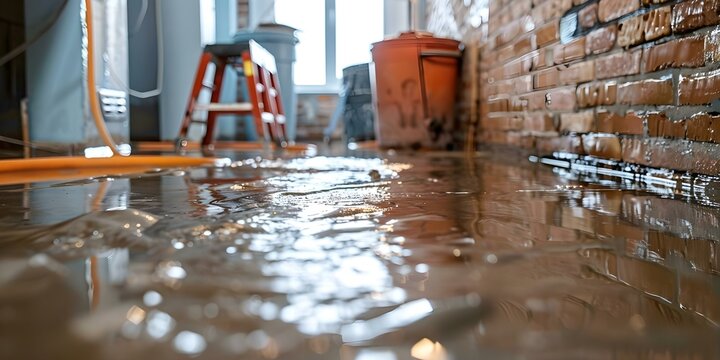
2. Flooding in or around the HVAC system
3. Poor insulation around ductwork
4. Condensation from warm, humid air in summer
5. Leaking AC drain lines or clogged drip pans
Once moisture gets inside, the damage doesn’t happen right away, but it builds over time. Mold can start growing in a matter of days in warm air. If you still use your HVAC system, the ductwork starts blowing that air all over the house. That means any mold, mildew, or bacteria growing in the ducts can be pushed into every room.
Besides health concerns, water inside ductwork can also weaken the structure of your system. Metal ducts can rust, insulation may lose its effectiveness, and parts of the HVAC unit can wear out quicker than they should. Ignoring the problem won’t make it go away. In fact, the longer water sits in your ducts, the harder and more expensive it becomes to fix down the road.
Signs You Have Water In Your Air Ducts
Not every problem announces itself loudly. Some signs of water in ductwork are hard to notice at first, but there are plenty of things to keep an eye out for.
Here’s what you might see, smell, or feel:
– A musty smell coming from vents, especially when the AC is running
– Mold or mildew growing around vent covers or near the HVAC unit
– Water dripping from vents or pooling around duct openings
– Less airflow or uneven cooling in different areas of the house
– Unexplained breathing issues or allergy flare-ups indoors
These clues usually build over time, and it’s easy to brush them off as small annoyances. But if you’ve dealt with a leak, storm, or high humidity lately, these could be signs of a water problem in your ducts.
Even if everything looks dry from the outside, there could still be moisture inside the system. Ducts run behind walls, under floors, and through attics or basements, so they’re often out of sight. Thermal imaging, moisture meters, and mold testing can uncover problems that you might otherwise miss. A trained expert can detect all of this and zero in on where the moisture is hiding.
When a homeowner in Wichita noticed a strong odor in their living room that wouldn’t go away, they reached out for help. After an inspection, moisture was discovered inside crawlspace ductwork caused by poor drainage during heavy rainfall. Mold was growing behind the walls, completely out of view. Cases like this are more common than many think, especially during Kansas summers when humidity is high and surprise storms roll through.
Addressing the signs early can help prevent bigger problems later. If any of these seem familiar, it’s time to take a closer look. Letting the issue sit too long increases the chances of mold spreading and doing real damage to your HVAC system and home.
Steps to Remove Water From Air Ducts
Removing water from air ducts isn’t just about drying surfaces. The process often requires multiple steps to be thorough and effective. Ignoring even a small pocket of moisture can lead to the return of mold and other issues. Here are some key steps involved in addressing water in air ducts:
1. Inspection and Assessment: First, identify the source of the moisture and the extent of the problem. A professional crew can inspect your ducts, using tools like thermal imaging to find hidden water and assess the severity.
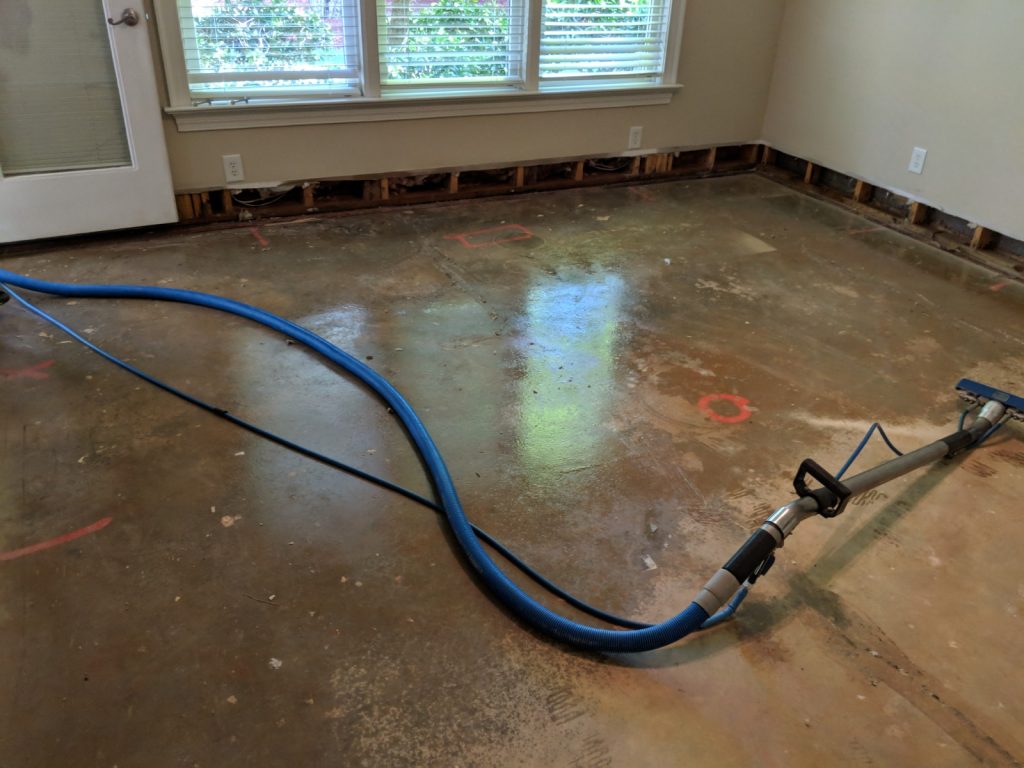
2. Water Extraction: Once the issue is identified, water needs to be extracted from the ductwork. This may involve removing and cleaning parts of the system to prevent contamination.
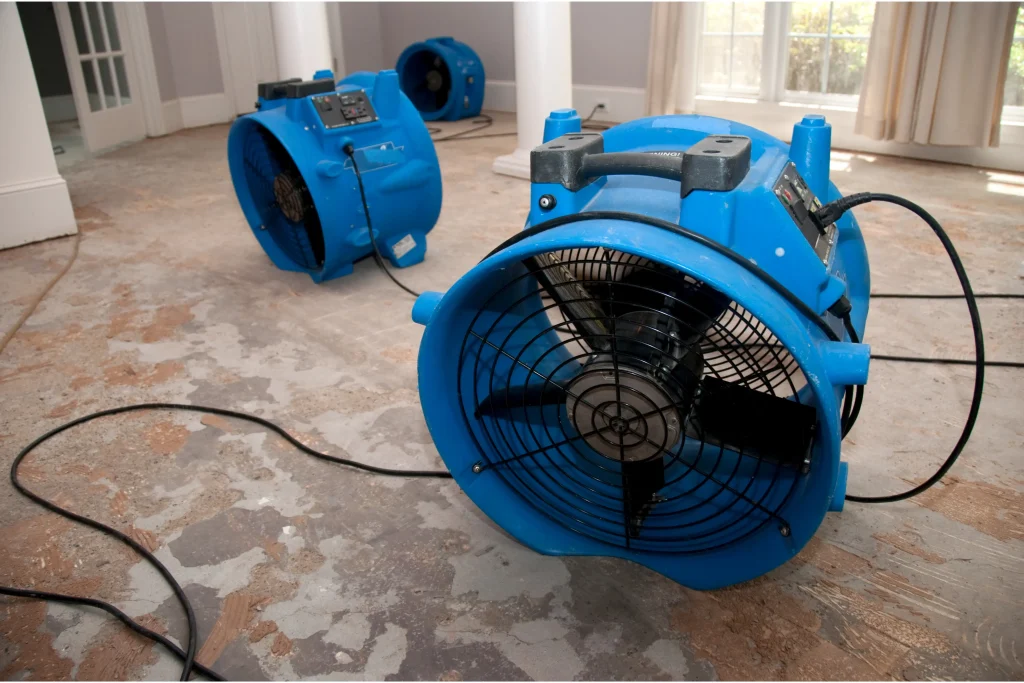
3. Drying and Dehumidifying: After the water removal, the focus shifts to thoroughly drying affected areas. Professionals use industrial-strength fans and dehumidifiers to ensure all moisture is cleared from the air and surfaces.
4. Mold Remediation: If mold is detected, it’s critical to clean all visible mold from the ductwork and address any areas where mold might develop. Specialized cleaning products help keep mold from returning.
5. Final Inspection: After cleaning, another inspection ensures no moisture or mold remains in the system. This step is a crucial safeguard against future problems.
These steps highlight why tackling moisture in your ductwork isn’t a simple DIY task. It requires attention to detail and access to the right tools, making it both safer and more effective when handled by experienced professionals.
Preventing Future Issues
Preventive measures can save you plenty of headaches when it comes to keeping water out of your air ducts. Here’s how you can maintain a dry and healthy system:
– Regular Inspections: Have your HVAC system and ductwork checked on a regular basis, especially after heavy rainfall or if you’ve noticed any changes in your indoor air quality.
– Humidity Control: Install a dehumidifier if your home tends to run on the humid side, especially during Wichita’s sticky summer months. Keeping humidity levels in check prevents condensation inside the ducts.
– Seal and Insulate: Ensure ductwork is properly sealed and insulated to stop humid air and rainwater from finding a way inside. Pay special attention to areas around vents, grills, and external pipes.
– Improve Ventilation: Make sure your home’s ventilation systems are adequate for the size and layout of your space. Good airflow helps regulate moisture and keeps the system balanced.
By paying attention to these aspects, you can significantly reduce the risk of water entering your air ducts again and ensure that your HVAC system stays in good shape for years to come.
Breathe Easier with a Professional Solution
Having a dry and clean air duct system isn’t just about peace of mind. It ensures that the air you breathe is fresh and safe for your family. By addressing water problems promptly and thoroughly, you can avoid a lot of additional stress.
Professional water removal and mold remediation services are vital for maintaining a healthy living environment in your Wichita home. When experts take care of cleanup and restoration, they tackle problems from the roots. They don’t leave room for issues to creep back in.
Keeping your air ducts dry and clean also helps your HVAC system run efficiently, cutting down on wear and tear. That kind of maintenance can save you on energy bills and avoid more costly repairs down the line. Good indoor air quality is about more than just comfort—it’s about protecting the space where your family lives, rests, and grows.
Protecting your Wichita home from mold and moisture is key to maintaining a healthy environment. If you’ve noticed any signs of trouble or want to be proactive, reach out for expert help with reliable mold removal in Wichita. Trust FreshCo to take care of the issue and help keep your air ducts clean and dry all year long.